English
- Afrikaans
- Albanian
- Amharic
- Arabic
- Armenian
- Azerbaijani
- Basque
- Belarusian
- Bengali
- Bosnian
- Bulgarian
- Catalan
- Cebuano
- Corsican
- Croatian
- Czech
- Danish
- Dutch
- English
- Esperanto
- Estonian
- Finnish
- French
- Frisian
- Galician
- Georgian
- German
- Greek
- Gujarati
- Haitian Creole
- hausa
- hawaiian
- Hebrew
- Hindi
- Miao
- Hungarian
- Icelandic
- igbo
- Indonesian
- irish
- Italian
- Japanese
- Javanese
- Kannada
- kazakh
- Khmer
- Rwandese
- Korean
- Kurdish
- Kyrgyz
- Lao
- Latin
- Latvian
- Lithuanian
- Luxembourgish
- Macedonian
- Malgashi
- Malay
- Malayalam
- Maltese
- Maori
- Marathi
- Mongolian
- Myanmar
- Nepali
- Norwegian
- Norwegian
- Occitan
- Pashto
- Persian
- Polish
- Portuguese
- Punjabi
- Romanian
- Russian
- Samoan
- Scottish Gaelic
- Serbian
- Sesotho
- Shona
- Sindhi
- Sinhala
- Slovak
- Slovenian
- Somali
- Spanish
- Sundanese
- Swahili
- Swedish
- Tagalog
- Tajik
- Tamil
- Tatar
- Telugu
- Thai
- Turkish
- Turkmen
- Ukrainian
- Urdu
- Uighur
- Uzbek
- Vietnamese
- Welsh
- Bantu
- Yiddish
- Yoruba
- Zulu

Telephone: +86 13120555503
Email: frank@cypump.com


Apr . 01, 2024 17:55 Back to list
Slurry Pumps reliable supplier of interchangeable slurry pumps for various Industrial Applications
Introduction
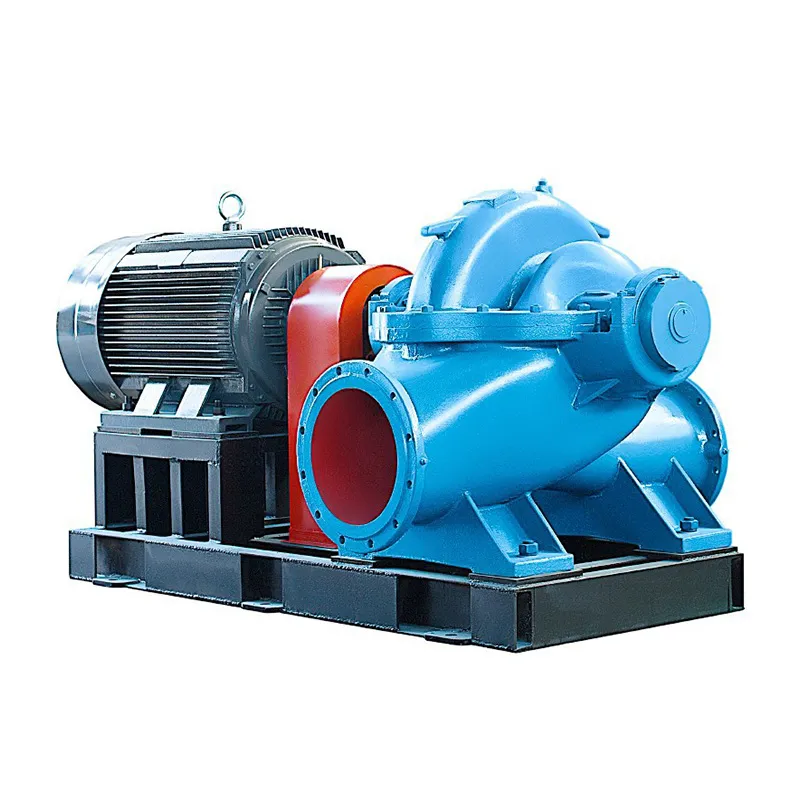
Interchangeable slurry pumps are critical components in numerous industrial processes, including mining, wastewater treatment, chemical processing, and oil & gas. These pumps are designed to handle abrasive and corrosive fluids, offering a robust and cost-effective solution for fluid transfer. A reliable supplier of these pumps must not only provide equipment meeting stringent performance criteria but also offer interchangeability, minimizing downtime and inventory costs for end-users. The core performance attributes of slurry pumps—flow rate, head, solids handling capability, and abrasion resistance—directly impact operational efficiency and overall plant productivity. The increasing demands for sustainable and efficient industrial operations drive the need for pumps that minimize energy consumption and maximize lifespan. This guide provides an in-depth technical overview of slurry pumps, focusing on material science, manufacturing processes, performance characteristics, failure modes, and relevant industry standards, specifically addressing the requirements for reliable interchangeability between suppliers.
Material Science & Manufacturing
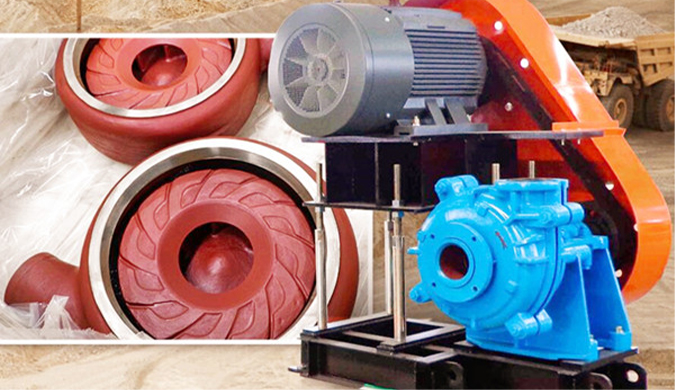
Slurry pumps are constructed from materials chosen for their resistance to abrasion, corrosion, and erosion. Common materials include high-chromium cast irons (typically 13-28% Cr) for impellers and casings, offering excellent wear resistance against solid particle impact. Pump casings can also be constructed from ductile iron, stainless steel (304, 316, duplex), or specialized alloys like Hastelloy or Alloy 20, depending on the fluid's chemical composition. Impeller materials are also selected considering the specific slurry characteristics – rubber linings are used for highly abrasive slurries but have limited chemical resistance, while ceramic materials like alumina offer exceptional hardness and corrosion resistance. Manufacturing processes vary based on component and material. Casings are commonly produced through sand casting, investment casting, or centrifugal casting. Impellers are typically investment cast for intricate designs and dimensional accuracy. Shafts are forged and then precisely machined. Key parameter control during manufacturing includes wall thickness consistency (critical for casing pressure integrity), impeller blade profile accuracy (directly influencing pump efficiency), and surface finish (minimizing friction and wear). Welding processes, where applicable, require qualified procedures and non-destructive testing (NDT) like radiographic inspection to ensure joint integrity. Proper heat treatment is crucial for achieving desired material properties, such as hardness and toughness.
Performance & Engineering
Slurry pump performance is dictated by hydraulic design and operational parameters. Force analysis focuses on stresses induced by fluid pressure, impeller centrifugal forces, and solids impact. Casing design must withstand internal pressure and external loads. Impeller design, particularly blade angles and width, influences flow rate and head. Environmental resistance is a critical concern. Pump materials must resist corrosion from the slurry’s chemical constituents. External coatings (e.g., epoxy, polyurethane) are often applied to casings to provide an additional barrier against corrosion and UV degradation. Cavitation is a significant failure mode; maintaining sufficient Net Positive Suction Head Available (NPSHa) is paramount to prevent vapor bubble formation and subsequent impeller damage. Compliance requirements vary by industry and region. For example, pumps used in the oil & gas industry must meet API 610 standards. Electrical components must adhere to relevant IEC or NEMA standards. Functional implementation involves selecting the appropriate pump size and type (centrifugal, positive displacement) based on slurry characteristics, flow rate, and head requirements. Variable Frequency Drives (VFDs) are commonly used to optimize pump performance and energy efficiency.
Technical Specifications
| Parameter | Unit | Typical Range (Centrifugal Slurry Pump) | Interchangeability Tolerance |
|---|---|---|---|
| Flow Rate | m³/h | 10 - 1000 | ±5% |
| Discharge Head | m | 5 - 100 | ±10% |
| Solids Handling Size | mm | 6 - 200 | Matching impeller diameter and casing inlet size are critical |
| Slurry Concentration (Wt%) | % | 10 - 70 | Material compatibility must be verified |
| Pump Speed | RPM | 500 - 3600 | ±2% |
| Power | kW | 1.5 - 300 | Voltage and frequency compatibility required |
Failure Mode & Maintenance
Common failure modes in slurry pumps include impeller wear (caused by abrasive solids), casing erosion, bearing failure, seal leakage, and shaft breakage. Fatigue cracking can occur in casings due to cyclic pressure loading. Delamination of rubber linings is a frequent issue with abrasive slurries. Degradation of elastomers in seals and linings occurs due to chemical attack or temperature extremes. Oxidation of metal components can lead to corrosion and reduced strength. Failure analysis should involve visual inspection, non-destructive testing (ultrasonic testing, liquid penetrant testing), and metallurgical examination. Preventive maintenance is crucial. This includes regular lubrication of bearings, inspection and replacement of seals, monitoring vibration levels, and checking for casing wear. Impeller replacement is often required based on wear rate. Proper alignment of the pump and motor is essential to minimize bearing stress. Flush plans should be employed for mechanical seals to prevent abrasive solids from damaging the seal faces. Regular monitoring of pump performance parameters (flow rate, head, power consumption) can detect early signs of deterioration. A robust maintenance program extends pump life and minimizes unscheduled downtime.
Industry FAQ
Q: What are the key considerations for ensuring interchangeability between slurry pumps from different suppliers?
A: Interchangeability hinges on standardized dimensions for key components – impeller diameter, casing inlet/outlet flange sizes, shaft diameter and keyway, and bearing housing dimensions. Adherence to ISO 5199 (for centrifugal pumps) or equivalent standards is vital. Electrical compatibility (voltage, frequency, phase) must also be verified. Suppliers should provide detailed dimensional drawings and performance curves to facilitate comparison.
Q: How do different impeller materials affect slurry pump performance and lifespan?
A: High-chromium cast irons are cost-effective for moderately abrasive slurries. Rubber linings offer superior abrasion resistance but limited chemical resistance. Stainless steels provide good corrosion resistance but lower abrasion resistance. Ceramic materials (alumina, silicon carbide) excel in both abrasion and corrosion resistance but are more expensive. Material selection must match the slurry composition and abrasiveness.
Q: What are the critical parameters to monitor to detect early signs of pump failure?
A: Monitor vibration levels (indicating bearing wear or impeller imbalance), discharge pressure (indicating impeller wear or blockage), power consumption (increasing power suggests reduced efficiency), seal leakage (indicating seal failure), and bearing temperature (indicating bearing degradation). Trend analysis of these parameters can identify potential problems before catastrophic failure occurs.
Q: How does NPSHa affect slurry pump operation and what steps can be taken to prevent cavitation?
A: Insufficient NPSHa leads to cavitation – the formation and collapse of vapor bubbles within the pump, causing impeller damage and reduced performance. Increase the suction tank level, reduce suction line losses (e.g., by using larger diameter piping), reduce pump speed, or consider a booster pump to increase NPSHa.
Q: What are the typical maintenance requirements for a slurry pump operating in a highly abrasive environment?
A: Frequent inspection of the impeller, casing, and liners for wear is crucial. Regular replacement of worn components is essential. Employ a robust seal flush plan to prevent abrasive solids from damaging the seal faces. Monitor bearing condition and lubricate frequently. Consider using hardfacing techniques to extend the life of wear surfaces.
Conclusion
Reliable slurry pump performance is inextricably linked to material selection, manufacturing precision, and a deep understanding of the application's specific demands. Achieving true interchangeability requires adherence to industry standards and meticulous attention to dimensional tolerances. Selecting a supplier capable of providing consistent quality, detailed technical documentation, and responsive support is paramount for minimizing downtime and optimizing operational efficiency.
The ongoing evolution of slurry pump technology focuses on improving efficiency, reducing energy consumption, and enhancing wear resistance. Future developments will likely involve the integration of advanced materials, smart sensors for predictive maintenance, and optimized hydraulic designs. A proactive approach to maintenance, coupled with informed supplier selection, will ensure the long-term reliability and cost-effectiveness of slurry pump systems.
-
Precision at the Pump: How Better Machining Protects Flow and Uptime
News2026-11-20
-
Why Pump Reliability Begins Before the First Drop of Fluid
News2026-11-20
-
Beyond the Pump: Designing Safer Access Around Critical Water Infrastructure
News2026-11-20
-
Why Pumping Stations Depend on the Infrastructure Beneath the Pumps
News2026-11-20
-
Beyond the Pump Room: How Smarter Loading Protects Industrial Equipment
News2026-11-19
-
When Pumps Stop: Designing More Resilient Power for Critical Pumping Systems
News2026-11-19
-
The Hidden Role of Dust and Gas Monitoring in Reliable Pump Operations
News2026-11-19
-
The Hidden Role of Mineral Compounds in Extending Industrial Pump Lifespan
News2026-10-12
-
Why Pump System Reliability Depends on Precision Hose Assembly Methods
News2026-09-15
-
How Advanced Imaging Films Are Transforming Pump Component Quality Control
News2026-08-25
-
How Advanced Filtration Protects Pump Systems from Premature Wear and Costly Downtime
News2026-08-25
-
How Steel Material Selection Drives Pump Reliability in Heavy-Duty Systems
News2026-08-25
-
Ensuring Pump System Efficiency: The Role of High-Quality Pipe Fittings and Tubing
News2026-08-24
-
Optimizing Fluid Dynamics and Material Consistency in Industrial Processing
News2026-08-18
-
Innovations and Challenges in Hydraulic Systems for Heavy Machinery
News2026-08-13




