English
- Afrikaans
- Albanian
- Amharic
- Arabic
- Armenian
- Azerbaijani
- Basque
- Belarusian
- Bengali
- Bosnian
- Bulgarian
- Catalan
- Cebuano
- Corsican
- Croatian
- Czech
- Danish
- Dutch
- English
- Esperanto
- Estonian
- Finnish
- French
- Frisian
- Galician
- Georgian
- German
- Greek
- Gujarati
- Haitian Creole
- hausa
- hawaiian
- Hebrew
- Hindi
- Miao
- Hungarian
- Icelandic
- igbo
- Indonesian
- irish
- Italian
- Japanese
- Javanese
- Kannada
- kazakh
- Khmer
- Rwandese
- Korean
- Kurdish
- Kyrgyz
- Lao
- Latin
- Latvian
- Lithuanian
- Luxembourgish
- Macedonian
- Malgashi
- Malay
- Malayalam
- Maltese
- Maori
- Marathi
- Mongolian
- Myanmar
- Nepali
- Norwegian
- Norwegian
- Occitan
- Pashto
- Persian
- Polish
- Portuguese
- Punjabi
- Romanian
- Russian
- Samoan
- Scottish Gaelic
- Serbian
- Sesotho
- Shona
- Sindhi
- Sinhala
- Slovak
- Slovenian
- Somali
- Spanish
- Sundanese
- Swahili
- Swedish
- Tagalog
- Tajik
- Tamil
- Tatar
- Telugu
- Thai
- Turkish
- Turkmen
- Ukrainian
- Urdu
- Uighur
- Uzbek
- Vietnamese
- Welsh
- Bantu
- Yiddish
- Yoruba
- Zulu

Telephone: +86 13120555503
Email: frank@cypump.com


Apr . 01, 2024 17:55 Back to list
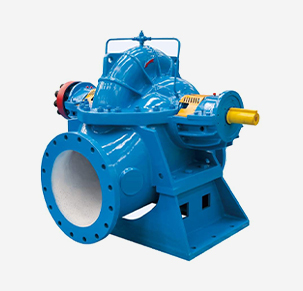
Slurry Pumps oem manufacturers specializing in metallined slurry pumps for Industrial Applications
Introduction
Metal-lined slurry pumps represent a critical component in numerous industrial processes, primarily designed for the efficient and reliable transfer of abrasive and corrosive fluids. OEM manufacturers specializing in these pumps serve industries including mining, mineral processing, chemical production, wastewater treatment, and power generation. The technical positioning of these pumps within the industrial chain resides between fluid handling requirements and process efficiency, often dictating overall system performance and longevity. These pumps are not merely commodity items; they are engineered solutions requiring specific material selection and design considerations based on the slurry’s composition, particle size distribution, flow rate, and pressure requirements. Core performance metrics revolve around hydraulic efficiency, solids handling capability, abrasion resistance, corrosion resistance, and ultimately, mean time between failures (MTBF). Understanding the nuances of metal lining selection and pump construction is vital for optimizing operational costs and minimizing downtime in demanding applications. The increasing complexity of processed materials and stricter environmental regulations are driving demand for advanced metal-lined slurry pump technologies.
Material Science & Manufacturing
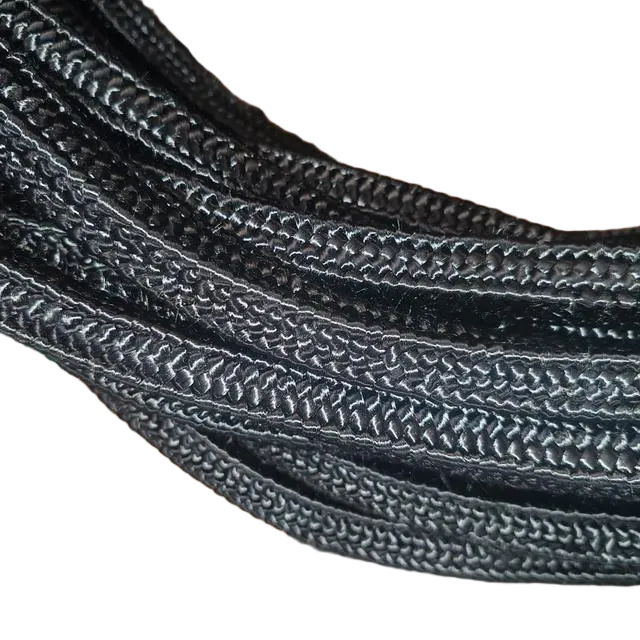
The performance of a metal-lined slurry pump is intrinsically linked to the material science of both the pump casing and the lining itself. Casing materials commonly employ ductile iron (ASTM A536 Grade 65-45-12) for its robust mechanical properties and castability. However, the internal surface is typically lined with a more corrosion and abrasion-resistant alloy. Common lining materials include high-chromium cast iron (typically 15-30% Cr, adhering to ASTM A532), stainless steels (304, 316, and duplex grades – ASTM A240), and specialized alloys like Hastelloy and Inconel for extremely aggressive chemical environments. The manufacturing process begins with pattern making and sand casting for the pump casing. Lining application is a multi-step process. Traditionally, cast linings were directly cast into the pump casing. Modern techniques include centrifugal casting, arc welding, and explosive cladding. Centrifugal casting provides a dense, void-free lining. Arc welding utilizes specialized electrodes and precise control of heat input to minimize dilution of the lining material into the base metal. Explosive cladding creates a metallurgical bond between the lining and the base metal using controlled detonation. Key parameters during lining application include pre-heating temperatures, welding speeds, and cladding pressure. Post-weld heat treatment is often required to relieve stresses and optimize the microstructure of the weld deposit. Material compatibility charts, considering galvanic corrosion potential between the lining and the fluid, are critical during material selection.
Performance & Engineering
The performance of metal-lined slurry pumps hinges on intricate engineering principles. Hydraulic design focuses on impeller geometry, volute shape, and diffuser design to maximize efficiency and minimize energy consumption. Force analysis considers the impact of solid particles on the impeller and casing, particularly at high slurry concentrations. Impeller designs often incorporate hardened alloys and wear-resistant coatings to mitigate erosion. Environmental resistance is paramount. Corrosion rates are influenced by fluid pH, temperature, and the presence of specific ions (e.g., chlorides, sulfates). Cavitation, caused by pressure drop below the vapor pressure of the liquid, is a significant concern, leading to impeller damage. Proper net positive suction head required (NPSHr) calculations and impeller design are crucial to prevent cavitation. Compliance requirements vary by region. ATEX directives (EU) govern explosion-proof designs for hazardous environments. API 610 standards specify requirements for centrifugal pumps, including materials, testing, and documentation. Mechanical seal selection is critical for preventing leakage and ensuring reliable operation. Seal materials must be compatible with the slurry’s composition and operating temperature. Pump curves, depicting head-flow characteristics, are essential for selecting the appropriate pump size and operating point. Finite Element Analysis (FEA) is often employed to optimize pump geometry and predict stress distributions.
Technical Specifications
| Pump Capacity (GPM) | Total Dynamic Head (ft) | Maximum Solids Size (in) | Lining Material |
|---|---|---|---|
| 50-200 | 50-200 | 0.5-2 | High-Chromium Cast Iron (A532) |
| 100-500 | 100-300 | 1-4 | Stainless Steel (316) |
| 250-1000 | 200-500 | 2-6 | Duplex Stainless Steel (2205) |
| 500-2000 | 300-800 | 4-12 | Hastelloy C-276 |
| 1000-5000 | 400-1200 | 6-24 | Inconel 625 |
| 2000-8000 | 500-1500 | 8-48 | Ceramic-lined Steel |
Failure Mode & Maintenance
Metal-lined slurry pumps are susceptible to various failure modes. Abrasion, caused by solid particle impact, leads to erosion of the impeller and casing lining. Corrosion, particularly in aggressive chemical environments, can result in pitting, crevice corrosion, and overall material degradation. Fatigue cracking can occur due to cyclical loading and stress concentrations. Cavitation damage manifests as pitting on the impeller surface and can lead to impeller failure. Delamination of the lining can occur due to poor bonding between the lining and the base metal, often exacerbated by thermal stresses. Oxidation, particularly at elevated temperatures, can weaken the lining material. Preventive maintenance is critical. Regular inspection for wear and corrosion is essential. Impeller trimming, to maintain pump efficiency, may be required. Seal replacement should be performed according to manufacturer’s recommendations. Lubrication of bearings is crucial to prevent bearing failure. Vibration analysis can detect early signs of mechanical issues. Non-destructive testing (NDT) methods, such as ultrasonic testing and radiographic testing, can identify cracks and defects in the lining. Proper slurry management, including controlling solids concentration and particle size distribution, can significantly extend pump life. Flush plans for mechanical seals should be routinely checked for proper operation.
Industry FAQ
Q: What are the primary factors driving the selection of a specific lining material for a slurry pump?
A: The selection hinges on a comprehensive assessment of the slurry’s chemical composition, abrasive particle characteristics (size, shape, hardness), temperature, and flow velocity. High-chromium cast iron is often favored for abrasive slurries with moderate corrosion. Stainless steels provide better corrosion resistance but may be less abrasion-resistant. Specialized alloys like Hastelloy and Inconel are reserved for highly corrosive environments. A galvanic corrosion study between the slurry, lining material, and base metal is also critical.
Q: How does impeller design impact the pump’s solids handling capability?
A: Impeller design is paramount. Impellers with open or recessed designs are preferred for handling large solids. The impeller vane angle and width influence the slurry’s velocity and solids transport capacity. Hardened impeller materials and wear-resistant coatings are employed to minimize erosion. Impeller diameter and rotational speed also affect solids handling.
Q: What is the significance of NPSHr in slurry pump applications?
A: Net Positive Suction Head Required (NPSHr) represents the minimum pressure required at the pump suction to prevent cavitation. Slurries often have higher vapor pressures and can generate gas bubbles more easily. Incorrect NPSHr calculations can lead to impeller damage and pump failure. Proper pump installation and system design are crucial to ensure adequate NPSHa (Net Positive Suction Head Available).
Q: What are the benefits of explosive cladding as a lining application method?
A: Explosive cladding creates a strong metallurgical bond between the lining and the base metal, resulting in excellent bonding strength and resistance to delamination. It is particularly well-suited for applying thick linings and can accommodate dissimilar metals. It offers a superior bond compared to welding in many applications, and minimal dilution of the lining material.
Q: How often should a metal-lined slurry pump undergo a comprehensive inspection?
A: The frequency depends on the severity of the service conditions. A routine visual inspection should be conducted monthly, focusing on areas prone to wear and corrosion. A comprehensive inspection, including NDT methods and impeller measurements, should be performed annually or after a predetermined number of operating hours, as recommended by the pump manufacturer. Tracking performance data, such as flow rate, pressure, and power consumption, can also indicate potential issues.
Conclusion
Metal-lined slurry pumps are complex engineering solutions requiring careful consideration of material science, hydraulic design, and operational parameters. The selection of appropriate materials, coupled with robust manufacturing processes and diligent maintenance, is paramount to ensuring long-term reliability and minimizing total cost of ownership. OEM manufacturers specializing in these pumps play a crucial role in providing tailored solutions that address the unique challenges of specific industrial applications.
The continued evolution of slurry pump technology is focused on enhancing abrasion resistance, improving corrosion protection, and optimizing hydraulic efficiency. Future advancements are likely to include the development of novel lining materials, advanced coating technologies, and smart pump monitoring systems that enable predictive maintenance and proactive problem-solving. Understanding these trends is essential for procurement managers and engineers involved in selecting and maintaining these critical components.
-
Precision at the Pump: How Better Machining Protects Flow and Uptime
News2026-11-20
-
Why Pump Reliability Begins Before the First Drop of Fluid
News2026-11-20
-
Beyond the Pump: Designing Safer Access Around Critical Water Infrastructure
News2026-11-20
-
Why Pumping Stations Depend on the Infrastructure Beneath the Pumps
News2026-11-20
-
Beyond the Pump Room: How Smarter Loading Protects Industrial Equipment
News2026-11-19
-
When Pumps Stop: Designing More Resilient Power for Critical Pumping Systems
News2026-11-19
-
The Hidden Role of Dust and Gas Monitoring in Reliable Pump Operations
News2026-11-19
-
The Hidden Role of Mineral Compounds in Extending Industrial Pump Lifespan
News2026-10-12
-
Why Pump System Reliability Depends on Precision Hose Assembly Methods
News2026-09-15
-
How Advanced Imaging Films Are Transforming Pump Component Quality Control
News2026-08-25
-
How Advanced Filtration Protects Pump Systems from Premature Wear and Costly Downtime
News2026-08-25
-
How Steel Material Selection Drives Pump Reliability in Heavy-Duty Systems
News2026-08-25
-
Ensuring Pump System Efficiency: The Role of High-Quality Pipe Fittings and Tubing
News2026-08-24
-
Optimizing Fluid Dynamics and Material Consistency in Industrial Processing
News2026-08-18
-
Innovations and Challenges in Hydraulic Systems for Heavy Machinery
News2026-08-13




