English
- Afrikaans
- Albanian
- Amharic
- Arabic
- Armenian
- Azerbaijani
- Basque
- Belarusian
- Bengali
- Bosnian
- Bulgarian
- Catalan
- Cebuano
- Corsican
- Croatian
- Czech
- Danish
- Dutch
- English
- Esperanto
- Estonian
- Finnish
- French
- Frisian
- Galician
- Georgian
- German
- Greek
- Gujarati
- Haitian Creole
- hausa
- hawaiian
- Hebrew
- Hindi
- Miao
- Hungarian
- Icelandic
- igbo
- Indonesian
- irish
- Italian
- Japanese
- Javanese
- Kannada
- kazakh
- Khmer
- Rwandese
- Korean
- Kurdish
- Kyrgyz
- Lao
- Latin
- Latvian
- Lithuanian
- Luxembourgish
- Macedonian
- Malgashi
- Malay
- Malayalam
- Maltese
- Maori
- Marathi
- Mongolian
- Myanmar
- Nepali
- Norwegian
- Norwegian
- Occitan
- Pashto
- Persian
- Polish
- Portuguese
- Punjabi
- Romanian
- Russian
- Samoan
- Scottish Gaelic
- Serbian
- Sesotho
- Shona
- Sindhi
- Sinhala
- Slovak
- Slovenian
- Somali
- Spanish
- Sundanese
- Swahili
- Swedish
- Tagalog
- Tajik
- Tamil
- Tatar
- Telugu
- Thai
- Turkish
- Turkmen
- Ukrainian
- Urdu
- Uighur
- Uzbek
- Vietnamese
- Welsh
- Bantu
- Yiddish
- Yoruba
- Zulu

Telephone: +86 13120555503
Email: frank@cypump.com


Apr . 01, 2024 17:55 Back to list
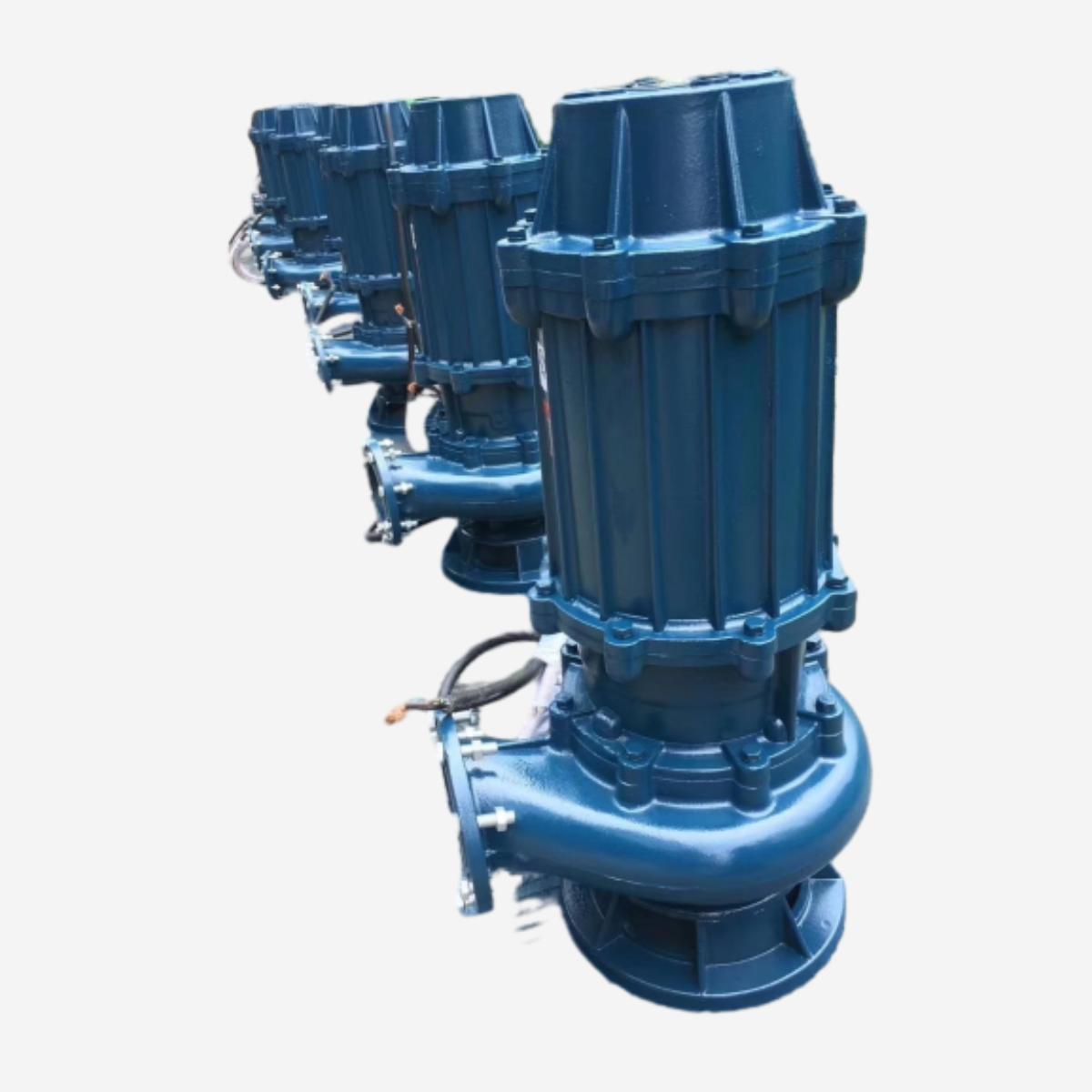
Slurry Pumps Manufacturing Components Through Casting Analysis
Introduction
Slurry pumps are critical components in numerous industrial processes, including mining, wastewater treatment, and chemical processing. Their ability to reliably transport abrasive and corrosive slurries depends heavily on the integrity and performance of their constituent parts. Casting, specifically utilizing metallic alloys, represents a prevalent manufacturing method for slurry pump components such as impellers, casings, liners, and volutes. This technical guide provides a comprehensive examination of manufacturing slurry pump components via casting, encompassing material science, manufacturing processes, performance characteristics, failure modes, and relevant industry standards. The primary challenge within the industry lies in balancing abrasion resistance, corrosion resistance, and hydraulic efficiency while maintaining cost-effectiveness and manufacturability. Effective component design and material selection are paramount to minimizing downtime and maximizing pump lifespan in these demanding applications.
Material Science & Manufacturing
The selection of appropriate materials is fundamental to the performance of slurry pump components. Commonly used materials include high-chromium cast irons (e.g., 27-30% Cr), stainless steels (e.g., 304, 316, duplex stainless steels), and specialized nickel alloys. High-chromium cast irons offer excellent abrasion resistance due to the formation of hard chromium carbides within the microstructure. However, their corrosion resistance is limited, especially in acidic environments. Stainless steels provide superior corrosion resistance but generally exhibit lower abrasion resistance compared to high-chromium cast irons. Nickel alloys offer a combination of both, albeit at a significantly higher cost. The casting process itself typically involves sand casting, investment casting (lost-wax casting), or centrifugal casting. Sand casting is the most economical method, suitable for large components with moderate dimensional accuracy. Investment casting yields higher dimensional precision and surface finish, ideal for complex geometries like impeller blades. Centrifugal casting is often employed for cylindrical components, such as liners, promoting density and eliminating porosity. Key process parameters requiring strict control include melt temperature, pouring rate, cooling rate, and sand composition (for sand casting). Chemical composition verification through spectroscopic analysis is crucial. Heat treatment, such as annealing or hardening, is applied to optimize mechanical properties. Microstructural analysis using optical microscopy and scanning electron microscopy (SEM) confirms carbide distribution and identifies potential defects. Controlling solidification shrinkage is critical to prevent porosity and ensure structural integrity.

Performance & Engineering
The performance of slurry pump components is intricately linked to their structural integrity and resistance to various operating conditions. Force analysis, including both static and dynamic loads, is essential during the design phase. Impellers, in particular, are subjected to centrifugal forces, hydraulic pressure, and impact from abrasive particles. Finite element analysis (FEA) is widely used to simulate stress distributions and identify potential areas of failure. Environmental resistance is paramount, requiring consideration of corrosion rates in specific slurry compositions. Galvanic corrosion can occur when dissimilar metals are in contact within the slurry stream; therefore, careful material pairing is essential. Cavitation, the formation and collapse of vapor bubbles, is a common concern in pump applications, leading to erosion and reduced pump efficiency. Impeller blade geometry and operating speed are optimized to minimize cavitation risk. Compliance with industry standards, such as Hydraulic Institute (HI) standards, ensures performance guarantees and interoperability. The hydraulic efficiency of the pump is directly impacted by the surface roughness of the casting, necessitating post-casting machining and polishing to minimize friction losses. Wear resistance is often quantified using methods such as the Taber abrasion test or slurry erosion tests, providing data for material selection and component lifespan prediction. Proper selection of elastomer linings also is important when dealing with corrosive fluids.
Technical Specifications
| Material | Hardness (BHN) | Tensile Strength (MPa) | Corrosion Resistance (ASTM B117 Salt Spray, hours to failure) |
|---|---|---|---|
| High-Chromium Cast Iron (27% Cr) | 550-650 | 400-600 | 72-120 |
| Stainless Steel 304 | 200-250 | 500-700 | 480+ |
| Stainless Steel 316 | 220-280 | 550-800 | 800+ |
| Duplex Stainless Steel (2205) | 280-350 | 700-900 | 1000+ |
| Nickel Alloy (e.g., Alloy 20) | 250-350 | 800-1000 | 1500+ |
| Grey Cast Iron (for less abrasive services) | 180-250 | 200-400 | 48-72 |
Failure Mode & Maintenance
Slurry pump components are susceptible to various failure modes, primarily driven by abrasive wear, corrosion, erosion, and fatigue. Abrasive wear, characterized by material loss due to particle impact, is the most common failure mechanism. The severity of wear depends on slurry particle size, shape, hardness, and velocity. Corrosion, particularly in aggressive chemical environments, leads to material degradation and reduced component thickness. Erosion, often occurring in areas of high flow velocity, combines the effects of abrasion and corrosion. Fatigue cracking can initiate from stress concentrations, such as sharp corners or surface defects, and propagate under cyclic loading. Failure analysis often involves fractographic examination using SEM to identify the root cause of failure. Preventative maintenance is critical. This includes regular inspections for wear and corrosion, impeller balancing to reduce vibration, and bearing lubrication. Component replacement should be scheduled based on predicted wear rates and operational conditions. Periodic non-destructive testing (NDT) methods, such as ultrasonic testing (UT) and radiographic testing (RT), can detect hidden cracks and flaws. Surface coatings, such as hardfacing or polymer linings, can extend component lifespan by providing enhanced wear and corrosion resistance. Proper slurry pump operation, including maintaining optimal flow rates and avoiding excessive speeds, is vital to minimize component stress and extend service life.
Industry FAQ
Q: What is the primary difference between high-chromium cast iron and stainless steel for slurry pump impellers?
A: While both materials are used extensively, high-chromium cast iron offers superior abrasion resistance due to its hard carbide structure, making it ideal for highly abrasive slurries. Stainless steel excels in corrosive environments, providing better resistance to chemical attack. The choice depends on the specific slurry composition and operating conditions; often, a compromise is necessary, utilizing stainless steels with surface treatments to enhance wear resistance.
Q: How does the casting process influence the final microstructure and mechanical properties of a slurry pump component?
A: The casting process significantly impacts microstructure. Faster cooling rates generally lead to finer grain sizes and higher strength but can also increase residual stresses. Controlled cooling is crucial to prevent cracking. Investment casting produces components with finer grain structure and improved dimensional accuracy compared to sand casting. Proper heat treatment after casting is essential to optimize mechanical properties and relieve residual stresses.
Q: What are the key indicators that a slurry pump impeller needs to be replaced?
A: Key indicators include a decrease in pump efficiency (reduced head and flow rate), increased vibration levels, and visible wear or erosion on the impeller blades. Regular visual inspections and performance monitoring are crucial. Ultrasonic testing can detect hidden cracks and thinning of the impeller material.
Q: How important is material certification in ensuring the quality of cast slurry pump components?
A: Material certification is extremely important. It verifies that the material meets specified chemical composition and mechanical property requirements. This documentation provides traceability and assurance that the component will perform as intended. Certification should include mill test reports and, ideally, independent laboratory analysis.
Q: What role does surface hardness play in the lifespan of a slurry pump liner?
A: Surface hardness is a critical factor. Higher hardness generally translates to improved abrasion resistance and a longer lifespan. However, excessive hardness can sometimes lead to brittle failure. The optimal hardness depends on the abrasive characteristics of the slurry and the impact velocity. Hardfacing or the application of wear-resistant coatings can significantly enhance liner lifespan.
Conclusion
The manufacturing of slurry pump components via casting requires a holistic understanding of material science, manufacturing processes, and operational environments. Selecting the appropriate alloy, controlling casting parameters, and implementing a robust maintenance strategy are all vital to achieving optimal performance and minimizing lifecycle costs. The interplay between abrasion resistance, corrosion resistance, and hydraulic efficiency dictates material selection, while careful process control ensures structural integrity and dimensional accuracy.
Future developments are likely to focus on advanced casting techniques, such as additive manufacturing (3D printing), and the development of novel materials with enhanced wear and corrosion resistance. Furthermore, predictive maintenance strategies, leveraging sensor data and machine learning algorithms, will play an increasingly important role in optimizing component lifespan and reducing downtime. Adherence to international standards and best practices remains paramount to ensure the reliability and efficiency of slurry pump systems.
-
Precision at the Pump: How Better Machining Protects Flow and Uptime
News2026-11-20
-
Why Pump Reliability Begins Before the First Drop of Fluid
News2026-11-20
-
Beyond the Pump: Designing Safer Access Around Critical Water Infrastructure
News2026-11-20
-
Why Pumping Stations Depend on the Infrastructure Beneath the Pumps
News2026-11-20
-
Beyond the Pump Room: How Smarter Loading Protects Industrial Equipment
News2026-11-19
-
When Pumps Stop: Designing More Resilient Power for Critical Pumping Systems
News2026-11-19
-
The Hidden Role of Dust and Gas Monitoring in Reliable Pump Operations
News2026-11-19
-
The Hidden Role of Mineral Compounds in Extending Industrial Pump Lifespan
News2026-10-12
-
Why Pump System Reliability Depends on Precision Hose Assembly Methods
News2026-09-15
-
How Advanced Imaging Films Are Transforming Pump Component Quality Control
News2026-08-25
-
How Advanced Filtration Protects Pump Systems from Premature Wear and Costly Downtime
News2026-08-25
-
How Steel Material Selection Drives Pump Reliability in Heavy-Duty Systems
News2026-08-25
-
Ensuring Pump System Efficiency: The Role of High-Quality Pipe Fittings and Tubing
News2026-08-24
-
Optimizing Fluid Dynamics and Material Consistency in Industrial Processing
News2026-08-18
-
Innovations and Challenges in Hydraulic Systems for Heavy Machinery
News2026-08-13




