English
- Afrikaans
- Albanian
- Amharic
- Arabic
- Armenian
- Azerbaijani
- Basque
- Belarusian
- Bengali
- Bosnian
- Bulgarian
- Catalan
- Cebuano
- Corsican
- Croatian
- Czech
- Danish
- Dutch
- English
- Esperanto
- Estonian
- Finnish
- French
- Frisian
- Galician
- Georgian
- German
- Greek
- Gujarati
- Haitian Creole
- hausa
- hawaiian
- Hebrew
- Hindi
- Miao
- Hungarian
- Icelandic
- igbo
- Indonesian
- irish
- Italian
- Japanese
- Javanese
- Kannada
- kazakh
- Khmer
- Rwandese
- Korean
- Kurdish
- Kyrgyz
- Lao
- Latin
- Latvian
- Lithuanian
- Luxembourgish
- Macedonian
- Malgashi
- Malay
- Malayalam
- Maltese
- Maori
- Marathi
- Mongolian
- Myanmar
- Nepali
- Norwegian
- Norwegian
- Occitan
- Pashto
- Persian
- Polish
- Portuguese
- Punjabi
- Romanian
- Russian
- Samoan
- Scottish Gaelic
- Serbian
- Sesotho
- Shona
- Sindhi
- Sinhala
- Slovak
- Slovenian
- Somali
- Spanish
- Sundanese
- Swahili
- Swedish
- Tagalog
- Tajik
- Tamil
- Tatar
- Telugu
- Thai
- Turkish
- Turkmen
- Ukrainian
- Urdu
- Uighur
- Uzbek
- Vietnamese
- Welsh
- Bantu
- Yiddish
- Yoruba
- Zulu

Telephone: +86 13120555503
Email: frank@cypump.com


Apr . 01, 2024 17:55 Back to list
Slurry Pumps Comprehensive solutions for slurry pumping and Performance Analysis
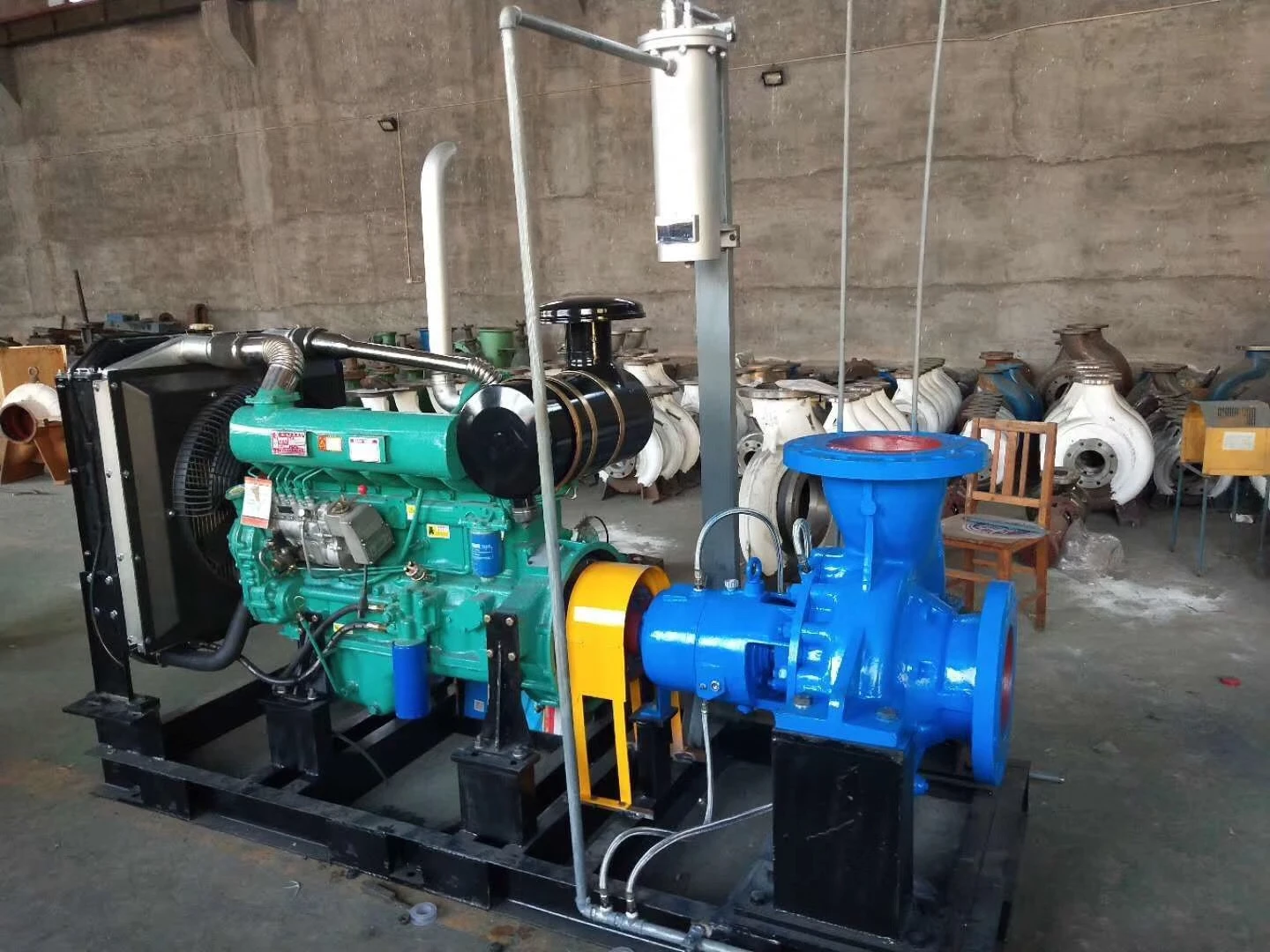
Introduction
Slurry pumping represents a critical operation across numerous industries, including mining, wastewater treatment, chemical processing, and power generation. Comprehensive solutions for slurry pumping and ... address the inherent challenges of transporting abrasive, corrosive, and high-solids-content fluids efficiently and reliably. These solutions encompass pump selection, system design, materials of construction, and operational protocols. The core performance metrics revolve around wear resistance, volumetric efficiency, energy consumption, and overall system uptime. A significant pain point within the industry is premature pump failure due to inadequate material selection or improper system design leading to substantial operational downtime and maintenance costs. Effective slurry handling requires a thorough understanding of the slurry’s properties and their impact on pump performance and longevity. This guide provides an in-depth examination of these factors, offering a technical framework for selecting and implementing robust slurry pumping systems.
Material Science & Manufacturing
The effective transport of slurries hinges on the material science underpinning pump construction and pipeline integrity. Common pump materials include high-chrome cast irons, stainless steels (304, 316, duplex), ceramics (alumina, silicon carbide), and various elastomer linings (natural rubber, synthetic rubber). High-chrome cast irons offer excellent abrasion resistance, particularly suitable for handling mineral slurries. Stainless steels provide superior corrosion resistance, essential for chemically aggressive fluids. Ceramics deliver exceptional hardness and chemical inertness but are brittle and require careful handling. Elastomer linings offer impact protection and can dampen noise, but their chemical resistance varies considerably. Manufacturing processes significantly impact material properties. Centrifugal pump casings are typically manufactured using sand casting, investment casting, or centrifugal casting. Impeller construction utilizes similar casting techniques, often followed by machining and balancing. Welding processes, such as shielded metal arc welding (SMAW) and gas tungsten arc welding (GTAW), are crucial for joining components. Control of heat input during welding is paramount to prevent distortion and maintain material properties. Rubber linings are applied through vulcanization, requiring precise temperature and pressure control to ensure proper adhesion and a uniform coating thickness. The microstructure of cast irons, specifically the volume fraction and morphology of carbides, dictates their abrasion resistance. Heat treatment processes, such as annealing and hardening, are employed to optimize these characteristics. Pipeline materials are often carbon steel with internal linings to resist abrasion and corrosion. Manufacturing tolerances and surface finish are critical parameters affecting slurry flow and minimizing erosion.
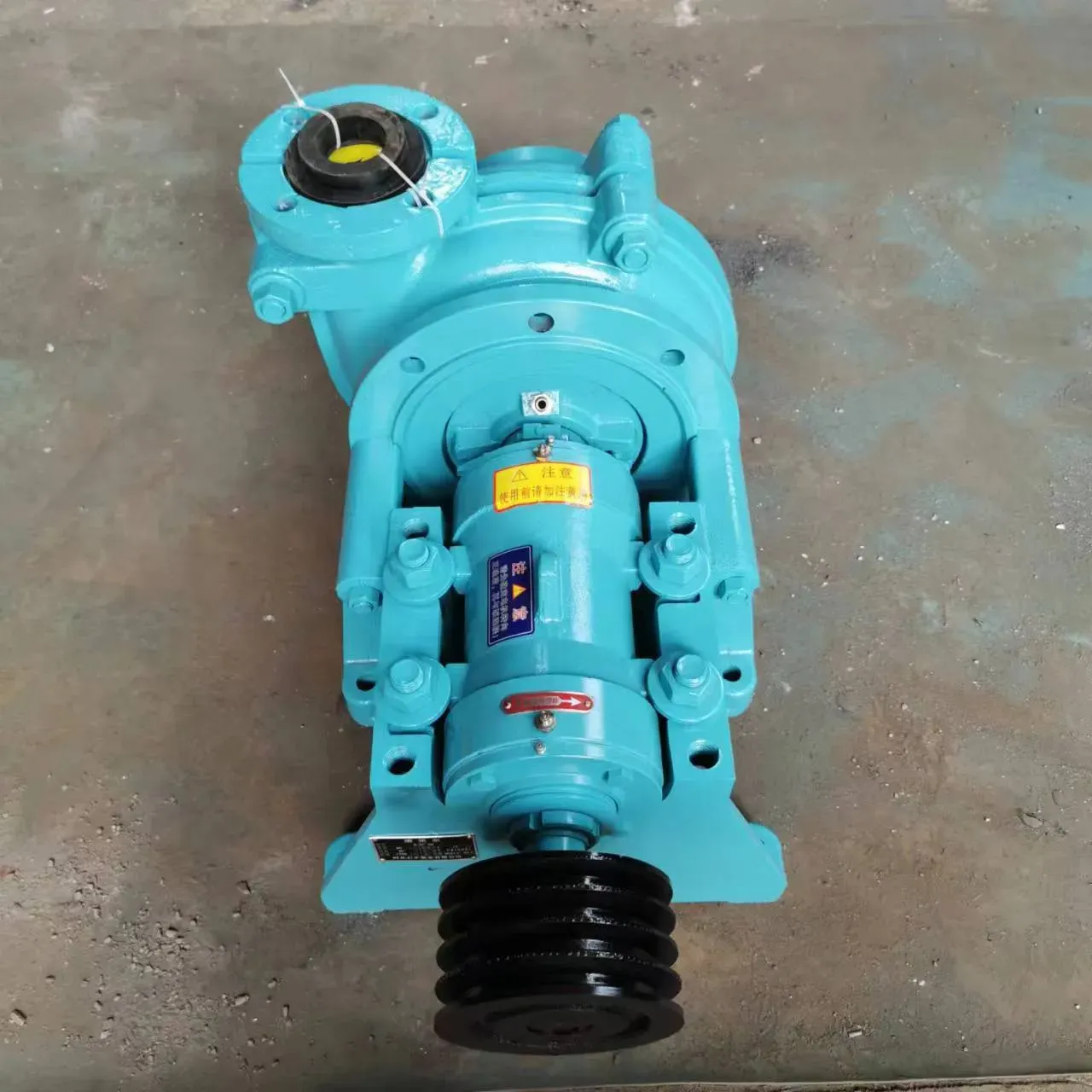
Performance & Engineering
Slurry pump performance is dictated by hydraulic design, rotational speed, impeller geometry, and slurry characteristics. Force analysis involves understanding the impact forces exerted by solid particles on the impeller and casing, contributing to wear. The pump's head-capacity curve defines its operational range. Environmental resistance is crucial; factors like temperature, humidity, and exposure to UV radiation can degrade materials. Compliance requirements vary by region, covering aspects such as energy efficiency (IE standards), safety (ATEX for potentially explosive atmospheres), and environmental protection (discharge limits). Functional implementation requires careful consideration of Net Positive Suction Head (NPSH) to prevent cavitation, which can severely damage the impeller. Cavitation occurs when the absolute pressure at the pump inlet falls below the vapor pressure of the slurry, forming vapor bubbles that collapse violently, eroding the metal surface. The slurry's rheological properties (viscosity, yield stress, thixotropy) also significantly influence pump performance. High-viscosity slurries require more power to pump and can lead to increased wear. Pipe diameter and layout impact flow velocity and pressure drop. Reducing flow velocity minimizes abrasion but can also lead to solids settling. System design must balance these competing factors. Proper valve selection (ball valves, gate valves, butterfly valves) is essential for controlling flow and preventing backflow. Strainers and separators are often used to remove large particles and protect the pump from damage. The selection of the pump type—centrifugal, positive displacement, or peristaltic—depends on the specific slurry characteristics and application requirements.
Technical Specifications
| Pump Type | Maximum Solid Concentration (% by weight) | Maximum Particle Size (mm) | Maximum Discharge Pressure (bar) | Flow Rate Range (m³/hr) | Material of Construction (Casing) |
|---|---|---|---|---|---|
| Centrifugal (End-Suction) | 40 | 25 | 6 | 0-200 | High-Chrome Cast Iron |
| Centrifugal (Slurry Specific) | 60 | 75 | 10 | 50-500 | Stainless Steel (316) with Rubber Lining |
| Positive Displacement (Diaphragm) | 70 | 50 | 15 | 0-50 | Polypropylene |
| Positive Displacement (Progressive Cavity) | 80 | 100 | 20 | 10-100 | Stainless Steel (Duplex) with Elastomer Stator |
| Peristaltic | 50 | 20 | 2 | 0-30 | Natural Rubber |
| Vertical Cantilever | 50 | 30 | 8 | 20-300 | High-Chrome Cast Iron/Rubber Lined |
Failure Mode & Maintenance
Slurry pump failures are commonly attributed to abrasive wear, corrosive attack, erosion, cavitation, and mechanical fatigue. Abrasive wear occurs due to the impact of solid particles on pump components, particularly the impeller and casing. Corrosion results from chemical reactions between the slurry and the pump materials. Erosion is a combined effect of abrasion and corrosion. Cavitation, as previously discussed, causes significant damage. Fatigue cracking can occur in rotating components due to cyclic stress. Failure analysis often involves metallurgical examination of failed parts to identify the root cause. Regular maintenance is critical to prevent failures. This includes visual inspections for wear, lubrication of bearings, monitoring of vibration levels, and replacement of worn parts. Preventive maintenance schedules should be tailored to the specific slurry characteristics and operating conditions. Impeller wear can be mitigated by using wear plates and coatings. Casing wear can be reduced by applying rubber linings or hardfacing. Proper pump alignment is crucial to prevent bearing failure and shaft misalignment. Regular monitoring of pump performance parameters (flow rate, pressure, power consumption) can detect early signs of deterioration. Leak detection is essential to prevent environmental contamination and maintain system efficiency. Consideration should be given to implementing a condition monitoring program utilizing vibration analysis, oil analysis, and thermal imaging to proactively identify potential problems before they lead to catastrophic failures. Detailed record-keeping of maintenance activities and failure events is vital for continuous improvement.
Industry FAQ
Q: What are the primary factors to consider when selecting a pump for a highly abrasive slurry?
A: The primary factors include the slurry’s particle size distribution, concentration of solids, particle shape, hardness, and chemical composition. The pump material must exhibit high abrasion resistance, typically high-chrome cast iron or ceramic components. Impeller design is also critical, with designs that minimize impact forces and promote efficient solids transport. Consider a pump with replaceable wear parts to extend its service life.
Q: How does slurry viscosity impact pump performance and what strategies can be employed to address high-viscosity slurries?
A: Increased slurry viscosity leads to higher friction losses, reduced flow rates, and increased power consumption. Positive displacement pumps, such as progressive cavity pumps, are often more suitable for high-viscosity slurries. Alternatively, using a centrifugal pump with a larger impeller diameter and slower rotational speed can help overcome viscosity effects. Heating the slurry can also reduce viscosity, but this may not always be feasible or desirable.
Q: What is the significance of NPSH and how can it be ensured in a slurry pumping system?
A: NPSH (Net Positive Suction Head) is the absolute pressure at the pump inlet minus the slurry’s vapor pressure. Insufficient NPSH leads to cavitation, causing impeller damage. To ensure adequate NPSH, minimize suction lift, maximize tank height, reduce friction losses in the suction piping, and consider using a booster pump if necessary.
Q: What are the best practices for mitigating corrosion in slurry pumping systems?
A: Select pump materials that are resistant to the corrosive components of the slurry. Stainless steels, ceramics, and specialized alloys are often employed. Apply corrosion-resistant coatings to pump components. Consider using a sacrificial anode to protect the pump from galvanic corrosion. Maintain proper pH control in the slurry to minimize corrosion rates. Implement regular inspections to detect early signs of corrosion.
Q: How can predictive maintenance techniques be used to improve the reliability of slurry pumps?
A: Predictive maintenance techniques, such as vibration analysis, oil analysis, and thermal imaging, can detect early signs of wear and potential failures. Vibration analysis can identify imbalances, misalignment, and bearing defects. Oil analysis can reveal the presence of wear particles and contaminants. Thermal imaging can detect overheating components. Implementing a condition monitoring program based on these techniques can significantly reduce unplanned downtime and maintenance costs.
Conclusion
Comprehensive solutions for slurry pumping and ... necessitate a holistic approach encompassing material selection, pump design, system engineering, and proactive maintenance. Understanding the intricate interplay between slurry properties, pump performance, and potential failure modes is paramount to achieving reliable and efficient operation. Optimizing these elements minimizes downtime, reduces operational costs, and extends the service life of critical pumping assets.
Future advancements in slurry pumping technology will likely focus on developing more wear-resistant materials, improving hydraulic efficiency, and integrating advanced sensor technologies for real-time monitoring and control. The increasing emphasis on sustainability will also drive the development of energy-efficient pumping systems and environmentally friendly slurry handling practices. Careful consideration of these evolving trends is essential for staying at the forefront of slurry pumping innovation.
-
Precision at the Pump: How Better Machining Protects Flow and Uptime
News2026-11-20
-
Why Pump Reliability Begins Before the First Drop of Fluid
News2026-11-20
-
Beyond the Pump: Designing Safer Access Around Critical Water Infrastructure
News2026-11-20
-
Why Pumping Stations Depend on the Infrastructure Beneath the Pumps
News2026-11-20
-
Beyond the Pump Room: How Smarter Loading Protects Industrial Equipment
News2026-11-19
-
When Pumps Stop: Designing More Resilient Power for Critical Pumping Systems
News2026-11-19
-
The Hidden Role of Dust and Gas Monitoring in Reliable Pump Operations
News2026-11-19
-
The Hidden Role of Mineral Compounds in Extending Industrial Pump Lifespan
News2026-10-12
-
Why Pump System Reliability Depends on Precision Hose Assembly Methods
News2026-09-15
-
How Advanced Imaging Films Are Transforming Pump Component Quality Control
News2026-08-25
-
How Advanced Filtration Protects Pump Systems from Premature Wear and Costly Downtime
News2026-08-25
-
How Steel Material Selection Drives Pump Reliability in Heavy-Duty Systems
News2026-08-25
-
Ensuring Pump System Efficiency: The Role of High-Quality Pipe Fittings and Tubing
News2026-08-24
-
Optimizing Fluid Dynamics and Material Consistency in Industrial Processing
News2026-08-18
-
Innovations and Challenges in Hydraulic Systems for Heavy Machinery
News2026-08-13




