English
- Afrikaans
- Albanian
- Amharic
- Arabic
- Armenian
- Azerbaijani
- Basque
- Belarusian
- Bengali
- Bosnian
- Bulgarian
- Catalan
- Cebuano
- Corsican
- Croatian
- Czech
- Danish
- Dutch
- English
- Esperanto
- Estonian
- Finnish
- French
- Frisian
- Galician
- Georgian
- German
- Greek
- Gujarati
- Haitian Creole
- hausa
- hawaiian
- Hebrew
- Hindi
- Miao
- Hungarian
- Icelandic
- igbo
- Indonesian
- irish
- Italian
- Japanese
- Javanese
- Kannada
- kazakh
- Khmer
- Rwandese
- Korean
- Kurdish
- Kyrgyz
- Lao
- Latin
- Latvian
- Lithuanian
- Luxembourgish
- Macedonian
- Malgashi
- Malay
- Malayalam
- Maltese
- Maori
- Marathi
- Mongolian
- Myanmar
- Nepali
- Norwegian
- Norwegian
- Occitan
- Pashto
- Persian
- Polish
- Portuguese
- Punjabi
- Romanian
- Russian
- Samoan
- Scottish Gaelic
- Serbian
- Sesotho
- Shona
- Sindhi
- Sinhala
- Slovak
- Slovenian
- Somali
- Spanish
- Sundanese
- Swahili
- Swedish
- Tagalog
- Tajik
- Tamil
- Tatar
- Telugu
- Thai
- Turkish
- Turkmen
- Ukrainian
- Urdu
- Uighur
- Uzbek
- Vietnamese
- Welsh
- Bantu
- Yiddish
- Yoruba
- Zulu

Telephone: +86 13120555503
Email: frank@cypump.com


Apr . 01, 2024 17:55 Back to list
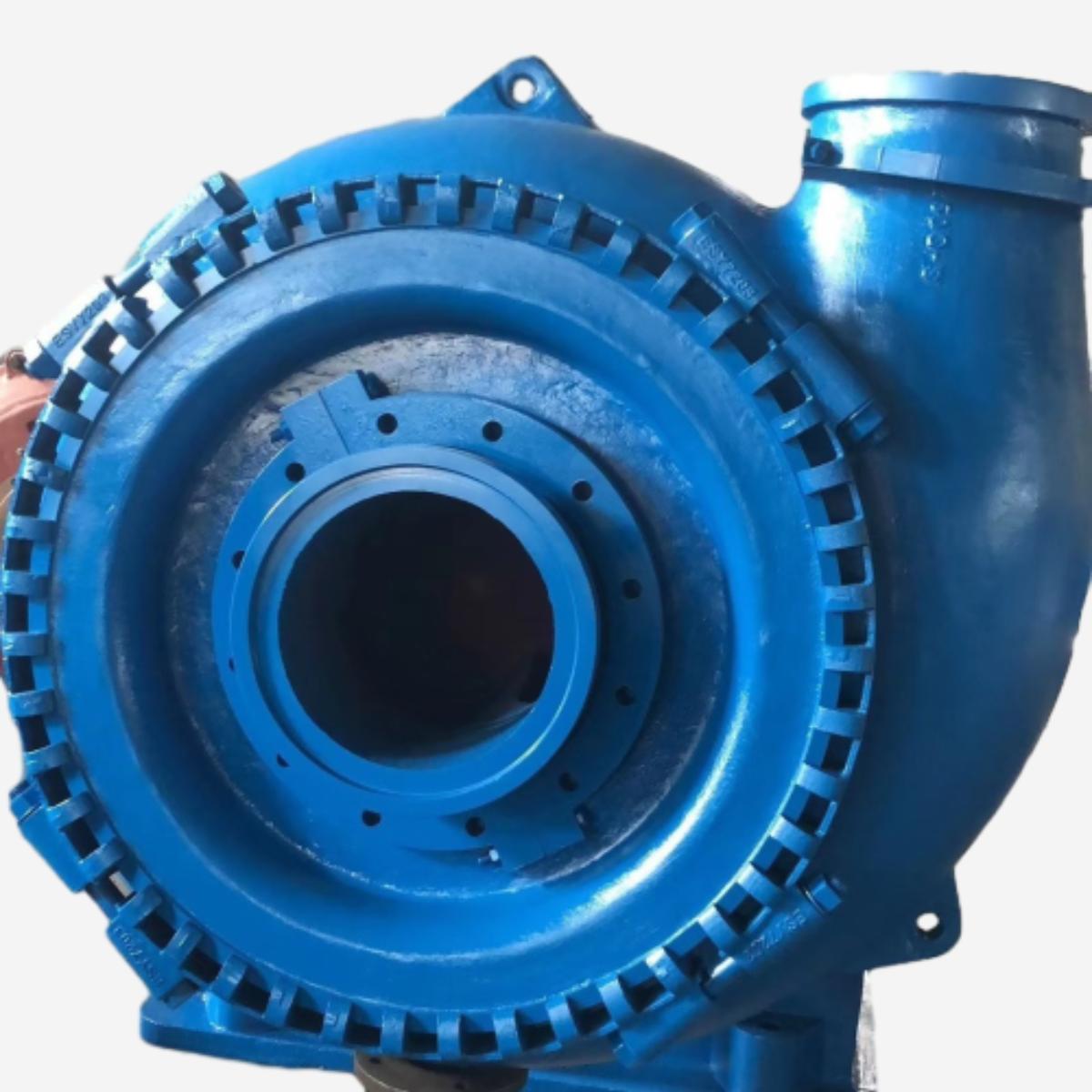
Slurry Pump similar schematic of a slurry pump for industrial applications in Performance Analysis
Introduction
Slurry pumps are critical components in numerous industrial processes, designed to transport abrasive and erosive mixtures of solids and liquids. This technical guide provides an in-depth examination of slurry pump technology, encompassing material science, manufacturing processes, performance characteristics, failure modes, and maintenance procedures. Slurry pumps differ significantly from centrifugal pumps used for clean fluids, requiring specialized designs to handle the increased wear and tear. Key industries utilizing slurry pumps include mining, wastewater treatment, chemical processing, and power generation. The efficiency and reliability of a slurry pump directly impact operational costs and process uptime. Core performance metrics include flow rate, head, solids handling capability, and pump efficiency, all heavily influenced by impeller design, material selection, and operational parameters.
Material Science & Manufacturing
The construction of slurry pumps necessitates materials capable of resisting abrasion, corrosion, and erosion. Common materials include high-chromium cast irons (typically 27-30% Cr) for casings and impellers, offering excellent wear resistance. For highly abrasive slurries or corrosive environments, stainless steels (304, 316, duplex stainless steels) and specialized alloys like Hastelloy are employed. Rubber linings, often vulcanized natural rubber or synthetic elastomers, are utilized to protect pump casings from impact and abrasion. The manufacturing process typically begins with sand casting for larger components like casings. Impellers are often manufactured via investment casting for higher precision and complex geometries. Welding is a crucial joining process, requiring qualified welders and stringent quality control to ensure structural integrity. Post-weld heat treatment is often performed to relieve residual stresses. Shafts are typically forged from alloy steel and machined to tight tolerances. A critical parameter is the hardness of the wear-resistant materials, measured using Rockwell C or Vickers hardness scales. Surface treatments, such as hardfacing with tungsten carbide, can further enhance wear resistance in localized areas. Proper material selection is dictated by the slurry’s particle size, concentration, velocity, and chemical composition. Incorrect material selection is a primary cause of premature pump failure.
Performance & Engineering
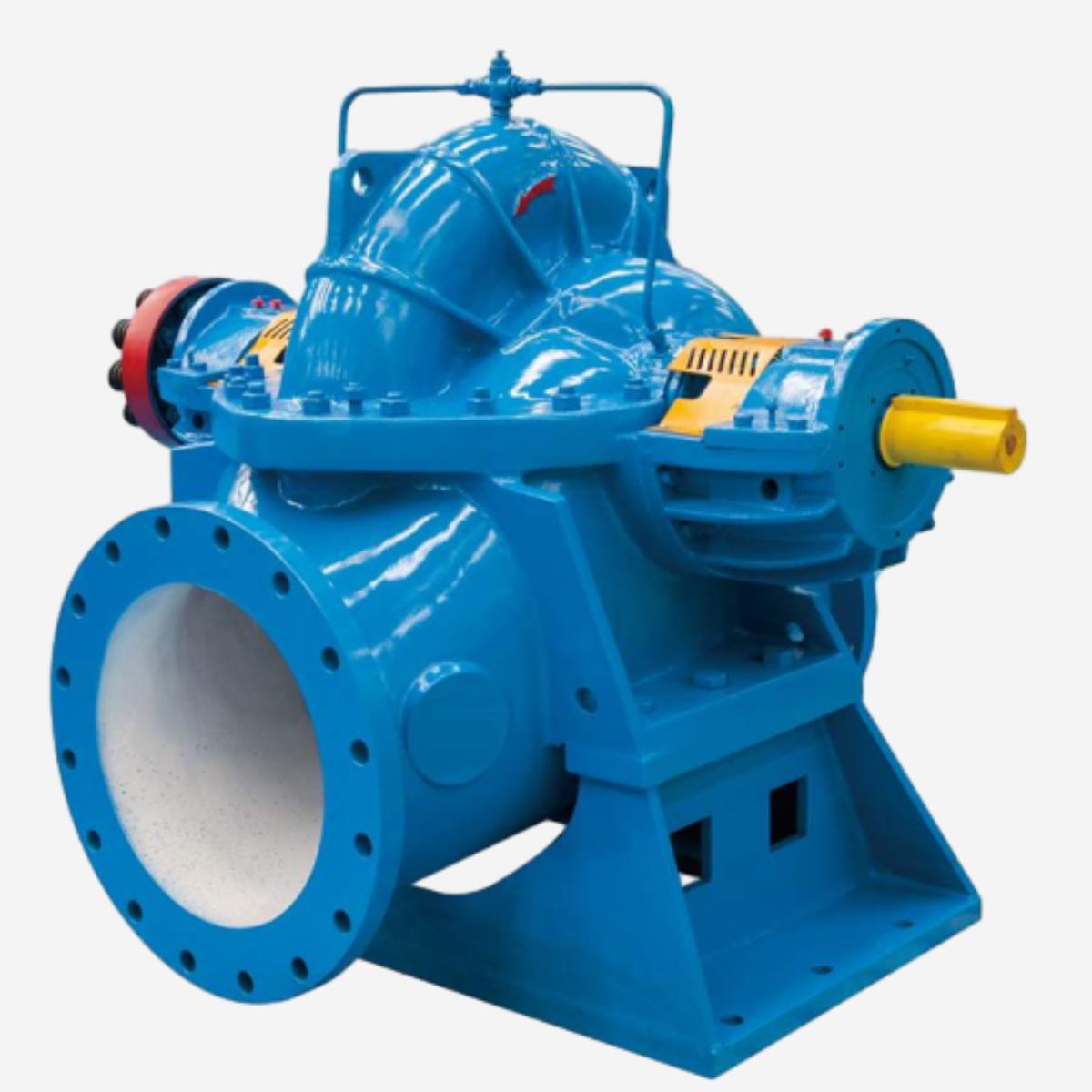
Slurry pump performance is governed by hydraulic principles combined with the unique challenges posed by solid-liquid mixtures. The pump’s head-capacity curve is significantly affected by the slurry’s solids concentration and particle size distribution. Increased solids concentration leads to a reduction in pump efficiency and an increase in power consumption. The impeller design is critical; open impellers are preferred for handling large solids and preventing clogging, while closed impellers offer higher efficiency for lower solids content. Force analysis involves evaluating the impact forces exerted by the solids on the impeller and casing, as well as the centrifugal forces generated by the rotating impeller. Cavitation is a significant concern, particularly when handling gases or volatile liquids within the slurry. Proper Net Positive Suction Head Required (NPSHr) calculations are essential to prevent cavitation damage. Environmental resistance considerations include temperature extremes, exposure to corrosive chemicals, and the potential for atmospheric corrosion. Compliance requirements often dictate specific material certifications (e.g., ASME, PED) and safety standards. The pump’s suction and discharge piping must be designed to minimize pressure drops and prevent sedimentation. Pump selection should incorporate a safety factor to account for variations in slurry characteristics and operating conditions.
Technical Specifications
| Parameter | Unit | Typical Range (Small Pump) | Typical Range (Large Pump) |
|---|---|---|---|
| Flow Rate | m³/h | 5 - 50 | 200 - 1000+ |
| Total Head | m | 10 - 30 | 50 - 200+ |
| Solids Handling Size | mm | Up to 25 | Up to 150 |
| Solids Concentration (by weight) | % | 5 - 20 | 20 - 60 |
| Pump Efficiency | % | 50 - 70 | 60 - 80 |
| Power Consumption | kW | 1.5 - 7.5 | 30 - 200+ |
Failure Mode & Maintenance
Slurry pumps are susceptible to various failure modes. Abrasion is the most common, leading to impeller wear and casing erosion. Erosion, caused by high-velocity particles, can damage the impeller vanes and volute. Corrosion occurs when the slurry contains corrosive chemicals. Fatigue cracking can develop in the shaft or casing due to cyclic loading. Cavitation damage manifests as pitting on the impeller surface. Delamination of rubber linings can occur due to bond failure. Oxidation can affect metallic components, particularly at elevated temperatures. Failure analysis typically involves visual inspection, non-destructive testing (NDT) methods like ultrasonic testing and radiography, and metallurgical analysis. Preventive maintenance is crucial and includes regular inspection of wear parts, lubrication of bearings, and alignment checks. Impeller replacement is a common maintenance task. Casing repairs often involve welding and rubber lining replacement. Proper pump alignment is essential to minimize bearing wear. Regular monitoring of pump performance parameters, such as flow rate, head, and power consumption, can help detect early signs of degradation. Implementing a condition monitoring program utilizing vibration analysis and oil analysis can further enhance predictive maintenance capabilities.
Industry FAQ
Q: What is the primary difference between a centrifugal pump and a slurry pump regarding impeller design?
A: Centrifugal pumps typically utilize closed impellers for maximizing efficiency with clean fluids. Slurry pumps, however, often employ open or semi-open impellers to accommodate large solids and minimize the risk of clogging. Open impellers sacrifice some efficiency but significantly improve solids handling capability.
Q: How does slurry composition affect pump selection?
A: Slurry composition dictates material selection. High abrasive content necessitates wear-resistant materials like high-chromium cast iron or ceramic linings. Corrosive slurries require stainless steels or specialized alloys. The particle size distribution and solids concentration also influence impeller design and pump capacity.
Q: What are the consequences of operating a slurry pump outside its recommended NPSHr?
A: Operating outside the recommended NPSHr can lead to cavitation, which causes pitting and erosion of the impeller, reducing pump performance and ultimately leading to failure. Proper suction piping design and maintaining adequate inlet pressure are critical.
Q: What are the key indicators of impeller wear in a slurry pump?
A: Key indicators include a decrease in pump head and flow rate, an increase in power consumption, and elevated vibration levels. Visual inspection during maintenance will reveal wear patterns on the impeller vanes.
Q: How often should rubber linings be inspected and replaced?
A: Inspection frequency depends on the slurry’s abrasiveness and flow velocity. Typically, rubber linings should be inspected annually, with replacement recommended when significant wear or delamination is observed. Regular monitoring can help predict replacement intervals.
Conclusion
Slurry pump technology represents a complex intersection of material science, hydraulic engineering, and mechanical design. Selecting the appropriate pump for a specific application requires a thorough understanding of the slurry’s characteristics, operational parameters, and potential failure modes. Optimizing pump performance and extending service life necessitates careful material selection, proper installation, and a robust preventative maintenance program.
The continued development of advanced materials and innovative impeller designs promises to further enhance the efficiency and reliability of slurry pumps. Future trends include the integration of condition monitoring systems, the implementation of predictive maintenance algorithms, and the adoption of more sustainable and environmentally friendly materials.
-
Precision at the Pump: How Better Machining Protects Flow and Uptime
News2026-11-20
-
Why Pump Reliability Begins Before the First Drop of Fluid
News2026-11-20
-
Beyond the Pump: Designing Safer Access Around Critical Water Infrastructure
News2026-11-20
-
Why Pumping Stations Depend on the Infrastructure Beneath the Pumps
News2026-11-20
-
Beyond the Pump Room: How Smarter Loading Protects Industrial Equipment
News2026-11-19
-
When Pumps Stop: Designing More Resilient Power for Critical Pumping Systems
News2026-11-19
-
The Hidden Role of Dust and Gas Monitoring in Reliable Pump Operations
News2026-11-19
-
The Hidden Role of Mineral Compounds in Extending Industrial Pump Lifespan
News2026-10-12
-
Why Pump System Reliability Depends on Precision Hose Assembly Methods
News2026-09-15
-
How Advanced Imaging Films Are Transforming Pump Component Quality Control
News2026-08-25
-
How Advanced Filtration Protects Pump Systems from Premature Wear and Costly Downtime
News2026-08-25
-
How Steel Material Selection Drives Pump Reliability in Heavy-Duty Systems
News2026-08-25
-
Ensuring Pump System Efficiency: The Role of High-Quality Pipe Fittings and Tubing
News2026-08-24
-
Optimizing Fluid Dynamics and Material Consistency in Industrial Processing
News2026-08-18
-
Innovations and Challenges in Hydraulic Systems for Heavy Machinery
News2026-08-13




