English
- Afrikaans
- Albanian
- Amharic
- Arabic
- Armenian
- Azerbaijani
- Basque
- Belarusian
- Bengali
- Bosnian
- Bulgarian
- Catalan
- Cebuano
- Corsican
- Croatian
- Czech
- Danish
- Dutch
- English
- Esperanto
- Estonian
- Finnish
- French
- Frisian
- Galician
- Georgian
- German
- Greek
- Gujarati
- Haitian Creole
- hausa
- hawaiian
- Hebrew
- Hindi
- Miao
- Hungarian
- Icelandic
- igbo
- Indonesian
- irish
- Italian
- Japanese
- Javanese
- Kannada
- kazakh
- Khmer
- Rwandese
- Korean
- Kurdish
- Kyrgyz
- Lao
- Latin
- Latvian
- Lithuanian
- Luxembourgish
- Macedonian
- Malgashi
- Malay
- Malayalam
- Maltese
- Maori
- Marathi
- Mongolian
- Myanmar
- Nepali
- Norwegian
- Norwegian
- Occitan
- Pashto
- Persian
- Polish
- Portuguese
- Punjabi
- Romanian
- Russian
- Samoan
- Scottish Gaelic
- Serbian
- Sesotho
- Shona
- Sindhi
- Sinhala
- Slovak
- Slovenian
- Somali
- Spanish
- Sundanese
- Swahili
- Swedish
- Tagalog
- Tajik
- Tamil
- Tatar
- Telugu
- Thai
- Turkish
- Turkmen
- Ukrainian
- Urdu
- Uighur
- Uzbek
- Vietnamese
- Welsh
- Bantu
- Yiddish
- Yoruba
- Zulu

Telephone: +86 13120555503
Email: frank@cypump.com


Apr . 01, 2024 17:55 Back to list
Slurry Pump price of slurry pump in kerala how much does it cost? Performance Analysis
Introduction
Slurry pumps are critical components in numerous industrial processes across Kerala and beyond, responsible for the transport of abrasive or corrosive materials. Determining the appropriate slurry pump and associated costs necessitates a detailed understanding of application specifics, material construction, and operational requirements. The price of a slurry pump in Kerala is heavily influenced by pump type (centrifugal, positive displacement), materials of construction (cast iron, stainless steel, high chrome alloys), motor power, flow rate, head requirements, and the manufacturer’s reputation. This technical guide provides a comprehensive overview of slurry pump technology, material considerations, performance characteristics, potential failure modes, maintenance protocols, and a detailed cost analysis applicable to the Kerala industrial landscape. Understanding these factors is paramount for informed procurement decisions and minimizing total cost of ownership. The market in Kerala is particularly sensitive to the cost-effectiveness and durability of these pumps due to the prevalence of industries like mineral processing, construction, and wastewater treatment.
Material Science & Manufacturing
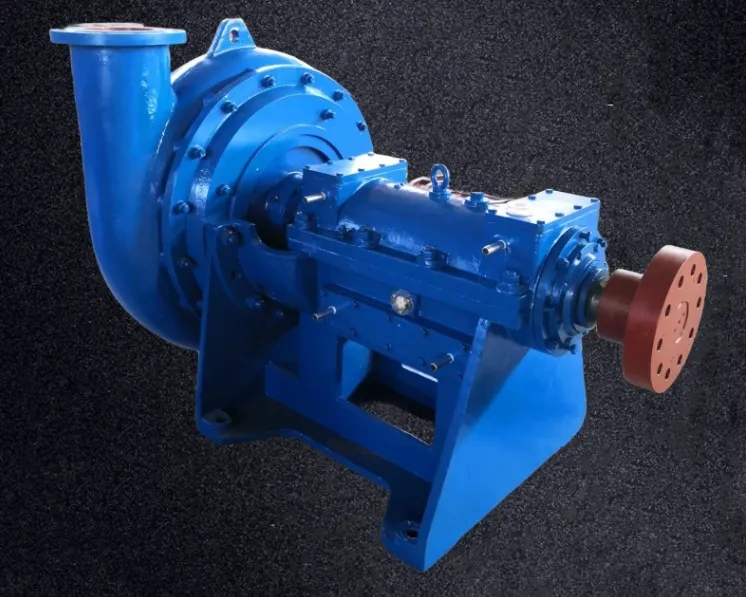
The performance and longevity of a slurry pump are fundamentally dictated by the materials used in its construction. Pump casings are commonly manufactured from cast iron (ASTM A48 Class 30), offering cost-effectiveness and reasonable wear resistance for less abrasive slurries. However, for highly abrasive applications, higher chrome iron alloys (typically 13-27% chromium) are employed to significantly enhance wear resistance, as the chromium carbides formed during the casting process provide exceptional hardness. Impellers, the rotating components responsible for generating flow, are also subject to intense wear. They are frequently constructed from high chrome iron, hardened stainless steel (316, 410), or specialized ceramic materials like alumina (Al2O3) or silicon carbide (SiC) for extreme conditions. Shafts are typically manufactured from high-strength alloy steels (AISI 4140, 4340) and undergo heat treatment to improve tensile strength and fatigue resistance. Seals are critical for preventing leakage and are commonly composed of elastomers like Viton, EPDM, or mechanical seals utilizing materials like silicon carbide faces. Manufacturing processes include casting, forging, machining, and welding. Welding procedures must adhere to standards like AWS D1.1 for structural steel or AWS D1.5 for groove welding of pipelines. Parameter control during casting, particularly cooling rates and alloy composition, is vital for achieving desired material properties. The impeller’s hydrodynamics are refined through computational fluid dynamics (CFD) analysis, ensuring optimal efficiency and minimal wear.
Performance & Engineering
Slurry pump performance is characterized by several key engineering parameters. Flow rate (typically measured in m³/hr or GPM), head (expressed in meters or feet), and pump efficiency are primary considerations. The pump’s performance curve, a graphical representation of head versus flow rate, is crucial for selecting a pump that matches the specific system requirements. Force analysis involves evaluating stresses on the impeller, shaft, and casing due to fluid dynamic forces and hydrostatic pressure. Finite Element Analysis (FEA) is often used to model these stresses and optimize component designs for maximum structural integrity. Environmental resistance is vital, particularly in the humid climate of Kerala. Pump materials must be resistant to corrosion from the conveyed slurry and protected from atmospheric corrosion. This often involves applying protective coatings like epoxy or polyurethane. Compliance requirements are governed by standards like ISO 5199 (centrifugal pumps) and API 610 (centrifugal pumps for petroleum, petrochemical and natural gas industries). The Net Positive Suction Head Required (NPSHr) is a critical parameter to prevent cavitation, which can cause significant damage to the impeller. Pump selection must ensure that the available NPSH (NPSHa) in the system is greater than the NPSHr. Proper pump alignment and foundation design are essential for minimizing vibration and extending pump life. Selection of the correct impeller geometry (radial, mixed flow, axial) depends on the slurry characteristics and required head and flow rates.
Technical Specifications
| Parameter | Centrifugal Slurry Pump (Cast Iron) | Centrifugal Slurry Pump (High Chrome Iron) | Positive Displacement Pump (Diaphragm) |
|---|---|---|---|
| Maximum Flow Rate (m³/hr) | 0-500 | 0-800 | 0-50 |
| Maximum Head (meters) | 0-60 | 0-80 | 0-100 |
| Slurry Concentration (%) | Up to 30 | Up to 70 | Up to 60 |
| Particle Size (mm) | Up to 50 | Up to 75 | Up to 25 |
| Materials of Construction (Casing) | Cast Iron (ASTM A48) | High Chrome Iron (15-27% Cr) | Polypropylene/PVDF |
| Materials of Construction (Impeller) | Cast Iron (ASTM A48) | High Chrome Iron (15-27% Cr) | Rubber-lined Cast Iron |
Failure Mode & Maintenance
Slurry pumps are susceptible to several failure modes. Abrasive wear is the most common, leading to impeller and casing erosion, reducing pump efficiency and flow rate. Cavitation, caused by low NPSHa, results in impeller damage and noise. Corrosion, particularly in acidic or alkaline slurries, degrades pump materials, leading to leaks and structural failure. Fatigue cracking can occur in the shaft or casing due to cyclical loading. Bearing failure is another frequent issue, often caused by inadequate lubrication or contamination. Delamination of rubber linings can occur due to poor adhesion or aggressive slurry attack. Oxidation of metal components, particularly in humid environments like Kerala, leads to weakening and corrosion. Maintenance strategies include regular inspections, lubrication of bearings, replacement of worn liners and impellers, and monitoring of pump performance parameters. Vibration analysis can detect early signs of bearing failure or impeller imbalance. Preventive maintenance schedules should be established based on pump operating hours and slurry characteristics. Impeller trimming can be used to adjust pump performance and reduce energy consumption. Proper sealing maintenance is critical for preventing leakage and ensuring environmental compliance. Regularly check for signs of wear, corrosion, and erosion.
Industry FAQ
Q: What is the typical lifespan of a high chrome iron slurry pump impeller in a Kerala mineral processing plant handling iron ore slurry?
A: The lifespan of a high chrome iron impeller in iron ore slurry applications varies significantly based on ore particle size, hardness, and slurry concentration. However, a typical lifespan ranges from 12 to 24 months, with frequent inspections and performance monitoring recommended to identify wear patterns and proactively schedule replacements.
Q: How does the cost of a positive displacement slurry pump compare to a centrifugal slurry pump for similar flow rate and head requirements?
A: Positive displacement pumps generally have a higher initial cost than centrifugal pumps for comparable performance. However, positive displacement pumps often offer better efficiency and are better suited for handling highly viscous or abrasive slurries, potentially reducing long-term operating costs and downtime.
Q: What are the key considerations when selecting a pump seal for a corrosive slurry in a chemical processing plant in Kerala?
A: Seal selection depends on the slurry’s chemical composition and concentration. Materials like Viton, EPDM, or PTFE are common choices, but compatibility should be verified with a chemical resistance chart. Mechanical seals with silicon carbide faces offer superior corrosion resistance but are more expensive. Double mechanical seals with a barrier fluid are recommended for highly toxic or hazardous slurries.
Q: What is the impact of improper pump alignment on slurry pump life and maintenance costs?
A: Improper pump alignment introduces significant stress on bearings, seals, and the pump shaft, leading to premature failure. Misalignment also increases vibration, accelerating wear on pump components and increasing energy consumption. Regular alignment checks using laser alignment tools are crucial for maximizing pump life and minimizing maintenance costs.
Q: What are the typical lead times for procuring a custom-engineered slurry pump for a specific application in Kerala?
A: Lead times for custom-engineered slurry pumps can vary from 8 to 20 weeks depending on the pump’s complexity, material availability, and manufacturer’s workload. It's crucial to provide detailed specifications and application requirements upfront to minimize lead times and ensure accurate pump design.
Conclusion
The selection and procurement of slurry pumps in Kerala require careful consideration of numerous technical and economic factors. Understanding the interplay between material science, manufacturing processes, performance characteristics, and potential failure modes is critical for ensuring optimal pump operation and minimizing total cost of ownership. Choosing the appropriate pump type, materials of construction, and maintenance strategy based on the specific slurry characteristics and application requirements is paramount. Prioritizing robust design, preventative maintenance, and adherence to relevant industry standards (ISO, ASTM) will contribute to extended pump life and reliable performance.
Future trends in slurry pump technology include the development of advanced materials with enhanced wear and corrosion resistance, the integration of smart sensors for predictive maintenance, and the application of CFD modeling for optimizing pump designs. Investing in these technologies will further improve slurry pump efficiency, reliability, and sustainability, contributing to reduced operational costs and environmental impact within the Kerala industrial sector.
-
Precision at the Pump: How Better Machining Protects Flow and Uptime
News2026-11-20
-
Why Pump Reliability Begins Before the First Drop of Fluid
News2026-11-20
-
Beyond the Pump: Designing Safer Access Around Critical Water Infrastructure
News2026-11-20
-
Why Pumping Stations Depend on the Infrastructure Beneath the Pumps
News2026-11-20
-
Beyond the Pump Room: How Smarter Loading Protects Industrial Equipment
News2026-11-19
-
When Pumps Stop: Designing More Resilient Power for Critical Pumping Systems
News2026-11-19
-
The Hidden Role of Dust and Gas Monitoring in Reliable Pump Operations
News2026-11-19
-
The Hidden Role of Mineral Compounds in Extending Industrial Pump Lifespan
News2026-10-12
-
Why Pump System Reliability Depends on Precision Hose Assembly Methods
News2026-09-15
-
How Advanced Imaging Films Are Transforming Pump Component Quality Control
News2026-08-25
-
How Advanced Filtration Protects Pump Systems from Premature Wear and Costly Downtime
News2026-08-25
-
How Steel Material Selection Drives Pump Reliability in Heavy-Duty Systems
News2026-08-25
-
Ensuring Pump System Efficiency: The Role of High-Quality Pipe Fittings and Tubing
News2026-08-24
-
Optimizing Fluid Dynamics and Material Consistency in Industrial Processing
News2026-08-18
-
Innovations and Challenges in Hydraulic Systems for Heavy Machinery
News2026-08-13




