English
- Afrikaans
- Albanian
- Amharic
- Arabic
- Armenian
- Azerbaijani
- Basque
- Belarusian
- Bengali
- Bosnian
- Bulgarian
- Catalan
- Cebuano
- Corsican
- Croatian
- Czech
- Danish
- Dutch
- English
- Esperanto
- Estonian
- Finnish
- French
- Frisian
- Galician
- Georgian
- German
- Greek
- Gujarati
- Haitian Creole
- hausa
- hawaiian
- Hebrew
- Hindi
- Miao
- Hungarian
- Icelandic
- igbo
- Indonesian
- irish
- Italian
- Japanese
- Javanese
- Kannada
- kazakh
- Khmer
- Rwandese
- Korean
- Kurdish
- Kyrgyz
- Lao
- Latin
- Latvian
- Lithuanian
- Luxembourgish
- Macedonian
- Malgashi
- Malay
- Malayalam
- Maltese
- Maori
- Marathi
- Mongolian
- Myanmar
- Nepali
- Norwegian
- Norwegian
- Occitan
- Pashto
- Persian
- Polish
- Portuguese
- Punjabi
- Romanian
- Russian
- Samoan
- Scottish Gaelic
- Serbian
- Sesotho
- Shona
- Sindhi
- Sinhala
- Slovak
- Slovenian
- Somali
- Spanish
- Sundanese
- Swahili
- Swedish
- Tagalog
- Tajik
- Tamil
- Tatar
- Telugu
- Thai
- Turkish
- Turkmen
- Ukrainian
- Urdu
- Uighur
- Uzbek
- Vietnamese
- Welsh
- Bantu
- Yiddish
- Yoruba
- Zulu

Telephone: +86 13120555503
Email: frank@cypump.com


Apr . 01, 2024 17:55 Back to list
Slurry Pump Market in Indonesia Insights Trends and Performance Analysis
Introduction
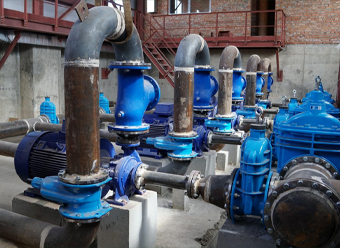
Slurry pumps are engineered to transport abrasive and corrosive mixtures, commonly found in mining, wastewater treatment, and industrial processing. The Indonesian market for slurry pumps is experiencing significant growth, driven by expansion in the mining sector (coal, nickel, tin) and increased investment in infrastructure projects requiring efficient solids handling. This technical guide provides an in-depth examination of slurry pump technology, material science considerations crucial for the Indonesian operating environment, performance characteristics, failure modes, and relevant industry standards. Core challenges in Indonesia stem from handling highly abrasive slurries with variable solids content, coupled with the need for robust, reliable pumps capable of operating in humid, corrosive coastal environments. A key differentiator is pump selection based on total cost of ownership, factoring in energy efficiency, maintenance schedules, and component lifespan. This guide will focus on centrifugal slurry pumps, the most prevalent type in the Indonesian market, with specific attention to construction, hydraulic design and wear resistance.
Material Science & Manufacturing
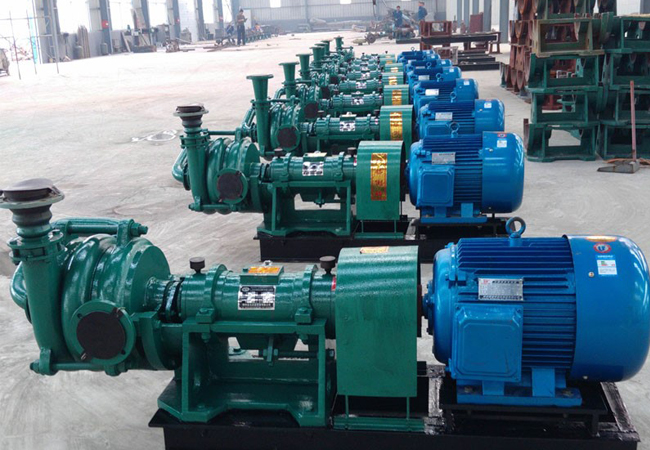
Slurry pump construction relies heavily on material selection to resist erosion, corrosion, and impact. Common materials include high-chrome cast iron (typically 27-30% chromium content) for impellers and liners, offering excellent abrasion resistance for handling hard particles. Casing materials range from ductile iron to specialized alloys like duplex stainless steel (e.g., 2205, 2507) for corrosive applications. The manufacturing process begins with pattern making for castings, followed by sand casting, heat treatment to achieve desired hardness, and machining to precise tolerances. Impeller casting employs ceramic core technology to create complex geometries ensuring optimal hydraulic performance. Liners are often rubber-lined to dampen noise and provide additional protection against erosion. Welding procedures, particularly for casing construction, require qualified welders and stringent quality control (radiographic inspection, liquid penetrant testing) to prevent defects that could lead to failure. The Indonesian context necessitates consideration of materials with increased resistance to saltwater corrosion, prevalent in coastal mining operations. Surface hardening techniques, like tungsten carbide coating, are frequently applied to high-wear areas like impeller vanes and pump casings, increasing operational life. Material traceability is critical, with documentation required for each component’s alloy composition and manufacturing process.
Performance & Engineering
Slurry pump performance is dictated by hydraulic design and operational parameters. Key performance indicators (KPIs) include flow rate (m³/hr), head (meters), and pump efficiency (%). The pump’s hydraulic power is determined by the slurry density, particle size distribution, and flow velocity. Force analysis focuses on minimizing stress concentrations on impeller vanes and casing walls due to particle impact. Cavitation, a common issue, occurs when pressure drops below the vapor pressure of the slurry, forming bubbles that implode and erode pump components. Net Positive Suction Head Required (NPSHr) calculations are essential to prevent cavitation, ensuring adequate suction pressure. Environmental resistance, particularly corrosion from acidic or alkaline slurries, is addressed through material selection and protective coatings. Compliance requirements in Indonesia include adherence to Ministry of Environment and Forestry regulations regarding wastewater discharge and noise emissions. Pump selection necessitates a thorough understanding of the slurry’s rheological properties (viscosity, solids concentration) and abrasiveness (Hardness number – H value). Proper impeller design, considering vane angles and diffuser geometry, maximizes hydraulic efficiency and minimizes wear. Variable Frequency Drives (VFDs) are increasingly used to control pump speed and flow rate, optimizing energy consumption and reducing mechanical stress.
Technical Specifications
| Parameter | Units | Typical Range (Centrifugal Slurry Pump) | Indonesian Mining Application (Nickel Slurry) |
|---|---|---|---|
| Flow Rate | m³/hr | 10 – 1000 | 200 – 600 |
| Head | m | 5 – 80 | 30 – 50 |
| Pump Efficiency | % | 60 – 85 | 70 – 80 |
| Slurry Density | kg/m³ | 1000 – 2000 | 1400 - 1800 |
| Particle Size (D80) | mm | 0.1 – 100 | 0.5 – 25 |
| Casing Material | - | Ductile Iron, High-Chrome Iron, Duplex Stainless Steel | Duplex Stainless Steel (2205) |
Failure Mode & Maintenance
Slurry pump failures commonly stem from abrasive wear, corrosion, and mechanical fatigue. Erosion of impeller vanes and casing liners is a primary concern, accelerated by high solids concentrations and large particle sizes. Corrosion, particularly in saltwater environments, degrades pump components, reducing their structural integrity. Fatigue cracking can occur in the pump shaft or casing due to cyclic loading and stress concentrations. Delamination of rubber liners can reduce their protective capacity. Oxidation of metal components contributes to material degradation over time. Preventative maintenance is crucial, including regular inspections for wear, lubrication of bearings, and replacement of worn components. Vibration analysis can detect early signs of bearing failure or impeller imbalance. Impeller trim adjustments can optimize performance as liners wear. Proper shaft alignment is essential to minimize bearing loads and prevent premature failure. Filtration systems upstream of the pump reduce abrasive particle size, extending pump life. Corrosion monitoring and cathodic protection (for seawater applications) mitigate corrosive attack. Detailed maintenance logs are essential for tracking pump performance and identifying recurring failure patterns. Periodic non-destructive testing (NDT) like ultrasonic thickness testing can reveal corrosion-induced material loss.
Industry FAQ
Q: What is the impact of varying solids concentration on slurry pump selection?
A: Solids concentration significantly affects pump performance and wear rates. Higher concentrations increase slurry density and viscosity, requiring more powerful pumps and potentially leading to increased abrasion. Pump selection must consider the maximum solids concentration expected and ensure the pump is capable of handling it without clogging or excessive wear. Impeller design is also crucial – open impellers are generally preferred for high solids content, while closed impellers are more efficient for lower concentrations.
Q: How does the abrasive nature of the slurry affect liner material selection?
A: The abrasive nature of the slurry, quantified by the Hardness Number (H-value), dictates the appropriate liner material. High H-values indicate highly abrasive slurries requiring harder materials like high-chrome cast iron or ceramic liners. Lower H-values may allow for rubber liners or less expensive alloys. Proper material selection balances wear resistance with cost and operational lifespan.
Q: What are the key considerations for preventing cavitation in slurry pumps?
A: Preventing cavitation requires careful calculation of NPSHr and ensuring the available NPSHa (Net Positive Suction Head Available) exceeds it by a sufficient margin. Factors influencing NPSHa include suction lift, slurry temperature, and atmospheric pressure. Optimizing suction piping layout and minimizing flow restrictions are also crucial.
Q: What maintenance practices are most effective for extending slurry pump life in a coastal Indonesian environment?
A: In coastal Indonesia, aggressive saltwater corrosion is a major concern. Effective maintenance includes regular inspection for corrosion, application of protective coatings (epoxy, polyurethane), cathodic protection systems, and frequent flushing of pumps with freshwater to remove salt buildup. Material selection utilizing duplex stainless steels or specialized alloys is also critical.
Q: How do VFDs contribute to energy savings and reduced maintenance costs in slurry pump applications?
A: VFDs allow for precise control of pump speed, matching flow rate to demand and minimizing energy consumption. Reducing pump speed also lowers mechanical stress on components, extending their lifespan and reducing maintenance frequency. VFDs are particularly beneficial in applications with variable flow requirements.
Conclusion
The Indonesian slurry pump market presents unique challenges and opportunities. Successful pump selection and operation necessitate a thorough understanding of slurry characteristics, material science principles, and environmental factors. Choosing the correct pump isn’t solely about initial cost, but critically about optimizing total cost of ownership through maximized reliability, minimized downtime, and efficient energy usage. Prioritizing corrosion resistance, abrasion protection, and preventative maintenance is vital for long-term performance and profitability.
Looking ahead, increased adoption of smart pump technologies – including remote monitoring, predictive maintenance analytics, and automated control systems – will be key to enhancing operational efficiency and reducing lifecycle costs in the Indonesian market. The growing focus on sustainable mining practices will also drive demand for energy-efficient pumps and environmentally responsible slurry management solutions.
-
Precision at the Pump: How Better Machining Protects Flow and Uptime
News2026-11-20
-
Why Pump Reliability Begins Before the First Drop of Fluid
News2026-11-20
-
Beyond the Pump: Designing Safer Access Around Critical Water Infrastructure
News2026-11-20
-
Why Pumping Stations Depend on the Infrastructure Beneath the Pumps
News2026-11-20
-
Beyond the Pump Room: How Smarter Loading Protects Industrial Equipment
News2026-11-19
-
When Pumps Stop: Designing More Resilient Power for Critical Pumping Systems
News2026-11-19
-
The Hidden Role of Dust and Gas Monitoring in Reliable Pump Operations
News2026-11-19
-
The Hidden Role of Mineral Compounds in Extending Industrial Pump Lifespan
News2026-10-12
-
Why Pump System Reliability Depends on Precision Hose Assembly Methods
News2026-09-15
-
How Advanced Imaging Films Are Transforming Pump Component Quality Control
News2026-08-25
-
How Advanced Filtration Protects Pump Systems from Premature Wear and Costly Downtime
News2026-08-25
-
How Steel Material Selection Drives Pump Reliability in Heavy-Duty Systems
News2026-08-25
-
Ensuring Pump System Efficiency: The Role of High-Quality Pipe Fittings and Tubing
News2026-08-24
-
Optimizing Fluid Dynamics and Material Consistency in Industrial Processing
News2026-08-18
-
Innovations and Challenges in Hydraulic Systems for Heavy Machinery
News2026-08-13




