English
- Afrikaans
- Albanian
- Amharic
- Arabic
- Armenian
- Azerbaijani
- Basque
- Belarusian
- Bengali
- Bosnian
- Bulgarian
- Catalan
- Cebuano
- Corsican
- Croatian
- Czech
- Danish
- Dutch
- English
- Esperanto
- Estonian
- Finnish
- French
- Frisian
- Galician
- Georgian
- German
- Greek
- Gujarati
- Haitian Creole
- hausa
- hawaiian
- Hebrew
- Hindi
- Miao
- Hungarian
- Icelandic
- igbo
- Indonesian
- irish
- Italian
- Japanese
- Javanese
- Kannada
- kazakh
- Khmer
- Rwandese
- Korean
- Kurdish
- Kyrgyz
- Lao
- Latin
- Latvian
- Lithuanian
- Luxembourgish
- Macedonian
- Malgashi
- Malay
- Malayalam
- Maltese
- Maori
- Marathi
- Mongolian
- Myanmar
- Nepali
- Norwegian
- Norwegian
- Occitan
- Pashto
- Persian
- Polish
- Portuguese
- Punjabi
- Romanian
- Russian
- Samoan
- Scottish Gaelic
- Serbian
- Sesotho
- Shona
- Sindhi
- Sinhala
- Slovak
- Slovenian
- Somali
- Spanish
- Sundanese
- Swahili
- Swedish
- Tagalog
- Tajik
- Tamil
- Tatar
- Telugu
- Thai
- Turkish
- Turkmen
- Ukrainian
- Urdu
- Uighur
- Uzbek
- Vietnamese
- Welsh
- Bantu
- Yiddish
- Yoruba
- Zulu

Telephone: +86 13120555503
Email: frank@cypump.com


Apr . 01, 2024 17:55 Back to list
Slurry Pump Impellers designing for optimal Wear Resistance
Introduction
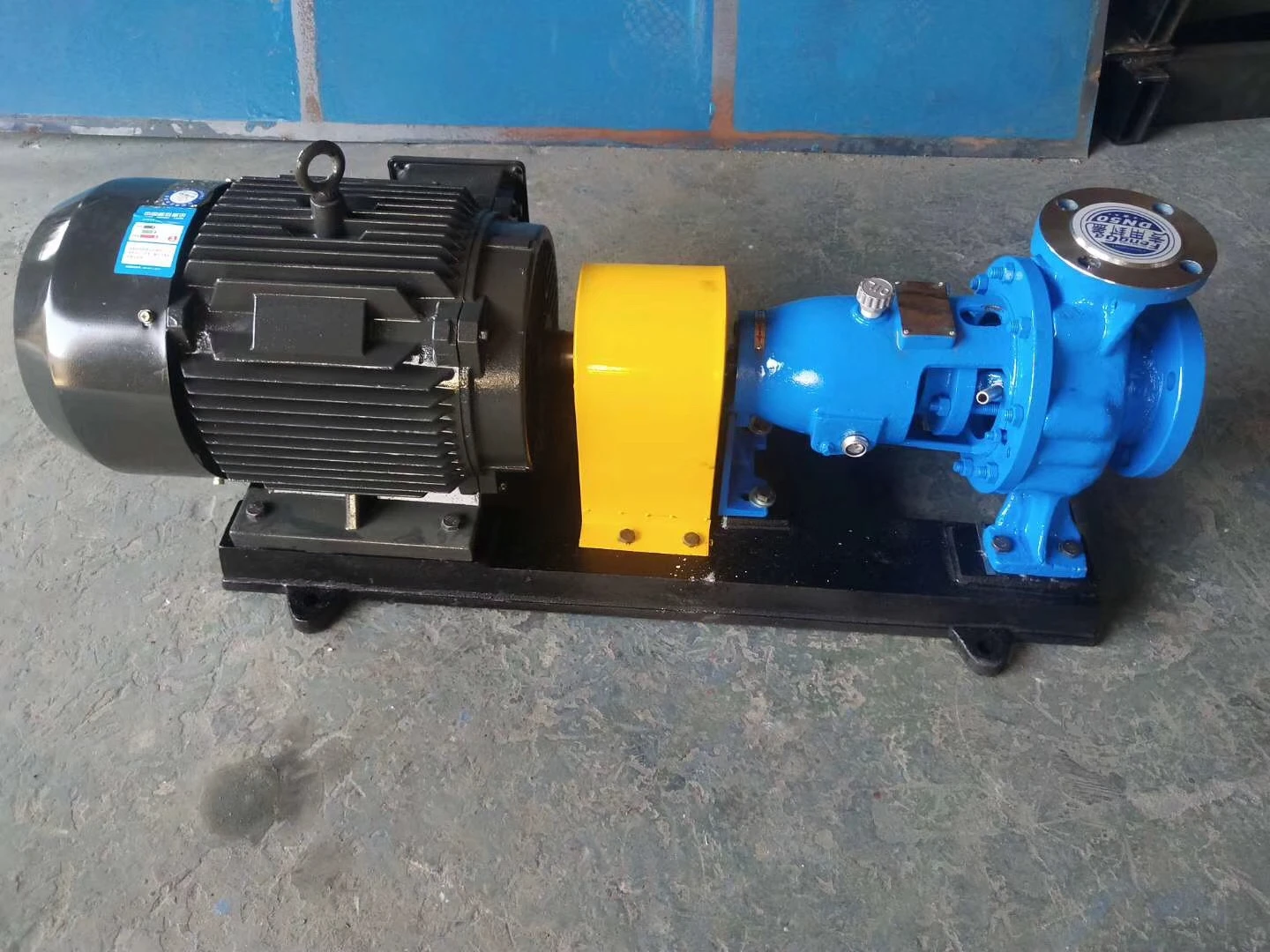
Slurry pump impellers are critical components in a wide range of industrial applications, from mining and dredging to wastewater treatment and chemical processing. Their function is to convert rotational energy into kinetic energy, accelerating the slurry to overcome frictional losses and achieve the desired flow rate and head. The design of these impellers directly impacts pump efficiency, wear life, and overall system reliability. This guide provides an in-depth examination of the design considerations for slurry pump impellers, covering material science, manufacturing processes, performance engineering, failure modes, and relevant industry standards. A primary industry pain point is impeller erosion and cavitation damage, leading to frequent replacements and costly downtime. Optimizing impeller design to mitigate these issues is paramount for sustainable and cost-effective operation. The inherent abrasiveness of slurries necessitates a robust design philosophy that prioritizes wear resistance and hydraulic efficiency.
Material Science & Manufacturing
The selection of impeller materials is heavily dictated by the slurry's composition – particle size, concentration, and abrasive properties. High-chromium cast irons (typically 15-30% Cr) are common choices due to their excellent abrasion resistance. However, for highly corrosive or erosive environments, alternative materials like duplex stainless steels (e.g., UNS S31803, S32205) or even specialized alloys incorporating tungsten carbide or ceramic inserts may be necessary. Material hardness, measured by Rockwell C hardness, is a crucial property, but ductility is also important to prevent brittle fracture. Manufacturing processes heavily influence the final material properties. Investment casting yields intricate impeller geometries with good surface finish and dimensional accuracy, while sand casting is more cost-effective for larger impellers but may require more post-machining. Welding, frequently employed for repair or fabrication of impeller shrouds, must be performed with careful control of heat input to avoid distorting the impeller and compromising the material's heat-affected zone (HAZ). Post-weld heat treatment (PWHT) is often recommended to restore material properties. The microstructure of the cast iron, specifically the distribution and morphology of carbides, directly influences wear resistance. Faster cooling rates during solidification generally result in harder carbides but lower toughness. Control of the cooling rate is achieved through mold design and casting parameters.
Performance & Engineering
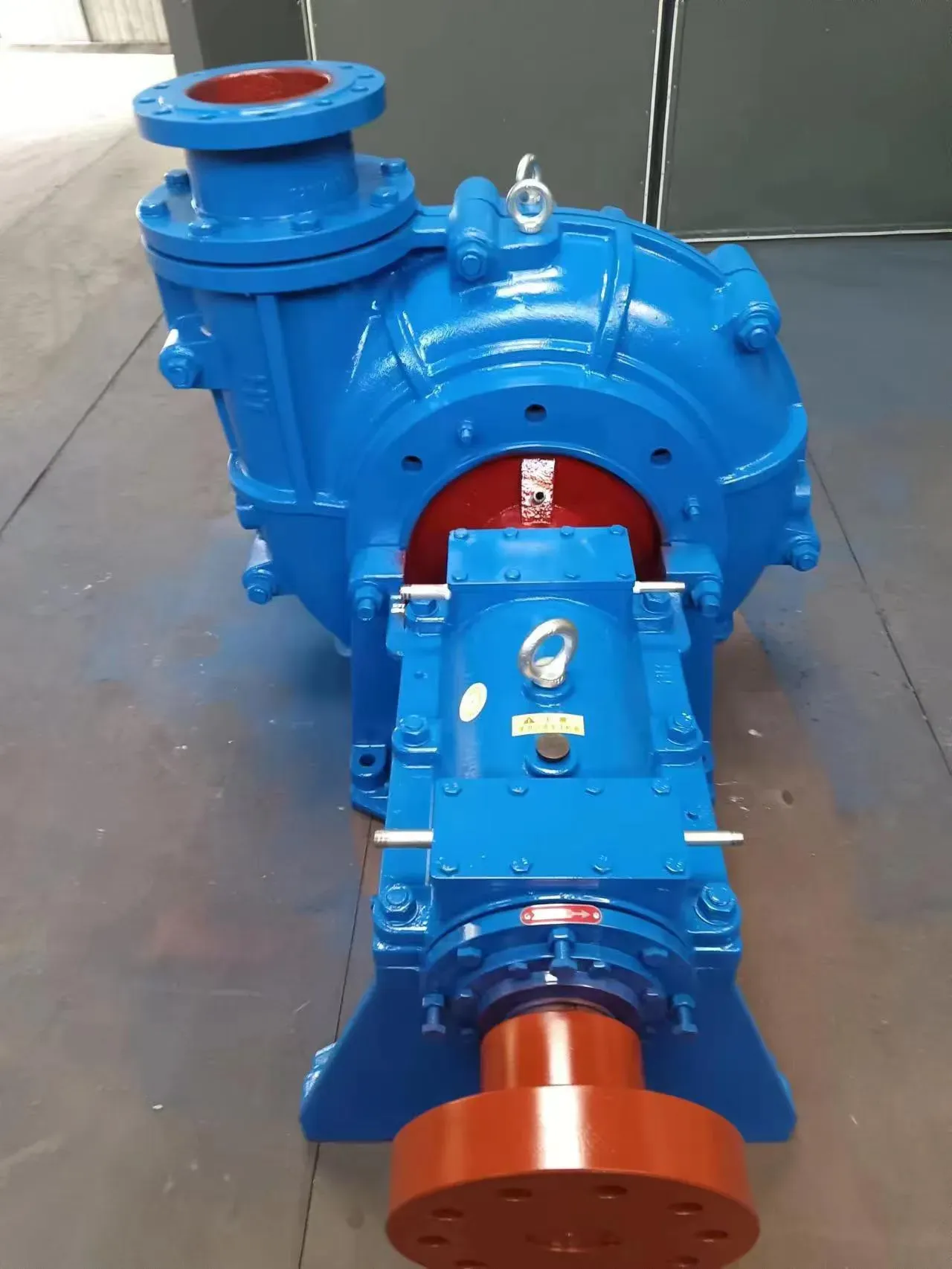
Impeller performance is governed by fundamental hydraulic principles. The pump’s head-capacity curve is directly related to impeller geometry – diameter, blade angle, blade width, and number of blades. Computational Fluid Dynamics (CFD) analysis is indispensable for optimizing impeller designs, predicting flow patterns, identifying regions of high shear stress (potential erosion zones), and minimizing cavitation. Cavitation, the formation and collapse of vapor bubbles, is a major concern as it can lead to significant impeller damage. Net Positive Suction Head Required (NPSHr) is a critical parameter that must be carefully considered during design to prevent cavitation. Impeller blade profiles are often designed with varying rake angles to optimize flow characteristics and improve efficiency. Force analysis is essential to ensure structural integrity. Impellers are subjected to centrifugal forces, hydraulic forces, and potentially impact forces from solid particles in the slurry. Finite Element Analysis (FEA) can be used to predict stress distributions and identify potential areas of failure. Environmental resistance is also a crucial aspect. Impellers operating in corrosive environments must be designed to withstand chemical attack. Material selection and the application of protective coatings (e.g., epoxy, rubber linings) are key considerations. Compliance requirements, such as those related to efficiency standards and safety regulations, must also be addressed.
Technical Specifications
| Impeller Diameter (mm) | Number of Blades | Blade Angle (degrees) | Maximum Slurry Velocity (m/s) |
|---|---|---|---|
| 200 | 6 | 30 | 10 |
| 300 | 8 | 25 | 15 |
| 400 | 10 | 35 | 20 |
| 500 | 12 | 40 | 25 |
| 600 | 14 | 45 | 30 |
| 800 | 16 | 50 | 35 |
Failure Mode & Maintenance
Slurry pump impellers are susceptible to several failure modes. Erosion is the most common, caused by the abrasive impact of solid particles. This typically manifests as material loss on the leading edges of the blades and the outer diameter of the impeller. Cavitation damage appears as pitting on the blade surfaces, particularly on the suction side. Fatigue cracking can occur due to cyclic stresses, especially in impellers operating at high speeds or with fluctuating loads. Corrosion can weaken the material and accelerate erosion. Delamination can occur in coatings if adhesion is poor. Oxidation, particularly at high temperatures, can lead to material degradation. Regular inspection is critical for detecting early signs of wear and damage. Visual inspection, dimensional measurements, and non-destructive testing (NDT) methods like ultrasonic testing (UT) and dye penetrant testing (PT) are commonly employed. Preventive maintenance, including impeller rotation, balancing, and coating repair, can extend impeller life. When an impeller reaches a critical wear level, it must be replaced. Repair welding can be used to restore damaged areas, but careful consideration must be given to heat input and material properties. Proper impeller alignment and bearing lubrication are also essential for preventing premature failure. Detailed failure analysis, including metallurgical examination of fractured surfaces, can help identify the root cause of failures and prevent recurrence.
Industry FAQ
Q: What is the impact of slurry particle size distribution on impeller wear rate?
A: The wear rate is not simply proportional to particle size, but is highly dependent on the distribution. A slurry with a high concentration of fine particles (<75µm) can cause severe abrasive wear due to their ability to penetrate into surface imperfections and exert high-stress concentrations. Larger particles (>500µm) can cause impact damage, but their lower concentration might result in a lower overall wear rate compared to a slurry dominated by fines. A bi-modal distribution, with both fine and coarse particles, presents the most challenging wear scenario.
Q: How does impeller blade profile affect pump efficiency and susceptibility to cavitation?
A: The blade profile directly impacts flow characteristics. More streamlined profiles reduce turbulence and improve efficiency, but can also increase the risk of cavitation if the pressure distribution is unfavorable. Increasing the blade angle generally improves head but reduces flow rate and can exacerbate cavitation. Optimizing the blade profile requires a careful balance between these factors, often achieved through CFD analysis.
Q: What are the advantages and disadvantages of using hardfacing alloys on impeller surfaces?
A: Hardfacing alloys (e.g., tungsten carbide) significantly enhance abrasion resistance, extending impeller life in highly abrasive slurries. However, hardfacing can be expensive and can create a mismatch in thermal expansion coefficients between the base metal and the hardfacing layer, potentially leading to cracking. The adhesion of the hardfacing layer is also critical; poor adhesion can result in premature spalling. Proper application techniques and material selection are essential.
Q: What role does the impeller shroud design play in preventing leakage and maintaining pump performance?
A: The impeller shroud provides a sealing surface that minimizes leakage between the impeller and the pump casing. A well-designed shroud ensures proper clearance and maintains hydraulic efficiency. Wear on the shroud surfaces can increase leakage and reduce pump performance. Shroud design must also account for thermal expansion and contraction to prevent binding. The type of seal employed – labyrinth seals, mechanical seals – also influences shroud requirements.
Q: How can FEA be used to optimize impeller design and prevent structural failures?
A: FEA allows engineers to simulate the stress distribution within the impeller under various operating conditions, including centrifugal forces, hydraulic forces, and impact loads. This enables identification of potential areas of high stress concentration and allows for redesign to improve structural integrity. FEA can also be used to optimize impeller geometry for weight reduction and to assess the impact of manufacturing defects on structural performance.
Conclusion
The design of slurry pump impellers is a complex engineering challenge that requires a thorough understanding of material science, hydraulics, and structural mechanics. Optimizing impeller performance and extending wear life necessitates careful consideration of the slurry's properties, operating conditions, and manufacturing processes. Utilizing advanced analytical tools like CFD and FEA is essential for achieving robust and efficient designs.
Future trends in impeller design include the development of new wear-resistant materials, the implementation of additive manufacturing techniques for creating complex geometries, and the integration of sensors for real-time monitoring of impeller condition. Continued research and development in these areas will further improve the performance and reliability of slurry pump systems, reducing operating costs and minimizing downtime.
-
Precision at the Pump: How Better Machining Protects Flow and Uptime
News2026-11-20
-
Why Pump Reliability Begins Before the First Drop of Fluid
News2026-11-20
-
Beyond the Pump: Designing Safer Access Around Critical Water Infrastructure
News2026-11-20
-
Why Pumping Stations Depend on the Infrastructure Beneath the Pumps
News2026-11-20
-
Beyond the Pump Room: How Smarter Loading Protects Industrial Equipment
News2026-11-19
-
When Pumps Stop: Designing More Resilient Power for Critical Pumping Systems
News2026-11-19
-
The Hidden Role of Dust and Gas Monitoring in Reliable Pump Operations
News2026-11-19
-
The Hidden Role of Mineral Compounds in Extending Industrial Pump Lifespan
News2026-10-12
-
Why Pump System Reliability Depends on Precision Hose Assembly Methods
News2026-09-15
-
How Advanced Imaging Films Are Transforming Pump Component Quality Control
News2026-08-25
-
How Advanced Filtration Protects Pump Systems from Premature Wear and Costly Downtime
News2026-08-25
-
How Steel Material Selection Drives Pump Reliability in Heavy-Duty Systems
News2026-08-25
-
Ensuring Pump System Efficiency: The Role of High-Quality Pipe Fittings and Tubing
News2026-08-24
-
Optimizing Fluid Dynamics and Material Consistency in Industrial Processing
News2026-08-18
-
Innovations and Challenges in Hydraulic Systems for Heavy Machinery
News2026-08-13




