English
- Afrikaans
- Albanian
- Amharic
- Arabic
- Armenian
- Azerbaijani
- Basque
- Belarusian
- Bengali
- Bosnian
- Bulgarian
- Catalan
- Cebuano
- Corsican
- Croatian
- Czech
- Danish
- Dutch
- English
- Esperanto
- Estonian
- Finnish
- French
- Frisian
- Galician
- Georgian
- German
- Greek
- Gujarati
- Haitian Creole
- hausa
- hawaiian
- Hebrew
- Hindi
- Miao
- Hungarian
- Icelandic
- igbo
- Indonesian
- irish
- Italian
- Japanese
- Javanese
- Kannada
- kazakh
- Khmer
- Rwandese
- Korean
- Kurdish
- Kyrgyz
- Lao
- Latin
- Latvian
- Lithuanian
- Luxembourgish
- Macedonian
- Malgashi
- Malay
- Malayalam
- Maltese
- Maori
- Marathi
- Mongolian
- Myanmar
- Nepali
- Norwegian
- Norwegian
- Occitan
- Pashto
- Persian
- Polish
- Portuguese
- Punjabi
- Romanian
- Russian
- Samoan
- Scottish Gaelic
- Serbian
- Sesotho
- Shona
- Sindhi
- Sinhala
- Slovak
- Slovenian
- Somali
- Spanish
- Sundanese
- Swahili
- Swedish
- Tagalog
- Tajik
- Tamil
- Tatar
- Telugu
- Thai
- Turkish
- Turkmen
- Ukrainian
- Urdu
- Uighur
- Uzbek
- Vietnamese
- Welsh
- Bantu
- Yiddish
- Yoruba
- Zulu

Telephone: +86 13120555503
Email: frank@cypump.com


Apr . 01, 2024 17:55 Back to list
Slurry Pump Gland Seals understanding the importance of gland seals in slurry pump Performance Analysis
Introduction
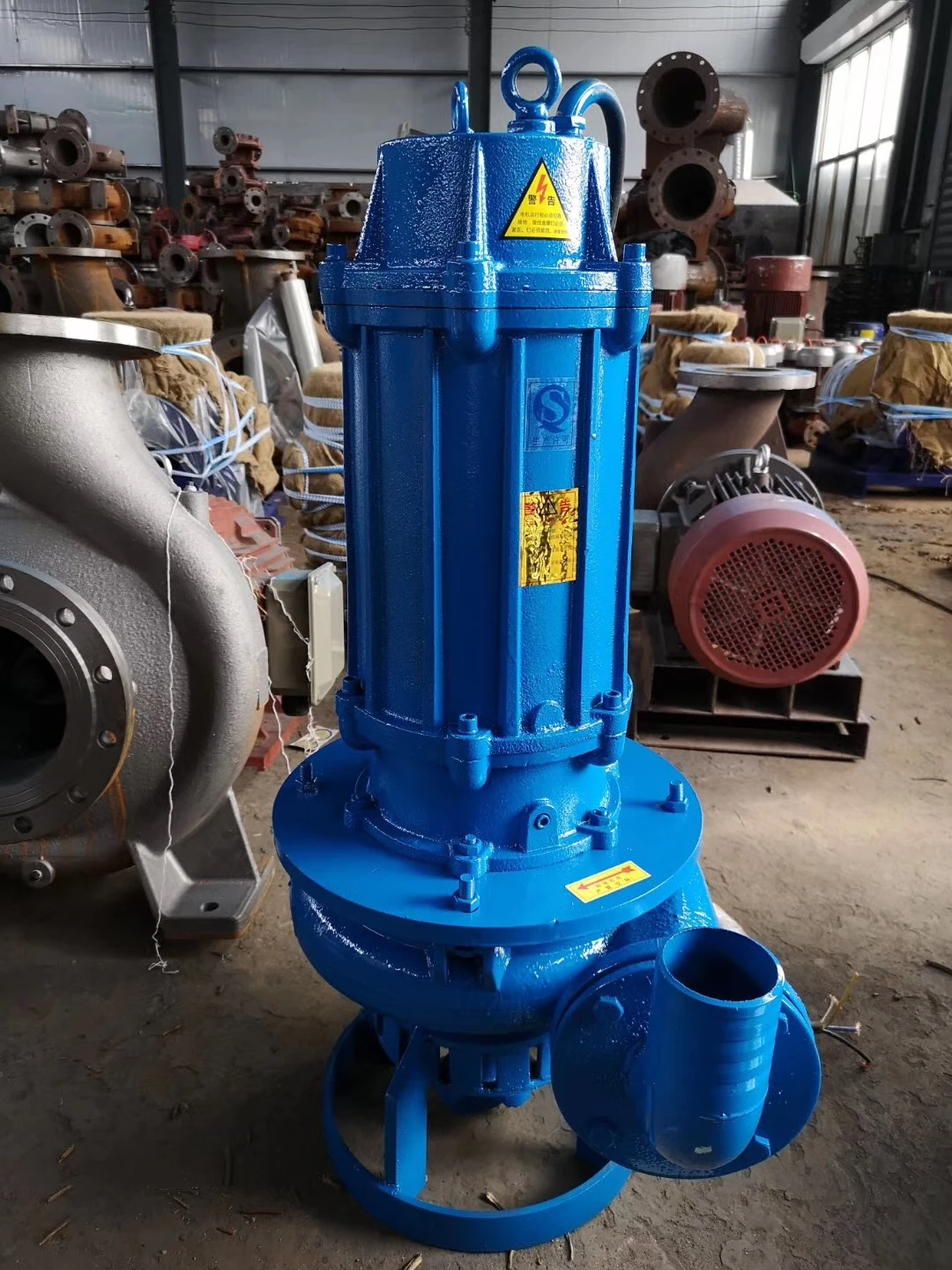
Gland seals in slurry pumps are critical components responsible for preventing leakage of process fluids – typically abrasive, corrosive, and often high-temperature slurries – along the pump shaft. They represent a crucial interface between the rotating component (shaft) and the stationary pump housing. Their correct specification, installation, and maintenance directly impact pump reliability, operational efficiency, and overall process safety. This guide provides a comprehensive technical overview of gland seals for slurry pumps, covering material science, manufacturing, performance parameters, failure modes, and relevant industry standards. The selection of an appropriate gland seal is significantly influenced by slurry characteristics, pump operating conditions (pressure, temperature, flow rate), and the cost implications of downtime and maintenance. Historically, packing glands were commonplace; however, modern slurry pump applications increasingly favor mechanical seals due to their superior sealing performance and reduced maintenance requirements, particularly in demanding applications. This document will detail both technologies, focusing on the crucial differences in application and performance.
Material Science & Manufacturing
Gland seals are manufactured from a diverse range of materials, the selection of which is dictated by the chemical and physical properties of the pumped slurry. Traditional packing materials include asbestos (now largely phased out due to health concerns), graphite-based compounds, PTFE (polytetrafluoroethylene), and various fiber blends impregnated with lubricants. PTFE packing offers excellent chemical resistance but can exhibit creep under load, leading to leakage. Graphite packing is self-lubricating and performs well at high temperatures but may be unsuitable for oxidizing environments. Modern mechanical seals utilize seal faces manufactured from materials like silicon carbide (SiC), tungsten carbide (WC), and ceramics. These materials possess high hardness, wear resistance, and chemical inertness. Elastomeric components, such as O-rings and bellows, are typically made from nitrile rubber (NBR), ethylene propylene diene monomer (EPDM), or Viton (fluoroelastomer) depending on the slurry's chemical compatibility. The manufacturing process for packing involves compressing the chosen materials into braided or molded forms, ensuring consistent density and lubrication. Mechanical seals are manufactured using precision machining and lapping techniques to achieve extremely flat and smooth sealing surfaces. Proper surface finish (Ra value) is critical to minimize friction and prevent premature wear. The quality control process includes dimensional inspection, hardness testing, and leak testing to verify performance.
Performance & Engineering
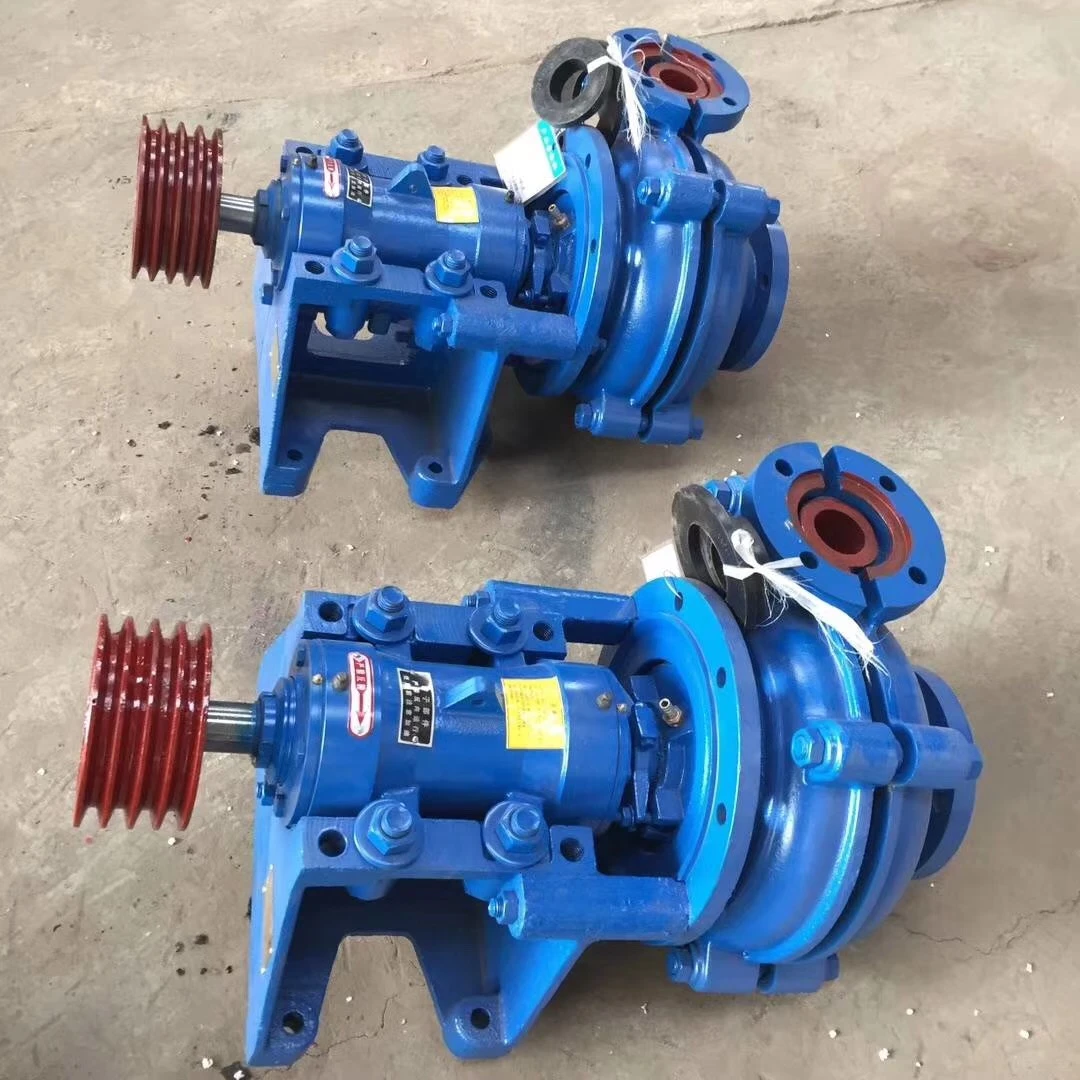
The primary performance metric for gland seals is leakage rate, typically measured in milliliters per minute or pounds per hour. Acceptable leakage rates vary depending on the application and regulatory requirements. For abrasive slurries, seal face wear is a major concern, impacting seal life and increasing leakage. The hydrodynamic characteristics of the slurry also play a role; higher slurry velocities can generate increased pressure on the seal, leading to premature failure. Engineering considerations include the design of the gland follower, which applies controlled pressure to the packing material to maintain a tight seal. The gland follower material and geometry influence the distribution of pressure and the rate of packing wear. For mechanical seals, the spring force applied to the seal faces is a critical parameter, ensuring adequate contact and preventing leakage. Dynamic and static friction are also important factors, affecting power consumption and seal stability. Compliance requirements, such as API 682 for mechanical seals, specify minimum performance standards and testing procedures. Thermal expansion of the pump shaft and housing must be accounted for in the seal design to prevent binding or excessive clearance. Corrosion resistance is paramount, particularly when handling acidic or alkaline slurries. A full force analysis considering radial loads, axial thrust, and pressure fluctuations is essential during the seal selection process.
Technical Specifications
| Seal Type | Maximum Pressure (PSI) | Maximum Temperature (°F) | Shaft Speed (RPM) |
|---|---|---|---|
| Packed Gland (PTFE) | 150 | 500 | 3600 |
| Packed Gland (Graphite) | 250 | 1200 | 4000 |
| Mechanical Seal (SiC/SiC) | 500 | 600 | 6000 |
| Mechanical Seal (WC/WC) | 1000 | 400 | 7200 |
| Mechanical Seal (Ceramic/Carbon) | 300 | 400 | 5000 |
| Mechanical Seal (Viton O-Ring) | 400 | 400 | 5500 |
Failure Mode & Maintenance
Common failure modes for packed glands include excessive packing wear, leakage due to creep or thermal expansion, and gland follower damage. Abrasive slurries accelerate packing wear, while chemical attack can degrade the packing material. For mechanical seals, failure modes include seal face cracking or chipping due to abrasive particles, erosion due to high-velocity slurries, corrosion of seal components, and O-ring failure. Fatigue cracking can occur in the spring mechanisms of mechanical seals under cyclic loading. Leakage is often the first indication of a seal failure. Preventative maintenance includes regular inspection of the gland packing for wear and tightness, lubrication of the gland follower, and replacement of worn packing material. For mechanical seals, monitoring the seal's performance through leak detection systems is crucial. Regular flushing of the seal faces with clean fluid can help remove abrasive particles and prevent overheating. Proper alignment of the pump shaft and housing is essential to minimize seal wear. Root cause analysis of seal failures should be conducted to identify and address the underlying issues, such as improper seal selection, inadequate slurry filtration, or excessive pump vibration. Replacement should be performed by qualified personnel using appropriate tools and procedures.
Industry FAQ
Q: What are the key differences between packed glands and mechanical seals in slurry pump applications?
A: Packed glands are simpler and less expensive, suitable for low-pressure, low-speed applications with less demanding slurry conditions. They require more frequent adjustment and maintenance due to packing wear. Mechanical seals offer superior sealing performance, reduced maintenance, and are better suited for high-pressure, high-speed applications and abrasive or corrosive slurries. However, they are more complex and expensive to install and repair.
Q: How does slurry composition affect gland seal selection?
A: Slurry composition is the most critical factor. Abrasive particles cause seal face wear, corrosive chemicals degrade seal materials, and the slurry's viscosity impacts hydrodynamic pressure. The seal materials must be chemically compatible with the slurry and possess sufficient wear resistance to withstand the abrasive action.
Q: What is the role of flushing in mechanical seal systems for slurry pumps?
A: Flushing provides a barrier between the seal faces and the abrasive slurry, preventing particle ingress and removing heat. It utilizes a clean fluid (often water or process fluid) to lubricate and cool the seal faces, extending their life and preventing premature failure.
Q: How can I troubleshoot excessive leakage from a gland seal?
A: Troubleshooting involves checking the gland follower tightness (for packed glands), inspecting the seal faces for wear or damage (for mechanical seals), verifying proper alignment of the pump shaft, and ensuring adequate lubrication. Chemical compatibility should also be verified. A sudden increase in leakage often indicates a significant seal failure.
Q: What are the common signs that a gland seal needs to be replaced?
A: Common signs include persistent leakage despite tightening the gland follower (for packed glands), visible damage to the seal faces (for mechanical seals), increased pump vibration, and a noticeable decrease in pump efficiency. Regular inspections and preventative maintenance can help identify these issues before they lead to a catastrophic failure.
Conclusion
The selection and maintenance of gland seals are fundamentally linked to the overall reliability and cost-effectiveness of slurry pump operations. Understanding the material science, engineering principles, and failure modes associated with these critical components is paramount for minimizing downtime and maximizing pump lifespan. While packed glands remain a viable option for certain applications, the trend toward mechanical seals is driven by their superior performance and reduced maintenance requirements, particularly in demanding slurry handling scenarios.
Continued advancements in seal materials and designs, coupled with sophisticated monitoring and diagnostic techniques, are expected to further enhance the performance and longevity of gland seals. Adherence to relevant industry standards and best practices, alongside a proactive maintenance strategy, will ensure optimal seal performance and contribute to the safe and efficient operation of slurry pump systems. Proper selection, installation, and maintenance are not merely procedural steps, but critical investments in operational longevity.
-
Precision at the Pump: How Better Machining Protects Flow and Uptime
News2026-11-20
-
Why Pump Reliability Begins Before the First Drop of Fluid
News2026-11-20
-
Beyond the Pump: Designing Safer Access Around Critical Water Infrastructure
News2026-11-20
-
Why Pumping Stations Depend on the Infrastructure Beneath the Pumps
News2026-11-20
-
Beyond the Pump Room: How Smarter Loading Protects Industrial Equipment
News2026-11-19
-
When Pumps Stop: Designing More Resilient Power for Critical Pumping Systems
News2026-11-19
-
The Hidden Role of Dust and Gas Monitoring in Reliable Pump Operations
News2026-11-19
-
The Hidden Role of Mineral Compounds in Extending Industrial Pump Lifespan
News2026-10-12
-
Why Pump System Reliability Depends on Precision Hose Assembly Methods
News2026-09-15
-
How Advanced Imaging Films Are Transforming Pump Component Quality Control
News2026-08-25
-
How Advanced Filtration Protects Pump Systems from Premature Wear and Costly Downtime
News2026-08-25
-
How Steel Material Selection Drives Pump Reliability in Heavy-Duty Systems
News2026-08-25
-
Ensuring Pump System Efficiency: The Role of High-Quality Pipe Fittings and Tubing
News2026-08-24
-
Optimizing Fluid Dynamics and Material Consistency in Industrial Processing
News2026-08-18
-
Innovations and Challenges in Hydraulic Systems for Heavy Machinery
News2026-08-13




