English
- Afrikaans
- Albanian
- Amharic
- Arabic
- Armenian
- Azerbaijani
- Basque
- Belarusian
- Bengali
- Bosnian
- Bulgarian
- Catalan
- Cebuano
- Corsican
- Croatian
- Czech
- Danish
- Dutch
- English
- Esperanto
- Estonian
- Finnish
- French
- Frisian
- Galician
- Georgian
- German
- Greek
- Gujarati
- Haitian Creole
- hausa
- hawaiian
- Hebrew
- Hindi
- Miao
- Hungarian
- Icelandic
- igbo
- Indonesian
- irish
- Italian
- Japanese
- Javanese
- Kannada
- kazakh
- Khmer
- Rwandese
- Korean
- Kurdish
- Kyrgyz
- Lao
- Latin
- Latvian
- Lithuanian
- Luxembourgish
- Macedonian
- Malgashi
- Malay
- Malayalam
- Maltese
- Maori
- Marathi
- Mongolian
- Myanmar
- Nepali
- Norwegian
- Norwegian
- Occitan
- Pashto
- Persian
- Polish
- Portuguese
- Punjabi
- Romanian
- Russian
- Samoan
- Scottish Gaelic
- Serbian
- Sesotho
- Shona
- Sindhi
- Sinhala
- Slovak
- Slovenian
- Somali
- Spanish
- Sundanese
- Swahili
- Swedish
- Tagalog
- Tajik
- Tamil
- Tatar
- Telugu
- Thai
- Turkish
- Turkmen
- Ukrainian
- Urdu
- Uighur
- Uzbek
- Vietnamese
- Welsh
- Bantu
- Yiddish
- Yoruba
- Zulu

Telephone: +86 13120555503
Email: frank@cypump.com


Apr . 01, 2024 17:55 Back to list
Slurry Pump exploring the benefits and applications of slurry pump Performance Analysis
Introduction
Slurry pumps are engineered to efficiently transport abrasive, corrosive, and erosive fluids – collectively known as slurries – across a diverse range of industrial applications. Positioned within the processing chain between material extraction/processing and subsequent refinement or waste disposal, these pumps represent a critical component in industries such as mining, wastewater treatment, chemical processing, and oil & gas. Their core performance characteristics revolve around volumetric flow rate, head pressure, solids handling capability, and resistance to wear. Traditional pump designs often struggle with the inherent challenges of slurry transport – namely, abrasion leading to rapid component degradation and reduced efficiency. Modern slurry pump technology focuses on material selection, impeller design, and sealing systems to mitigate these issues, improving overall operational lifespan and minimizing downtime. The selection of an appropriate slurry pump is not simply a matter of flow and head; it demands a thorough understanding of the slurry’s composition, particle size distribution, concentration, and flow regime to prevent premature failure and ensure process integrity. This guide provides an in-depth examination of slurry pump technology, encompassing material science, manufacturing processes, performance engineering, failure analysis, and relevant industry standards.
Material Science & Manufacturing
The performance and longevity of a slurry pump are fundamentally dictated by the materials of construction. Pump components exposed to the slurry – the impeller, volute casing, and liner – are typically fabricated from high-chromium cast irons (typically 27-30% Cr), high-hardness stainless steels, or specialized abrasion-resistant alloys. High-chromium irons excel in resisting abrasive wear due to the formation of hard chromium carbides. However, their susceptibility to corrosion in acidic or strongly alkaline environments limits their applicability. Stainless steels (e.g., 316, duplex stainless steels) offer superior corrosion resistance but generally exhibit lower abrasion resistance than high-chromium irons. The choice hinges on the slurry's chemical composition and abrasive characteristics. Manufacturing processes vary depending on the pump size and material. Smaller pumps utilize centrifugal casting for the volute casing and investment casting for the impeller, allowing for complex geometries and tight tolerances. Larger pumps often employ sand casting followed by extensive machining. Welding processes, particularly submerged arc welding (SAW), are critical for joining large pump casings, requiring stringent quality control to prevent weld defects that could initiate failure. Impeller design and casting precision are paramount. Computational Fluid Dynamics (CFD) modeling is routinely employed to optimize impeller geometry for maximum hydraulic efficiency and minimize turbulence, which accelerates wear. Key parameters controlled during manufacturing include hardness (measured using Rockwell or Vickers scales), chemical composition verification (using spectroscopic analysis), and dimensional accuracy (using coordinate measuring machines – CMMs). Liner materials, often rubber or polyurethane, are vulcanized or cast-in-place within the casing to provide a sacrificial wear layer, extending the life of the underlying metallic structure.
Performance & Engineering
Slurry pump performance is governed by a complex interplay of fluid mechanics, solids behavior, and pump design. Key performance parameters include flow rate (Q), head (H), and pump efficiency (η). Unlike clear-fluid pumps, slurry pumps exhibit a performance curve that is significantly influenced by slurry concentration and particle size. Increasing solids concentration generally reduces pump efficiency and increases power consumption due to increased friction losses. The presence of solids also introduces the potential for wear and erosion, necessitating careful selection of materials and impeller design. Force analysis involves considering the hydrodynamic forces exerted by the slurry on the impeller, the centrifugal forces acting on the solids, and the pressure gradients within the pump casing. Environmental resistance is crucial, particularly in applications involving corrosive slurries or extreme temperatures. Pump sealing systems are critical to prevent leakage and maintain suction pressure. Mechanical seals, utilizing materials compatible with the slurry, are commonly employed. Compliance requirements vary depending on the application and geographical location. For example, pumps used in food processing must comply with 3-A Sanitary Standards, while pumps used in explosive atmospheres must meet ATEX directives. Functional implementation often involves integrating the pump into a larger system, including piping, valves, and control systems. Proper system design is essential to minimize head losses and prevent cavitation, which can damage the impeller. Pump selection requires considering the slurry’s rheological properties (viscosity, yield stress), particle size distribution (PSD), and solids loading. A detailed slurry analysis is essential for accurate pump sizing and selection.
Technical Specifications
| Parameter | Unit | Typical Range (Small Pump - 50HP) | Typical Range (Large Pump - 500HP) |
|---|---|---|---|
| Flow Rate | GPM (US Gallons per Minute) | 50-500 | 500-5000 |
| Head | ft (feet) | 20-150 | 100-400 |
| Maximum Solids Size | inches | 0.5-2 | 2-6 |
| Slurry Concentration (Max) | % by weight | 20-40 | 30-70 |
| Impeller Material | - | High-Chromium Iron (27-30% Cr) | High-Chromium Iron or Stainless Steel (Duplex) |
| Casing Material | - | High-Chromium Iron with Rubber Liner | Carbon Steel with Rubber/Polyurethane Liner |
Failure Mode & Maintenance
Slurry pump failures typically stem from abrasive wear, corrosion, erosion, or cavitation. Abrasive wear, the most common failure mode, occurs due to the impact of solid particles on pump components, leading to material loss and dimensional changes. Corrosion arises from chemical reactions between the slurry and the pump materials, weakening the metal structure. Erosion combines the effects of abrasion and corrosion, accelerating material degradation. Cavitation, caused by the formation and collapse of vapor bubbles, can induce pitting and fatigue cracking on the impeller. Fatigue cracking can also occur due to cyclical loading and stress concentration, particularly in weldments. Delamination of rubber liners is another common issue, exposing the underlying metal to abrasive wear. Oxidation of metallic components can occur at high temperatures, reducing their strength and ductility. Preventive maintenance is crucial to mitigate these failures. Regular inspections should focus on impeller wear, liner condition, seal integrity, and bearing lubrication. Impeller replacement is often necessary after a certain operating period, depending on the slurry abrasiveness. Liner replacement should be performed before significant metal loss occurs. Seal replacement is critical to prevent leakage and maintain suction pressure. Bearing lubrication should be performed according to the manufacturer’s recommendations. Vibration analysis can detect early signs of bearing or impeller damage. Proper cleaning and flushing of the pump after use can remove abrasive particles and prevent corrosion. Periodic performance monitoring (flow rate, head, power consumption) can identify deviations from baseline performance, indicating potential issues.
Industry FAQ
Q: What is the impact of particle size distribution on slurry pump selection?
A: Particle size distribution (PSD) significantly impacts pump selection. A wider PSD with larger particles increases abrasive wear and requires a pump with robust impeller and casing materials. Pumps handling coarse particles often require larger impeller passages to prevent clogging. The presence of very fine particles can contribute to increased viscosity and erosion.
Q: How do you select the appropriate liner material for a specific slurry?
A: Liner material selection depends on the slurry’s abrasiveness and chemical composition. Rubber liners are effective for moderately abrasive slurries but can be susceptible to degradation from solvents or hydrocarbons. Polyurethane liners offer higher abrasion resistance and chemical resistance but are generally more expensive. Consider the slurry's pH, temperature, and presence of specific chemicals when selecting the liner material.
Q: What are the benefits of using a vertical slurry pump versus a horizontal slurry pump?
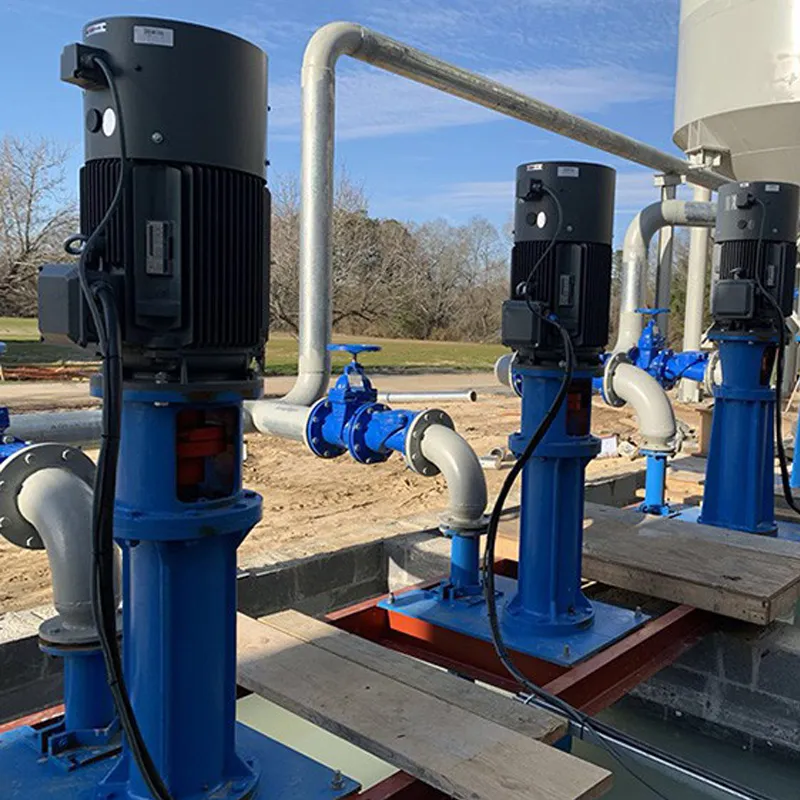
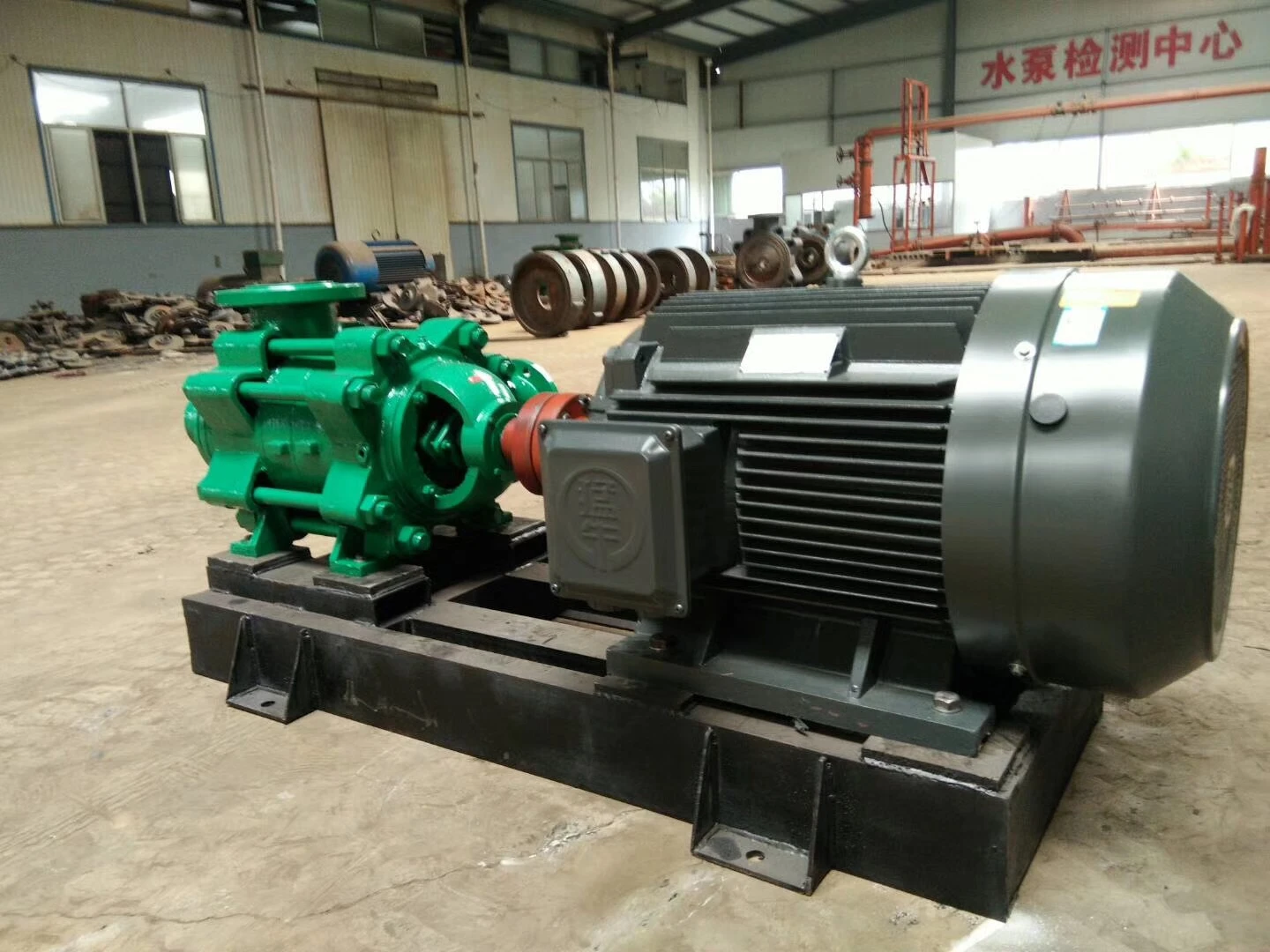
A: Vertical slurry pumps are often preferred when space is limited or when the suction lift is significant. They eliminate the need for a separate priming system and can handle slurries with entrained air more effectively. Horizontal pumps are generally easier to maintain and offer greater flexibility in terms of installation.
Q: How can cavitation be prevented in a slurry pump?
A: Cavitation can be prevented by ensuring adequate net positive suction head available (NPSHA) at the pump suction. This requires minimizing suction lift, increasing suction pipe diameter, reducing fluid temperature, and ensuring a clean suction line. Proper impeller design and operation within the pump’s performance curve are also critical.
Q: What role does impeller design play in slurry pump efficiency and wear life?
A: Impeller design is paramount. Open impellers are generally preferred for handling slurries with high solids content, as they are less prone to clogging. Impeller vane angle, width, and number influence pump efficiency and wear distribution. CFD modeling is used to optimize impeller geometry for maximum hydraulic performance and minimize turbulence, reducing wear.
Conclusion
Slurry pump technology represents a sophisticated intersection of materials science, fluid mechanics, and mechanical engineering. Successful pump operation necessitates a holistic understanding of the slurry’s characteristics, the pump’s performance parameters, and potential failure modes. The selection of appropriate materials, coupled with optimized impeller design and rigorous adherence to maintenance protocols, are critical for maximizing pump lifespan and minimizing operational costs.
Future trends in slurry pump technology will likely focus on the development of advanced materials with superior abrasion and corrosion resistance, the integration of smart sensors for predictive maintenance, and the application of artificial intelligence for optimizing pump performance in real-time. Continued advancements in these areas will further enhance the reliability and efficiency of slurry pumping systems across a wide range of industries.
-
Precision at the Pump: How Better Machining Protects Flow and Uptime
News2026-11-20
-
Why Pump Reliability Begins Before the First Drop of Fluid
News2026-11-20
-
Beyond the Pump: Designing Safer Access Around Critical Water Infrastructure
News2026-11-20
-
Why Pumping Stations Depend on the Infrastructure Beneath the Pumps
News2026-11-20
-
Beyond the Pump Room: How Smarter Loading Protects Industrial Equipment
News2026-11-19
-
When Pumps Stop: Designing More Resilient Power for Critical Pumping Systems
News2026-11-19
-
The Hidden Role of Dust and Gas Monitoring in Reliable Pump Operations
News2026-11-19
-
The Hidden Role of Mineral Compounds in Extending Industrial Pump Lifespan
News2026-10-12
-
Why Pump System Reliability Depends on Precision Hose Assembly Methods
News2026-09-15
-
How Advanced Imaging Films Are Transforming Pump Component Quality Control
News2026-08-25
-
How Advanced Filtration Protects Pump Systems from Premature Wear and Costly Downtime
News2026-08-25
-
How Steel Material Selection Drives Pump Reliability in Heavy-Duty Systems
News2026-08-25
-
Ensuring Pump System Efficiency: The Role of High-Quality Pipe Fittings and Tubing
News2026-08-24
-
Optimizing Fluid Dynamics and Material Consistency in Industrial Processing
News2026-08-18
-
Innovations and Challenges in Hydraulic Systems for Heavy Machinery
News2026-08-13




