English
- Afrikaans
- Albanian
- Amharic
- Arabic
- Armenian
- Azerbaijani
- Basque
- Belarusian
- Bengali
- Bosnian
- Bulgarian
- Catalan
- Cebuano
- Corsican
- Croatian
- Czech
- Danish
- Dutch
- English
- Esperanto
- Estonian
- Finnish
- French
- Frisian
- Galician
- Georgian
- German
- Greek
- Gujarati
- Haitian Creole
- hausa
- hawaiian
- Hebrew
- Hindi
- Miao
- Hungarian
- Icelandic
- igbo
- Indonesian
- irish
- Italian
- Japanese
- Javanese
- Kannada
- kazakh
- Khmer
- Rwandese
- Korean
- Kurdish
- Kyrgyz
- Lao
- Latin
- Latvian
- Lithuanian
- Luxembourgish
- Macedonian
- Malgashi
- Malay
- Malayalam
- Maltese
- Maori
- Marathi
- Mongolian
- Myanmar
- Nepali
- Norwegian
- Norwegian
- Occitan
- Pashto
- Persian
- Polish
- Portuguese
- Punjabi
- Romanian
- Russian
- Samoan
- Scottish Gaelic
- Serbian
- Sesotho
- Shona
- Sindhi
- Sinhala
- Slovak
- Slovenian
- Somali
- Spanish
- Sundanese
- Swahili
- Swedish
- Tagalog
- Tajik
- Tamil
- Tatar
- Telugu
- Thai
- Turkish
- Turkmen
- Ukrainian
- Urdu
- Uighur
- Uzbek
- Vietnamese
- Welsh
- Bantu
- Yiddish
- Yoruba
- Zulu

Telephone: +86 13120555503
Email: frank@cypump.com


Apr . 01, 2024 17:55 Back to list
Slurry Pump creating your own efficient slurry pump at home for various Applications
Introduction
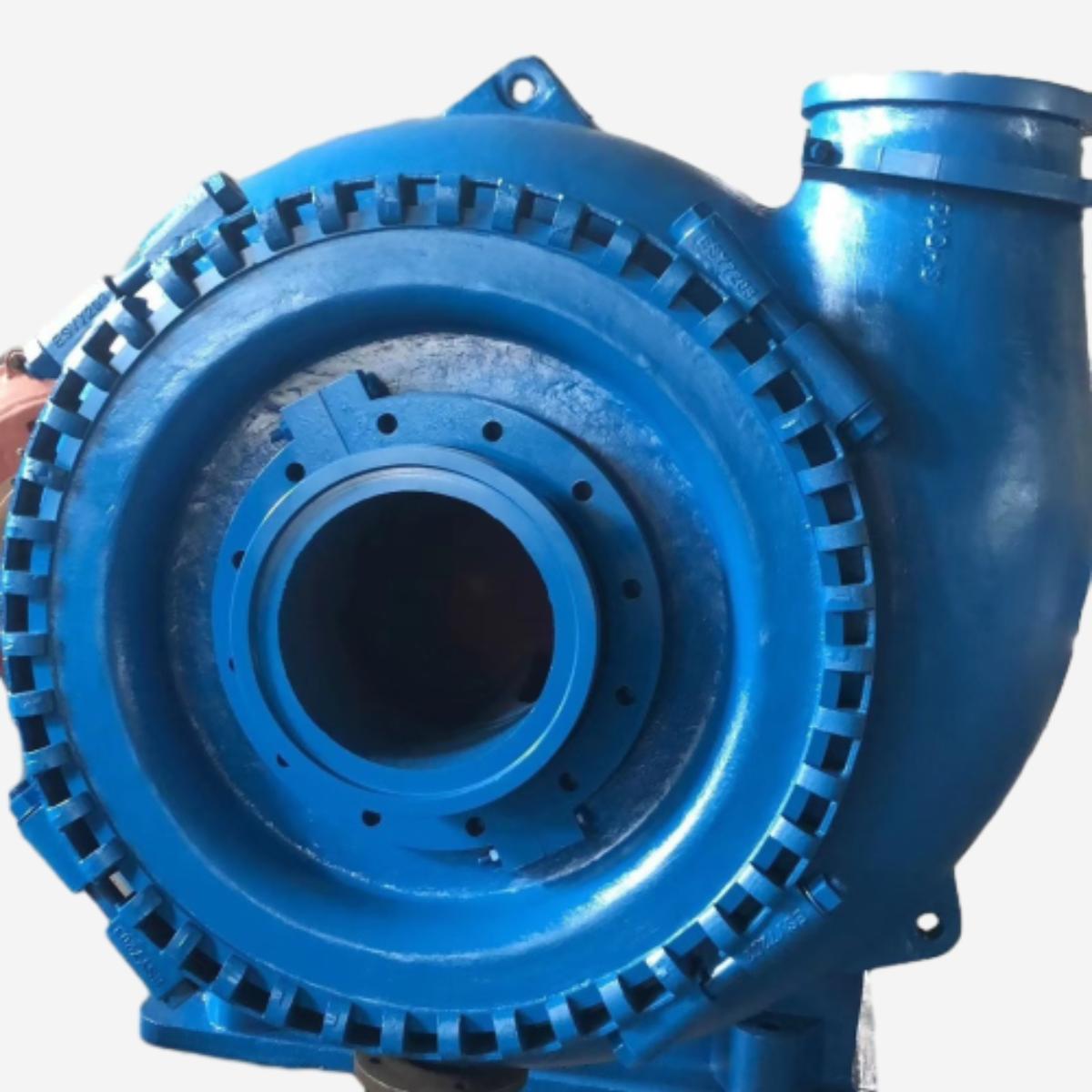
A slurry pump is a heavy-duty pump specifically designed to move abrasive or viscous fluids containing solid particles—the ‘slurry’. While industrial slurry pumps represent significant capital investment and operational complexity, a functional and reasonably efficient pump can be constructed for lower-volume applications with accessible materials. This guide details the design, material selection, manufacturing considerations, performance characteristics, potential failure modes, and maintenance protocols for a DIY slurry pump, focusing on applications such as dewatering construction sites, small-scale mining operations, or agricultural waste management. The core performance criteria revolve around solids handling capability, abrasion resistance, flow rate, and head pressure. Understanding these parameters and the inherent trade-offs within a DIY construct is vital for successful implementation. The limitations of a home-built system compared to commercially available options must be acknowledged, with an emphasis on safety and responsible operation.
Material Science & Manufacturing
The selection of materials dictates the pump's durability and resistance to slurry-induced wear. For the pump housing (volute), cast iron is a common industrial choice due to its cost-effectiveness and inherent abrasion resistance. However, for a DIY build, high-density polyethylene (HDPE) or polypropylene (PP) offer viable alternatives, leveraging their chemical inertness and ease of fabrication. Impeller construction presents a more significant challenge. Traditional centrifugal pump impellers are typically made from stainless steel or high-chrome iron alloys for maximum abrasion resistance. A DIY option could involve casting an impeller from epoxy resin reinforced with silicon carbide particles, offering good abrasion resistance but lower tensile strength. Alternatively, a robust, thick-walled PVC impeller can be used for less abrasive slurries. The shaft material should be a corrosion-resistant alloy, such as 304 stainless steel. Manufacturing processes will primarily involve machining (for shaft and potentially impeller), welding (for metal housing if chosen), and potentially thermoforming or rotational molding (for plastic housing). Parameter control is crucial; for example, welding parameters (current, voltage, gas shielding) must be optimized to prevent porosity and ensure adequate weld strength. Plastic part cooling rates during thermoforming must be carefully managed to minimize warping and ensure dimensional accuracy. Bearing housings must be precisely machined to guarantee proper alignment and prevent premature bearing failure.
Performance & Engineering
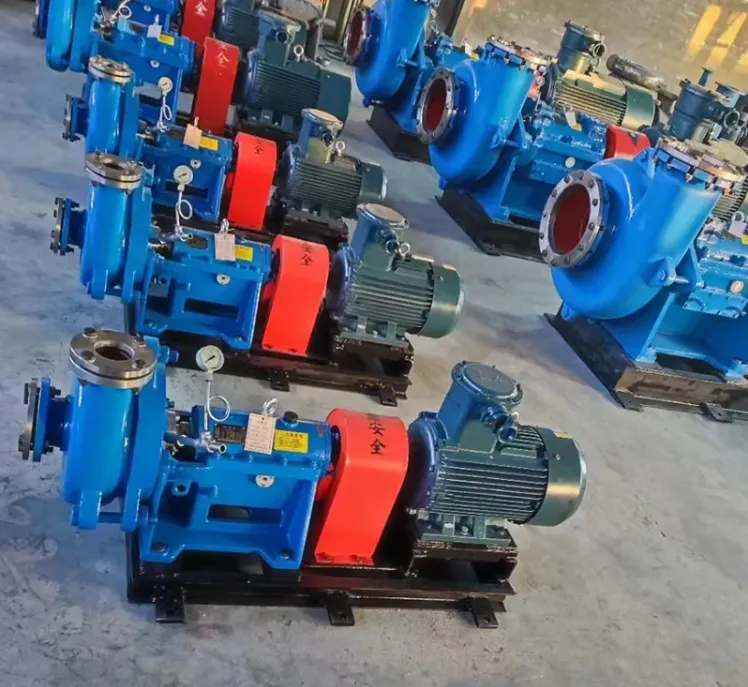
Slurry pump performance is fundamentally governed by fluid dynamics and the characteristics of the slurry itself. Force analysis is critical, particularly concerning the impeller’s ability to withstand the impact forces from solid particles. The impeller's blade angle directly impacts flow rate and head pressure; steeper angles generally produce higher head but lower flow, while shallower angles favor higher flow at lower head. Environmental resistance is a significant concern; exposure to corrosive slurries can lead to rapid degradation of pump components. Material compatibility charts must be consulted to ensure the chosen materials can withstand the chemical constituents of the slurry. Compliance with safety standards, even in a DIY context, is paramount. This includes ensuring proper electrical grounding, guarding moving parts, and implementing emergency shutdown mechanisms. The pump’s volumetric efficiency (the ratio of actual flow rate to theoretical flow rate) will be lower in a DIY build due to manufacturing tolerances and potential leakage paths. Cavitation, a phenomenon where vapor bubbles form and collapse within the pump, is a common failure mode. This can be mitigated by maintaining sufficient net positive suction head (NPSH) – ensuring adequate pressure at the pump inlet. Proper impeller balancing is essential to minimize vibration and extend bearing life.
Technical Specifications
| Parameter | Unit | DIY Build (Estimated) | Commercial Equivalent (Typical) |
|---|---|---|---|
| Maximum Flow Rate | m³/hr | 5-15 | 20-200+ |
| Maximum Head | m | 10-20 | 30-100+ |
| Maximum Solids Handling Size | mm | 20-30 | 50-200+ |
| Impeller Diameter | mm | 100-200 | 150-400+ |
| Motor Power | kW | 0.75-2.2 | 1.5-30+ |
| Housing Material | - | HDPE/PP/Cast Iron | Cast Iron/High-Chrome Alloy |
Failure Mode & Maintenance
Common failure modes in a DIY slurry pump include impeller wear (due to abrasive particles), bearing failure (due to inadequate lubrication or misalignment), seal leakage (due to wear or improper installation), and housing cracking (due to stress concentration or material fatigue). Fatigue cracking in metal housings can initiate at weld points or areas of high stress. Delamination can occur in epoxy resin impellers if the reinforcement is insufficient or the resin is improperly cured. Degradation of plastic housings can occur due to UV exposure or chemical attack. Oxidation of metal components can lead to corrosion and reduced strength. Regular maintenance is crucial for extending pump life. This includes periodic inspection for wear, lubrication of bearings, replacement of seals, and cleaning of the pump housing to remove accumulated solids. Vibration analysis can detect early signs of bearing failure or impeller imbalance. Non-destructive testing methods, such as visual inspection and dye penetrant testing, can identify cracks or defects in metal components. If cavitation is observed (indicated by noise and reduced performance), the suction conditions must be evaluated and corrected.
Industry FAQ
Q: What is the best material for the impeller if I'm pumping a highly abrasive slurry containing sand and gravel?
A: While a cast iron impeller is commonly used in industrial settings, for a DIY build, an epoxy resin impeller reinforced with a high percentage of silicon carbide particles offers a good balance of abrasion resistance and manufacturability. Ensure the epoxy is a high-strength formulation and the silicon carbide is uniformly distributed throughout the resin matrix. However, be aware that epoxy has lower tensile strength than metal, so the impeller design must be robust.
Q: How do I prevent cavitation in my slurry pump?
A: Cavitation is caused by insufficient pressure at the pump inlet. Ensure your pump is installed with adequate Net Positive Suction Head (NPSH). This means keeping the suction lift as low as possible and ensuring the slurry is flowing smoothly into the pump inlet. Increasing the diameter of the suction pipe can also help reduce friction losses.
Q: What type of seal should I use to prevent leakage around the pump shaft?
A: A mechanical seal is the most effective type of seal for slurry pumps, offering good resistance to abrasion and leakage. However, mechanical seals can be complex to install and maintain. A simpler alternative is a packing gland, but this requires regular adjustment to maintain a tight seal and will result in some leakage. The seal material must be compatible with the slurry's chemical composition.
Q: How can I determine the correct motor size for my slurry pump?
A: The motor size depends on the required flow rate, head pressure, and the specific gravity of the slurry. Use the pump's performance curves (if available) to estimate the required power. As a general rule, it’s better to slightly oversize the motor to provide a safety margin and prevent overloading.
Q: What safety precautions should I take when operating a DIY slurry pump?
A: Always ensure the pump is properly grounded to prevent electrical shock. Guard all moving parts to prevent accidental contact. Wear appropriate personal protective equipment (PPE), including eye protection and gloves. Never operate the pump dry, as this can damage the impeller and seals. Implement an emergency shutdown mechanism in case of a malfunction.
Conclusion
Constructing a functional slurry pump at home is achievable, but requires careful consideration of material selection, manufacturing techniques, and performance characteristics. The limitations of a DIY build compared to commercially available pumps must be understood, with a primary focus on safety and appropriate application. The successful operation of such a system hinges on a thorough understanding of slurry dynamics, the potential for failure modes, and a commitment to diligent maintenance.
Future development might involve exploring alternative impeller materials, such as ceramic composites, and optimizing pump housing designs for improved hydraulic efficiency. Further research into advanced sealing technologies could also enhance the longevity and reliability of DIY slurry pumps. Ultimately, the value of a home-built slurry pump lies in its adaptability to specific, lower-volume applications where a cost-effective and customized solution is desired.
-
Precision at the Pump: How Better Machining Protects Flow and Uptime
News2026-11-20
-
Why Pump Reliability Begins Before the First Drop of Fluid
News2026-11-20
-
Beyond the Pump: Designing Safer Access Around Critical Water Infrastructure
News2026-11-20
-
Why Pumping Stations Depend on the Infrastructure Beneath the Pumps
News2026-11-20
-
Beyond the Pump Room: How Smarter Loading Protects Industrial Equipment
News2026-11-19
-
When Pumps Stop: Designing More Resilient Power for Critical Pumping Systems
News2026-11-19
-
The Hidden Role of Dust and Gas Monitoring in Reliable Pump Operations
News2026-11-19
-
The Hidden Role of Mineral Compounds in Extending Industrial Pump Lifespan
News2026-10-12
-
Why Pump System Reliability Depends on Precision Hose Assembly Methods
News2026-09-15
-
How Advanced Imaging Films Are Transforming Pump Component Quality Control
News2026-08-25
-
How Advanced Filtration Protects Pump Systems from Premature Wear and Costly Downtime
News2026-08-25
-
How Steel Material Selection Drives Pump Reliability in Heavy-Duty Systems
News2026-08-25
-
Ensuring Pump System Efficiency: The Role of High-Quality Pipe Fittings and Tubing
News2026-08-24
-
Optimizing Fluid Dynamics and Material Consistency in Industrial Processing
News2026-08-18
-
Innovations and Challenges in Hydraulic Systems for Heavy Machinery
News2026-08-13




