English
- Afrikaans
- Albanian
- Amharic
- Arabic
- Armenian
- Azerbaijani
- Basque
- Belarusian
- Bengali
- Bosnian
- Bulgarian
- Catalan
- Cebuano
- Corsican
- Croatian
- Czech
- Danish
- Dutch
- English
- Esperanto
- Estonian
- Finnish
- French
- Frisian
- Galician
- Georgian
- German
- Greek
- Gujarati
- Haitian Creole
- hausa
- hawaiian
- Hebrew
- Hindi
- Miao
- Hungarian
- Icelandic
- igbo
- Indonesian
- irish
- Italian
- Japanese
- Javanese
- Kannada
- kazakh
- Khmer
- Rwandese
- Korean
- Kurdish
- Kyrgyz
- Lao
- Latin
- Latvian
- Lithuanian
- Luxembourgish
- Macedonian
- Malgashi
- Malay
- Malayalam
- Maltese
- Maori
- Marathi
- Mongolian
- Myanmar
- Nepali
- Norwegian
- Norwegian
- Occitan
- Pashto
- Persian
- Polish
- Portuguese
- Punjabi
- Romanian
- Russian
- Samoan
- Scottish Gaelic
- Serbian
- Sesotho
- Shona
- Sindhi
- Sinhala
- Slovak
- Slovenian
- Somali
- Spanish
- Sundanese
- Swahili
- Swedish
- Tagalog
- Tajik
- Tamil
- Tatar
- Telugu
- Thai
- Turkish
- Turkmen
- Ukrainian
- Urdu
- Uighur
- Uzbek
- Vietnamese
- Welsh
- Bantu
- Yiddish
- Yoruba
- Zulu

Telephone: +86 13120555503
Email: frank@cypump.com


Apr . 01, 2024 17:55 Back to list
single stage double suction centrifugal pump Performance Analysis
Introduction
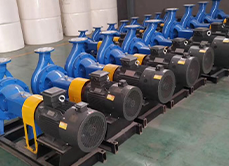
The single stage double suction centrifugal pump is a dynamic machine designed to impart kinetic energy to fluids, subsequently converting this energy into pressure energy. It occupies a critical position within various industrial fluid handling systems, including water supply, irrigation, power generation, and chemical processing. Unlike single-entry pumps, the double suction design utilizes impeller inlet flow from both sides, increasing flow rate capacity and reducing axial thrust. This pump type is characterized by its robust construction, relatively high efficiency, and capability to handle large volumes of fluid. Core performance metrics include flow rate (typically measured in m³/h or GPM), head (expressed in meters or feet), and power consumption (kW or HP). A key challenge in selecting these pumps involves accurately matching the pump curve to the system resistance curve to ensure optimal operation and prevent cavitation or excessive wear. Proper selection minimizes lifecycle costs and maximizes process reliability.
Material Science & Manufacturing
The construction of a single stage double suction centrifugal pump involves several critical material considerations. Pump casings are frequently manufactured from cast iron (ASTM A126 Class 30 or equivalent), offering a balance of strength, machinability, and cost-effectiveness. For corrosive applications, stainless steel alloys (304, 316, or duplex stainless steel – ASTM A240) are employed to prevent degradation and maintain fluid purity. Impellers are commonly made of cast iron, bronze (ASTM B584), or stainless steel, depending on the fluid's characteristics and the desired wear resistance. Shafts are typically forged from carbon steel (ASTM A105) and undergo heat treatment to enhance tensile strength and fatigue resistance. Seals are critical, and materials such as Viton, PTFE, or mechanical seals with silicon carbide faces are used to prevent leakage.
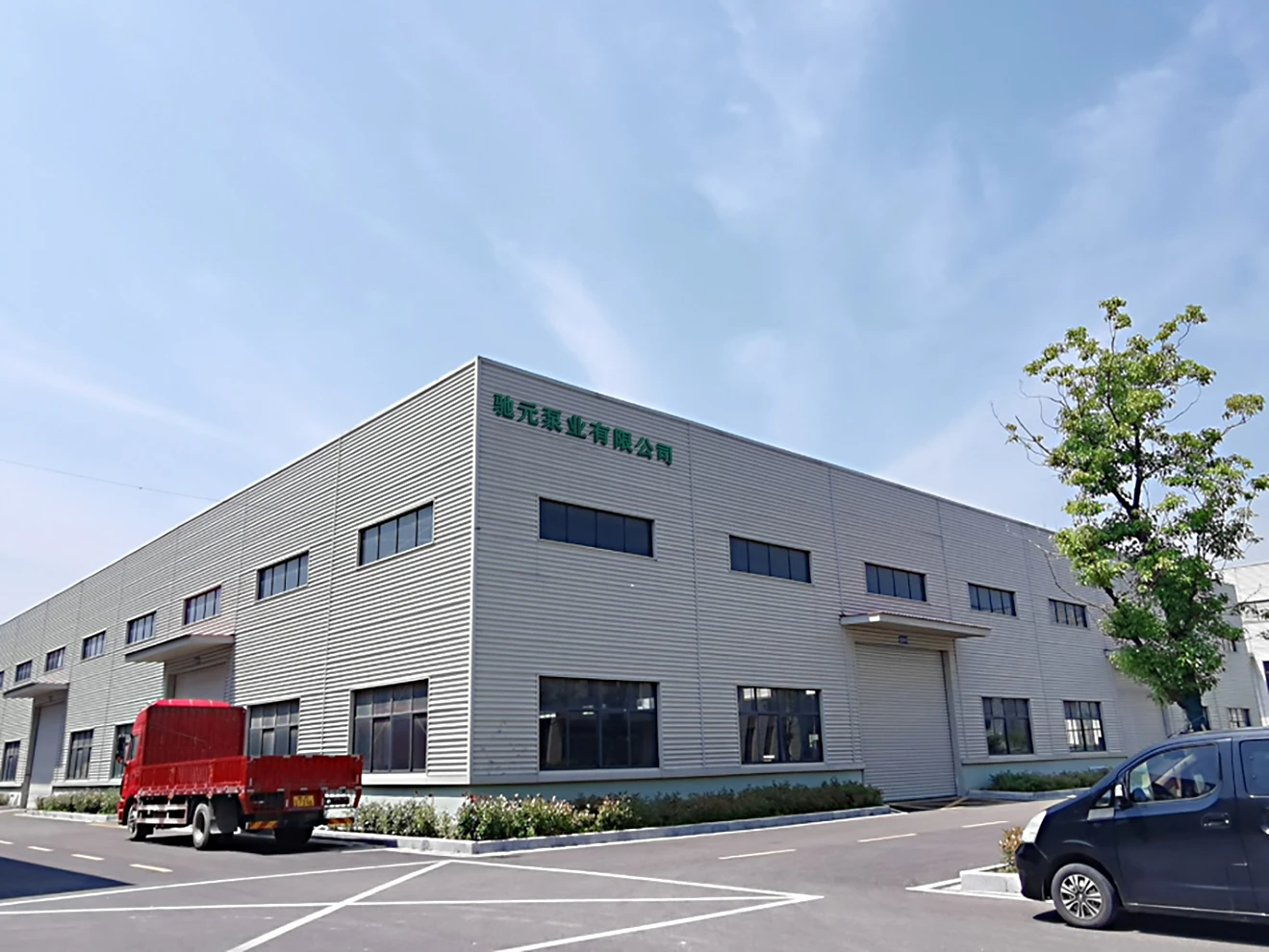
Manufacturing processes begin with pattern making and sand casting for the casing and impeller. Precision machining is vital for maintaining tight tolerances on impeller blades and casing dimensions to ensure hydraulic efficiency. Welding (SMAW, GTAW, or SAW, adhering to AWS D1.1) is used for joining various components. Impeller balancing is crucial to minimize vibration and extend bearing life (ISO 1940-1). Surface treatments like epoxy coating or galvanization are applied to the casing for corrosion protection. Post-manufacturing, rigorous hydrostatic testing (API 610) is conducted to verify pressure integrity and identify potential defects. Quality control at each stage is paramount, employing non-destructive testing methods such as radiographic inspection and ultrasonic testing to ensure structural soundness.
Performance & Engineering
Performance analysis centers around understanding the pump’s hydraulic characteristics. The pump’s affinity laws dictate the relationship between flow rate, head, and power consumption. Force analysis focuses on balancing the radial and axial thrusts generated by the impeller. Double suction design inherently reduces axial thrust compared to single suction pumps, but careful impeller design and wear ring clearances are still crucial. Environmental resistance is a key consideration; pumps operating in harsh environments require appropriate coatings and materials to withstand corrosion, erosion, and temperature fluctuations. Cavitation, a critical failure mechanism, occurs when the absolute pressure at the impeller inlet falls below the vapor pressure of the fluid, forming vapor bubbles that collapse and cause damage. NPSHa (Net Positive Suction Head Available) must exceed NPSHr (Net Positive Suction Head Required) to prevent cavitation.
Compliance requirements vary by region. In North America, Hydraulic Institute (HI) standards define performance testing procedures. European standards (EN 733) cover pump characteristics and testing. API 610 is often specified for larger, more critical applications, defining stringent design and manufacturing requirements. Functional implementation requires careful system integration, including appropriate piping, suction strainers, and discharge valves to minimize pressure losses and ensure smooth operation. Vibration analysis (ISO 10816) is essential for monitoring pump health and detecting potential bearing or impeller issues.
Technical Specifications
| Parameter | Unit | Typical Value (Range) | Standard |
|---|---|---|---|
| Flow Rate | m³/h | 50 – 1500 | HI 1.6 |
| Head | m | 10 – 100 | EN 733 |
| Power | kW | 7.5 – 200 | IEC 60034-1 |
| Suction Pipe Diameter | mm | 100 – 400 | DIN EN 1062-2 |
| Discharge Pipe Diameter | mm | 80 – 300 | DIN EN 1062-2 |
| Maximum Operating Pressure | MPa | 1.6 – 2.5 | API 610 |
Failure Mode & Maintenance
Common failure modes for single stage double suction centrifugal pumps include impeller erosion (due to abrasive particles in the fluid), bearing failure (caused by inadequate lubrication or excessive loads), seal leakage (resulting from wear or improper installation), and cavitation damage. Fatigue cracking can occur in the casing or impeller due to cyclical loading and stress concentration. Delamination of protective coatings can lead to corrosion. Oxidation and corrosion of metallic components are prevalent in aggressive environments. Failure analysis typically involves visual inspection, non-destructive testing (dye penetrant, ultrasonic), and metallurgical examination of failed components.
Preventative maintenance is critical. Regular lubrication of bearings (using appropriate greases as per manufacturer's specifications) is essential. Seal replacement should be performed on a scheduled basis, determined by operating conditions and fluid compatibility. Periodic impeller balancing and alignment checks minimize vibration and extend component life. Monitoring vibration levels (ISO 10816) can detect early signs of bearing wear or impeller imbalance. Regular inspection of casings for corrosion and coating damage is crucial. Flushing suction strainers prevents clogging and cavitation. Proper system design, including adequate NPSHa, minimizes the risk of cavitation damage. Record-keeping of maintenance activities and performance data is essential for tracking pump health and identifying trends.
Industry FAQ
Q: What is the impact of impeller wear on pump efficiency?
A: Impeller wear directly reduces pump efficiency. As the impeller vanes erode or become damaged, the flow path becomes less optimized, leading to increased hydraulic losses and a reduction in head and flow rate. This necessitates increased power consumption to maintain the desired output, decreasing overall system efficiency. Regular impeller inspection and replacement are vital.
Q: How do I determine the correct NPSHr for my application?
A: NPSHr is typically provided by the pump manufacturer on the pump performance curve. It is the minimum absolute pressure required at the pump suction inlet to prevent cavitation. Accurately calculating NPSHa (Net Positive Suction Head Available) based on system conditions (fluid temperature, suction lift, atmospheric pressure, and fluid vapor pressure) and ensuring NPSHa exceeds NPSHr is critical to avoiding cavitation damage.
Q: What are the benefits of using a mechanical seal versus a packing gland?
A: Mechanical seals offer significantly better sealing performance than packing glands, resulting in reduced leakage and lower maintenance requirements. While packing glands require periodic adjustment and replacement, mechanical seals are designed for longer service life and minimal intervention. However, mechanical seals are generally more expensive upfront and may be more sensitive to abrasive particles in the fluid.
Q: What type of corrosion is most common in centrifugal pumps handling seawater?
A: Pitting corrosion is the most common form of corrosion in centrifugal pumps handling seawater due to the high chloride content. The chloride ions attack the protective oxide layer on stainless steels, leading to localized corrosion pits. Selecting corrosion-resistant alloys (e.g., duplex stainless steel, Hastelloy) and employing sacrificial anodes can mitigate pitting corrosion.
Q: How does pump vibration relate to potential pump failure?
A: Increased pump vibration is often an early indicator of potential pump failure. Common causes include bearing wear, impeller imbalance, misalignment, cavitation, and loose components. Monitoring vibration levels using vibration analysis tools (ISO 10816) can help identify the source of the vibration and allow for timely maintenance interventions, preventing catastrophic failure.
Conclusion
The single stage double suction centrifugal pump remains a cornerstone of industrial fluid handling due to its efficiency, reliability, and scalability. Understanding the interplay between material science, manufacturing processes, hydraulic performance, and potential failure modes is paramount for optimizing pump selection, operation, and maintenance. Careful consideration of application-specific requirements, adherence to relevant industry standards, and proactive maintenance programs are essential for maximizing pump lifespan and minimizing lifecycle costs.
Looking forward, advancements in pump design, such as improved impeller geometries, advanced sealing technologies, and predictive maintenance techniques leveraging sensor data and machine learning, will further enhance the performance and reliability of these critical machines. Continuous monitoring of pump performance, coupled with data-driven insights, will enable proactive maintenance strategies, reducing downtime and improving overall system efficiency.
-
Comprehensive Guide to Waterproof ORings for Optimal Sealing Solutions
News2026-06-09
-
Septic Pump System Performance Analysis
News2026-06-08
-
pump for septic Material Science
News2026-06-08
-
basement sewer pump Performance Analysis
News2026-06-08
-
submerged pump Performance Engineering
News2026-06-08
-
Septic System Pumps Performance Analysis
News2026-06-08
-
septic system pump Material Science and Manufacturing
News2026-06-07
-
pump for septic tank Material Science Manufacturing
News2026-06-07
-
submersible sewage pump Material Science
News2026-06-07
-
Sewage Ejector Material Science and Manufacturing
News2026-06-07
-
Ejection Pump Material Science
News2026-06-07
-
pump submersible Performance Analysis
News2026-06-06
-
ejector pumps Performance Engineering
News2026-06-06
-
basement ejector pump Material Science Manufacturing
News2026-06-06
-
Septic Tanks Pumping Performance Analysis
News2026-06-06