English
- Afrikaans
- Albanian
- Amharic
- Arabic
- Armenian
- Azerbaijani
- Basque
- Belarusian
- Bengali
- Bosnian
- Bulgarian
- Catalan
- Cebuano
- Corsican
- Croatian
- Czech
- Danish
- Dutch
- English
- Esperanto
- Estonian
- Finnish
- French
- Frisian
- Galician
- Georgian
- German
- Greek
- Gujarati
- Haitian Creole
- hausa
- hawaiian
- Hebrew
- Hindi
- Miao
- Hungarian
- Icelandic
- igbo
- Indonesian
- irish
- Italian
- Japanese
- Javanese
- Kannada
- kazakh
- Khmer
- Rwandese
- Korean
- Kurdish
- Kyrgyz
- Lao
- Latin
- Latvian
- Lithuanian
- Luxembourgish
- Macedonian
- Malgashi
- Malay
- Malayalam
- Maltese
- Maori
- Marathi
- Mongolian
- Myanmar
- Nepali
- Norwegian
- Norwegian
- Occitan
- Pashto
- Persian
- Polish
- Portuguese
- Punjabi
- Romanian
- Russian
- Samoan
- Scottish Gaelic
- Serbian
- Sesotho
- Shona
- Sindhi
- Sinhala
- Slovak
- Slovenian
- Somali
- Spanish
- Sundanese
- Swahili
- Swedish
- Tagalog
- Tajik
- Tamil
- Tatar
- Telugu
- Thai
- Turkish
- Turkmen
- Ukrainian
- Urdu
- Uighur
- Uzbek
- Vietnamese
- Welsh
- Bantu
- Yiddish
- Yoruba
- Zulu

Telephone: +86 13120555503
Email: frank@cypump.com


Apr . 01, 2024 17:55 Back to list
single phase sewage submersible pump Material Science Manufacturing
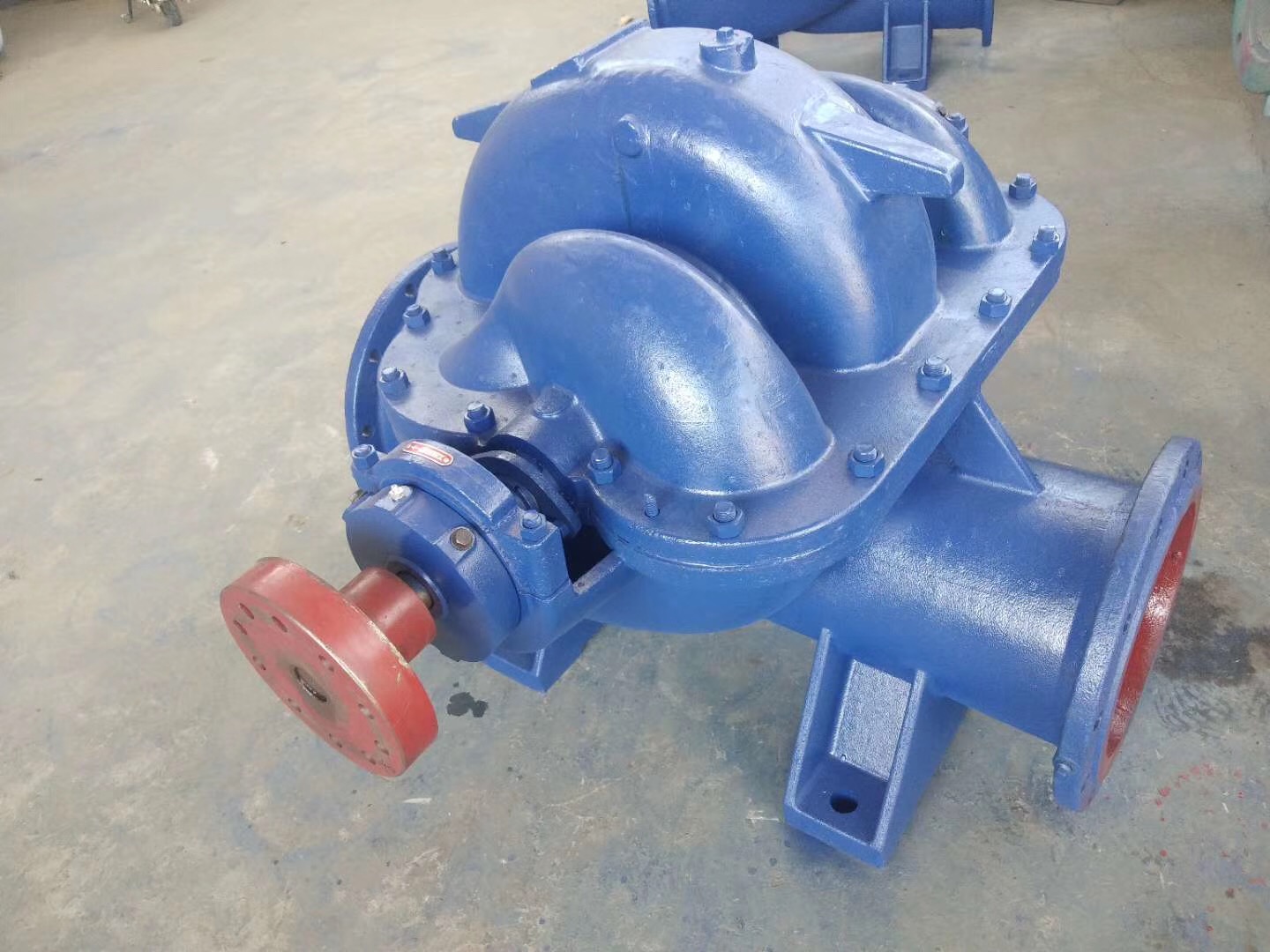
Introduction
Single phase sewage submersible pumps are electromechanical devices designed for the efficient removal of wastewater, sewage, and effluent. Unlike surface-mounted pumps, submersible pumps are hermetically sealed and operate while fully submerged in the fluid being pumped, eliminating the need for priming and minimizing noise pollution. Their technical position within the wastewater treatment chain is critical, serving as the primary means of transferring sewage from collection points to treatment facilities. Core performance characteristics revolve around hydraulic efficiency, solids handling capability, motor thermal protection, and overall durability in corrosive environments. A key industry pain point is balancing pump efficiency with the need to handle increasingly abrasive and fibrous waste streams common in modern sewage systems. Selection focuses on impeller design, motor power, and material compatibility to minimize wear and maximize operational lifespan. Furthermore, energy efficiency is paramount due to the substantial electricity costs associated with continuous pump operation.
Material Science & Manufacturing
The construction of a single phase sewage submersible pump involves several critical material choices and manufacturing processes. Pump housings are traditionally cast from gray iron (ASTM A48 Class 30) due to its excellent wear resistance and cost-effectiveness, although ductile iron (ASTM A536-85) is increasingly favored for improved impact strength. Impellers can be constructed from high-chromium cast iron (ASTM A532 Type III) to resist abrasion from solids, or alternatively, from stainless steel (316L) for highly corrosive environments. Shafts are typically made from 4140 alloy steel, heat-treated and hardened for torsional strength and resistance to fatigue failure. Seals utilize materials like silicon carbide (SiC) against SiC or tungsten carbide (WC) against SiC for superior abrasion and chemical resistance, contained within a robust elastomer (Viton or EPDM) housing. Manufacturing processes include sand casting for housings, investment casting or machining for impellers, and CNC machining for shafts. Motor housings are commonly aluminum alloy (ADC12) for lightweight construction and thermal conductivity. Critical parameter control during manufacturing includes dimensional accuracy of impeller vanes to maximize hydraulic efficiency, proper heat treatment of steel components to achieve desired hardness and toughness, and rigorous testing of seals to ensure watertight integrity. The winding insulation of the motor is crucial, typically employing Class H (180°C) insulation materials to withstand prolonged operation in humid and potentially elevated-temperature conditions.
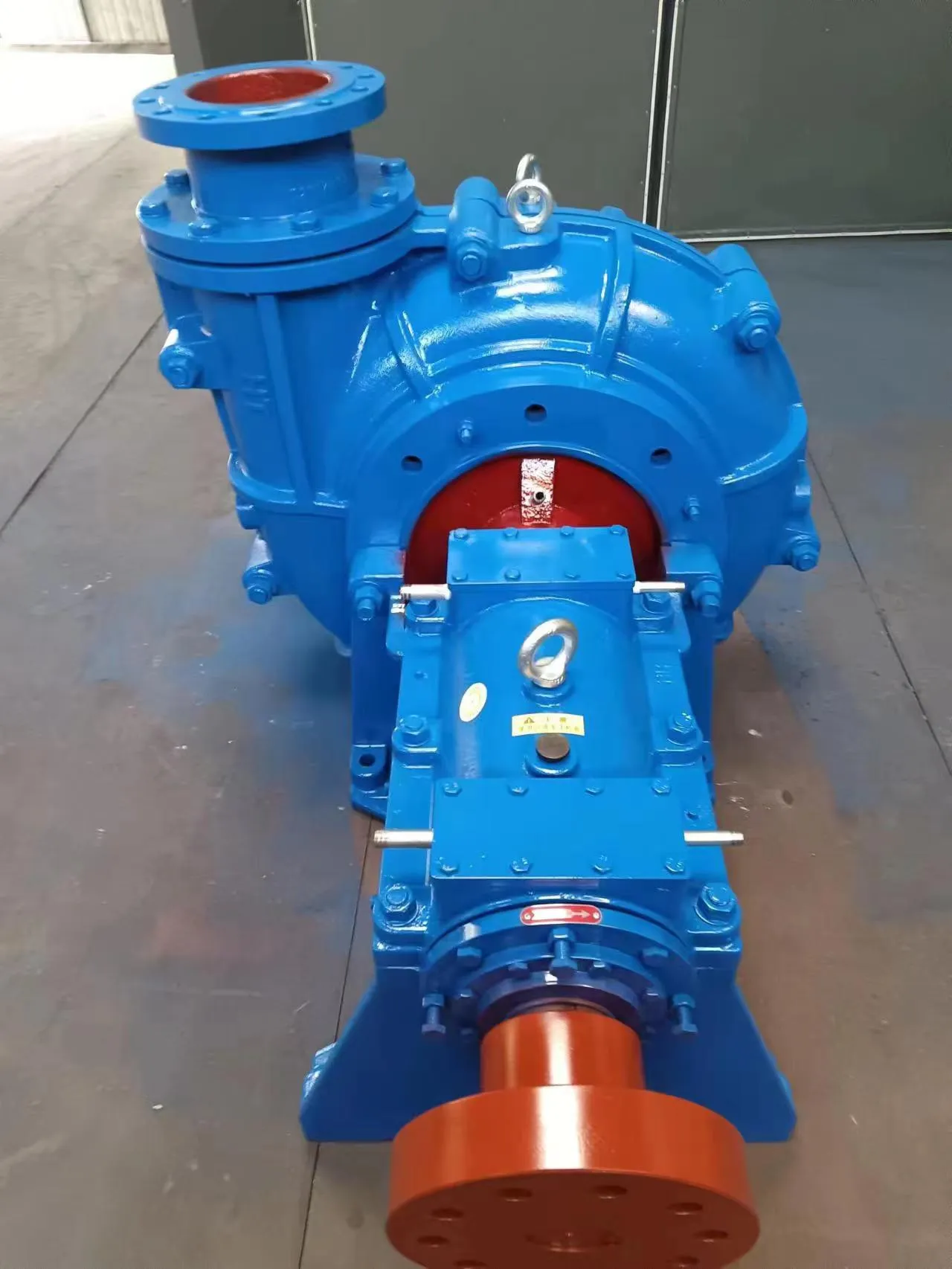
Performance & Engineering
Performance engineering of sewage submersible pumps centers around hydraulic design, motor selection, and structural integrity. Force analysis is crucial, particularly regarding the impeller’s resistance to radial and axial forces induced by fluid flow and solids impact. Finite Element Analysis (FEA) is employed to optimize impeller geometry for minimal stress concentration and prevent fatigue cracking. Environmental resistance is a major concern. Pumps must withstand continuous immersion in corrosive sewage, exposure to hydrogen sulfide (H2S), and potential abrasion from grit and sand. Coatings like epoxy or polyurethane are applied to housings and impellers to provide a barrier against corrosion. Motor design incorporates thermal overload protection (typically utilizing bimetallic strips or thermistors) to prevent overheating and winding damage. Compliance requirements, such as those stipulated by the Clean Water Act (in the US) and relevant EU directives, mandate efficient pump operation and minimal environmental impact. Functional implementation requires careful consideration of the pump’s duty cycle, flow rate, head requirements, and the characteristics of the sewage being pumped. Proper impeller selection (vortex, recessed, or open) is critical for handling different types of solids. The pump’s power cable and float switches (for automatic on/off operation) must be adequately sized and protected against mechanical damage and electrical shorts.
Technical Specifications
| Parameter | Unit | Typical Value (Small Pump) | Typical Value (Large Pump) |
|---|---|---|---|
| Power | kW | 0.75 | 7.5 |
| Voltage | V | 220-240 | 380-415 |
| Flow Rate | m³/h | 5-15 | 100-300 |
| Head | m | 5-10 | 20-40 |
| Solids Handling | mm | 25-50 | 75-100 |
| Impeller Type | - | Vortex/Recessed | Open/Vortex |
Failure Mode & Maintenance
Single phase sewage submersible pumps are susceptible to several failure modes. Fatigue cracking in the impeller is common due to cyclic loading and abrasion from solids. Delamination of protective coatings (epoxy, polyurethane) can lead to corrosion of the underlying metal. Degradation of the pump’s elastomer seals results in water ingress and motor failure. Oxidation of electrical connections causes increased resistance and potential overheating. Bearing failure, due to insufficient lubrication or contamination, is another frequent issue. Winding insulation breakdown due to prolonged exposure to moisture and heat leads to short circuits and motor burnout. Maintenance solutions include regular visual inspections for coating damage and corrosion, periodic lubrication of bearings, checking and tightening electrical connections, and replacement of seals as needed. Preventive maintenance programs should incorporate regular pump cleaning to remove accumulated debris and solids. Motor winding insulation resistance should be tested periodically (using a megohmmeter) to detect early signs of degradation. Impeller wear should be monitored and impellers replaced when their hydraulic performance is significantly reduced. Proper storage of spare parts is crucial to minimize downtime during repairs.
Industry FAQ
Q: What is the impact of varying sewage composition (e.g., increased levels of grit or fibrous materials) on pump selection and lifespan?
A: Increased grit accelerates impeller wear, necessitating the selection of pumps with hardened impellers (high-chrome cast iron or stainless steel) and potentially the installation of upstream grit removal systems. Fibrous materials can wrap around the impeller shaft, causing clogging and reduced efficiency. Vortex or recessed impeller designs are better suited for handling fibrous waste as they minimize the risk of clogging compared to open impeller designs. Regular inspection and cleaning are vital to remove wrapped materials.
Q: How does the pump’s power cable and float switch configuration affect reliability and safety?
A: Undersized power cables can overheat and fail, posing a fire hazard. Cables must be appropriately sized for the pump’s current draw and cable length. Float switches should be regularly tested to ensure proper operation and prevent pump burnout due to dry running. The cable’s outer jacket must be resistant to abrasion and chemical attack. Secure cable entry points are essential to maintain watertight integrity.
Q: What are the key considerations for choosing between a vortex, recessed, or open impeller for a specific sewage application?
A: Vortex impellers are best for applications with high solids content and a high risk of clogging. They have a large free passage and are less efficient. Recessed impellers offer a compromise between solids handling and efficiency. Open impellers provide the highest efficiency but are prone to clogging and are suitable for relatively clean sewage. The selection depends on the specific characteristics of the wastewater.
Q: What are the potential consequences of running a submersible pump dry, and how can this be prevented?
A: Running a pump dry can rapidly overheat the motor, leading to winding burnout and pump failure. It can also damage the mechanical seal due to the lack of cooling and lubrication provided by the fluid. Prevention relies on the proper functioning of float switches or level sensors that automatically shut off the pump when the liquid level drops below a minimum threshold. Regular testing of these devices is crucial.
Q: How important is motor thermal protection, and what are the different types available?
A: Motor thermal protection is paramount to prevent overheating and winding damage. Common methods include bimetallic overload relays, which mechanically trip the circuit when the motor temperature exceeds a set limit, and thermistors (PTC or NTC sensors) embedded in the motor windings, which signal a control circuit to shut off the pump if the temperature rises excessively. The appropriate type of thermal protection depends on the pump’s duty cycle and the potential for overload.
Conclusion
Single phase sewage submersible pumps are essential components of modern wastewater treatment infrastructure, offering a reliable and efficient means of transferring sewage. Their performance is intricately linked to material selection, manufacturing precision, and proper engineering design. Understanding potential failure modes and implementing a robust maintenance program are crucial for maximizing operational lifespan and minimizing costly downtime.
The future of sewage pump technology will likely focus on further improvements in energy efficiency, the development of more abrasion-resistant materials, and the integration of smart sensors for predictive maintenance. These advancements will contribute to more sustainable and cost-effective wastewater management solutions, enabling municipalities to meet increasingly stringent environmental regulations.
-
submersible pump for sewage treatment plant Performance Analysis
News2026-06-01
-
single phase sewage submersible pump Material Science Manufacturing
News2026-06-01
-
sewage water submersible pump Material Science Manufacturing
News2026-06-01
-
Sewage Submersible Pump Price List Performance Analysis
News2026-06-01
-
sewage submersible pump 3hp Performance Analysis
News2026-06-01
-
submersible effluent sewage pump Performance Analysis
News2026-05-31
-
stainless steel submersible sewage pumps Performance Engineering
News2026-05-31
-
stainless steel submersible sewage pump Material Science Manufacturing
News2026-05-31
-
Sewage Submersible Pump Installation Performance Analysis
News2026-05-31
-
sewage submersible pump 2hp Performance Analysis
News2026-05-31
-
sewage submersible pump 1hp Performance Analysis
News2026-05-30
-
1 hp sewage submersible pump Performance Analysis
News2026-05-30
-
waste pump for basement bathroom Performance and Engineering
News2026-05-30
-
Sump Pump Drain Field Performance Analysis
News2026-05-30
-
small sewage pump Performance Analysis
News2026-05-30




