English
- Afrikaans
- Albanian
- Amharic
- Arabic
- Armenian
- Azerbaijani
- Basque
- Belarusian
- Bengali
- Bosnian
- Bulgarian
- Catalan
- Cebuano
- Corsican
- Croatian
- Czech
- Danish
- Dutch
- English
- Esperanto
- Estonian
- Finnish
- French
- Frisian
- Galician
- Georgian
- German
- Greek
- Gujarati
- Haitian Creole
- hausa
- hawaiian
- Hebrew
- Hindi
- Miao
- Hungarian
- Icelandic
- igbo
- Indonesian
- irish
- Italian
- Japanese
- Javanese
- Kannada
- kazakh
- Khmer
- Rwandese
- Korean
- Kurdish
- Kyrgyz
- Lao
- Latin
- Latvian
- Lithuanian
- Luxembourgish
- Macedonian
- Malgashi
- Malay
- Malayalam
- Maltese
- Maori
- Marathi
- Mongolian
- Myanmar
- Nepali
- Norwegian
- Norwegian
- Occitan
- Pashto
- Persian
- Polish
- Portuguese
- Punjabi
- Romanian
- Russian
- Samoan
- Scottish Gaelic
- Serbian
- Sesotho
- Shona
- Sindhi
- Sinhala
- Slovak
- Slovenian
- Somali
- Spanish
- Sundanese
- Swahili
- Swedish
- Tagalog
- Tajik
- Tamil
- Tatar
- Telugu
- Thai
- Turkish
- Turkmen
- Ukrainian
- Urdu
- Uighur
- Uzbek
- Vietnamese
- Welsh
- Bantu
- Yiddish
- Yoruba
- Zulu

Telephone: +86 13120555503
Email: frank@cypump.com


Apr . 01, 2024 17:55 Back to list
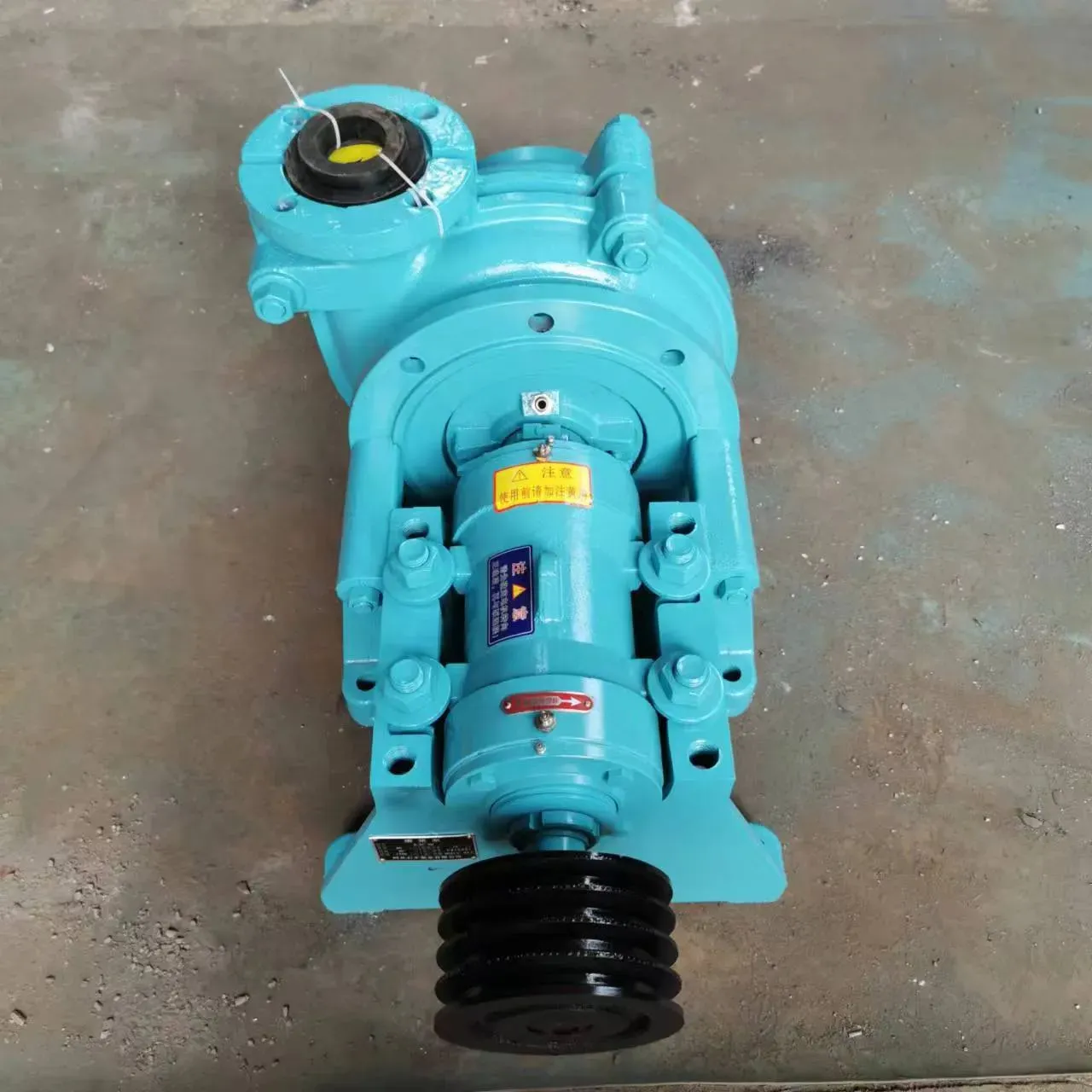
single and double suction centrifugal pump Performance Analysis
Introduction
Single and double suction centrifugal pumps are dynamic machines used to transfer fluids by converting rotational kinetic energy to the hydrodynamic energy of the fluid flow. Positioned as core components in fluid handling systems across diverse industries – including water treatment, petrochemical processing, power generation, and HVAC – these pumps represent a significant portion of the global pump market. Single suction pumps, characterized by fluid entering axially from one side of the impeller, are generally suited for lower flow rate applications. Double suction pumps, conversely, intake fluid axially from both sides of the impeller, offering increased flow capacity and reduced axial thrust. Core performance indicators encompass flow rate (m³/h or GPM), head (meters or feet), power consumption (kW or HP), and Net Positive Suction Head Required (NPSHr). The selection between single and double suction designs, and specific pump characteristics, is critically dependent on application requirements and system constraints. Addressing issues of efficiency, cavitation prevention, and material compatibility are paramount for optimized operation and extended pump lifespan.
Material Science & Manufacturing
Centrifugal pump components are constructed from a range of materials, dictated by the fluid being pumped, operating pressure, temperature, and corrosion potential. Common materials include cast iron (ASTM A48 Class 30 for housings), ductile iron (ASTM A536 65-45-12 for impellers), stainless steel (304, 316 – ASTM A743 for high corrosion resistance), and various alloys (bronze, nickel alloys). Impellers are typically manufactured using investment casting, sand casting, or centrifugal casting, ensuring precise geometry and smooth surface finishes to minimize hydraulic losses. Pump housings utilize sand casting, shell molding, or resin-coated sand casting for complex shapes and dimensional accuracy. Shafts are often forged from alloy steel (4140, 4340 – ASTM A297) and undergo heat treatment (hardening and tempering) to achieve high tensile strength and fatigue resistance. Sealing components, critical for preventing leakage, are frequently made from materials like Viton, PTFE, or silicone rubber, selected for their chemical compatibility and resilience. Manufacturing processes involve precision machining of impeller blades and housing volutes, ensuring tight tolerances and efficient fluid flow. Welding processes (SMAW, GTAW) are used for joining components, requiring qualified welders and non-destructive testing (NDT) – radiography and ultrasonic testing – to verify weld integrity. Quality control focuses on dimensional inspection, hydrostatic testing, and performance testing to confirm adherence to specifications.
Performance & Engineering
Centrifugal pump performance is governed by fundamental principles of fluid dynamics. The pump's head-capacity curve, a key engineering characteristic, depicts the relationship between the flow rate and the pressure developed by the pump. Affinity laws dictate how changes in impeller diameter, rotational speed, or fluid density affect pump performance. Cavitation, a critical operational concern, occurs when the absolute pressure at the impeller inlet falls below the vapor pressure of the liquid, leading to vapor bubble formation and subsequent collapse, causing noise, vibration, and impeller damage. Net Positive Suction Head Required (NPSHr) must be less than the Net Positive Suction Head Available (NPSHa) in the system to prevent cavitation. Axial thrust, a force acting along the pump shaft, is generated by pressure imbalances within the impeller and volute. Double suction pumps, by design, minimize axial thrust. Dynamic balancing of the impeller and shaft assembly is essential to reduce vibration and prolong bearing life. Hydraulic losses, due to friction within the pump, reduce overall efficiency. Optimizing impeller geometry, minimizing flow obstructions, and using smooth surface finishes are crucial for maximizing efficiency. Pump selection must consider the system's total dynamic head (TDH), which accounts for static head, friction losses in piping, and pressure differences. Proper alignment of the pump and motor is essential to prevent premature bearing failure and shaft misalignment.
Technical Specifications
| Parameter | Single Suction Centrifugal Pump (Typical) | Double Suction Centrifugal Pump (Typical) | Units |
|---|---|---|---|
| Flow Rate | 50-500 | 100-1500 | m³/h |
| Head | 5-50 | 10-100 | meters |
| Power | 1.5-30 | 7.5-150 | kW |
| NPSHr | 2-5 | 3-7 | meters |
| Maximum Operating Pressure | 1.6 | 2.5 | MPa |
| Temperature Range | -20 to 120 | -20 to 120 | °C |
Failure Mode & Maintenance
Common failure modes in centrifugal pumps include impeller cracking (due to cavitation or fatigue), bearing failure (due to misalignment, lubrication issues, or overload), seal leakage (due to wear, chemical incompatibility, or improper installation), and casing erosion (due to abrasive particles in the fluid). Fatigue cracking in impellers initiates at stress concentration points and propagates under cyclic loading. Bearing failure manifests as increased vibration, noise, and temperature. Seal leakage can lead to fluid loss, contamination, and potential safety hazards. Regular maintenance is crucial for preventing failures. This includes periodic inspection of bearings, seals, and impellers; lubrication of bearings; monitoring vibration levels; and analyzing oil samples for wear debris. Preventive maintenance schedules should be based on operating hours and fluid conditions. Impeller balancing should be performed periodically to minimize vibration. Seal replacement is recommended at scheduled intervals, or when leakage is detected. Casing repairs may involve welding or epoxy coating to address erosion or corrosion. Root cause analysis of failures is essential for identifying and correcting underlying issues. Proper pump alignment and system commissioning are critical for long-term reliability. Regular monitoring of pump performance parameters – flow rate, head, power consumption – can provide early warning signs of developing problems. Consideration should also be given to proper strainer installation to prevent solids from entering the pump and causing damage.
Industry FAQ
Q: What are the primary differences in application suitability between single and double suction centrifugal pumps?
A: Single suction pumps are generally favored for lower flow rate applications, such as boosting pressure in smaller systems or transferring fluids in residential settings. Double suction pumps excel in high-flow rate applications, such as large-scale water supply, irrigation, and industrial cooling systems. Double suction designs offer the advantage of reduced NPSHr, making them more tolerant of variations in suction conditions. The choice depends largely on the volumetric flow requirements and the specific characteristics of the fluid being pumped.
Q: How does material selection impact the longevity of a centrifugal pump when handling corrosive fluids?
A: Material selection is paramount when dealing with corrosive fluids. Stainless steel (316L) and alloy materials like Hastelloy are commonly employed for their superior corrosion resistance. The chemical compatibility of the pump components with the fluid must be carefully evaluated to prevent premature failure. Coatings, such as epoxy or PTFE, can also be applied to protect pump components from corrosion, but their effectiveness depends on the coating thickness and adhesion.
Q: What are the most effective methods for mitigating cavitation damage within a centrifugal pump?
A: Mitigating cavitation requires addressing the root cause – insufficient NPSHa. Increasing the suction pressure, reducing the fluid temperature, or lowering the pump speed can increase NPSHa. Optimizing the suction piping layout to minimize head loss is also crucial. Impeller designs with improved cavitation performance, such as those with inducer vanes, can also be employed. Regular inspection of impellers for signs of cavitation damage is essential for early detection and repair.
Q: What are the key considerations for selecting the appropriate sealing mechanism for a centrifugal pump?
A: The choice of sealing mechanism (mechanical seal, packing, or lip seal) depends on the fluid being pumped, operating pressure, and temperature. Mechanical seals offer superior leak prevention and are suitable for high-pressure and corrosive applications. Packing is a cost-effective option for lower pressure applications but requires regular adjustment to maintain a tight seal. Lip seals are commonly used for oil lubrication applications. Material compatibility between the seal and the fluid is critical for preventing seal failure.
Q: How important is pump alignment, and what are the consequences of misalignment?
A: Pump alignment is critically important for ensuring efficient operation and prolonging pump and motor life. Misalignment causes excessive vibration, bearing wear, shaft stress, and potential coupling failure. Proper alignment – using laser alignment tools – minimizes these issues. Regular checks and adjustments are recommended, especially after pump installation or maintenance.
Conclusion
Single and double suction centrifugal pumps represent a cornerstone of fluid transfer technology, exhibiting diverse applications across numerous industries. The selection and implementation of these pumps necessitate a thorough understanding of fluid dynamics, material science, and operational parameters. Addressing potential failure modes through proactive maintenance and adherence to industry best practices are essential for maximizing pump reliability, minimizing downtime, and optimizing overall system performance.
Looking ahead, advancements in pump design – including optimized impeller geometries, improved sealing technologies, and the integration of smart sensors for predictive maintenance – will continue to enhance efficiency and reliability. Furthermore, the increasing demand for energy-efficient pumps and sustainable fluid handling solutions will drive innovation in pump materials and control systems. Careful consideration of these factors will be vital for engineering professionals seeking to optimize fluid handling operations in the years to come.
-
Comprehensive Guide to Waterproof ORings for Optimal Sealing Solutions
News2026-06-09
-
submergable pump Material Science
News2026-06-23
-
sewer injection pump Performance Engineering
News2026-06-23
-
Sewer Ejector Pump System Performance Analysis
News2026-06-23
-
septic tank pump for sale Performance Engineering
News2026-06-23
-
septic pump for sale Performance Engineering
News2026-06-23
-
septic ejector system Performance Analysis
News2026-06-22
-
replace septic pump Performance Analysis
News2026-06-22
-
pump system septic tank Performance Analysis
News2026-06-22
-
lift pump for sewer Performance and Engineering
News2026-06-22
-
industrial submersible water pump Material Science
News2026-06-22
-
industrial submersible pumps Material Science and Manufacturing
News2026-06-21
-
best sewer ejector pump Performance Analysis
News2026-06-21
-
best septic pump Performance Analysis
News2026-06-21
-
1 2 hp septic pump Performance Engineering
News2026-06-21




