English
- Afrikaans
- Albanian
- Amharic
- Arabic
- Armenian
- Azerbaijani
- Basque
- Belarusian
- Bengali
- Bosnian
- Bulgarian
- Catalan
- Cebuano
- Corsican
- Croatian
- Czech
- Danish
- Dutch
- English
- Esperanto
- Estonian
- Finnish
- French
- Frisian
- Galician
- Georgian
- German
- Greek
- Gujarati
- Haitian Creole
- hausa
- hawaiian
- Hebrew
- Hindi
- Miao
- Hungarian
- Icelandic
- igbo
- Indonesian
- irish
- Italian
- Japanese
- Javanese
- Kannada
- kazakh
- Khmer
- Rwandese
- Korean
- Kurdish
- Kyrgyz
- Lao
- Latin
- Latvian
- Lithuanian
- Luxembourgish
- Macedonian
- Malgashi
- Malay
- Malayalam
- Maltese
- Maori
- Marathi
- Mongolian
- Myanmar
- Nepali
- Norwegian
- Norwegian
- Occitan
- Pashto
- Persian
- Polish
- Portuguese
- Punjabi
- Romanian
- Russian
- Samoan
- Scottish Gaelic
- Serbian
- Sesotho
- Shona
- Sindhi
- Sinhala
- Slovak
- Slovenian
- Somali
- Spanish
- Sundanese
- Swahili
- Swedish
- Tagalog
- Tajik
- Tamil
- Tatar
- Telugu
- Thai
- Turkish
- Turkmen
- Ukrainian
- Urdu
- Uighur
- Uzbek
- Vietnamese
- Welsh
- Bantu
- Yiddish
- Yoruba
- Zulu

Telephone: +86 13120555503
Email: frank@cypump.com


Apr . 01, 2024 17:55 Back to list
Side Suction Pump Performance Analysis
Introduction
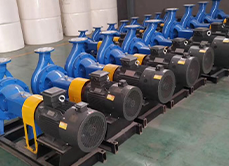
Side suction pumps, a crucial component in numerous industrial fluid handling systems, represent a specific configuration within the broader centrifugal pump family. Distinguished by an inlet nozzle positioned perpendicularly to the pump shaft, they offer advantages in specific applications concerning solids handling and maintenance accessibility. Their technical position within the industrial chain lies between fluid source/storage and process equipment, performing the critical task of transferring liquids. Core performance metrics center on flow rate (typically measured in gallons per minute or cubic meters per hour), head (expressed in feet or meters), and pump efficiency, often evaluated in terms of Hydraulic Efficiency, Volumetric Efficiency, and Overall Efficiency. A primary industry pain point revolves around maintaining consistent performance with varying fluid viscosities and particulate content, alongside minimizing cavitation and associated mechanical stress. The selection of appropriate materials and impeller design is paramount to address these challenges and ensure long-term operational reliability.
Material Science & Manufacturing
The construction of side suction pumps relies heavily on materials exhibiting robust corrosion resistance and mechanical strength. Commonly employed materials include cast iron (ASTM A48, Class 30 for housings), stainless steel (304, 316 for impellers and internal components – conforming to ASTM A743), and specialized alloys like duplex stainless steel for highly corrosive environments. The impeller, the heart of the pump, is typically manufactured via investment casting or sand casting, demanding precise dimensional control to maintain hydraulic balance. Pump housings are typically produced using sand casting or, for higher precision, centrifugal casting. Welding processes (SMAW, GMAW, FCAW) are utilized for joining components, adhering to AWS D1.1 standards. Post-welding heat treatment is crucial to relieve stress and prevent cracking. Shaft material generally utilizes medium carbon steel (AISI 1045) through induction hardening to enhance wear resistance. Elastomeric seals, often composed of Nitrile Butadiene Rubber (NBR) or Viton (FKM), are vital for leak prevention. The manufacturing process necessitates rigorous quality control at each stage, including non-destructive testing (NDT) such as liquid penetrant inspection (LPI) and radiographic testing (RT) to detect internal flaws.
Performance & Engineering
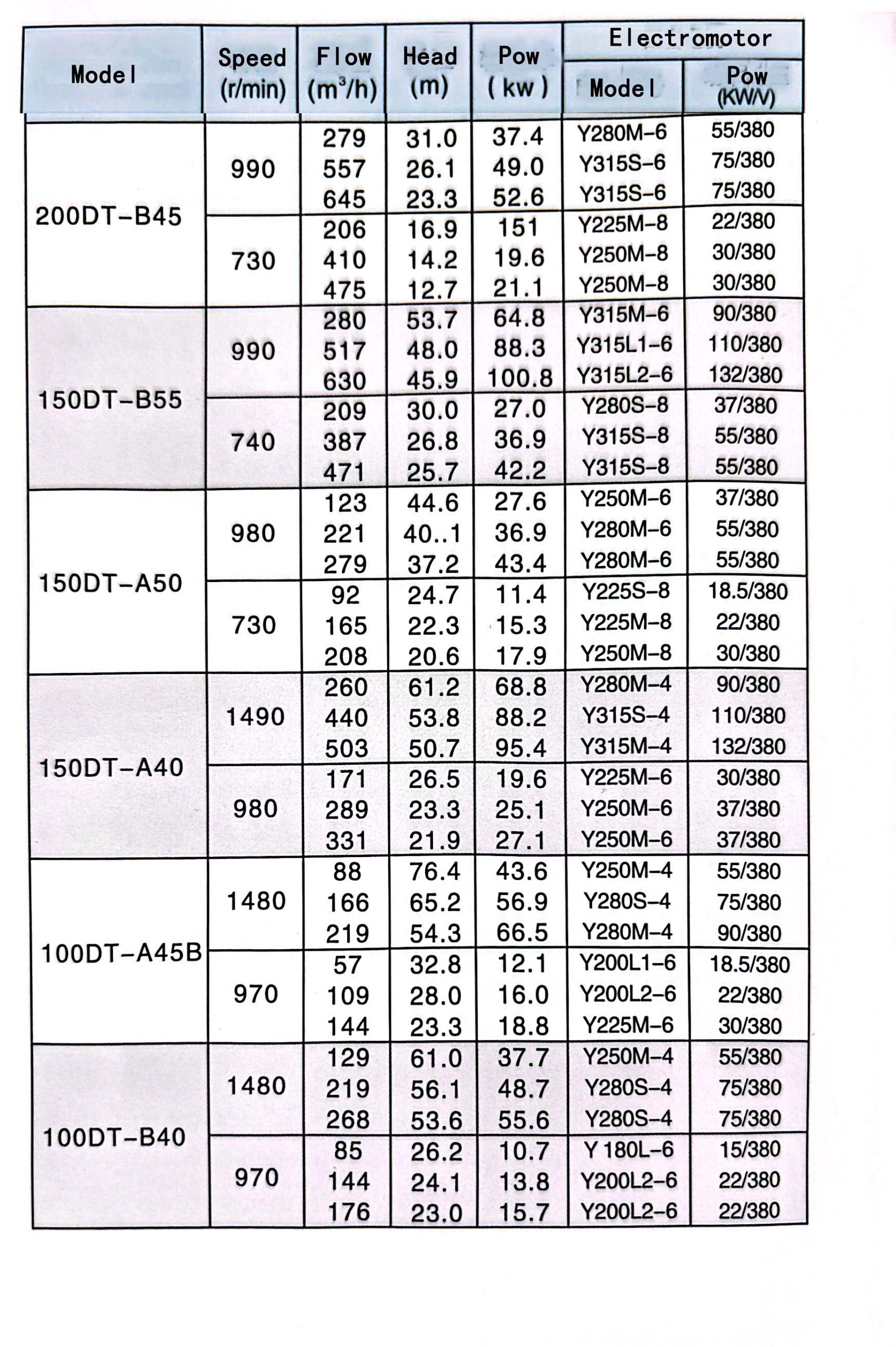
Side suction pump performance is deeply rooted in fluid dynamics and mechanical engineering principles. The pump's performance curve, a graphical representation of head versus flow rate, is critical for selecting the appropriate pump for a specific application. Force analysis focuses on balancing radial and axial thrusts generated by the impeller, utilizing bearings designed to withstand these loads (typically deep groove ball bearings or tapered roller bearings, conforming to ISO 2811). Environmental resistance is addressed through material selection and protective coatings. Pumps operating in corrosive atmospheres require coatings like epoxy or polyurethane to prevent degradation. Cavitation, a major concern, occurs when the absolute pressure at the impeller inlet drops below the liquid's vapor pressure, forming vapor bubbles that collapse violently, causing erosion. Net Positive Suction Head Required (NPSHr), a key design parameter, must be lower than the Net Positive Suction Head Available (NPSHa) to prevent cavitation. Compliance requirements vary by region, but commonly include adherence to Hydraulic Institute (HI) standards for pump testing and performance, and potentially API 610 for larger, more critical applications. Proper pump alignment is vital, adhering to ISO 1940-1 to minimize vibration and bearing wear.
Technical Specifications
| Parameter | Unit | Typical Range (Small Industrial Pump) | Typical Range (Large Industrial Pump) |
|---|---|---|---|
| Flow Rate | GPM (US) | 50-200 | 500-5000 |
| Head | ft | 30-100 | 150-500 |
| Pump Efficiency | % | 65-75 | 70-85 |
| Suction Pipe Diameter | in | 2-4 | 6-12 |
| Discharge Pipe Diameter | in | 2-6 | 8-16 |
| Maximum Operating Pressure | psi | 150 | 300 |
Failure Mode & Maintenance
Side suction pumps are susceptible to several failure modes. Fatigue cracking, particularly in the impeller and pump housing, can occur due to cyclical stress from fluid pressure and vibration. Delamination of coatings (if applied) indicates corrosion or inadequate surface preparation. Mechanical seal failure, resulting in leakage, is a common issue stemming from abrasion, chemical incompatibility, or improper installation. Cavitation erosion damages the impeller vanes, reducing pump efficiency. Bearing failure, manifested by noise and increased vibration, arises from inadequate lubrication, misalignment, or excessive loads. Oxidation of internal components in pumps handling oxidizing fluids can lead to corrosion and reduced performance. Preventive maintenance is critical and includes regular vibration analysis (ISO 10816), lubrication of bearings, inspection of mechanical seals, and monitoring of pump performance parameters (flow, pressure, power consumption). Impeller balancing (ISO 1940-1) is essential to minimize vibration. For significant repairs, a complete pump overhaul, including component replacement, may be necessary. Routine visual inspections for leaks, unusual noises, and overheating should be part of a regular maintenance schedule.
Industry FAQ
Q: What are the key considerations when selecting a side suction pump for handling abrasive slurries?
A: When handling abrasive slurries, material selection is paramount. High-chromium cast iron or hardened stainless steel impellers and housings are recommended. A larger impeller clearance is necessary to accommodate particle passage without excessive wear. Consider using a pump with replaceable wear liners to extend the life of critical components. Furthermore, a lower pump speed reduces the erosive effect of the slurry.
Q: How can cavitation be effectively mitigated in a side suction pump system?
A: Mitigating cavitation requires ensuring sufficient NPSHa. This can be achieved by increasing the suction tank level, reducing suction pipe losses (e.g., using larger diameter piping, minimizing bends), cooling the fluid to reduce vapor pressure, or increasing the pump speed. Proper pump selection, matching the pump characteristics to the system requirements, is also critical.
Q: What is the role of the mechanical seal in preventing pump failure?
A: The mechanical seal prevents leakage and protects the pump's internal components from contamination. Selecting a seal material compatible with the pumped fluid is essential. Proper installation, ensuring adequate lubrication and axial compression, is critical for reliable operation. Regular inspection and replacement of the seal, based on operating conditions and fluid characteristics, is necessary.
Q: What are the typical maintenance intervals for a side suction pump operating in a continuous duty cycle?
A: Typical maintenance intervals include daily visual inspections, weekly vibration analysis, monthly bearing lubrication, and quarterly mechanical seal inspections. A complete pump overhaul, including impeller inspection and replacement of wear components, is generally recommended every 1-3 years, depending on operating conditions and fluid properties.
Q: How does impeller design impact the pump’s efficiency and solids handling capability?
A: Impeller design significantly impacts both efficiency and solids handling. Open impellers are better suited for handling solids, but typically have lower efficiency compared to closed impellers. Vane angle and impeller diameter are critical parameters that influence head, flow rate, and efficiency. Optimizing impeller design for specific fluid characteristics and solids content is essential for maximizing performance.
Conclusion
Side suction pumps represent a versatile and essential technology in industrial fluid transfer. Their specific design facilitates ease of maintenance and effective handling of fluids containing solids. Successful implementation relies on a comprehensive understanding of material science, hydraulic principles, and meticulous adherence to industry standards. Addressing the potential for cavitation, selecting compatible materials, and establishing a robust preventative maintenance program are critical for maximizing pump longevity and minimizing operational downtime.
Future developments in side suction pump technology will likely focus on enhanced impeller designs utilizing computational fluid dynamics (CFD) for optimized efficiency and solids handling. The integration of advanced monitoring systems with predictive maintenance capabilities will further enhance reliability and reduce lifecycle costs. The adoption of sustainable materials and energy-efficient designs will also become increasingly important as industries strive to minimize their environmental impact.
-
1 2 hp sewage ejector pump Performance Engineering
News2026-05-25
-
Zoeller 1/2 hp sewage pump Performance Analysis
News2026-05-25
-
Effluent Pump Performance Analysis
News2026-05-25
-
sump pump vs effluent pump Performance Analysis
News2026-05-25
-
sewer pumps residential Performance Analysis
News2026-05-25
-
Sewage Pump Company Performance and Engineering
News2026-05-24
-
sewage pump 1/2 hp Performance Analysis
News2026-05-24
-
Sewage Ejector Systems Performance Analysis
News2026-05-24
-
Sewage Ejection System Material Science and Manufacturing
News2026-05-24
-
sewage and effluent pumps Performance Engineering
News2026-05-24
-
pump for sewage water Performance Analysis
News2026-05-23
-
plumbing sewage ejector pump Performance Engineering
News2026-05-23
-
home sewer pump station Performance and Engineering
News2026-05-23
-
high pressure sump pump Performance Analysis
News2026-05-23
-
high head effluent pump Performance Analysis
News2026-05-23




