English
- Afrikaans
- Albanian
- Amharic
- Arabic
- Armenian
- Azerbaijani
- Basque
- Belarusian
- Bengali
- Bosnian
- Bulgarian
- Catalan
- Cebuano
- Corsican
- Croatian
- Czech
- Danish
- Dutch
- English
- Esperanto
- Estonian
- Finnish
- French
- Frisian
- Galician
- Georgian
- German
- Greek
- Gujarati
- Haitian Creole
- hausa
- hawaiian
- Hebrew
- Hindi
- Miao
- Hungarian
- Icelandic
- igbo
- Indonesian
- irish
- Italian
- Japanese
- Javanese
- Kannada
- kazakh
- Khmer
- Rwandese
- Korean
- Kurdish
- Kyrgyz
- Lao
- Latin
- Latvian
- Lithuanian
- Luxembourgish
- Macedonian
- Malgashi
- Malay
- Malayalam
- Maltese
- Maori
- Marathi
- Mongolian
- Myanmar
- Nepali
- Norwegian
- Norwegian
- Occitan
- Pashto
- Persian
- Polish
- Portuguese
- Punjabi
- Romanian
- Russian
- Samoan
- Scottish Gaelic
- Serbian
- Sesotho
- Shona
- Sindhi
- Sinhala
- Slovak
- Slovenian
- Somali
- Spanish
- Sundanese
- Swahili
- Swedish
- Tagalog
- Tajik
- Tamil
- Tatar
- Telugu
- Thai
- Turkish
- Turkmen
- Ukrainian
- Urdu
- Uighur
- Uzbek
- Vietnamese
- Welsh
- Bantu
- Yiddish
- Yoruba
- Zulu

Telephone: +86 13120555503
Email: frank@cypump.com


Apr . 01, 2024 17:55 Back to list
sewer tank pump Performance and Engineering
Introduction
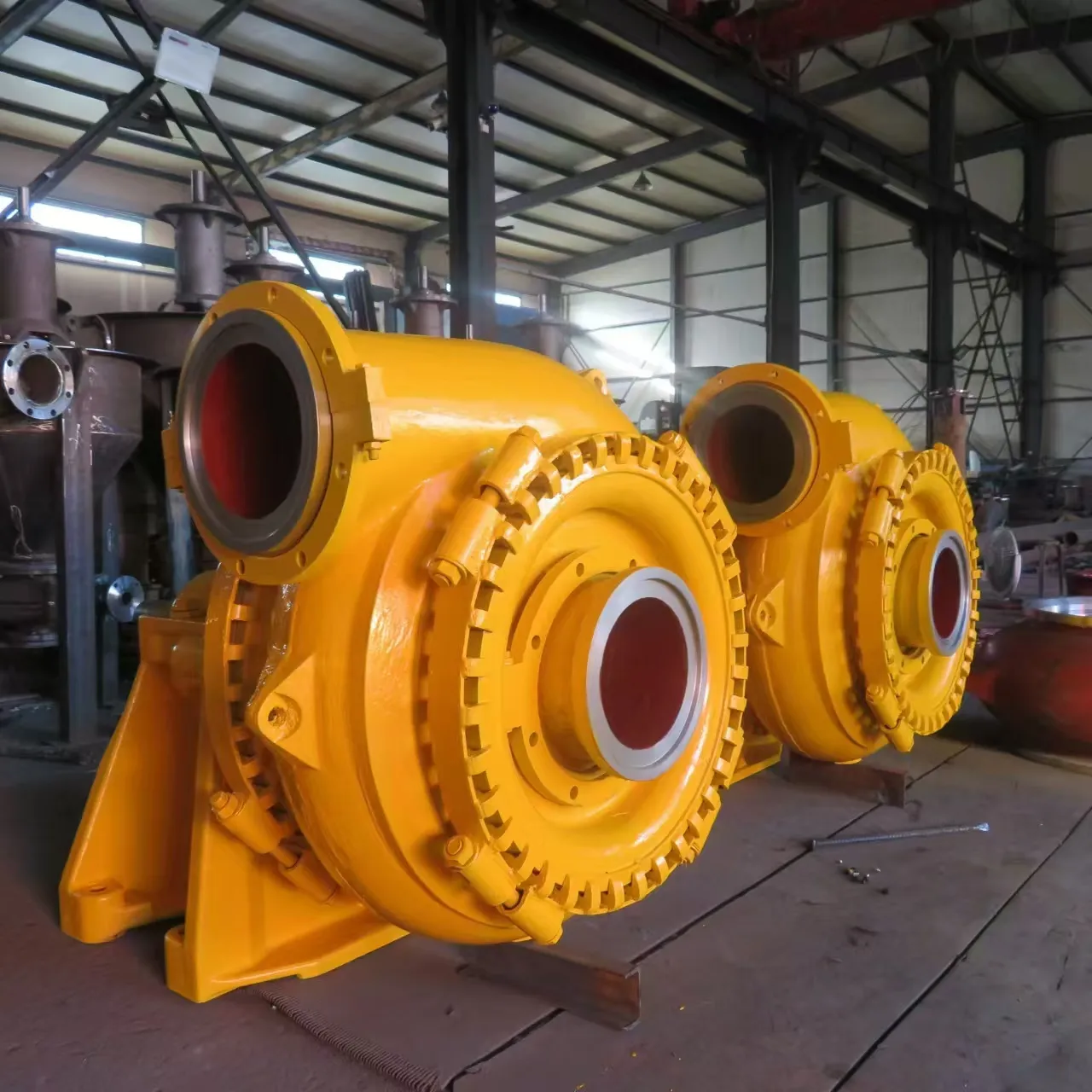
Submersible sewer tank pumps are centrifugal pumps specifically designed for the demanding task of wastewater removal and conveyance. Positioned within the sump of a wastewater tank, these pumps offer a robust solution for handling solids-laden fluids common in municipal and industrial applications. Their technical position within the wastewater treatment chain is critical, serving as the initial stage in moving raw sewage to subsequent treatment processes. Core performance characteristics revolve around hydraulic efficiency, solids handling capability, motor durability in submerged environments, and adherence to stringent discharge regulations. The increasing demand for reliable and energy-efficient wastewater infrastructure drives continued innovation in pump design, materials, and control systems. A primary industry pain point lies in the pump's susceptibility to clogging, corrosion, and motor failure, all necessitating costly maintenance and potential system downtime.
Material Science & Manufacturing
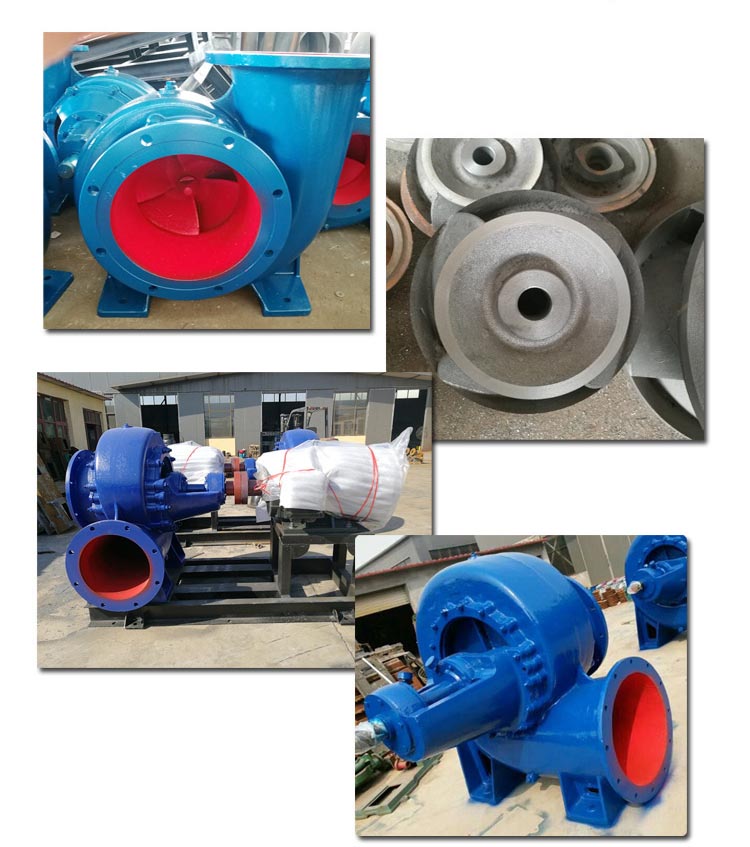
The construction of a sewer tank pump necessitates a careful selection of materials to withstand the corrosive and abrasive nature of wastewater. Pump housings are commonly manufactured from cast iron (ASTM A48 Class 30), ductile iron (ASTM A536 Grade 65-45-12), or stainless steel (304, 316 – ASTM A743). Cast iron provides cost-effectiveness but is prone to corrosion, requiring protective coatings like epoxy or fusion-bonded powder. Ductile iron offers superior strength and impact resistance, enhancing pump longevity. Stainless steel, particularly 316, delivers exceptional corrosion resistance but at a higher material cost. Impellers, responsible for fluid movement, are often constructed from high-chrome iron alloys to resist abrasive wear from solids. Shafts utilize 4140 alloy steel (ASTM A297) heat-treated for tensile strength and fatigue resistance. Seals are commonly made of silicon carbide (SiC) or tungsten carbide (WC) for durability against abrasive particles. Manufacturing processes include sand casting for housings, investment casting for impellers, and CNC machining for precise component tolerances. Critical parameter control focuses on impeller balancing to minimize vibration, seal concentricity to prevent leakage, and coating thickness to ensure adequate corrosion protection. Welding processes, where applicable, must adhere to AWS D1.1 standards for structural welding.
Performance & Engineering
Sewer tank pump performance is dictated by hydraulic design, motor characteristics, and system integration. Force analysis centers on impeller loading, shaft stresses, and bearing capacity. Impeller design utilizes computational fluid dynamics (CFD) to optimize flow patterns and minimize head loss. Hydraulic efficiency, expressed as a percentage, represents the ratio of hydraulic power output to electrical power input. Environmental resistance is paramount, requiring pumps to operate reliably in submerged, often anaerobic conditions. Compliance requirements are driven by National Pollutant Discharge Elimination System (NPDES) permits, dictating discharge limits for suspended solids, biochemical oxygen demand (BOD), and other pollutants. The pump's pumping curve, representing head (pressure) versus flow rate, is a critical engineering consideration for system design. Motor selection is based on required horsepower, voltage, phase, and enclosure type (typically submersible Class H insulation). Pump control systems often incorporate variable frequency drives (VFDs) to optimize energy consumption and maintain desired flow rates. Proper pump sizing and system head calculations are crucial to avoid cavitation (formation of vapor bubbles) and premature pump failure. The effects of wastewater temperature and solids concentration on pump performance must also be accounted for.
Technical Specifications
| Parameter | Unit | Typical Value (Small Pump) | Typical Value (Large Pump) |
|---|---|---|---|
| Flow Rate | GPM (Gallons Per Minute) | 50-150 | 500-2000 |
| Total Dynamic Head | Feet | 20-60 | 80-200 |
| Motor Horsepower | HP | 0.5-2 | 5-20 |
| Impeller Diameter | Inches | 4-6 | 10-18 |
| Solids Handling | Inches | 1-2 | 3-4 |
| Voltage | Volts | 460/3 Phase | 460/3 Phase |
Failure Mode & Maintenance
Sewer tank pump failures commonly stem from several mechanisms. Fatigue cracking can occur in the impeller or shaft due to cyclical loading and vibration. Delamination of protective coatings (epoxy, powder coating) exposes the underlying metal to corrosion. Corrosion, particularly in cast iron housings, leads to material loss and eventual structural failure. Abrasive wear, caused by solids in the wastewater, erodes impeller vanes and wear rings, reducing pump efficiency. Seal failure allows wastewater to enter the motor housing, causing electrical short circuits and motor burnout. Motor winding insulation degradation, due to moisture ingress or overheating, results in decreased motor performance and eventual failure. Maintenance protocols should include regular visual inspections for corrosion and coating damage, impeller wear assessments, seal replacements (annually or based on runtime), and motor winding insulation testing. Preventive maintenance practices, such as periodic pump cleaning and solids removal from the sump, can significantly extend pump life. Vibration analysis can detect early signs of bearing wear or impeller imbalance. Proper lubrication of bearings is critical. A log of maintenance activities and pump performance data should be maintained for trend analysis and proactive failure prevention.
Industry FAQ
Q: What is the impact of rag content in the wastewater on pump performance and longevity?
A: High rag content is a significant contributor to pump clogging and reduced efficiency. Rags wrap around the impeller, restricting flow and increasing motor load. This can lead to overheating and premature motor failure. Anti-rag impellers, designed with recessed vanes and a larger solids passage, are recommended for applications with high rag content. Regular pump cleaning and the implementation of upstream screening systems are also crucial mitigation strategies.
Q: How do you select the appropriate pump material for a specific wastewater composition?
A: Material selection depends on the chemical composition and abrasive content of the wastewater. For neutral pH wastewater with minimal abrasive solids, cast iron with epoxy coating may suffice. For acidic or alkaline wastewater, or wastewater containing corrosive chemicals, ductile iron or stainless steel (316) is preferred. Wastewater with high abrasive solids necessitates the use of high-chrome iron alloys for impellers and wear rings. A thorough chemical analysis of the wastewater is essential for informed material selection.
Q: What are the benefits of utilizing a VFD for sewer tank pump control?
A: VFDs offer significant energy savings by allowing the pump speed to be adjusted to match the actual flow demand. This reduces energy consumption during periods of low flow. VFDs also provide soft-starting capabilities, minimizing mechanical stress on the pump and motor during startup. Furthermore, VFDs can prevent pump overload and protect against damage from power surges.
Q: What is the recommended maintenance schedule for a typical submersible sewer tank pump?
A: A typical maintenance schedule includes visual inspections every 3 months, impeller wear assessment annually, seal replacement annually or after 20,000 operating hours, motor winding insulation testing annually, and bearing lubrication every 6 months. The sump should be cleaned periodically to remove accumulated solids. Maintenance frequency may vary depending on the severity of the operating conditions.
Q: What are the key considerations when specifying a pump for a deep sump application?
A: For deep sump applications, the pump's head capacity must overcome the static head (vertical distance from the pump to the discharge point) plus any friction losses in the piping system. The cable length must be sufficient to reach the pump’s location within the sump, accounting for potential future sludge buildup. Proper float switch settings are crucial for automatic pump operation and to prevent dry running.
Conclusion
Sewer tank pumps represent a vital component of wastewater infrastructure, demanding careful consideration of material science, hydraulic performance, and operational maintenance. The selection process must be guided by a thorough understanding of the wastewater characteristics, system requirements, and applicable regulatory standards. Failure to address these factors can result in reduced pump efficiency, increased maintenance costs, and potential system failures.
Continued innovation in pump design, coupled with the integration of smart control systems and predictive maintenance technologies, promises to further enhance the reliability and sustainability of wastewater treatment processes. Investing in high-quality pumps and implementing robust maintenance programs are essential for ensuring long-term operational efficiency and environmental compliance.
-
Comprehensive Guide to Waterproof ORings for Optimal Sealing Solutions
News2026-06-09
-
heavy duty submersible pump Performance Analysis
News2026-06-25
-
best submersible pump for septic tank Performance Analysis
News2026-06-25
-
basement sewer ejector pump Performance Analysis
News2026-06-25
-
basement pumps ejector pumps Performance Analysis
News2026-06-25
-
basement lift pump Performance and Engineering
News2026-06-25
-
basement bathroom pump systems Performance Analysis
News2026-06-24
-
basement bathroom ejector pump system Performance Engineering
News2026-06-24
-
2 hp sewage pump Performance Engineering
News2026-06-24
-
1 hp septic pump Performance Engineering
News2026-06-24
-
submersible effluent pump Performance Analysis
News2026-06-24
-
submergable pump Material Science
News2026-06-23
-
sewer injection pump Performance Engineering
News2026-06-23
-
Sewer Ejector Pump System Performance Analysis
News2026-06-23
-
septic tank pump for sale Performance Engineering
News2026-06-23




