English
- Afrikaans
- Albanian
- Amharic
- Arabic
- Armenian
- Azerbaijani
- Basque
- Belarusian
- Bengali
- Bosnian
- Bulgarian
- Catalan
- Cebuano
- Corsican
- Croatian
- Czech
- Danish
- Dutch
- English
- Esperanto
- Estonian
- Finnish
- French
- Frisian
- Galician
- Georgian
- German
- Greek
- Gujarati
- Haitian Creole
- hausa
- hawaiian
- Hebrew
- Hindi
- Miao
- Hungarian
- Icelandic
- igbo
- Indonesian
- irish
- Italian
- Japanese
- Javanese
- Kannada
- kazakh
- Khmer
- Rwandese
- Korean
- Kurdish
- Kyrgyz
- Lao
- Latin
- Latvian
- Lithuanian
- Luxembourgish
- Macedonian
- Malgashi
- Malay
- Malayalam
- Maltese
- Maori
- Marathi
- Mongolian
- Myanmar
- Nepali
- Norwegian
- Norwegian
- Occitan
- Pashto
- Persian
- Polish
- Portuguese
- Punjabi
- Romanian
- Russian
- Samoan
- Scottish Gaelic
- Serbian
- Sesotho
- Shona
- Sindhi
- Sinhala
- Slovak
- Slovenian
- Somali
- Spanish
- Sundanese
- Swahili
- Swedish
- Tagalog
- Tajik
- Tamil
- Tatar
- Telugu
- Thai
- Turkish
- Turkmen
- Ukrainian
- Urdu
- Uighur
- Uzbek
- Vietnamese
- Welsh
- Bantu
- Yiddish
- Yoruba
- Zulu

Telephone: +86 13120555503
Email: frank@cypump.com


Apr . 01, 2024 17:55 Back to list
sewer sump pump Performance Analysis
Introduction
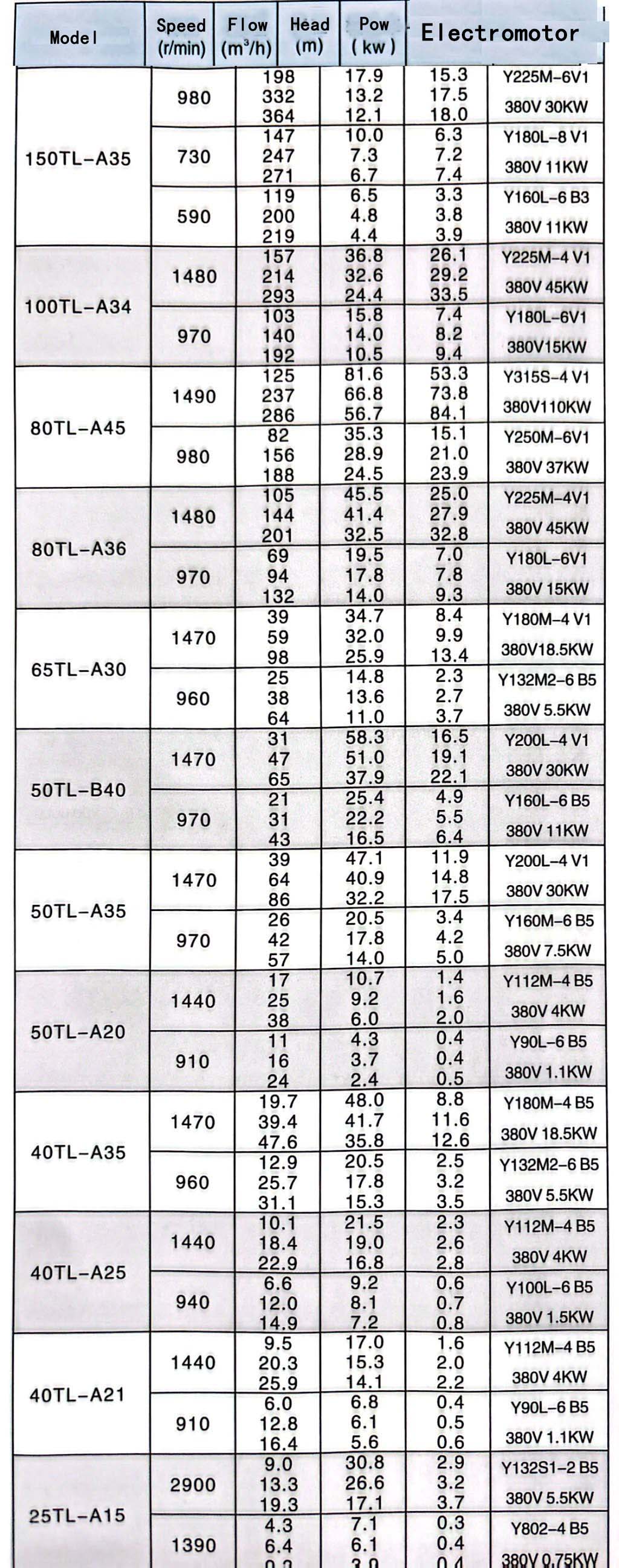
Sewer sump pumps are engineered devices critical for the removal of wastewater from residential, commercial, and industrial properties, particularly in areas where gravity drainage is insufficient. These pumps serve as a vital component of wastewater management systems, preventing backups, flooding, and potential sanitation hazards. Positioned within a basin, typically constructed of polyethylene or cast iron, the pump automatically activates when a pre-set fluid level is reached, discharging the wastewater through a discharge pipe to a designated sewer line or septic system. The core performance characteristics center on flow rate (gallons per minute or liters per minute), head (the maximum height the pump can lift water), horsepower, and solids handling capability. This guide provides an in-depth analysis of sewer sump pump technology, encompassing material science, manufacturing processes, performance engineering, failure modes, and relevant industry standards, addressing the needs of procurement managers, maintenance engineers, and system designers.
Material Science & Manufacturing
The construction of a durable and reliable sewer sump pump necessitates careful material selection. Pump housings are commonly fabricated from cast iron (ASTM A48 Class 30) due to its robust mechanical properties and corrosion resistance, especially when coated with epoxy or other protective layers. Impellers, responsible for imparting kinetic energy to the fluid, are frequently manufactured from stainless steel (304 or 316 grades, adhering to ASTM A240), chosen for its exceptional resistance to corrosion and abrasion from solids present in wastewater. Shafts typically employ 4140 alloy steel (SAE J404) which undergoes heat treatment to enhance tensile strength and hardness, resisting torsional stress during operation. Seals crucial for preventing leakage, commonly utilize materials like silicon carbide (SiC) against SiC for superior wear resistance and chemical compatibility.
Manufacturing processes vary based on component. Cast iron housings are produced via sand casting, requiring precise mold creation and controlled metal pouring to ensure dimensional accuracy and structural integrity. Stainless steel impellers are often manufactured using investment casting (lost-wax casting) for complex geometries and smooth surface finishes, crucial for hydraulic efficiency. Shafts undergo machining and grinding operations to achieve tight tolerances and optimal bearing surfaces. Assembly involves meticulous alignment and fastening procedures, utilizing thread-locking compounds and torque specifications to prevent loosening due to vibration. Motor housings are typically thermoformed from polypropylene, selected for its lightweight properties and resistance to chemicals. Quality control throughout manufacturing includes non-destructive testing (NDT) such as radiographic inspection and ultrasonic testing to identify potential flaws and ensure structural soundness.
Performance & Engineering
Sewer sump pump performance is fundamentally governed by hydraulic principles and motor characteristics. Force analysis considers the hydrostatic pressure exerted by the wastewater column, the dynamic pressure generated by the impeller, and frictional losses within the pump housing and discharge piping. The pump’s head-capacity curve – a graphical representation of the relationship between discharge head and flow rate – is a critical engineering parameter used for system design. Environmental resistance is a key concern, requiring pumps to withstand continuous immersion in corrosive wastewater, temperature fluctuations, and potential exposure to abrasive solids. The pump’s electrical components are encapsulated or sealed to prevent water ingress and short circuits, adhering to NEMA standards for motor enclosures.
Compliance requirements are stringent, demanding adherence to standards such as UL 778 (Submersible Sump and Sewage Pumps), NSF/ANSI 61 (Drinking Water System Components – Health Effects), and local plumbing codes. Functional implementation requires proper sizing of the pump to match the anticipated flow rate and head requirements of the application. Float switches, essential for automatic operation, are rigorously tested for reliability and cycle life, ensuring accurate level detection. Consideration must be given to the potential for clogging by solids, necessitating the selection of pumps with appropriate impeller designs and solids handling capabilities. Vibration analysis is employed during design and testing to minimize noise and prevent premature wear. Pump curves, detailing performance characteristics, are essential for optimal system design and operation. Proper discharge piping and check valve installation prevent backflow and ensure efficient operation.
Technical Specifications
| Parameter | Typical Range (Residential) | Typical Range (Commercial) | Typical Range (Industrial) |
|---|---|---|---|
| Flow Rate (GPM) | 25-75 | 75-150 | 150-500+ |
| Head (ft) | 10-20 | 20-40 | 40-100+ |
| Motor Horsepower (HP) | 1/3 - 1 | 1 - 3 | 3 - 10+ |
| Solids Handling (in) | 1-2 | 2-3 | 3+ |
| Discharge Pipe Size (in) | 1.25 - 2 | 2 - 3 | 3 - 6+ |
| Voltage (V) | 115/230 | 230/460 | 460/575 |
Failure Mode & Maintenance
Sewer sump pumps are susceptible to several failure modes. Fatigue cracking in the impeller or housing can occur due to cyclic loading and stress concentration. Corrosion, particularly in the presence of hydrogen sulfide (H2S) and other corrosive compounds, can lead to material degradation and pump failure. Bearing failure, often caused by inadequate lubrication or contamination, results in increased vibration and reduced pump efficiency. Seal failure allows water ingress, damaging electrical components and leading to short circuits. Clogging by solids restricts flow and overloads the motor, potentially causing burnout.
Preventative maintenance is crucial. Regular inspection for leaks, unusual noises, and excessive vibration is essential. Periodic cleaning of the pump basin to remove debris prevents clogging. Lubrication of bearings according to manufacturer's recommendations extends their lifespan. Monitoring motor current and voltage helps detect potential electrical issues. Annual testing of float switches ensures accurate operation. In the event of failure, thorough failure analysis is recommended to identify the root cause and prevent recurrence. Replacement of worn components, such as impellers, seals, and bearings, restores pump performance. Proper installation and adherence to manufacturer's guidelines significantly reduce the likelihood of failure.
Industry FAQ
Q: What is the impact of wastewater composition on pump material selection?
A: Wastewater composition significantly influences material selection. High concentrations of sulfides, chlorides, and abrasive solids necessitate the use of corrosion-resistant materials like stainless steel (316) and durable elastomers for seals. The presence of organic matter can contribute to anaerobic conditions, promoting microbiologically influenced corrosion (MIC), requiring specific coatings or alloys to mitigate this risk.
Q: How does impeller design affect pump efficiency and solids handling capability?
A: Impeller design directly impacts pump efficiency and solids handling. Open impellers are better suited for handling solids but generally have lower efficiency. Closed impellers offer higher efficiency but are more prone to clogging. Vortex impellers create a swirling action that can effectively pass solids without obstruction, but typically have lower head and flow rates. The optimal impeller design depends on the specific application and anticipated wastewater characteristics.
Q: What are the key considerations for selecting the correct pump size for a given application?
A: Pump size selection requires careful consideration of the anticipated flow rate, total dynamic head (TDH), and solids content of the wastewater. Under-sizing leads to insufficient capacity and potential pump burnout, while over-sizing results in inefficient operation and increased energy consumption. Accurate assessment of the hydraulic profile of the system is crucial for optimal pump selection.
Q: What are the benefits of using a variable frequency drive (VFD) with a sewer sump pump?
A: A VFD allows for precise control of pump speed, optimizing energy consumption and reducing mechanical stress. It can adjust pump output to match actual demand, eliminating the need for frequent on-off cycling. VFDs can also provide soft starting and stopping, reducing water hammer and extending pump lifespan.
Q: How can preventative maintenance programs minimize downtime and extend pump life?
A: Comprehensive preventative maintenance programs should include regular inspections, lubrication, cleaning, and testing of critical components. Monitoring pump performance parameters such as current draw, voltage, and vibration can identify potential issues before they escalate. Proactive replacement of worn components and adherence to manufacturer’s recommendations are essential for minimizing downtime and maximizing pump life.
Conclusion
Sewer sump pumps represent a critical, often unseen, component of modern wastewater infrastructure. Their reliable operation is paramount for preventing property damage, protecting public health, and maintaining environmental sanitation. Understanding the intricacies of material science, manufacturing processes, performance engineering, and potential failure modes is essential for procurement professionals, maintenance engineers, and system designers. Careful selection, proper installation, and diligent preventative maintenance are vital to maximizing pump lifespan and ensuring optimal performance.
Future advancements in sewer sump pump technology will likely focus on improving energy efficiency, enhancing solids handling capabilities, and incorporating smart monitoring systems for predictive maintenance. The integration of IoT sensors and data analytics will enable real-time monitoring of pump performance, providing valuable insights for optimizing operation and preventing costly failures. Continued adherence to evolving industry standards and regulations will be crucial for ensuring the long-term sustainability and reliability of these critical systems.
-
Comprehensive Guide to Waterproof ORings for Optimal Sealing Solutions
News2026-06-09
-
septic system sump pump Performance Analysis
News2026-06-26
-
septic pump company Performance Analysis
News2026-06-26
-
pumps water treatment Performance Analysis
News2026-06-26
-
pumps for septic tanks Material Science and Manufacturing
News2026-06-26
-
pump for septic system Material Science Manufacturing
News2026-06-26
-
heavy duty submersible pump Performance Analysis
News2026-06-25
-
best submersible pump for septic tank Performance Analysis
News2026-06-25
-
basement sewer ejector pump Performance Analysis
News2026-06-25
-
basement pumps ejector pumps Performance Analysis
News2026-06-25
-
basement lift pump Performance and Engineering
News2026-06-25
-
basement bathroom pump systems Performance Analysis
News2026-06-24
-
basement bathroom ejector pump system Performance Engineering
News2026-06-24
-
2 hp sewage pump Performance Engineering
News2026-06-24
-
1 hp septic pump Performance Engineering
News2026-06-24




