English
- Afrikaans
- Albanian
- Amharic
- Arabic
- Armenian
- Azerbaijani
- Basque
- Belarusian
- Bengali
- Bosnian
- Bulgarian
- Catalan
- Cebuano
- Corsican
- Croatian
- Czech
- Danish
- Dutch
- English
- Esperanto
- Estonian
- Finnish
- French
- Frisian
- Galician
- Georgian
- German
- Greek
- Gujarati
- Haitian Creole
- hausa
- hawaiian
- Hebrew
- Hindi
- Miao
- Hungarian
- Icelandic
- igbo
- Indonesian
- irish
- Italian
- Japanese
- Javanese
- Kannada
- kazakh
- Khmer
- Rwandese
- Korean
- Kurdish
- Kyrgyz
- Lao
- Latin
- Latvian
- Lithuanian
- Luxembourgish
- Macedonian
- Malgashi
- Malay
- Malayalam
- Maltese
- Maori
- Marathi
- Mongolian
- Myanmar
- Nepali
- Norwegian
- Norwegian
- Occitan
- Pashto
- Persian
- Polish
- Portuguese
- Punjabi
- Romanian
- Russian
- Samoan
- Scottish Gaelic
- Serbian
- Sesotho
- Shona
- Sindhi
- Sinhala
- Slovak
- Slovenian
- Somali
- Spanish
- Sundanese
- Swahili
- Swedish
- Tagalog
- Tajik
- Tamil
- Tatar
- Telugu
- Thai
- Turkish
- Turkmen
- Ukrainian
- Urdu
- Uighur
- Uzbek
- Vietnamese
- Welsh
- Bantu
- Yiddish
- Yoruba
- Zulu

Telephone: +86 13120555503
Email: frank@cypump.com


Apr . 01, 2024 17:55 Back to list
sewer pumps residential Performance Analysis
Introduction
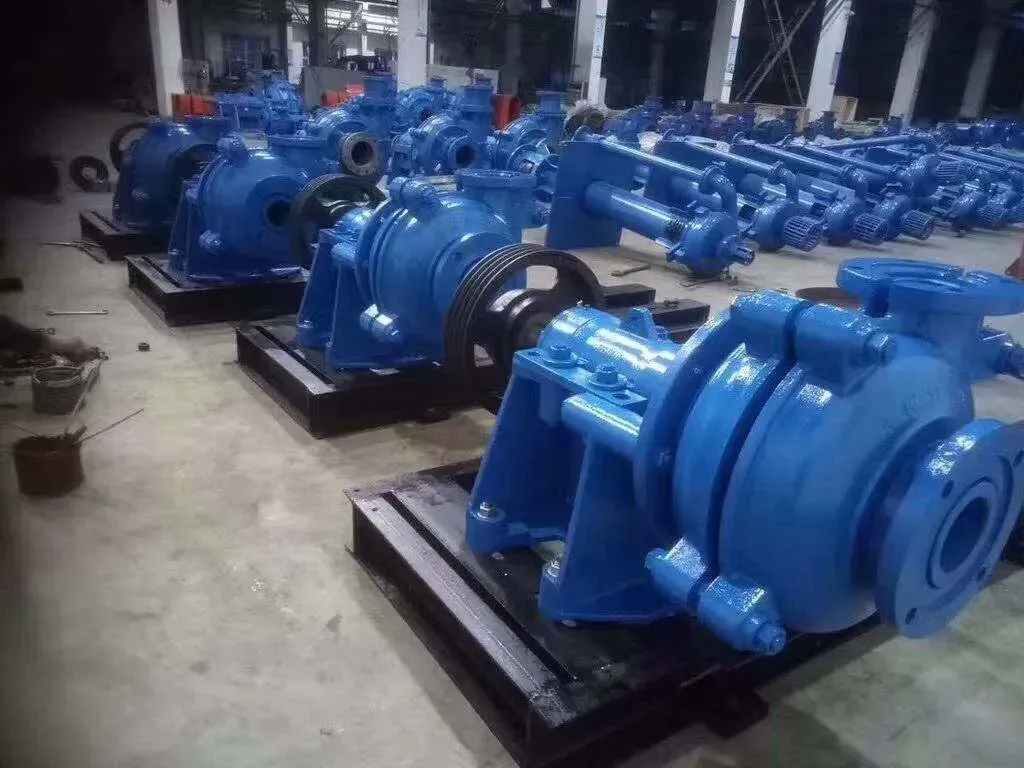
Residential sewer pumps, also known as effluent pumps, are critical components in wastewater management for properties located below the municipal sewer line or where gravity flow is insufficient. These submersible pumps are engineered to collect and discharge wastewater from homes to the main sewer system or a septic tank. Their technical position in the wastewater chain is as the final lift station for individual residences, bridging the gap between in-home plumbing and centralized treatment. Core performance characteristics are defined by flow rate (gallons per minute – GPM), total dynamic head (TDH – the vertical distance the pump can lift the wastewater), horsepower (HP), and solids handling capability. The increasing prevalence of basements, daylight basements and challenging topography dictates the continued need for reliable and efficient residential sewer pump systems. A key pain point in the industry is the balance between upfront cost, long-term reliability, and energy efficiency, compounded by the often harsh and abrasive nature of the wastewater being pumped.
Material Science & Manufacturing
Residential sewer pumps commonly utilize cast iron for the pump housing, offering a robust and cost-effective solution. However, ductile iron is increasingly employed for improved impact resistance and corrosion protection. Impeller materials range from engineered polymers (for handling stringy solids with reduced wear) to stainless steel (for high head applications and abrasive slurries). Shafts are generally constructed from 400-series stainless steel, exhibiting excellent corrosion resistance. Seals are critical; silicon carbide mechanical seals are preferred for their hardness and resistance to wear from solids in the wastewater. Manufacturing typically involves casting the housing, machining critical surfaces for impeller and seal fit, and assembling the pump with the motor. The motor itself is a submersible induction motor, encapsulated in a watertight housing. Key parameter control during manufacturing focuses on impeller balancing (to minimize vibration and maximize efficiency), seal alignment (to prevent leaks and premature failure), and rigorous testing of the pump's hydraulic performance across its entire operating range. Corrosion prevention involves epoxy coatings on cast iron components and the careful selection of stainless steel alloys resistant to chloride attack prevalent in wastewater. The manufacturing process often involves Non-Destructive Testing (NDT) techniques like ultrasonic testing to identify internal flaws in castings.
Performance & Engineering
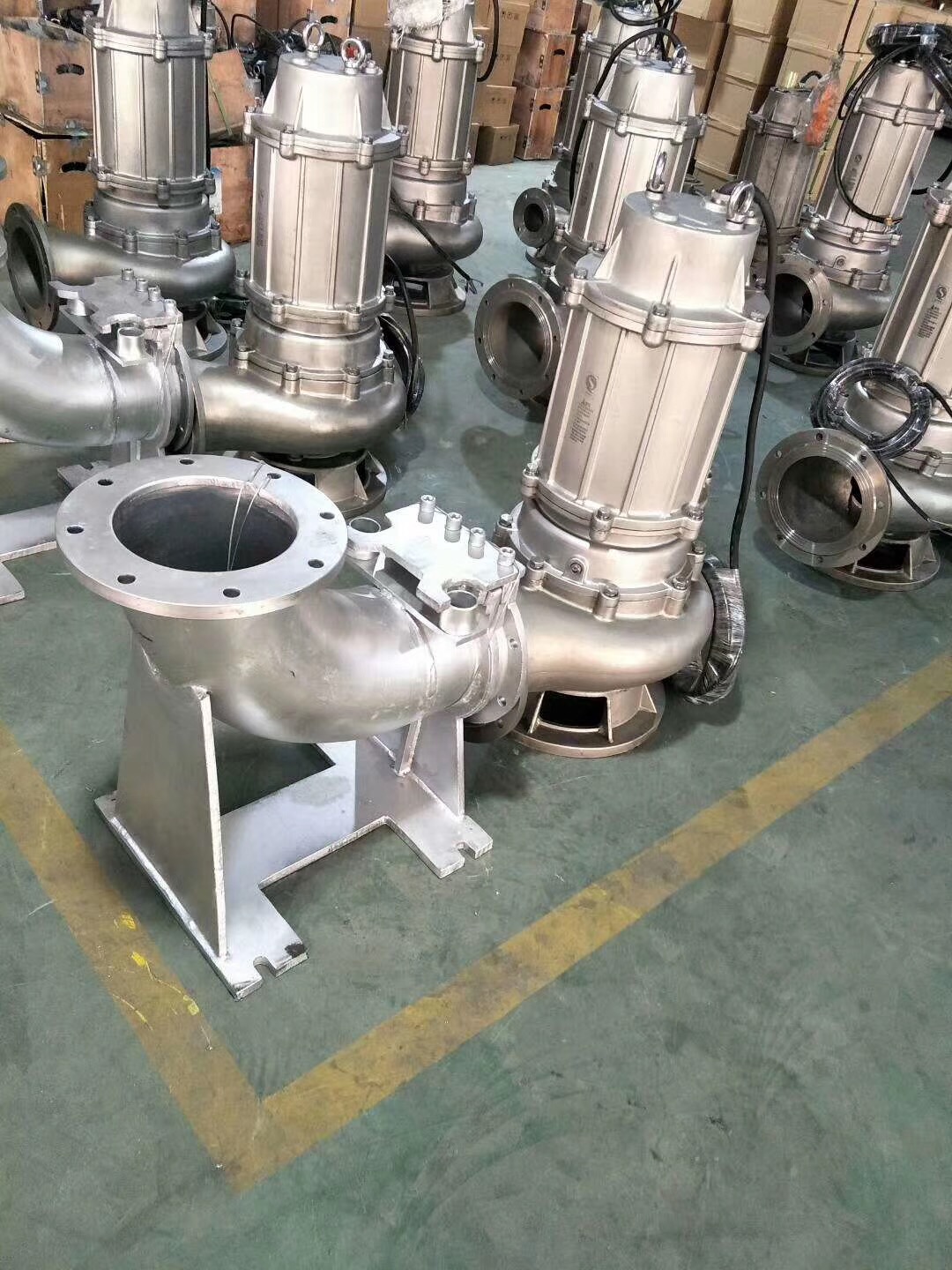
Performance is heavily influenced by hydraulic design, specifically the impeller geometry and volute casing. Impeller vane angles and number are optimized to achieve the desired flow rate and head. The pump’s performance curve, a graphical representation of flow rate versus head, is a crucial engineering consideration. Force analysis dictates material selection and housing thickness to withstand hydrostatic pressure and potential shock loads from solids. Environmental resistance is a key concern, necessitating robust sealing and corrosion-resistant materials. Compliance requirements vary geographically, but generally include UL/CSA safety certifications and adherence to energy efficiency standards. Functional implementation involves proper sizing of the pump to meet the expected wastewater flow and head requirements. A critical engineering detail is the check valve, preventing backflow when the pump is off. Float switches are used to automatically start and stop the pump based on liquid level, preventing dry-running and overflow. Proper venting of the pump chamber is essential to avoid pressure buildup and ensure efficient operation. Cavitation, the formation of vapor bubbles due to low pressure, is a significant performance limitation and must be mitigated through proper pump selection and system design.
Technical Specifications
| Horsepower (HP) | Flow Rate (GPM) | Total Dynamic Head (TDH) - ft | Solids Handling Capability - in |
|---|---|---|---|
| 1/3 HP | 40-60 | 25-35 | 1/2 |
| 1/2 HP | 60-80 | 35-45 | 3/4 |
| 3/4 HP | 80-100 | 45-55 | 1 |
| 1 HP | 100-120 | 55-65 | 1.5 |
| 1.5 HP | 120-140 | 65-75 | 2 |
| 2 HP | 140-160 | 75-85 | 2.5 |
Failure Mode & Maintenance
Common failure modes for residential sewer pumps include impeller wear (due to abrasive solids), seal failure (leading to leaks), motor burnout (caused by overheating or electrical faults), and switch malfunctions (resulting in pump cycling or failure to operate). Fatigue cracking can occur in the pump housing due to repeated stress from pressure fluctuations and vibration. Delamination of epoxy coatings can expose cast iron to corrosion. Oxidation of electrical connections can lead to intermittent operation or complete failure. Failure analysis often reveals the root cause as inadequate solids handling, improper voltage supply, or lack of preventative maintenance. Preventative maintenance should include regular inspection of the pump for leaks, unusual noises, and excessive vibration. Cleaning the pump inlet and impeller is crucial to remove debris. Periodic testing of float switches ensures proper operation. Lubrication of bearings (if applicable) extends pump life. Scheduled replacement of seals is a proactive measure to prevent costly repairs. Monitoring the pump’s amperage draw can indicate potential motor problems. Regular checks of the discharge pipe for obstructions are vital.
Industry FAQ
Q: What is the impact of wastewater composition on pump selection?
A: Wastewater composition significantly impacts pump selection. High solids content necessitates pumps with robust impeller designs and larger solids handling capabilities. The presence of corrosive chemicals (e.g., sulfates) requires corrosion-resistant materials like stainless steel or epoxy coatings. Grease and oils can cause clogging and necessitate pumps with grinder capabilities or specialized impeller designs. The pH of the wastewater also influences material selection, as acidic or alkaline conditions can accelerate corrosion.
Q: How do I determine the correct pump size for my application?
A: Correct pump sizing requires calculating the Total Dynamic Head (TDH), which includes static lift, friction losses in the piping, and any pressure at the discharge point. The required flow rate is determined by the number of fixtures and expected wastewater volume. A safety factor should be added to both TDH and flow rate to account for variations in usage and potential future needs. Using a pump performance curve is essential to ensure the selected pump operates within its optimal efficiency range.
Q: What are the advantages of a grinder pump versus a standard effluent pump?
A: Grinder pumps are designed to macerate solids before pumping, preventing clogging in smaller diameter pipes and allowing for longer pumping distances. Standard effluent pumps are suitable for applications with minimal solids or where larger diameter pipes are used. Grinder pumps are advantageous in situations where space is limited or the sewer line is far from the house, but they consume more energy and require more frequent maintenance.
Q: What is the role of the check valve in a sewer pump system?
A: The check valve prevents backflow of wastewater into the pump chamber when the pump is turned off. This is crucial to prevent the pump from having to re-pump the same water, reducing wear and tear and conserving energy. A malfunctioning check valve can lead to continuous cycling of the pump or even damage to the pump motor.
Q: How important is proper venting of the pump basin?
A: Proper venting is critical. Without adequate venting, a vacuum can form in the pump basin, hindering pump operation and potentially causing damage to the pump or piping. Venting allows air to enter the basin as water is displaced, ensuring efficient and reliable pumping. The vent must be located above the highest possible liquid level and protected from debris.
Conclusion
Residential sewer pumps represent a vital component of modern wastewater management, enabling the effective removal of wastewater from challenging locations. The selection process, driven by factors such as flow rate, head requirements, and wastewater composition, demands a comprehensive understanding of hydraulic principles, material science, and compliance standards. Advancements in impeller design, seal technology, and motor efficiency are continually improving pump performance and reliability.
Looking ahead, the industry is focused on developing more energy-efficient pumps, incorporating smart controls for remote monitoring and diagnostics, and utilizing more sustainable materials. Proper installation, regular maintenance, and adherence to industry best practices are essential to maximize pump lifespan and minimize the risk of costly failures. The increasing demand for decentralized wastewater treatment solutions will further drive innovation in residential sewer pump technology.
-
1 2 hp sewage ejector pump Performance Engineering
News2026-05-25
-
Zoeller 1/2 hp sewage pump Performance Analysis
News2026-05-25
-
Effluent Pump Performance Analysis
News2026-05-25
-
sump pump vs effluent pump Performance Analysis
News2026-05-25
-
sewer pumps residential Performance Analysis
News2026-05-25
-
Sewage Pump Company Performance and Engineering
News2026-05-24
-
sewage pump 1/2 hp Performance Analysis
News2026-05-24
-
Sewage Ejector Systems Performance Analysis
News2026-05-24
-
Sewage Ejection System Material Science and Manufacturing
News2026-05-24
-
sewage and effluent pumps Performance Engineering
News2026-05-24
-
pump for sewage water Performance Analysis
News2026-05-23
-
plumbing sewage ejector pump Performance Engineering
News2026-05-23
-
home sewer pump station Performance and Engineering
News2026-05-23
-
high pressure sump pump Performance Analysis
News2026-05-23
-
high head effluent pump Performance Analysis
News2026-05-23




