English
- Afrikaans
- Albanian
- Amharic
- Arabic
- Armenian
- Azerbaijani
- Basque
- Belarusian
- Bengali
- Bosnian
- Bulgarian
- Catalan
- Cebuano
- Corsican
- Croatian
- Czech
- Danish
- Dutch
- English
- Esperanto
- Estonian
- Finnish
- French
- Frisian
- Galician
- Georgian
- German
- Greek
- Gujarati
- Haitian Creole
- hausa
- hawaiian
- Hebrew
- Hindi
- Miao
- Hungarian
- Icelandic
- igbo
- Indonesian
- irish
- Italian
- Japanese
- Javanese
- Kannada
- kazakh
- Khmer
- Rwandese
- Korean
- Kurdish
- Kyrgyz
- Lao
- Latin
- Latvian
- Lithuanian
- Luxembourgish
- Macedonian
- Malgashi
- Malay
- Malayalam
- Maltese
- Maori
- Marathi
- Mongolian
- Myanmar
- Nepali
- Norwegian
- Norwegian
- Occitan
- Pashto
- Persian
- Polish
- Portuguese
- Punjabi
- Romanian
- Russian
- Samoan
- Scottish Gaelic
- Serbian
- Sesotho
- Shona
- Sindhi
- Sinhala
- Slovak
- Slovenian
- Somali
- Spanish
- Sundanese
- Swahili
- Swedish
- Tagalog
- Tajik
- Tamil
- Tatar
- Telugu
- Thai
- Turkish
- Turkmen
- Ukrainian
- Urdu
- Uighur
- Uzbek
- Vietnamese
- Welsh
- Bantu
- Yiddish
- Yoruba
- Zulu

Telephone: +86 13120555503
Email: frank@cypump.com


Apr . 01, 2024 17:55 Back to list
Sewer Pumps Material Science and Manufacturing
Introduction
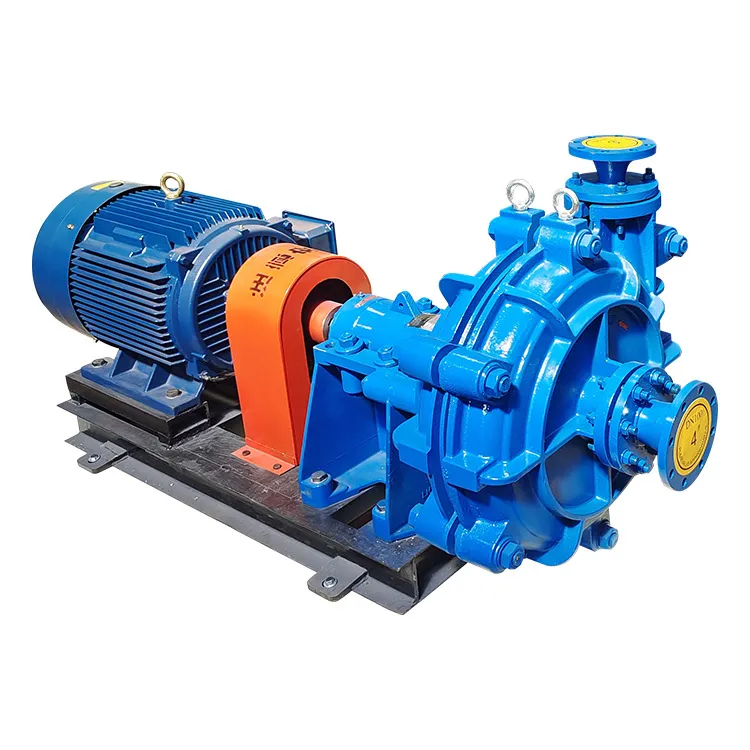
Sewer pumps, also known as lift station pumps or sewage ejector pumps, are critical components within wastewater management infrastructure. These pumps are designed to transfer wastewater from lower elevations to higher elevations, or across obstacles, enabling gravity-based flow to treatment facilities. Technically positioned between the collection system and the treatment plant, sewer pumps overcome elevation differences and maintain consistent flow rates. Their core performance characteristics are defined by flow rate (gallons per minute or liters per second), total dynamic head (TDH) - the vertical distance the pump can lift the fluid plus friction losses in the piping system - and impeller design optimized for handling solids. The increasing urbanization and aging infrastructure present significant operational challenges demanding high reliability, efficiency, and minimal maintenance cycles in sewer pump systems. Failure in these systems leads to sanitary sewer overflows (SSOs), resulting in environmental contamination and public health risks. Modern sewer pump technology incorporates advanced materials, variable frequency drives (VFDs), and sophisticated control systems to address these challenges.
Material Science & Manufacturing
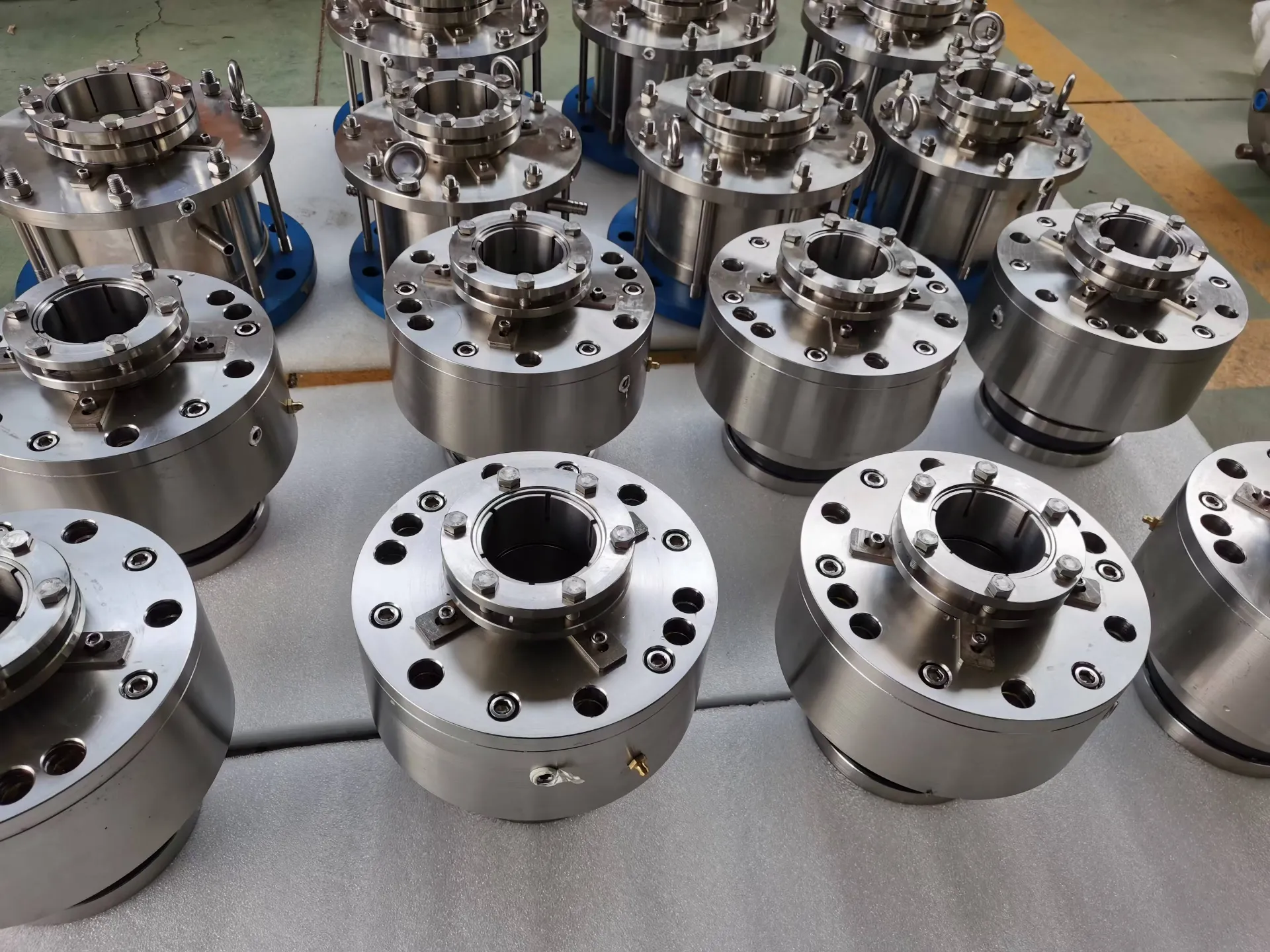
The construction of sewer pumps involves a selection of materials engineered for durability in corrosive environments and resistance to abrasive solids. Pump casings are traditionally manufactured from cast iron (ASTM A48 Class 30) due to its cost-effectiveness and machinability. However, for increased corrosion resistance, ductile iron (ASTM A536-89) and stainless steel (316/316L grade) are increasingly utilized, particularly in applications handling highly corrosive industrial wastewater. Impellers, the rotating component responsible for fluid transport, are commonly manufactured from high-chrome cast iron, providing exceptional abrasion resistance to handle sand, grit, and other particulate matter. Shafts are typically forged from alloy steel (e.g., 4140) and hardened to withstand torsional stress. Seals are crucial for preventing leakage and are often composed of silicon carbide or tungsten carbide mechanical seals, selected for their hardness and chemical inertness.
Manufacturing processes vary based on component complexity. Casings are produced using sand casting, followed by machining to ensure dimensional accuracy and smooth surface finishes. Impellers often utilize investment casting for intricate geometries. Welding is extensively used for joining components, requiring strict adherence to AWS D1.1 standards for structural welding. Critical parameters during manufacturing include impeller balancing (to minimize vibration), seal alignment (to prevent leakage), and coating application (e.g., epoxy coatings for enhanced corrosion protection). Proper heat treatment is crucial for achieving desired material properties like hardness and tensile strength. Non-destructive testing (NDT), such as radiographic inspection and ultrasonic testing, is employed to verify weld integrity and identify any internal defects. Fiberglass Reinforced Polymer (FRP) is becoming more common for wet well construction due to its corrosion resistance, reducing the need for frequent lining repairs.
Performance & Engineering
Sewer pump performance is fundamentally governed by hydraulic principles, specifically Bernoulli’s equation and the affinity laws. Force analysis focuses on both static and dynamic loads. Static loads include the weight of the pump and piping, while dynamic loads arise from fluid flow and pump vibration. The pump’s ability to overcome static head (vertical lift) and friction losses within the piping system dictates the total dynamic head (TDH) it must generate. Pump curves, generated through rigorous testing (ANSI/HI standards), illustrate the relationship between flow rate, head, and efficiency. Environmental resistance is paramount, necessitating consideration of operating temperatures (typically 40-90°F) and potential exposure to corrosive substances. Compliance requirements are stringent, driven by environmental regulations like the Clean Water Act and local municipal codes. Pump selection necessitates careful consideration of the wastewater characteristics, including solids content, pH, and temperature. Impeller design significantly impacts pump performance. Closed impellers are more efficient for clear fluids, while open or semi-open impellers are better suited for handling solids. Variable Frequency Drives (VFDs) enable precise control of pump speed, optimizing energy consumption and minimizing wear and tear by matching pump output to actual demand. Proper pipe sizing and minimizing bends reduce friction losses and enhance overall system efficiency.
Technical Specifications
| Parameter | Typical Range (Small Residential Pump) | Typical Range (Medium Municipal Pump) | Typical Range (Large Industrial Pump) |
|---|---|---|---|
| Flow Rate (GPM) | 20-50 | 100-500 | 1000-5000+ |
| Total Dynamic Head (TDH) (ft) | 10-30 | 50-150 | 200-400+ |
| Motor Horsepower (HP) | 1/2 - 1 | 5 - 25 | 50 - 200+ |
| Impeller Diameter (in) | 4-6 | 8-12 | 14-24+ |
| Solids Handling Capability (in) | 1/2 | 2-3 | 4-6+ |
| Minimum Wet Well Depth (ft) | 2 | 8 | 15+ |
Failure Mode & Maintenance
Sewer pumps are susceptible to several failure modes. Fatigue cracking can occur in the impeller due to repeated stress from solids impact and cavitation. Cavitation, the formation of vapor bubbles within the pump, erodes the impeller material. Seal failure is a common issue, leading to leakage and potential motor damage. Bearing failure, often caused by inadequate lubrication or contamination, results in increased vibration and eventual pump seizure. Winding failure in the motor can occur due to overheating or voltage imbalances. Corrosion, particularly in aggressive wastewater environments, degrades pump components. Delamination of coatings can expose underlying metal to corrosion. Oxidation of electrical connections increases resistance and can lead to overheating.
Preventive maintenance is crucial for extending pump life. Regular inspection of seals, bearings, and windings is essential. Lubrication schedules must be strictly followed, using appropriate grease types. Wet well cleaning removes accumulated sediment and debris, reducing pump wear. Vibration analysis can detect early signs of bearing or impeller imbalance. Motor insulation resistance testing identifies potential winding faults. Periodic pump curve performance testing verifies pump efficiency and identifies any degradation. A comprehensive maintenance program should include detailed record-keeping and scheduled component replacement based on manufacturer’s recommendations and operating conditions. Proper grounding and surge protection are crucial to safeguard against electrical damage. Upgrading to corrosion-resistant materials and incorporating automated monitoring systems can significantly reduce maintenance requirements and downtime.
Industry FAQ
Q: What is the impact of solids content on pump selection?
A: Higher solids content necessitates pumps with robust impeller designs – typically open or semi-open impellers – capable of handling abrasive materials without clogging. The pump's solids handling capability (specified in inches) must exceed the maximum particle size expected in the wastewater. Additionally, the pump casing material should be selected for abrasion resistance, often utilizing high-chrome cast iron.
Q: How does Variable Frequency Drive (VFD) technology improve pump operation?
A: VFDs allow for precise control of pump speed, optimizing energy consumption by matching pump output to actual demand. This eliminates the inefficiencies of start-stop cycling and reduces mechanical stress on the pump, extending its lifespan. VFDs also provide soft starting capabilities, minimizing hydraulic shock to the piping system.
Q: What are the primary causes of cavitation in sewer pumps?
A: Cavitation occurs when the absolute pressure at the pump inlet falls below the vapor pressure of the liquid, forming vapor bubbles that collapse violently, eroding the impeller. Causes include insufficient net positive suction head available (NPSHa), high fluid temperature, and restrictions in the suction piping. Proper pump selection and pipe sizing are crucial to prevent cavitation.
Q: What maintenance procedures are essential for extending pump life?
A: Regular lubrication of bearings, inspection and replacement of mechanical seals, wet well cleaning, vibration analysis, and motor insulation resistance testing are critical. Implementing a preventative maintenance schedule based on manufacturer's recommendations and operating conditions is paramount.
Q: What are the key considerations for selecting a pump casing material?
A: The pump casing material must be chemically resistant to the wastewater composition and capable of withstanding operating pressures. Ductile iron is a common choice for general applications, while stainless steel (316/316L) is preferred for highly corrosive environments. Epoxy coatings can provide additional corrosion protection for cast iron casings.
Conclusion
Sewer pump technology is a critical cornerstone of modern wastewater infrastructure. Successful implementation relies on a thorough understanding of hydraulic principles, material science, and failure modes. Proper pump selection, coupled with a robust preventative maintenance program, is essential for ensuring reliable operation, minimizing downtime, and protecting the environment. The trend towards smart pump systems incorporating VFDs and remote monitoring capabilities offers significant advantages in terms of energy efficiency and operational optimization.
Future advancements will likely focus on developing more robust and corrosion-resistant materials, enhancing pump efficiency through optimized impeller designs, and integrating advanced sensors for predictive maintenance. As urbanization continues and infrastructure ages, the demand for reliable and efficient sewer pump systems will only increase, driving continued innovation in this critical field. A proactive approach to maintenance and a commitment to utilizing the latest technologies will be key to meeting these challenges.
-
Comprehensive Guide to Waterproof ORings for Optimal Sealing Solutions
News2026-06-09
-
heavy duty submersible pump Performance Analysis
News2026-06-25
-
best submersible pump for septic tank Performance Analysis
News2026-06-25
-
basement sewer ejector pump Performance Analysis
News2026-06-25
-
basement pumps ejector pumps Performance Analysis
News2026-06-25
-
basement lift pump Performance and Engineering
News2026-06-25
-
basement bathroom pump systems Performance Analysis
News2026-06-24
-
basement bathroom ejector pump system Performance Engineering
News2026-06-24
-
2 hp sewage pump Performance Engineering
News2026-06-24
-
1 hp septic pump Performance Engineering
News2026-06-24
-
submersible effluent pump Performance Analysis
News2026-06-24
-
submergable pump Material Science
News2026-06-23
-
sewer injection pump Performance Engineering
News2026-06-23
-
Sewer Ejector Pump System Performance Analysis
News2026-06-23
-
septic tank pump for sale Performance Engineering
News2026-06-23




