English
- Afrikaans
- Albanian
- Amharic
- Arabic
- Armenian
- Azerbaijani
- Basque
- Belarusian
- Bengali
- Bosnian
- Bulgarian
- Catalan
- Cebuano
- Corsican
- Croatian
- Czech
- Danish
- Dutch
- English
- Esperanto
- Estonian
- Finnish
- French
- Frisian
- Galician
- Georgian
- German
- Greek
- Gujarati
- Haitian Creole
- hausa
- hawaiian
- Hebrew
- Hindi
- Miao
- Hungarian
- Icelandic
- igbo
- Indonesian
- irish
- Italian
- Japanese
- Javanese
- Kannada
- kazakh
- Khmer
- Rwandese
- Korean
- Kurdish
- Kyrgyz
- Lao
- Latin
- Latvian
- Lithuanian
- Luxembourgish
- Macedonian
- Malgashi
- Malay
- Malayalam
- Maltese
- Maori
- Marathi
- Mongolian
- Myanmar
- Nepali
- Norwegian
- Norwegian
- Occitan
- Pashto
- Persian
- Polish
- Portuguese
- Punjabi
- Romanian
- Russian
- Samoan
- Scottish Gaelic
- Serbian
- Sesotho
- Shona
- Sindhi
- Sinhala
- Slovak
- Slovenian
- Somali
- Spanish
- Sundanese
- Swahili
- Swedish
- Tagalog
- Tajik
- Tamil
- Tatar
- Telugu
- Thai
- Turkish
- Turkmen
- Ukrainian
- Urdu
- Uighur
- Uzbek
- Vietnamese
- Welsh
- Bantu
- Yiddish
- Yoruba
- Zulu

Telephone: +86 13120555503
Email: frank@cypump.com


Apr . 01, 2024 17:55 Back to list
sewer pump system Performance Engineering
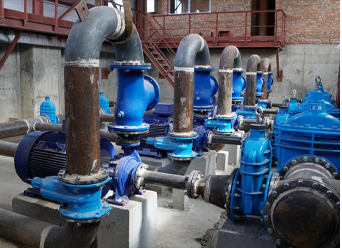
Introduction
Sewer pump systems are engineered solutions designed to efficiently transport wastewater from sources below the gravity drainage level to a point of proper disposal or treatment. Positioned within municipal and industrial wastewater management infrastructure, these systems represent a critical component for reliable sanitation and environmental protection. They overcome elevation challenges and maintain consistent flow even with varying inflow rates. Core performance characteristics center around hydraulic capacity (gallons per minute), total dynamic head (TDH - the maximum height the pump can lift the fluid), pump efficiency, solids handling capability, and overall system reliability. The selection and proper implementation of a sewer pump system directly impact the efficacy of wastewater treatment, reducing the risk of backups, overflows, and associated environmental hazards. This guide provides an in-depth technical overview of sewer pump systems, encompassing material science, manufacturing processes, performance engineering, failure modes, and maintenance protocols.
Material Science & Manufacturing
Sewer pump systems employ a range of materials selected for their corrosion resistance, durability, and suitability for handling abrasive wastewater constituents. Impeller and casing materials commonly include cast iron (ASTM A48 Class 30), ductile iron (ASTM A536 65-45-12), and stainless steel (304, 316, and duplex grades like 2205 for highly corrosive environments). Pump housings are often coated with epoxy or other protective polymers to enhance corrosion resistance. Shafts are typically manufactured from high-strength alloy steel (4140 or similar) and hardened for wear resistance. Seals critical to preventing leakage are usually constructed from elastomers like Nitrile, Viton (fluoroelastomer), or EPDM (ethylene propylene diene monomer) rubber, chosen for their chemical compatibility with wastewater. Manufacturing processes vary depending on component complexity. Casings are frequently produced using sand casting followed by machining. Impellers can be manufactured via investment casting for intricate designs, or centrifugal casting for robust components. Welding processes (SMAW, GTAW) are used for assembling components. Parameter control is vital: proper heat treatment of metal components prevents stress corrosion cracking, while precise machining tolerances ensure hydraulic efficiency and minimize vibration. Surface finishing, such as shot blasting, improves fatigue life and coating adhesion. Quality control necessitates non-destructive testing (NDT) like ultrasonic testing (UT) and radiographic inspection (RT) to detect internal flaws.
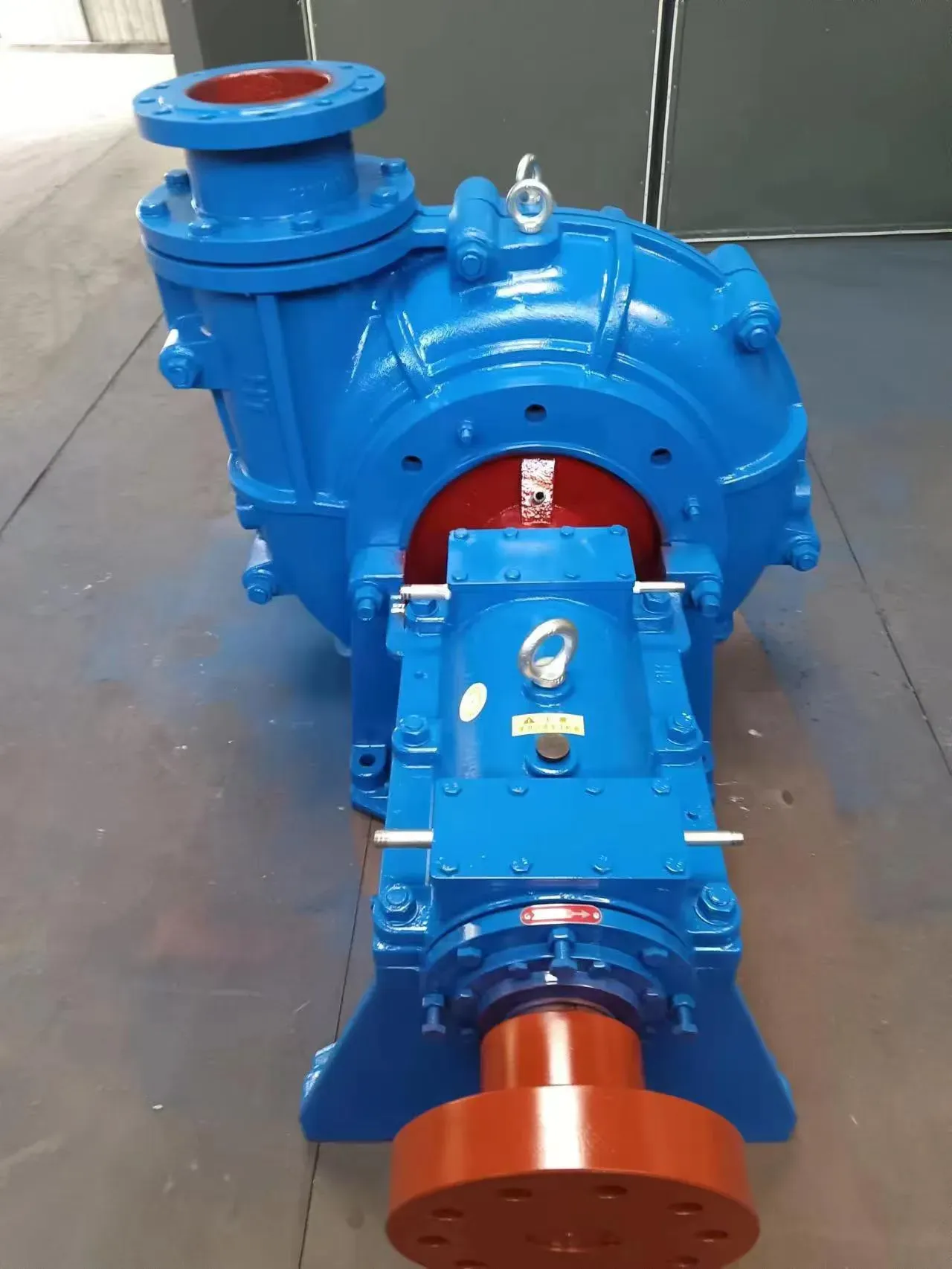
Performance & Engineering
The performance of a sewer pump system is governed by hydraulic principles and motor characteristics. Force analysis involves calculating hydrostatic pressure, dynamic pressure, and frictional losses within the piping network. Pump curves, generated through rigorous testing (ANSI/HI standards), illustrate the relationship between flow rate, head, and efficiency. Environmental resistance is crucial; pumps must withstand fluctuating temperatures, humidity, and potentially corrosive gases (H2S, methane) present in wastewater. Compliance requirements mandate adherence to standards like NSF/ANSI 61 for materials in contact with potable water (indirectly applicable due to potential backflow) and EPA regulations concerning discharge limits. Functional implementation relies on proper pump sizing, selected based on peak flow rates and the static head. Motor selection (typically NEMA standards) requires consideration of horsepower, voltage, enclosure type (submersible, TEFC), and starting torque. Variable Frequency Drives (VFDs) are increasingly employed for energy efficiency and flow control. Pump selection also takes into account the type of solids present in the wastewater. Vortex impellers excel at handling stringy solids and rags, while cutter impellers macerate solids for improved pump performance. System design must also incorporate check valves to prevent backflow and surge protection devices to mitigate water hammer effects.
Technical Specifications
| Parameter | Unit | Typical Range (Submersible Pump) | Typical Range (Dry-Pit Pump) |
|---|---|---|---|
| Flow Rate | GPM (Gallons per Minute) | 50 – 5000 | 100 – 10000 |
| Total Dynamic Head (TDH) | Feet | 20 – 150 | 50 – 300 |
| Motor Horsepower | HP | 0.5 – 200 | 2 – 500 |
| Impeller Type | - | Vortex, Recessed, Cutter | Centrifugal, Axial Flow |
| Solids Handling Capability | Inches | Up to 3 | Up to 6 |
| Operating Temperature | °F | 33 – 90 | 33 – 140 |
Failure Mode & Maintenance
Sewer pump systems are susceptible to various failure modes. Common issues include impeller wear due to abrasive solids, seal failures leading to leakage, motor winding failures from overheating or moisture ingress, and bearing failures caused by contamination or overloading. Fatigue cracking can occur in pump casings and impellers under cyclic loading. Delamination of protective coatings exposes underlying metal to corrosion. Degradation of elastomers (seals, hoses) results in loss of sealing effectiveness. Oxidation and corrosion, particularly in aggressive wastewater environments, reduce component strength. Failure analysis often reveals the root cause – inadequate solids handling, improper lubrication, voltage imbalances, or corrosion from H2S. Preventive maintenance is crucial. Regular inspections should identify wear, corrosion, and leakage. Lubrication of bearings according to manufacturer specifications is essential. Seal replacement should be performed proactively. Motor windings should be tested for insulation resistance. Pump curves should be monitored to detect performance degradation. Cleaning debris screens and flushing the pump station prevent clogging. Routine vibration analysis can detect early signs of bearing failure. Implementing a computerized maintenance management system (CMMS) facilitates scheduling and tracking of maintenance activities, maximizing system uptime and minimizing costly repairs.
Industry FAQ
Q: What are the primary considerations when selecting a submersible pump versus a dry-pit pump?
A: Submersible pumps are preferred for installations where the pump station is prone to flooding or where noise reduction is critical. They are inherently self-priming. Dry-pit pumps require a separate dry well and are easier to maintain as they are readily accessible. However, they require more space and are more susceptible to noise. The total dynamic head and solids content of the wastewater are also key factors in the selection process.
Q: How does the presence of hydrogen sulfide (H2S) impact pump material selection?
A: H2S is a highly corrosive gas prevalent in wastewater systems. It can lead to sulfide stress cracking in certain metals and accelerate corrosion rates. Pumps handling wastewater with high H2S concentrations require materials with superior corrosion resistance, such as duplex stainless steel (2205), or coatings specifically designed to mitigate sulfide corrosion. Regular monitoring of H2S levels is crucial for proactive material selection and maintenance.
Q: What role do variable frequency drives (VFDs) play in optimizing sewer pump system performance?
A: VFDs allow for precise control of pump speed, enabling flow matching to varying demand. This results in significant energy savings, reduced wear and tear on the pump, and improved process control. VFDs also provide soft starting capabilities, minimizing water hammer and reducing stress on the piping system.
Q: What are the best practices for preventing clogging in a sewer pump system?
A: Implementing effective screening upstream of the pump station is paramount. Regularly cleaning and maintaining the screens is crucial. Properly sized pump impellers that are capable of handling the expected solids content are essential. Vortex or cutter impellers are often preferred for applications with high levels of rags and debris. Periodic flushing of the pump station to remove accumulated sediment also helps prevent clogging.
Q: How frequently should pump seals be replaced as part of a preventative maintenance program?
A: The replacement frequency of pump seals depends on factors such as the type of seal material, the abrasiveness of the wastewater, and the operating conditions. As a general guideline, seals should be inspected annually and replaced every 2-3 years. However, in harsh environments with highly abrasive solids, more frequent replacement may be necessary. Monitoring seal leakage and bearing temperature can provide early warning signs of seal failure.
Conclusion
Sewer pump systems represent a critical element of modern wastewater management, requiring meticulous attention to material science, engineering principles, and operational best practices. The selection of appropriate materials, coupled with robust manufacturing processes, dictates the long-term reliability and efficiency of these systems. Proper system design, incorporating considerations for hydraulic performance, environmental resistance, and compliance with industry standards, is paramount for optimal operation.
Implementing a comprehensive preventive maintenance program, including regular inspections, lubrication, and timely component replacement, is essential for minimizing downtime and maximizing the service life of sewer pump systems. Continued advancements in pump technology, such as the integration of VFDs and intelligent control systems, will further enhance their efficiency and performance. Prioritizing these factors ensures the effective and sustainable operation of essential wastewater infrastructure.
-
Comprehensive Guide to Waterproof ORings for Optimal Sealing Solutions
News2026-06-09
-
Waste Tank Pump Performance Analysis
News2026-06-27
-
Sewer System Pump Out Material Science
News2026-06-27
-
Sewer Ejector Pit Performance Analysis
News2026-06-27
-
septic tank pumps for sale Performance Engineering
News2026-06-27
-
septic system with lift pump Performance Engineering
News2026-06-27
-
septic system sump pump Performance Analysis
News2026-06-26
-
septic pump company Performance Analysis
News2026-06-26
-
pumps water treatment Performance Analysis
News2026-06-26
-
pumps for septic tanks Material Science and Manufacturing
News2026-06-26
-
pump for septic system Material Science Manufacturing
News2026-06-26
-
heavy duty submersible pump Performance Analysis
News2026-06-25
-
best submersible pump for septic tank Performance Analysis
News2026-06-25
-
basement sewer ejector pump Performance Analysis
News2026-06-25
-
basement pumps ejector pumps Performance Analysis
News2026-06-25




