English
- Afrikaans
- Albanian
- Amharic
- Arabic
- Armenian
- Azerbaijani
- Basque
- Belarusian
- Bengali
- Bosnian
- Bulgarian
- Catalan
- Cebuano
- Corsican
- Croatian
- Czech
- Danish
- Dutch
- English
- Esperanto
- Estonian
- Finnish
- French
- Frisian
- Galician
- Georgian
- German
- Greek
- Gujarati
- Haitian Creole
- hausa
- hawaiian
- Hebrew
- Hindi
- Miao
- Hungarian
- Icelandic
- igbo
- Indonesian
- irish
- Italian
- Japanese
- Javanese
- Kannada
- kazakh
- Khmer
- Rwandese
- Korean
- Kurdish
- Kyrgyz
- Lao
- Latin
- Latvian
- Lithuanian
- Luxembourgish
- Macedonian
- Malgashi
- Malay
- Malayalam
- Maltese
- Maori
- Marathi
- Mongolian
- Myanmar
- Nepali
- Norwegian
- Norwegian
- Occitan
- Pashto
- Persian
- Polish
- Portuguese
- Punjabi
- Romanian
- Russian
- Samoan
- Scottish Gaelic
- Serbian
- Sesotho
- Shona
- Sindhi
- Sinhala
- Slovak
- Slovenian
- Somali
- Spanish
- Sundanese
- Swahili
- Swedish
- Tagalog
- Tajik
- Tamil
- Tatar
- Telugu
- Thai
- Turkish
- Turkmen
- Ukrainian
- Urdu
- Uighur
- Uzbek
- Vietnamese
- Welsh
- Bantu
- Yiddish
- Yoruba
- Zulu

Telephone: +86 13120555503
Email: frank@cypump.com


Apr . 01, 2024 17:55 Back to list
sewer pump Material Science and Manufacturing
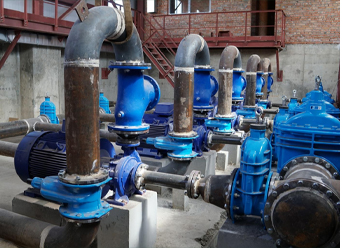
Introduction
Submersible sewer pumps are centrifugal pumps designed for the efficient removal of wastewater and solids from municipal and industrial applications. Positioned within the wastewater treatment chain, these pumps act as a critical link between collection systems and treatment facilities. Their primary function is to lift wastewater from lower elevations to higher elevations, or to transfer it over long distances. Core performance characteristics revolve around hydraulic efficiency, solids handling capability, motor reliability in submerged environments, and corrosion resistance. The increasing demand for efficient wastewater management, driven by population growth and stricter environmental regulations, necessitates robust and reliable sewer pump technology. Common applications include wastewater treatment plants, lift stations, flood control, and industrial effluent management. A key pain point in the industry is premature pump failure due to abrasive solids, corrosive environments, and inadequate motor protection. Selecting the appropriate pump construction materials and control systems is vital for long-term operational integrity.
Material Science & Manufacturing
Sewer pumps are constructed from a variety of materials chosen for their resistance to corrosion, abrasion, and mechanical stress. Pump casings are commonly manufactured from cast iron (ASTM A48 Class 30), ductile iron (ASTM A536-89), or stainless steel (304, 316, or duplex stainless steels). The choice depends on the aggressiveness of the wastewater being handled. Impellers, the rotating components responsible for creating flow, are often made of high-chromium cast iron or stainless steel, prioritizing abrasion resistance. Shafts typically utilize alloy steel (e.g., 4140) with heat treatment for increased strength and fatigue resistance. Seals are crucial for preventing leakage and protecting the motor. Common seal materials include silicon carbide, tungsten carbide, and Viton rubber. Manufacturing processes involve several key steps. Casting is used for the pump housing and impeller. Machining is employed to achieve precise dimensional tolerances and smooth surface finishes. Welding (SMAW, GMAW, or SAW) is used for joining various components, requiring strict adherence to welding procedures (AWS D1.1) to ensure structural integrity. For pumps with plastic components, injection molding (using polypropylene or PVC) is utilized. Motor manufacturing follows standard electric motor production processes, including stator winding, rotor assembly, and impregnation to protect the windings from moisture. Quality control is paramount throughout the manufacturing process, including non-destructive testing (NDT) methods such as ultrasonic testing (UT) and radiographic testing (RT) to detect internal flaws.
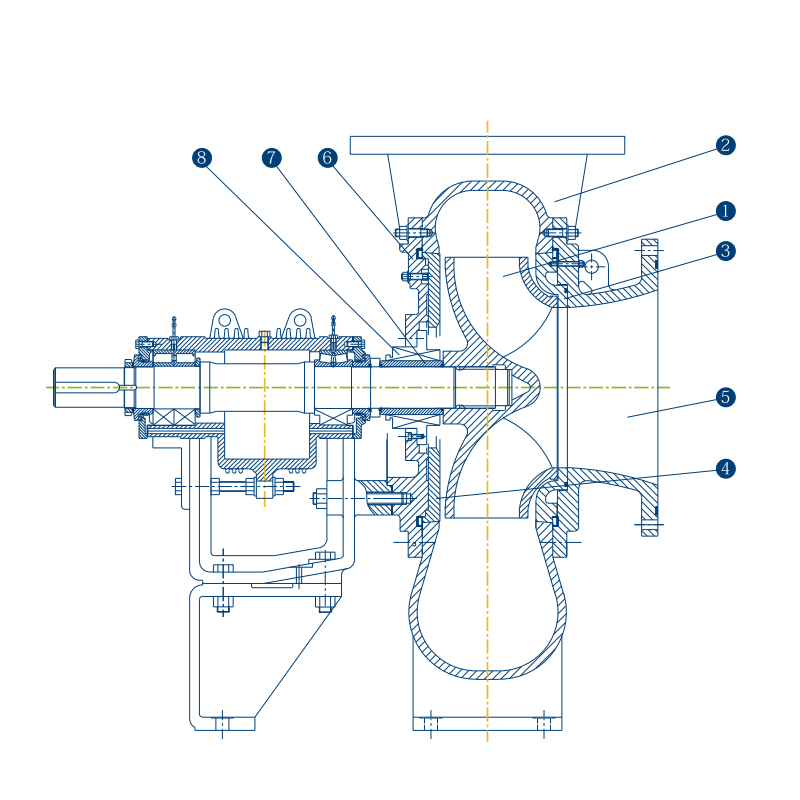
Performance & Engineering
The performance of a sewer pump is governed by hydraulic principles and motor characteristics. Key engineering considerations include head (the height to which the pump can lift the fluid), flow rate (the volume of fluid pumped per unit time), and pump efficiency (the ratio of hydraulic power output to electrical power input). Pump curves, generated through rigorous testing (ANSI/HI 14.6), illustrate the relationship between head, flow rate, and efficiency. Force analysis is critical in pump design, considering radial loads on the impeller and axial thrust on the shaft. Bearings must be sized and selected to withstand these forces, preventing premature failure. Environmental resistance is paramount, particularly in corrosive wastewater environments. Corrosion rates are influenced by pH, temperature, and the concentration of corrosive agents (e.g., sulfates, chlorides). Proper material selection and protective coatings (e.g., epoxy coatings) are essential. Compliance requirements include adherence to National Electrical Manufacturers Association (NEMA) standards for motor performance and safety, and potentially local regulations regarding wastewater discharge. The design of the pump impeller is critical for efficient solids handling. Open impellers are preferred for handling large solids, while closed impellers are more efficient for clean liquids. Pump control systems often incorporate variable frequency drives (VFDs) to optimize energy consumption and provide soft starting/stopping to reduce mechanical stress on the pump and piping system. Understanding pump affinity laws (relationships between flow, head, and power) is crucial for system design and optimization.
Technical Specifications
| Parameter | Unit | Typical Range (Small Pump) | Typical Range (Large Pump) |
|---|---|---|---|
| Flow Rate | GPM (Gallons per Minute) | 20-100 | 200-1000 |
| Total Dynamic Head | ft (Feet) | 10-50 | 80-200 |
| Motor Power | HP (Horsepower) | 0.5-5 | 10-50 |
| Solids Handling Capacity | in (Inches) | Up to 2 | Up to 4 |
| Impeller Material | - | High-Chromium Cast Iron | Stainless Steel (316) |
| Casing Material | - | Ductile Iron | Stainless Steel (Duplex) |
Failure Mode & Maintenance
Sewer pumps are susceptible to several failure modes. Fatigue cracking in the impeller or pump casing can occur due to cyclical loading and vibration. Corrosion, particularly pitting corrosion, can weaken components over time. Abrasion from solids in the wastewater causes wear on the impeller and casing, reducing pump efficiency. Seal failure leads to leakage and potential motor damage. Motor winding failures result from overheating, moisture ingress, or insulation breakdown. Cavitation, caused by low suction pressure, can erode the impeller and casing. Delamination of coatings can expose the underlying metal to corrosion. Oxidation of metallic components is a slow but persistent degradation process. Preventive maintenance is crucial for extending pump life. Regular inspection of seals, bearings, and windings is essential. Lubrication of bearings according to manufacturer’s specifications prevents premature wear. Monitoring motor current and temperature helps detect potential overheating issues. Periodic cleaning of the pump intake to remove debris prevents clogging and reduces stress on the pump. Vibration analysis can identify developing mechanical problems. When replacing components, ensure compatibility with the wastewater being handled and adhere to manufacturer’s recommendations. Implementing a scheduled maintenance program based on operating hours and process conditions is highly recommended.
Industry FAQ
Q: What is the significance of impeller type (open vs. closed) in a sewer pump application?
A: The impeller type directly impacts the pump’s ability to handle solids. Open impellers are designed with larger passages, making them more suitable for wastewater containing rags, debris, and large solids. Closed impellers offer higher hydraulic efficiency for clean liquids but are prone to clogging in wastewater applications. Selecting the appropriate impeller type is crucial for reliable operation and minimizing downtime.
Q: How does the choice of motor insulation class affect the pump’s lifespan in a submerged environment?
A: Motor insulation class dictates the motor’s ability to withstand high temperatures and moisture. For submersible sewer pumps, Class H insulation (180°C) is typically recommended as it provides superior resistance to thermal degradation and moisture ingress compared to lower classes (e.g., Class F, Class B). Proper insulation is critical for preventing winding failures and extending pump life.
Q: What are the common causes of premature seal failure in sewer pumps?
A: Premature seal failure is often caused by abrasive solids, dry running conditions, or improper seal installation. Abrasive particles can wear down the seal faces, leading to leakage. Dry running (operating the pump without sufficient liquid coverage) causes excessive friction and heat, damaging the seal. Ensuring adequate lubrication and preventing the pump from running dry are essential for seal longevity.
Q: How important is corrosion resistance when selecting materials for a sewer pump?
A: Corrosion resistance is paramount. Wastewater contains corrosive agents like sulfates, chlorides, and hydrogen sulfide. Selecting materials like stainless steel (316 or duplex) or applying protective coatings (epoxy) are crucial for preventing corrosion-induced failures. Regular inspection for signs of corrosion is also recommended.
Q: What is the role of a VFD (Variable Frequency Drive) in optimizing sewer pump operation?
A: A VFD allows for precise control of the pump’s motor speed, enabling it to match the flow rate to the actual demand. This optimizes energy consumption, reduces mechanical stress on the pump and piping system, and provides soft starting/stopping to minimize water hammer. VFDs are increasingly common in modern wastewater treatment facilities.
Conclusion
The selection and implementation of sewer pump technology requires a thorough understanding of material science, hydraulic principles, and operational considerations. Addressing the core industry pain points – premature failure due to abrasion, corrosion, and inadequate motor protection – necessitates careful material selection, robust design, and a proactive maintenance program. Continued advancements in motor technology, impeller design, and control systems are leading to more efficient, reliable, and cost-effective wastewater pumping solutions.
Future trends in sewer pump technology will likely focus on enhanced monitoring and diagnostic capabilities, leveraging IoT sensors and data analytics to predict potential failures and optimize pump performance. The development of more corrosion-resistant materials and advanced coatings will further extend pump life in aggressive wastewater environments. Furthermore, integrating pumps into intelligent wastewater management systems will enhance overall efficiency and sustainability.
-
Comprehensive Guide to Waterproof ORings for Optimal Sealing Solutions
News2026-06-09
-
heavy duty submersible pump Performance Analysis
News2026-06-25
-
best submersible pump for septic tank Performance Analysis
News2026-06-25
-
basement sewer ejector pump Performance Analysis
News2026-06-25
-
basement pumps ejector pumps Performance Analysis
News2026-06-25
-
basement lift pump Performance and Engineering
News2026-06-25
-
basement bathroom pump systems Performance Analysis
News2026-06-24
-
basement bathroom ejector pump system Performance Engineering
News2026-06-24
-
2 hp sewage pump Performance Engineering
News2026-06-24
-
1 hp septic pump Performance Engineering
News2026-06-24
-
submersible effluent pump Performance Analysis
News2026-06-24
-
submergable pump Material Science
News2026-06-23
-
sewer injection pump Performance Engineering
News2026-06-23
-
Sewer Ejector Pump System Performance Analysis
News2026-06-23
-
septic tank pump for sale Performance Engineering
News2026-06-23




