English
- Afrikaans
- Albanian
- Amharic
- Arabic
- Armenian
- Azerbaijani
- Basque
- Belarusian
- Bengali
- Bosnian
- Bulgarian
- Catalan
- Cebuano
- Corsican
- Croatian
- Czech
- Danish
- Dutch
- English
- Esperanto
- Estonian
- Finnish
- French
- Frisian
- Galician
- Georgian
- German
- Greek
- Gujarati
- Haitian Creole
- hausa
- hawaiian
- Hebrew
- Hindi
- Miao
- Hungarian
- Icelandic
- igbo
- Indonesian
- irish
- Italian
- Japanese
- Javanese
- Kannada
- kazakh
- Khmer
- Rwandese
- Korean
- Kurdish
- Kyrgyz
- Lao
- Latin
- Latvian
- Lithuanian
- Luxembourgish
- Macedonian
- Malgashi
- Malay
- Malayalam
- Maltese
- Maori
- Marathi
- Mongolian
- Myanmar
- Nepali
- Norwegian
- Norwegian
- Occitan
- Pashto
- Persian
- Polish
- Portuguese
- Punjabi
- Romanian
- Russian
- Samoan
- Scottish Gaelic
- Serbian
- Sesotho
- Shona
- Sindhi
- Sinhala
- Slovak
- Slovenian
- Somali
- Spanish
- Sundanese
- Swahili
- Swedish
- Tagalog
- Tajik
- Tamil
- Tatar
- Telugu
- Thai
- Turkish
- Turkmen
- Ukrainian
- Urdu
- Uighur
- Uzbek
- Vietnamese
- Welsh
- Bantu
- Yiddish
- Yoruba
- Zulu

Telephone: +86 13120555503
Email: frank@cypump.com


Apr . 01, 2024 17:55 Back to list
sewer pump for basement Material Science Manufacturing
Introduction
Submersible sewer pumps for basement applications represent a critical component in residential and light commercial drainage systems, specifically designed to manage wastewater and prevent flooding in areas prone to inundation. These pumps are strategically positioned within a sump pit, operating submerged in the fluid they are tasked with removing. Their technical positioning within the industry chain falls between raw material suppliers (cast iron, stainless steel, polymers), pump component manufacturers (impellers, motors, seals), and the end-user (homeowners, property managers, construction firms). Core performance characteristics are defined by flow rate (gallons per minute or GPM), head (vertical lift capacity in feet), motor horsepower (HP), and solids handling capability (diameter of solids the pump can process without clogging). Effective basement sewer pump operation mitigates significant property damage, health hazards associated with sewage backup, and the costly remediation efforts that often follow flooding events. A key industry pain point resides in balancing pump capacity with the specific drainage needs of a given location, compounded by the potential for abrasive solids within the wastewater stream and the long-term reliability requirements within a typically unattended environment.
Material Science & Manufacturing
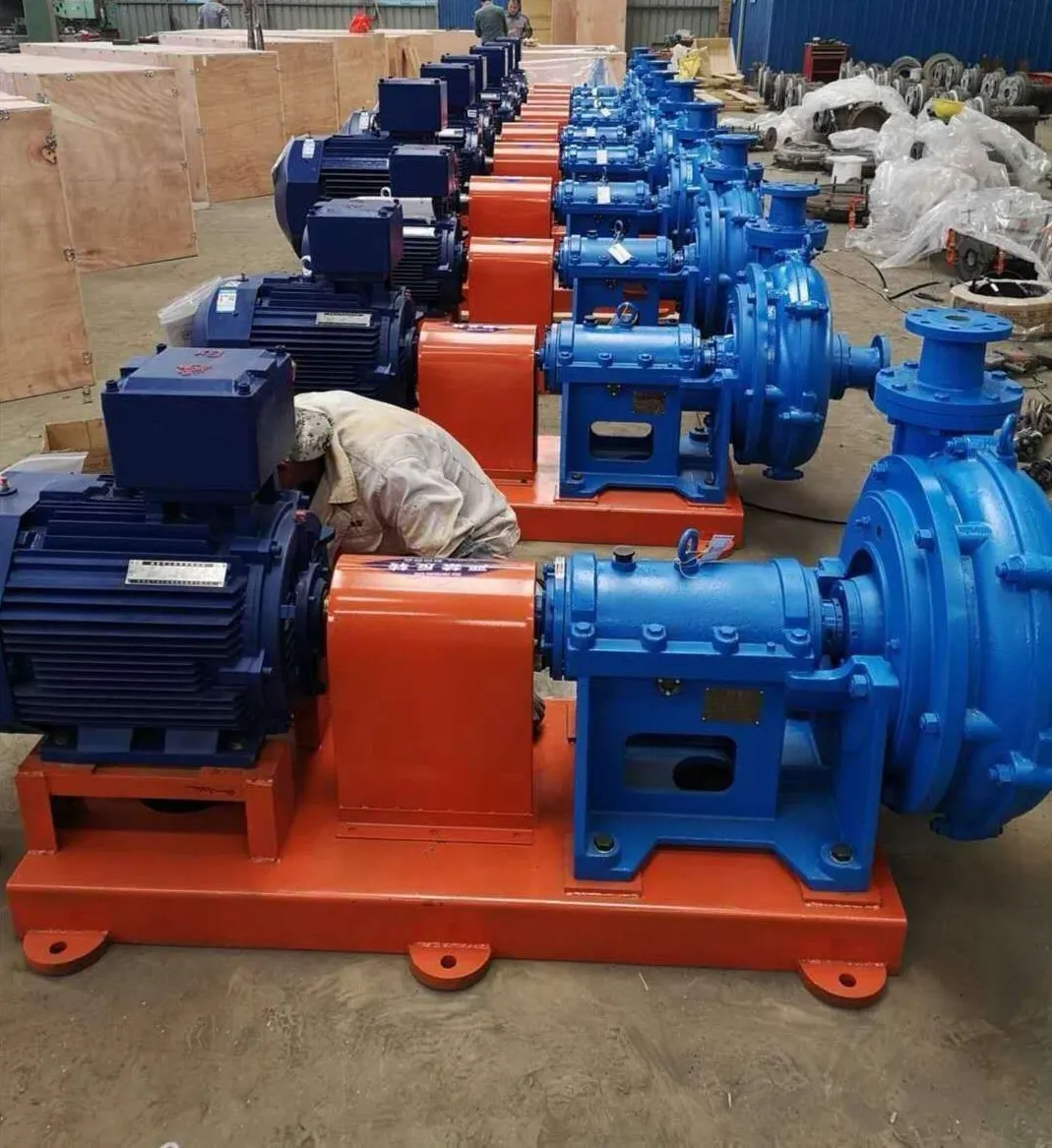
The construction of basement sewer pumps necessitates a robust material selection strategy to ensure longevity and resistance to corrosive fluids. Pump housings are commonly manufactured from cast iron (ASTM A48 Class 30) due to its cost-effectiveness, rigidity, and ability to dampen vibration. However, grey iron is susceptible to corrosion; therefore, epoxy or other polymer coatings are frequently applied as a protective barrier. Impellers, the rotating components responsible for generating flow, are often crafted from stainless steel (304 or 316 stainless steel – ASTM A975) due to its superior corrosion resistance and durability. Motor housings are typically aluminum alloy (die-cast A380) for lightweight characteristics and thermal dissipation. Shafts utilize 4140 steel, heat-treated for enhanced tensile strength and wear resistance. Seals are critical for preventing leakage and are typically constructed from silicon carbide or tungsten carbide materials, selected for their hardness and chemical inertness.
Manufacturing processes involve several key stages. Casting is employed for the housing, followed by machining to precise tolerances. Impellers are typically manufactured via investment casting or forging. Motor stator winding is an automated process demanding high precision. Assembly involves meticulous alignment and sealing procedures. Critical parameter control during manufacturing includes dimensional accuracy of impeller blades (impacts pump efficiency), concentricity of the shaft (reduces vibration and bearing wear), and the quality of welds (ensures structural integrity). Quality control utilizes non-destructive testing methods like radiographic inspection for weld integrity and dye penetrant inspection for surface flaws. The polymer coating application process requires precise control of coating thickness and adhesion to prevent premature coating failure.
Performance & Engineering
The hydraulic performance of a sewer pump is governed by fundamental principles of fluid dynamics. Force analysis considers the radial and axial forces exerted on the impeller by the fluid, necessitating robust bearing design to prevent premature failure. Environmental resistance is paramount, particularly regarding resistance to hydrogen sulfide (H2S) corrosion, a common byproduct of anaerobic decomposition in wastewater. H2S accelerates corrosion of metallic components. Pump materials and coatings must be selected accordingly. Compliance requirements dictate adherence to National Electrical Manufacturers Association (NEMA) standards for motor performance and safety (NEMA MG 1) and Underwriters Laboratories (UL) certification for electrical safety (UL 778 for pumps, UL 508A for industrial control panels). The pump’s lift capacity (head) is directly proportional to the pump's power and inversely proportional to the flow rate. Pump curves, generated through hydraulic testing, illustrate this relationship. Functional implementation requires careful consideration of the sump pit design (size, depth, inlet/outlet placement) to ensure adequate pump submergence and prevent vortex formation, which can lead to air locking.
Pump selection must account for Total Dynamic Head (TDH), which includes static lift (vertical distance from the pump to the discharge point), friction losses in the piping system, and pressure at the discharge point. A properly sized pump will operate within its optimal efficiency range, minimizing energy consumption and extending its lifespan. The pump’s motor is typically a thermally protected induction motor, designed to operate continuously in a wet environment. Overload protection is essential to prevent motor burnout. Proper grounding and bonding are critical for electrical safety.
Technical Specifications
| Parameter | Unit | Typical Range (Residential) | Typical Range (Light Commercial) |
|---|---|---|---|
| Flow Rate | GPM (Gallons Per Minute) | 20-40 | 50-100 |
| Total Head | ft (Feet) | 10-20 | 20-40 |
| Motor Horsepower | HP | 1/3 - 3/4 | 1 - 3 |
| Solids Handling | inches | 1-2 | 2-3 |
| Discharge Size | inches | 1.25 - 2 | 2 - 3 |
| Power Supply | Volts | 115/230 | 230/460 |
Failure Mode & Maintenance
Sewer pumps are susceptible to several failure modes. Fatigue cracking in the impeller, particularly around the vane roots, can occur due to cyclical stress. Delamination of epoxy coatings on the housing exposes the cast iron to corrosion. Degradation of seals leads to leakage and eventual motor damage. Oxidation of electrical connections causes intermittent operation or complete failure. Clogging from non-biodegradable solids (rags, plastics) increases motor load and can cause overheating. Bearing failure is common if the pump handles abrasive materials or experiences excessive vibration. Another prevalent failure is switch malfunction, preventing automatic pump operation.
Preventative maintenance is crucial. Regular inspection of the pump for leaks, unusual noises, and vibration is recommended. Periodic cleaning of the sump pit to remove accumulated debris prevents clogging. Annual inspection and replacement of seals extends pump life. Monitoring motor amperage can detect overload conditions. Thermal imaging can identify hot spots indicating potential electrical issues. Lubrication of bearings (if applicable) reduces friction and wear. For clogged pumps, disconnect power before attempting to clear the obstruction. Professional inspection and repair are advisable for complex issues, such as motor rewinding or impeller replacement. Consider implementing a scheduled maintenance program to proactively address potential problems.
Industry FAQ
Q: What is the primary cause of premature pump failure in residential applications?
A: The most common cause is solids handling limitations. Residential wastewater often contains non-biodegradable materials like wipes and feminine hygiene products. These materials can clog the impeller, overload the motor, and ultimately lead to failure. Proper sump pit screening and homeowner education are critical mitigation strategies.
Q: How does the operating environment (H2S) impact pump lifespan?
A: Hydrogen sulfide gas, produced from anaerobic decomposition, is highly corrosive to many metals commonly used in pump construction. H2S accelerates corrosion of cast iron and certain stainless steel alloys. The use of corrosion-resistant materials (316 stainless steel) and protective coatings (epoxy) are essential for pumps operating in environments with high H2S levels.
Q: What are the key considerations when selecting a pump’s horsepower rating?
A: Horsepower should be determined based on the Total Dynamic Head (TDH) and the required flow rate. An undersized pump will struggle to meet demand, while an oversized pump will cycle excessively, leading to premature wear. Accurate TDH calculation, considering friction losses in the piping, is crucial for proper pump sizing.
Q: What type of float switch is most reliable for automatic operation?
A: A magnetic float switch, encased in a protective cage, is generally considered the most reliable. These switches are less susceptible to fouling from debris compared to mercury or cable-based float switches. Proper adjustment of the switch travel is crucial to prevent short-cycling.
Q: What is the importance of thermal overload protection in the pump motor?
A: Thermal overload protection prevents the motor from overheating due to excessive load or prolonged operation. If the motor reaches a critical temperature, the overload protector will trip, disconnecting power to the motor and preventing damage to the windings. This is a critical safety feature that significantly extends motor life.
Conclusion
The selection, installation, and maintenance of basement sewer pumps require a thorough understanding of hydraulic principles, material science, and relevant industry standards. Optimizing performance necessitates a precise match between pump capacity and the specific drainage requirements of the application, coupled with proactive maintenance to mitigate common failure modes. A robust material selection strategy, incorporating corrosion-resistant alloys and protective coatings, is paramount for ensuring long-term reliability in aggressive wastewater environments.
Future advancements in pump technology will likely focus on enhanced sensor integration for predictive maintenance, improved impeller designs for increased efficiency, and the development of more durable and corrosion-resistant materials. Furthermore, the integration of smart control systems, capable of remotely monitoring pump performance and adjusting operation based on real-time conditions, will play an increasingly important role in optimizing system efficiency and minimizing downtime. Proper system design, paired with diligent maintenance, remains the cornerstone of a reliable basement drainage solution.
-
sewer pump for basement Material Science Manufacturing
News2026-05-29
-
sewage sump pumps Performance and Engineering
News2026-05-29
-
sewage pumps for septic tanks Material Science and Manufacturing
News2026-05-29
-
Sewage Pumping Companies Performance Analysis
News2026-05-29
-
Sewage Pump Manufacturers Performance Engineering
News2026-05-29
-
sewage pump for basement Performance and Engineering
News2026-05-28
-
Sewage Pump Companies Performance Analysis
News2026-05-28
-
Sewage Pit and Pump Performance Analysis
News2026-05-28
-
Sewage Lift Pumps Material Science
News2026-05-28
-
Sewage Ejector Tank Material Science and Manufacturing
News2026-05-28
-
sewage effluent pumps Material Science Manufacturing
News2026-05-27
-
septic tank effluent pump Performance Analysis
News2026-05-27
-
Septic Sewer Pump Performance Analysis
News2026-05-27
-
septic sewage pumps Performance Analysis
News2026-05-27
-
septic sewage pump Material Science and Manufacturing
News2026-05-27




