English
- Afrikaans
- Albanian
- Amharic
- Arabic
- Armenian
- Azerbaijani
- Basque
- Belarusian
- Bengali
- Bosnian
- Bulgarian
- Catalan
- Cebuano
- Corsican
- Croatian
- Czech
- Danish
- Dutch
- English
- Esperanto
- Estonian
- Finnish
- French
- Frisian
- Galician
- Georgian
- German
- Greek
- Gujarati
- Haitian Creole
- hausa
- hawaiian
- Hebrew
- Hindi
- Miao
- Hungarian
- Icelandic
- igbo
- Indonesian
- irish
- Italian
- Japanese
- Javanese
- Kannada
- kazakh
- Khmer
- Rwandese
- Korean
- Kurdish
- Kyrgyz
- Lao
- Latin
- Latvian
- Lithuanian
- Luxembourgish
- Macedonian
- Malgashi
- Malay
- Malayalam
- Maltese
- Maori
- Marathi
- Mongolian
- Myanmar
- Nepali
- Norwegian
- Norwegian
- Occitan
- Pashto
- Persian
- Polish
- Portuguese
- Punjabi
- Romanian
- Russian
- Samoan
- Scottish Gaelic
- Serbian
- Sesotho
- Shona
- Sindhi
- Sinhala
- Slovak
- Slovenian
- Somali
- Spanish
- Sundanese
- Swahili
- Swedish
- Tagalog
- Tajik
- Tamil
- Tatar
- Telugu
- Thai
- Turkish
- Turkmen
- Ukrainian
- Urdu
- Uighur
- Uzbek
- Vietnamese
- Welsh
- Bantu
- Yiddish
- Yoruba
- Zulu

Telephone: +86 13120555503
Email: frank@cypump.com


Apr . 01, 2024 17:55 Back to list
sewer pump for basement bathroom Performance and Engineering
Introduction
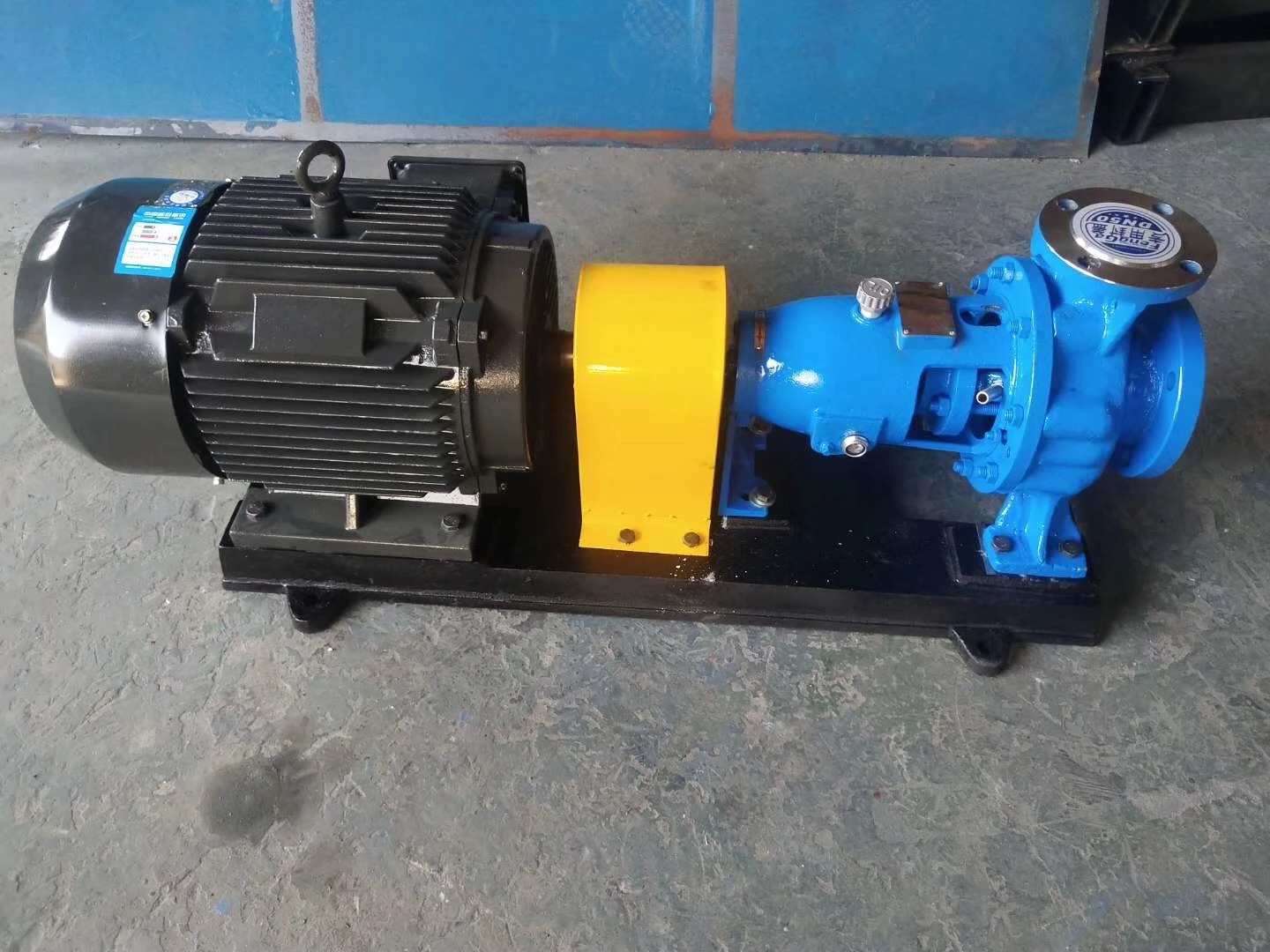
Sewer pumps for basement bathrooms, often referred to as macerator pumps or effluent pumps, are critical components in wastewater management for properties where gravity drainage is not feasible. These pumps are designed to handle the specific challenges of basement bathroom wastewater, which typically includes solids and may require significant lift to reach the main sewer line. Their technical position within the building services chain falls between the plumbing fixtures (toilet, shower, sink) and the municipal or private sewage system. Core performance characteristics include pumping capacity (gallons per minute - GPM), head (vertical distance the pump can lift the wastewater), motor horsepower (HP), solids handling capability (diameter of solids the pump can process), and power requirements (voltage and amperage). Addressing the pain point of basement flooding and sewer backup, these pumps offer a reliable solution for homeowners and building managers in areas with challenging topography or existing infrastructure limitations.
Material Science & Manufacturing
The construction of a sewer pump for basement bathroom involves several key materials chosen for their durability, corrosion resistance, and ability to handle wastewater. Pump housings are commonly manufactured from cast iron (ASTM A48 Class 30), stainless steel (typically 304 or 316, conforming to ASTM A240), or engineered polymers like polypropylene. Cast iron provides robust strength and dampens noise, but requires a protective coating to prevent corrosion. Stainless steel offers superior corrosion resistance, especially 316 which contains molybdenum for enhanced resistance to chloride attack. Polymers provide cost-effectiveness and inherent corrosion resistance. Impellers, the rotating components that move the wastewater, are often made from similar materials as the housing – stainless steel being preferred for its wear resistance and ability to handle solids. The motor housing is typically aluminum (ASTM B26) or cast iron. Manufacturing processes include sand casting for housings, investment casting for impellers, and injection molding for polymer components. A critical parameter control during manufacturing is dimensional accuracy to ensure proper fit and sealing between components. Welding (SMAW or GMAW conforming to AWS D1.1) is used for joining certain metal parts, and rigorous quality control checks, including non-destructive testing (NDT) like radiographic inspection, are essential to identify defects. Seal materials, such as nitrile rubber (NBR) or Viton (FKM), are selected for their chemical compatibility with wastewater and their ability to maintain a watertight seal.
Performance & Engineering
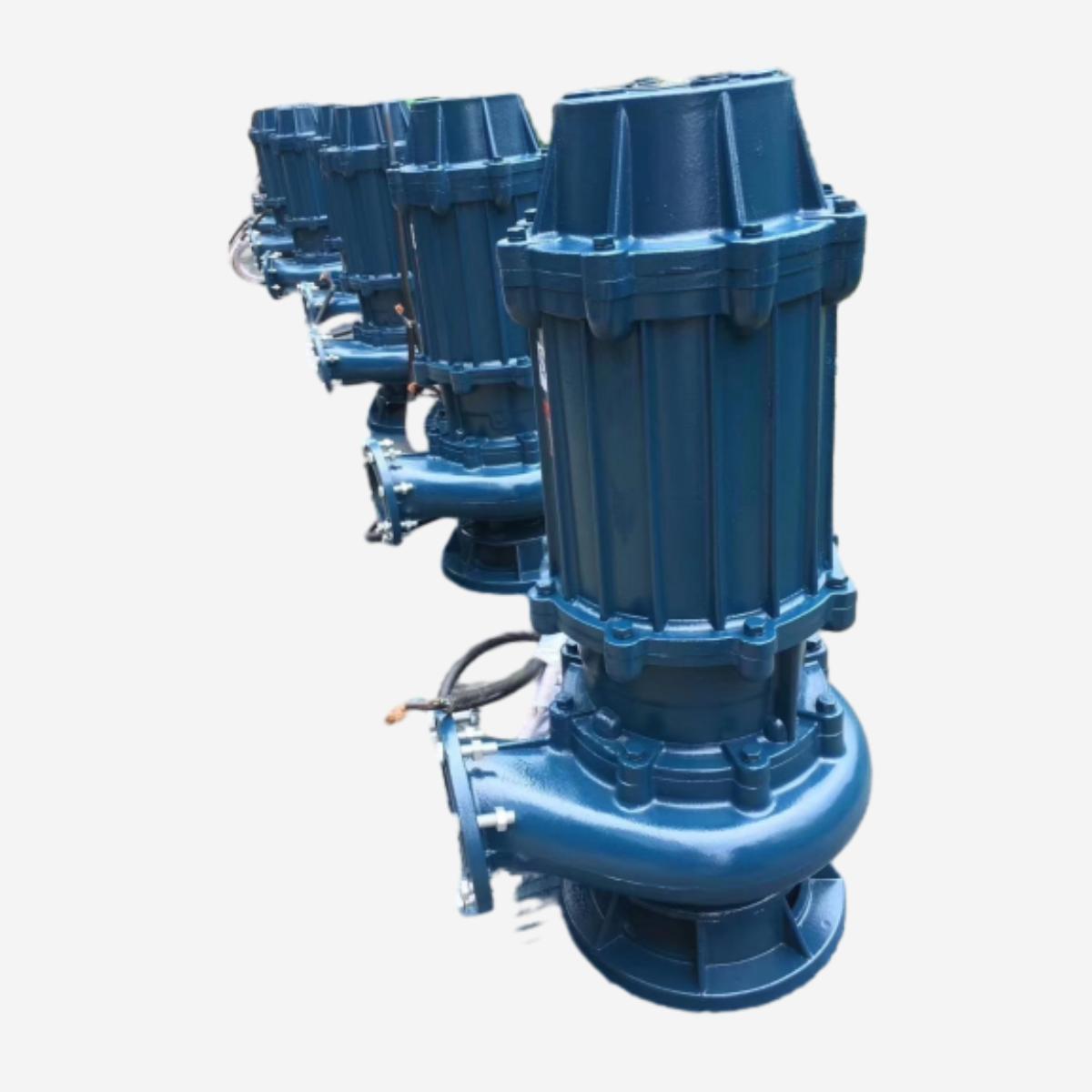
The performance of a sewer pump is dictated by several engineering principles. Hydraulic design is paramount, focusing on impeller geometry and volute casing shape to maximize pumping efficiency and minimize head loss. Force analysis is critical to determine the stresses on the pump components, particularly the impeller and housing, under various operating conditions. Environmental resistance is a significant consideration, as the pump is exposed to corrosive wastewater and potentially damp environments. Pumps must comply with NEMA standards for motor performance (NEMA MG 1) and UL standards for safety (UL 778). Functional implementation involves the integration of a float switch or pressure transducer to automatically activate and deactivate the pump based on wastewater levels. This prevents the pump from running dry or overflowing. The pump’s electrical system must be properly grounded and protected by a circuit breaker. Vibration analysis is performed during testing to identify potential resonance frequencies and mitigate noise and wear. The pump’s design must also account for potential clogging caused by solids in the wastewater; some pumps incorporate features like a shredding mechanism to break down solids into smaller particles. Proper ventilation is also critical to prevent overheating of the motor. Pump curves, generated through rigorous testing, illustrate the relationship between flow rate, head, and efficiency, providing engineers with the data needed to select the appropriate pump for a specific application.
Technical Specifications
| Model Number | Maximum Head (ft) | Maximum Flow Rate (GPM) | Motor Horsepower (HP) |
|---|---|---|---|
| SPB-100 | 80 | 45 | 1/2 |
| SPB-200 | 100 | 60 | 3/4 |
| SPB-300 | 120 | 75 | 1 |
| SPB-400 | 150 | 90 | 1.5 |
| SPB-500 | 180 | 105 | 2 |
| SPB-600 | 200 | 120 | 2.5 |
Failure Mode & Maintenance
Sewer pumps are susceptible to several failure modes. Fatigue cracking of the impeller, particularly around the blades, can occur due to cyclical stress. Delamination of the pump housing, especially in polymer models, can result from prolonged exposure to corrosive wastewater. Bearing failure in the motor is common, often due to lack of lubrication or contamination. Clogging is a frequent issue, especially if the pump isn't equipped with a shredding mechanism, leading to motor overload and potential burnout. Seal failure results in leakage and can damage the motor. Oxidation and corrosion of metal components reduce pump efficiency and lifespan. Maintenance solutions include regular inspection for leaks and unusual noises, lubrication of bearings according to manufacturer’s specifications, periodic cleaning of the pump inlet to remove debris, and flushing the pump with clean water to remove accumulated solids. Preventive maintenance programs should include regular testing of the float switch and electrical connections. If corrosion is detected, the affected components should be replaced or recoated with a corrosion-resistant coating. For pumps that frequently experience clogging, the installation of a strainer or pre-filter is recommended. Annual inspection by a qualified technician is advisable to identify and address potential issues before they escalate.
Industry FAQ
Q: What is the difference between a macerator pump and an effluent pump?
A: While both types pump wastewater, a macerator pump contains a cutting mechanism to grind solids into a slurry before pumping, suitable for handling toilet paper and other organic waste. An effluent pump simply transfers wastewater containing solids, relying on impeller design to pass solids without grinding. Macerators are better suited for smaller diameter discharge pipes and longer runs.
Q: How often should I inspect my sewer pump?
A: A visual inspection for leaks, unusual noises, and proper operation of the float switch should be conducted monthly. A more thorough inspection, including bearing lubrication and inlet cleaning, should be performed annually by a qualified technician.
Q: What size pump do I need for my basement bathroom?
A: Pump sizing depends on the vertical lift (head) and the estimated flow rate. Consult with a plumbing engineer to calculate these factors accurately. Consider the length and diameter of the discharge pipe, as well as the number of fixtures contributing to the wastewater flow.
Q: What causes a sewer pump to fail prematurely?
A: Common causes include clogging from non-biodegradable items, running the pump dry, corrosion due to aggressive chemicals in the wastewater, and electrical issues like voltage fluctuations. Proper maintenance and selection of a pump suitable for the specific wastewater characteristics can mitigate these risks.
Q: Is a backup power source necessary for a sewer pump?
A: Yes, particularly in areas prone to power outages. Without power, the pump cannot operate, and the basement bathroom can quickly flood. A battery backup system or a generator is highly recommended to ensure continuous operation during power failures.
Conclusion
Sewer pumps for basement bathrooms are essential components of modern building infrastructure, providing a reliable solution for wastewater management in challenging situations. The selection of the appropriate pump requires careful consideration of factors such as pumping capacity, head, solids handling capability, and material compatibility. Proper installation, regular maintenance, and adherence to industry standards are crucial for ensuring long-term performance and preventing costly failures.
Future developments in this area are focused on improving pump efficiency, reducing noise levels, and incorporating smart technology for remote monitoring and diagnostics. The integration of IoT sensors can provide real-time data on pump performance, allowing for proactive maintenance and reducing the risk of unexpected breakdowns. Furthermore, advancements in material science are leading to the development of more durable and corrosion-resistant pump components, extending the lifespan of these critical systems.
-
sump pump for septic systems Material Science Manufacturing
News2026-05-20
-
sump pump and ejector pump Material Science Manufacturing
News2026-05-20
-
sewage treatment plant pumps Performance Analysis
News2026-05-20
-
sewage tank pump Material Science and Manufacturing
News2026-05-20
-
sewage pump for septic tank Performance Analysis
News2026-05-20
-
Sewage Pump and Tank Performance Analysis
News2026-05-19
-
Sewage Ejector Pump Replacement Performance Analysis
News2026-05-19
-
sewage ejector pump for basement bathroom Material Science Manufacturing
News2026-05-19
-
sewage ejection pump Material Science and Manufacturing
News2026-05-19
-
in line sewage pump Performance Analysis
News2026-05-19
-
effluent sump pump Performance Analysis
News2026-05-18
-
best grinder pump for sewage Performance Engineering
News2026-05-18
-
basement waste water pump Performance Engineering
News2026-05-18
-
sump pump sewer Performance Analysis
News2026-05-18
-
sump pump for sewer Performance Analysis
News2026-05-18




