English
- Afrikaans
- Albanian
- Amharic
- Arabic
- Armenian
- Azerbaijani
- Basque
- Belarusian
- Bengali
- Bosnian
- Bulgarian
- Catalan
- Cebuano
- Corsican
- Croatian
- Czech
- Danish
- Dutch
- English
- Esperanto
- Estonian
- Finnish
- French
- Frisian
- Galician
- Georgian
- German
- Greek
- Gujarati
- Haitian Creole
- hausa
- hawaiian
- Hebrew
- Hindi
- Miao
- Hungarian
- Icelandic
- igbo
- Indonesian
- irish
- Italian
- Japanese
- Javanese
- Kannada
- kazakh
- Khmer
- Rwandese
- Korean
- Kurdish
- Kyrgyz
- Lao
- Latin
- Latvian
- Lithuanian
- Luxembourgish
- Macedonian
- Malgashi
- Malay
- Malayalam
- Maltese
- Maori
- Marathi
- Mongolian
- Myanmar
- Nepali
- Norwegian
- Norwegian
- Occitan
- Pashto
- Persian
- Polish
- Portuguese
- Punjabi
- Romanian
- Russian
- Samoan
- Scottish Gaelic
- Serbian
- Sesotho
- Shona
- Sindhi
- Sinhala
- Slovak
- Slovenian
- Somali
- Spanish
- Sundanese
- Swahili
- Swedish
- Tagalog
- Tajik
- Tamil
- Tatar
- Telugu
- Thai
- Turkish
- Turkmen
- Ukrainian
- Urdu
- Uighur
- Uzbek
- Vietnamese
- Welsh
- Bantu
- Yiddish
- Yoruba
- Zulu

Telephone: +86 13120555503
Email: frank@cypump.com


Apr . 01, 2024 17:55 Back to list
sewer macerator pump Performance Analysis
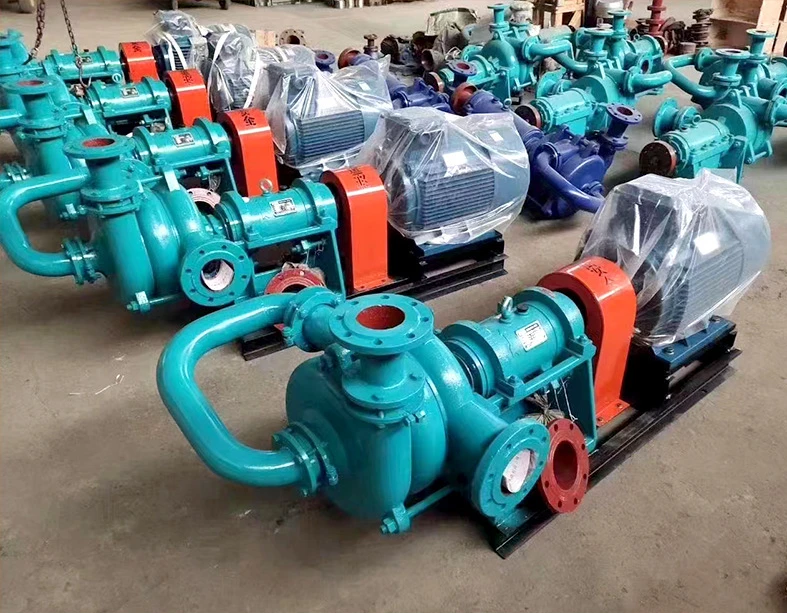
Introduction
Sewer macerator pumps are centrifugal pumps specifically designed for the challenging task of grinding and pumping raw sewage. Positioned within the wastewater management chain, these units bridge the gap between household/commercial waste discharge and municipal sewage treatment facilities or septic systems. Unlike standard sewage ejector pumps which rely on impeller action to pass solids, macerator pumps integrate a rotating cutting mechanism – typically a set of hardened steel blades – to reduce solids into a slurry manageable by the pump. This process prevents clogging, allows for smaller diameter discharge piping, and extends the lifespan of downstream components. Core performance characteristics include flow rate (gallons per minute/liters per minute), head (vertical lift capacity in feet/meters), solids handling capacity (particle size reduction), motor horsepower, and power consumption. The primary pain point addressed by macerator pumps is the avoidance of costly blockages and the efficient transfer of difficult-to-handle wastewater, particularly in gravity-challenged installations or environments with high solid content.
Material Science & Manufacturing
The construction of a sewer macerator pump necessitates materials with robust resistance to corrosion, abrasion, and impact. Pump housings are commonly manufactured from cast iron (ASTM A48 Class 30 or equivalent), chosen for its cost-effectiveness, strength, and ability to dampen vibration. However, stainless steel (typically 316 or Duplex 2205) is increasingly favored for enhanced corrosion resistance, particularly in aggressive environments. Impellers and cutting blades utilize hardened stainless steel (440C or similar) subjected to heat treatment to achieve high Rockwell hardness (HRC 55-60) for maximizing wear resistance. The motor housing is often aluminum alloy, offering a balance of weight and thermal conductivity. Seals are crucial for preventing leakage and are generally composed of materials like Viton (fluoroelastomer) or EPDM (ethylene propylene diene monomer) due to their chemical compatibility with sewage. Manufacturing processes include investment casting for complex housing shapes, CNC machining for precision components (blades, impellers), and robotic welding for structural integrity. Key parameter control involves maintaining tight tolerances on blade geometry to ensure efficient maceration, balancing impeller assemblies to minimize vibration, and rigorous testing of seals for leak-tightness. The selection of elastomeric materials is heavily influenced by temperature fluctuations and the chemical composition of the wastewater, avoiding degradation or swelling.
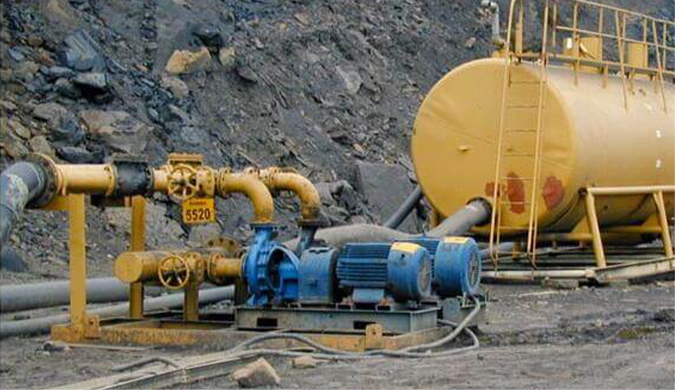
Performance & Engineering
Performance of a sewer macerator pump is fundamentally governed by hydraulic principles and mechanical engineering considerations. Force analysis focuses on shear forces exerted by the cutting blades on solid waste, tensile stress within the impeller during rotation, and the hydrodynamic forces acting on the pump casing. Environmental resistance is paramount; the pump must withstand continuous exposure to corrosive substances present in sewage, including sulfides, chlorides, and organic compounds. Compliance requirements vary by region, with standards like NSF/ANSI 61 addressing materials safety for potable water systems (relevant for indirect discharge scenarios) and EPA regulations governing wastewater discharge limits. Functional implementation involves a multi-stage process: raw sewage enters the pump chamber, the macerating blades reduce solids to a slurry (typically less than 6mm particle size), and the resulting slurry is then discharged by the centrifugal impeller. Pump curves (head vs. flow rate) are critical for proper sizing, ensuring the pump can deliver the required flow rate at the desired discharge head. Motor selection is based on the required horsepower to overcome frictional losses, solids handling resistance, and static head. Protection against overheating and dry running is achieved through thermal overload switches and level sensors. Vibration analysis during operation is vital to identify potential bearing failures or impeller imbalance.
Technical Specifications
| Parameter | Unit | Typical Range | Testing Standard |
|---|---|---|---|
| Flow Rate | GPM (LPM) | 20-100 (75-375) | ANSI/HI 1.1 |
| Total Head | ft (m) | 10-50 (3-15) | ANSI/HI 1.3 |
| Solids Handling Capacity | inch (mm) | ≤ 1 (≤ 25) | Internal Testing (particle size analysis) |
| Motor Horsepower | HP (kW) | 0.5-2 (0.37-1.5) | NEMA MG 1 |
| Voltage | V | 115/230 (Single Phase), 230/460 (Three Phase) | IEC 60038 |
| Maximum Liquid Temperature | °F (°C) | 140 (60) | ASTM D641 |
Failure Mode & Maintenance
Sewer macerator pumps are susceptible to several failure modes. Fatigue cracking of the impeller or blades is common due to cyclic stress from solids impact. Delamination of the pump housing can occur due to corrosion and stress concentrations, particularly in cast iron models. Degradation of seals leads to leakage and potential motor damage. Oxidation of internal components, especially in stainless steel, is exacerbated by the corrosive nature of sewage. Blockages, despite the macerating function, can occur if non-biodegradable items (plastics, wipes) are introduced into the system. Abrasion of the cutting blades is inevitable due to constant contact with abrasive solids. Maintenance solutions include regular inspection of blades and impellers for wear, replacement of seals as needed (typically annually), flushing the pump chamber to remove accumulated debris, and lubrication of motor bearings. Preventive maintenance should incorporate visual inspections for corrosion, leak checks, and vibration analysis. If blockages occur, power should be disconnected before attempting to clear the obstruction manually. A detailed log of maintenance activities should be maintained to track component lifespan and identify recurring issues. When replacing parts, OEM-specified components are recommended to ensure compatibility and performance.
Industry FAQ
Q: What is the primary difference between a macerator pump and a sewage ejector pump?
A: A sewage ejector pump relies on impeller action to pass solids, whereas a macerator pump utilizes rotating blades to grind solids into a slurry before pumping. This reduces the risk of clogging and allows for smaller diameter discharge piping. Macerator pumps are generally preferred when dealing with difficult-to-handle solids or gravity-challenged installations.
Q: How do I determine the appropriate horsepower for my application?
A: Horsepower selection depends on the required flow rate, total head (vertical lift plus friction losses), and the type of solids being pumped. A pump curve should be consulted to ensure the pump can deliver the desired flow at the required head. Oversizing the motor leads to inefficiency and increased energy consumption, while undersizing results in insufficient performance.
Q: What materials offer the best corrosion resistance in a sewage application?
A: Stainless steel (316 or Duplex 2205) provides superior corrosion resistance compared to cast iron, particularly in environments with high sulfide concentrations. Selecting seals made from Viton or EPDM is also crucial for chemical compatibility.
Q: What should I do if the pump is experiencing frequent blockages?
A: Frequent blockages indicate the introduction of non-biodegradable materials into the system. Investigate the source of the blockage and educate users about proper waste disposal practices. Consider installing a strainer upstream of the pump to capture larger debris.
Q: What is the typical lifespan of a macerator pump?
A: The lifespan varies depending on operating conditions and maintenance practices. With proper maintenance, a macerator pump can last 5-10 years. However, aggressive sewage composition and frequent use can shorten the lifespan. Regular inspections and timely replacement of worn components are critical for maximizing longevity.
Conclusion
Sewer macerator pumps represent a critical component in modern wastewater management systems, offering a robust solution for handling challenging sewage conditions. Their ability to effectively reduce solids, prevent blockages, and facilitate efficient discharge makes them indispensable in residential, commercial, and industrial applications. Proper material selection, meticulous manufacturing processes, and regular maintenance are all vital for ensuring long-term performance and reliability.
Future advancements in macerator pump technology are likely to focus on enhanced energy efficiency, improved blade designs for increased maceration effectiveness, and the integration of smart sensors for predictive maintenance. Addressing the growing concern regarding plastic waste in sewage will also drive innovation in filtration and separation technologies. As wastewater regulations become more stringent, the demand for high-performance, reliable macerator pumps will continue to increase.
-
Precision at the Pump: How Better Machining Protects Flow and Uptime
News2026-11-20
-
Why Pump Reliability Begins Before the First Drop of Fluid
News2026-11-20
-
Beyond the Pump: Designing Safer Access Around Critical Water Infrastructure
News2026-11-20
-
Why Pumping Stations Depend on the Infrastructure Beneath the Pumps
News2026-11-20
-
Beyond the Pump Room: How Smarter Loading Protects Industrial Equipment
News2026-11-19
-
When Pumps Stop: Designing More Resilient Power for Critical Pumping Systems
News2026-11-19
-
The Hidden Role of Dust and Gas Monitoring in Reliable Pump Operations
News2026-11-19
-
The Hidden Role of Mineral Compounds in Extending Industrial Pump Lifespan
News2026-10-12
-
Why Pump System Reliability Depends on Precision Hose Assembly Methods
News2026-09-15
-
How Advanced Imaging Films Are Transforming Pump Component Quality Control
News2026-08-25
-
How Advanced Filtration Protects Pump Systems from Premature Wear and Costly Downtime
News2026-08-25
-
How Steel Material Selection Drives Pump Reliability in Heavy-Duty Systems
News2026-08-25
-
Ensuring Pump System Efficiency: The Role of High-Quality Pipe Fittings and Tubing
News2026-08-24
-
Optimizing Fluid Dynamics and Material Consistency in Industrial Processing
News2026-08-18
-
Innovations and Challenges in Hydraulic Systems for Heavy Machinery
News2026-08-13




