English
- Afrikaans
- Albanian
- Amharic
- Arabic
- Armenian
- Azerbaijani
- Basque
- Belarusian
- Bengali
- Bosnian
- Bulgarian
- Catalan
- Cebuano
- Corsican
- Croatian
- Czech
- Danish
- Dutch
- English
- Esperanto
- Estonian
- Finnish
- French
- Frisian
- Galician
- Georgian
- German
- Greek
- Gujarati
- Haitian Creole
- hausa
- hawaiian
- Hebrew
- Hindi
- Miao
- Hungarian
- Icelandic
- igbo
- Indonesian
- irish
- Italian
- Japanese
- Javanese
- Kannada
- kazakh
- Khmer
- Rwandese
- Korean
- Kurdish
- Kyrgyz
- Lao
- Latin
- Latvian
- Lithuanian
- Luxembourgish
- Macedonian
- Malgashi
- Malay
- Malayalam
- Maltese
- Maori
- Marathi
- Mongolian
- Myanmar
- Nepali
- Norwegian
- Norwegian
- Occitan
- Pashto
- Persian
- Polish
- Portuguese
- Punjabi
- Romanian
- Russian
- Samoan
- Scottish Gaelic
- Serbian
- Sesotho
- Shona
- Sindhi
- Sinhala
- Slovak
- Slovenian
- Somali
- Spanish
- Sundanese
- Swahili
- Swedish
- Tagalog
- Tajik
- Tamil
- Tatar
- Telugu
- Thai
- Turkish
- Turkmen
- Ukrainian
- Urdu
- Uighur
- Uzbek
- Vietnamese
- Welsh
- Bantu
- Yiddish
- Yoruba
- Zulu

Telephone: +86 13120555503
Email: frank@cypump.com


Apr . 01, 2024 17:55 Back to list
Sewer Line Pump Material Science and Manufacturing
Introduction
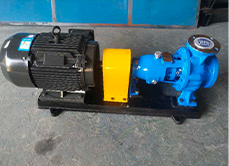
Sewer line pumps, also known as sewage ejector pumps or lift station pumps, are critical components in wastewater management systems. They are specifically engineered to transfer wastewater from areas below the municipal sewer line, or from areas where gravity flow is insufficient, to a point where it can enter the public sewage system. Unlike centrifugal pumps designed for clean water, sewer line pumps are robustly constructed to handle solids, rags, and other debris commonly found in sewage. Their technical position within the wastewater treatment chain is as the initial relocation device, enabling the entire system's functionality when gravity alone is inadequate. Core performance characteristics center around flow rate (gallons per minute/liters per minute), total dynamic head (TDH – the height the pump can lift the fluid), impeller design, and the ability to handle solid particle sizes without clogging. A primary industry pain point is pump failure due to abrasive wear, clogging, and corrosion, leading to costly downtime and potential environmental concerns. Selecting the appropriate pump and implementing a preventative maintenance program are crucial for reliable operation.
Material Science & Manufacturing
The construction of sewer line pumps demands materials with high resistance to corrosion, abrasion, and impact. Impellers and pump housings are commonly manufactured from ductile iron (65-70% iron, 2.5-3.5% carbon) due to its tensile strength and shock resistance. Stainless steel (304, 316 grades, with molybdenum content crucial for chloride resistance) is also frequently employed, particularly in corrosive environments. Shafts are typically made from high-strength alloy steel (4140, 4340) and hardened through heat treatment to withstand torsional stress. Seals are often composed of materials like silicon carbide or tungsten carbide, providing superior wear resistance against abrasive particles. Manufacturing processes vary based on component complexity. Pump housings are frequently produced using sand casting, followed by machining to precise tolerances. Impellers are often investment cast for intricate designs and dimensional accuracy. Shafts undergo precision machining, grinding, and balancing. Critical parameter control includes ensuring proper metal composition during casting, precise heat treatment schedules to achieve desired hardness and ductility, and stringent quality control during machining to maintain dimensional accuracy and surface finish. Seal manufacturing requires meticulous attention to flatness and material compatibility to prevent leakage. Welding processes, where used, must adhere to AWS D1.1 standards to ensure structural integrity.
Performance & Engineering
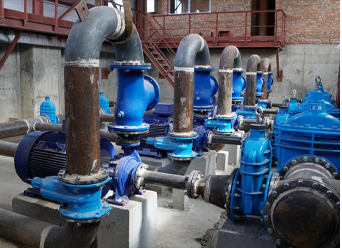
Sewer line pump performance is dictated by a complex interplay of hydraulic forces and mechanical engineering principles. Force analysis focuses on the impeller’s interaction with the fluid, considering centrifugal force, pressure differentials, and shear stresses. Cavitation, a critical concern, arises when the absolute pressure at the impeller inlet drops below the vapor pressure of the fluid, forming vapor bubbles that collapse violently, causing erosion and reducing pump efficiency. Pump curves, generated through rigorous testing (ANSI/HI standards), illustrate the relationship between flow rate, head, and efficiency. Environmental resistance is paramount. Pumps are frequently exposed to corrosive elements in sewage, necessitating robust material selection and protective coatings. Compliance requirements are stringent, varying by region. In the United States, EPA regulations govern wastewater discharge, influencing pump selection to minimize environmental impact. Functional implementation considerations include pump type (vortex, non-clog, cutter), motor selection (submersible vs. dry-pit), control systems (variable frequency drives for energy optimization), and alarm systems to alert operators to pump failures or abnormal conditions. Proper pipe sizing and inlet/outlet configurations are also crucial to minimize head loss and maximize pump efficiency. Furthermore, the system must be designed to withstand hydrostatic pressure and potential backflow.
Technical Specifications
| Parameter | Unit | Typical Range (Residential) | Typical Range (Commercial/Industrial) |
|---|---|---|---|
| Flow Rate | GPM (Gallons Per Minute) | 25-75 | 100-500+ |
| Total Dynamic Head (TDH) | Feet | 10-30 | 40-150+ |
| Motor Horsepower | HP | 1/2 - 1 | 3-20+ |
| Solids Handling Capability | Inches | Up to 2 | Up to 4+ |
| Impeller Type | - | Vortex, Non-Clog | Vortex, Non-Clog, Cutter |
| Casing Material | - | Ductile Iron, Stainless Steel | Ductile Iron, Stainless Steel, Alloy C |
Failure Mode & Maintenance
Sewer line pump failures are multifaceted. Fatigue cracking, especially in impellers and pump housings, can occur due to cyclical loading and stress concentration. Delamination of protective coatings, such as epoxy or polyurethane, exposes underlying metal to corrosion. Degradation of elastomers (seals, gaskets) leads to leakage and loss of efficiency. Oxidation of metal components, particularly in high-sulfur environments, accelerates corrosion. Clogging is a prevalent issue, stemming from rags, plastics, and other debris obstructing the impeller. Bearing failure, caused by inadequate lubrication or abrasive contamination, results in excessive noise and vibration. Preventative maintenance is crucial. Regular inspections should assess seal integrity, impeller condition, and motor performance. Scheduled lubrication of bearings is essential. Periodic cleaning of the wet well (sump) removes accumulated debris. Impeller wear should be monitored and components replaced when nearing their service life. Analyzing oil samples can detect bearing wear or contamination. Vibration analysis can identify imbalances or misalignment. Emergency maintenance often involves clearing clogs, replacing failed seals or bearings, or complete pump replacement. Proper wet well design and the installation of inlet screens can minimize clogging frequency.
Industry FAQ
Q: What is the difference between a vortex and a non-clog impeller, and which is best for my application?
A: Vortex impellers feature recessed blades that create a swirling motion, drawing sewage into the pump without directly contacting the impeller. This minimizes clogging but generally offers lower efficiency. Non-clog impellers have more open blade designs specifically engineered to pass solids. They are more efficient but are susceptible to clogging with fibrous materials. The best choice depends on the sewage composition; if rags and debris are prevalent, a vortex impeller is preferred. If the waste stream is relatively clean, a non-clog impeller can deliver higher performance.
Q: How do I determine the appropriate pump size (flow rate and head) for my system?
A: Proper sizing requires a thorough hydraulic analysis. You need to calculate the total dynamic head (TDH), which includes static lift, friction losses in piping, and pressure at the discharge point. Flow rate is determined by the peak sewage flow expected, considering population equivalent and contributing drainage area. Utilize pump curves provided by manufacturers to select a pump that meets these requirements while operating within its optimal efficiency range.
Q: What are the common causes of pump motor failure in sewer applications?
A: Common causes include overheating due to insufficient cooling or overloading, winding insulation breakdown from moisture ingress, and bearing failure leading to increased load. Submersible motors are particularly vulnerable to moisture ingress if seals fail. Proper motor selection, adequate ventilation (for dry-pit pumps), and regular inspection of seals are crucial preventative measures.
Q: What materials offer the best corrosion resistance in highly aggressive sewage environments?
A: Stainless steel alloys with high molybdenum content (e.g., 316 stainless steel) provide excellent resistance to chloride-induced corrosion. Alloy C (nickel-chromium-molybdenum alloy) offers even superior corrosion resistance but is more expensive. Epoxy or polyurethane coatings can also provide a barrier against corrosion, but require proper surface preparation and regular inspection for delamination.
Q: What are the benefits of using a variable frequency drive (VFD) with a sewer line pump?
A: VFDs allow you to adjust the pump speed to match the actual flow demand, resulting in significant energy savings. They also reduce mechanical stress on the pump and piping system by minimizing starts and stops. Furthermore, VFDs can provide soft starting, preventing water hammer and reducing peak electrical demand charges.
Conclusion
Sewer line pumps are indispensable components of modern wastewater infrastructure, demanding careful consideration of material science, manufacturing precision, and engineering principles. Selecting the optimal pump involves balancing flow rate, head requirements, solids handling capabilities, and environmental factors. Proactive maintenance, including regular inspections, lubrication, and component replacement, is critical to maximizing pump lifespan and minimizing costly downtime. Failure analysis reveals that common issues stem from corrosion, abrasion, clogging, and mechanical wear, all of which can be mitigated through diligent preventative measures.
The future of sewer line pump technology will likely focus on increased energy efficiency through advanced motor designs and intelligent control systems. Development of more robust materials and coatings will enhance corrosion resistance and extend service life. Remote monitoring and diagnostic capabilities will enable proactive maintenance and minimize unscheduled downtime. Ultimately, a holistic approach to pump selection, installation, and maintenance is essential for ensuring the reliable and sustainable operation of wastewater management systems.
-
Sewer Line Pump Material Science and Manufacturing
News2026-05-15
-
best sewage pump Performance Analysis
News2026-05-15
-
sewage pump for basement bathroom Performance and Engineering
News2026-05-15
-
submersible sewer pump Material Science and Manufacturing
News2026-05-15
-
septic tank sump pump Performance Analysis
News2026-05-15
-
effluent pump Performance and Engineering
News2026-05-14
-
basement waste pump Performance Analysis
News2026-05-14
-
sewage water pump Material Science and Manufacturing
News2026-05-14
-
Sewage Transfer Pump Performance Analysis
News2026-05-14
-
sewage submersible pump Performance Analysis
News2026-05-14
-
sewage pumps for basements Material Science Manufacturing
News2026-05-13
-
sewage pump systems Performance and Engineering
News2026-05-13
-
sewage grinding pump Material Science and Manufacturing
News2026-05-13
-
ejector pumps for sewage Performance Analysis
News2026-05-13
-
effluent pump vs sump pump Performance Analysis
News2026-05-13




