English
- Afrikaans
- Albanian
- Amharic
- Arabic
- Armenian
- Azerbaijani
- Basque
- Belarusian
- Bengali
- Bosnian
- Bulgarian
- Catalan
- Cebuano
- Corsican
- Croatian
- Czech
- Danish
- Dutch
- English
- Esperanto
- Estonian
- Finnish
- French
- Frisian
- Galician
- Georgian
- German
- Greek
- Gujarati
- Haitian Creole
- hausa
- hawaiian
- Hebrew
- Hindi
- Miao
- Hungarian
- Icelandic
- igbo
- Indonesian
- irish
- Italian
- Japanese
- Javanese
- Kannada
- kazakh
- Khmer
- Rwandese
- Korean
- Kurdish
- Kyrgyz
- Lao
- Latin
- Latvian
- Lithuanian
- Luxembourgish
- Macedonian
- Malgashi
- Malay
- Malayalam
- Maltese
- Maori
- Marathi
- Mongolian
- Myanmar
- Nepali
- Norwegian
- Norwegian
- Occitan
- Pashto
- Persian
- Polish
- Portuguese
- Punjabi
- Romanian
- Russian
- Samoan
- Scottish Gaelic
- Serbian
- Sesotho
- Shona
- Sindhi
- Sinhala
- Slovak
- Slovenian
- Somali
- Spanish
- Sundanese
- Swahili
- Swedish
- Tagalog
- Tajik
- Tamil
- Tatar
- Telugu
- Thai
- Turkish
- Turkmen
- Ukrainian
- Urdu
- Uighur
- Uzbek
- Vietnamese
- Welsh
- Bantu
- Yiddish
- Yoruba
- Zulu

Telephone: +86 13120555503
Email: frank@cypump.com


Apr . 01, 2024 17:55 Back to list
sewer injection pump Performance Engineering
Introduction
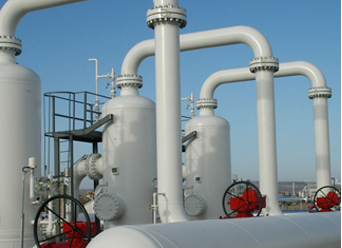
Sewer injection pumps are positive displacement pumps designed for the efficient and reliable transfer of wastewater and sewage, often incorporating solids handling capabilities. Positioned within the wastewater treatment infrastructure, they serve as a critical link between collection systems and treatment facilities. Unlike traditional centrifugal pumps, injection pumps excel in applications requiring high pressures and relatively low flow rates, making them ideally suited for overcoming long distances and significant elevation changes commonly encountered in municipal and industrial wastewater systems. Their core performance characteristics revolve around consistent flow rate irrespective of discharge pressure, high head capability, and the ability to handle abrasive and fibrous materials prevalent in sewage. A key industry pain point is pump station downtime due to clogging, leading to overflows and environmental concerns. This necessitates robust pump designs, effective solids handling mechanisms, and reliable control systems.
Material Science & Manufacturing
The construction of sewer injection pumps heavily relies on materials resistant to corrosion and abrasion. Pump casings are typically manufactured from ductile iron (ASTM A536-83) due to its excellent tensile strength, ductility, and resistance to corrosion when properly coated. Impellers, which directly interact with the wastewater, often employ high-chrome cast iron (ASTM A532 Grade III) or stainless steel (316L or duplex stainless steels – ASTM A965) to withstand abrasive wear from suspended solids. Shafts are usually made of alloy steel (4140 or 4340 – ASTM A276) and undergo hardening and tempering processes to achieve high torsional strength. Seals are critical components, commonly utilizing mechanical seals with silicon carbide faces (ISO 6858) for superior wear resistance and chemical compatibility. Manufacturing processes involve several key steps: casting for the casing, machining for precision fit of internal components, welding (SMAW or GMAW – AWS D1.1) for structural integrity, and coating (epoxy or polyurethane – SSPC SP10) for corrosion protection. Parameter control during casting (temperature, cooling rate) directly impacts the microstructure and mechanical properties of the ductile iron. Welding procedures require careful control of heat input to prevent distortion and maintain material properties. Impeller balancing is crucial to minimize vibration and extend pump life.
Performance & Engineering
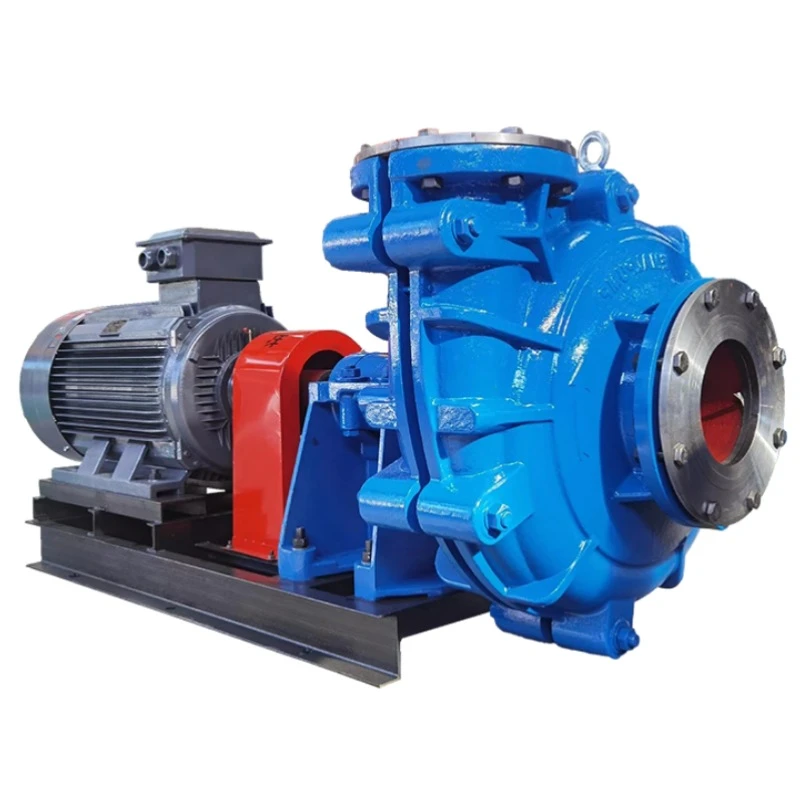
Performance evaluation of sewer injection pumps centers on hydraulic efficiency, net positive suction head (NPSH) requirements, and total dynamic head (TDH) capabilities. Force analysis involves assessing stresses on the impeller, shaft, and casing under maximum operating pressures. The pump’s ability to handle solids is defined by its non-clogging design, which incorporates a recessed impeller and large passageways. Environmental resistance is a paramount concern, demanding consideration of operating temperatures, humidity levels, and potential exposure to corrosive gases (H2S). Compliance requirements are dictated by regulatory bodies such as the EPA and local municipalities, focusing on pump efficiency standards (Department of Energy Pump Efficiency Standards) and discharge limits. Functional implementation includes the integration of variable frequency drives (VFDs) for flow control, level sensors for automatic pump start/stop, and programmable logic controllers (PLCs) for system automation. Cavitation, a significant failure mechanism, is mitigated by ensuring adequate NPSH available, minimizing flow velocities, and maintaining impeller integrity. Pump selection must account for system head losses (friction losses in piping, elevation changes) and flow rate requirements to optimize performance and prevent damage.
Technical Specifications
| Pump Capacity (GPM) | Total Dynamic Head (ft) | Motor Power (HP) | Maximum Solids Handling (in) |
|---|---|---|---|
| 50-150 | 80-200 | 5-10 | 2 |
| 100-300 | 150-350 | 10-20 | 3 |
| 200-500 | 250-500 | 20-40 | 4 |
| 300-700 | 300-600 | 40-75 | 6 |
| 500-1000 | 400-800 | 75-150 | 8 |
| 800-1500 | 500-1000 | 150-300 | 12 |
Failure Mode & Maintenance
Sewer injection pumps are susceptible to several failure modes. Fatigue cracking, particularly in the impeller and casing, can occur due to cyclical loading and stress concentrations. Delamination of coatings exposes the underlying metal to corrosion. Degradation of mechanical seals leads to leakage and reduced pump efficiency. Oxidation of metal components weakens structural integrity. Clogging, a common issue, stems from the accumulation of rags, debris, and grit, resulting in pump seizure and potential motor burnout. Failure analysis typically involves visual inspection, non-destructive testing (NDT) such as ultrasonic testing (UT – ASTM E797) and dye penetrant inspection (DPI – ASTM E165), and metallurgical examination to identify root causes. Preventative maintenance is crucial, encompassing regular inspection of seals, bearings, and impellers; lubrication of moving parts (ISO 3448); coating repairs; and periodic performance monitoring (vibration analysis – ISO 10816). Pump stations should incorporate screens and grit removal systems to minimize solids intake. Scheduled pump replacements based on operational hours and performance degradation are recommended to avoid catastrophic failures. Proper alignment of the pump and motor is essential to prevent bearing wear and shaft misalignment.
Industry FAQ
Q: What is the impact of abrasive solids on pump lifespan, and what mitigation strategies are effective?
A: Abrasive solids are a primary contributor to pump wear, specifically affecting impellers, casings, and seals. The lifespan reduction is directly proportional to the solids concentration and particle size. Effective mitigation strategies include utilizing high-chrome or stainless steel impellers, implementing grit removal systems upstream of the pump station, selecting pump designs with recessed impellers to minimize abrasive contact, and regularly inspecting and replacing wear components.
Q: How does the VFD affect the pump’s energy consumption and overall operating cost?
A: Variable Frequency Drives (VFDs) significantly reduce energy consumption by matching pump speed to actual flow demands, rather than running at a constant speed. This is especially beneficial in systems with fluctuating flow rates. Reduced mechanical stress and prolonged pump life also contribute to lower operating costs. The initial investment in a VFD is offset by energy savings over time.
Q: What are the key considerations when selecting a pump material for a highly corrosive sewage environment?
A: For highly corrosive environments, materials like duplex stainless steel (ASTM A965) and high-alloy cast irons are preferred. Epoxy or polyurethane coatings provide an additional layer of protection for ductile iron casings. The specific corrosion mechanism (e.g., H2S-induced corrosion) should be identified to select the most appropriate material.
Q: What maintenance procedures are critical for preventing pump station overflows?
A: Regular maintenance procedures include routine pump inspections, seal replacements, bearing lubrication, impeller cleaning, and level sensor calibration. Implementing a preventative maintenance schedule and promptly addressing any identified issues are critical for preventing overflows. Back-up pump systems are also recommended for redundancy.
Q: How do you determine the appropriate pump size for a given application?
A: Determining the appropriate pump size requires a thorough analysis of the system's hydraulic characteristics, including total dynamic head (TDH), flow rate requirements, and pipe friction losses. A pump curve should be consulted to ensure the selected pump operates within its optimal efficiency range. Consideration should also be given to future flow demands and potential system expansions.
Conclusion
Sewer injection pumps represent a vital component of modern wastewater management systems, providing reliable and efficient transfer of sewage despite challenging conditions. Their performance hinges on material selection, robust manufacturing processes, and meticulous maintenance protocols. Addressing the inherent risks of abrasion, corrosion, and clogging is paramount to ensuring long-term operational integrity and preventing costly failures.
Future advancements in pump technology will likely focus on enhancing energy efficiency through optimized impeller designs and advanced control systems, improving solids handling capabilities with innovative impeller geometries, and incorporating remote monitoring and diagnostics for predictive maintenance. Continuous improvements in material science will also play a key role in extending pump lifespan and reducing lifecycle costs.
-
Comprehensive Guide to Waterproof ORings for Optimal Sealing Solutions
News2026-06-09
-
submergable pump Material Science
News2026-06-23
-
sewer injection pump Performance Engineering
News2026-06-23
-
Sewer Ejector Pump System Performance Analysis
News2026-06-23
-
septic tank pump for sale Performance Engineering
News2026-06-23
-
septic pump for sale Performance Engineering
News2026-06-23
-
septic ejector system Performance Analysis
News2026-06-22
-
replace septic pump Performance Analysis
News2026-06-22
-
pump system septic tank Performance Analysis
News2026-06-22
-
lift pump for sewer Performance and Engineering
News2026-06-22
-
industrial submersible water pump Material Science
News2026-06-22
-
industrial submersible pumps Material Science and Manufacturing
News2026-06-21
-
best sewer ejector pump Performance Analysis
News2026-06-21
-
best septic pump Performance Analysis
News2026-06-21
-
1 2 hp septic pump Performance Engineering
News2026-06-21




