English
- Afrikaans
- Albanian
- Amharic
- Arabic
- Armenian
- Azerbaijani
- Basque
- Belarusian
- Bengali
- Bosnian
- Bulgarian
- Catalan
- Cebuano
- Corsican
- Croatian
- Czech
- Danish
- Dutch
- English
- Esperanto
- Estonian
- Finnish
- French
- Frisian
- Galician
- Georgian
- German
- Greek
- Gujarati
- Haitian Creole
- hausa
- hawaiian
- Hebrew
- Hindi
- Miao
- Hungarian
- Icelandic
- igbo
- Indonesian
- irish
- Italian
- Japanese
- Javanese
- Kannada
- kazakh
- Khmer
- Rwandese
- Korean
- Kurdish
- Kyrgyz
- Lao
- Latin
- Latvian
- Lithuanian
- Luxembourgish
- Macedonian
- Malgashi
- Malay
- Malayalam
- Maltese
- Maori
- Marathi
- Mongolian
- Myanmar
- Nepali
- Norwegian
- Norwegian
- Occitan
- Pashto
- Persian
- Polish
- Portuguese
- Punjabi
- Romanian
- Russian
- Samoan
- Scottish Gaelic
- Serbian
- Sesotho
- Shona
- Sindhi
- Sinhala
- Slovak
- Slovenian
- Somali
- Spanish
- Sundanese
- Swahili
- Swedish
- Tagalog
- Tajik
- Tamil
- Tatar
- Telugu
- Thai
- Turkish
- Turkmen
- Ukrainian
- Urdu
- Uighur
- Uzbek
- Vietnamese
- Welsh
- Bantu
- Yiddish
- Yoruba
- Zulu

Telephone: +86 13120555503
Email: frank@cypump.com


Apr . 01, 2024 17:55 Back to list
Sewer Ejectors Performance Engineering
Introduction
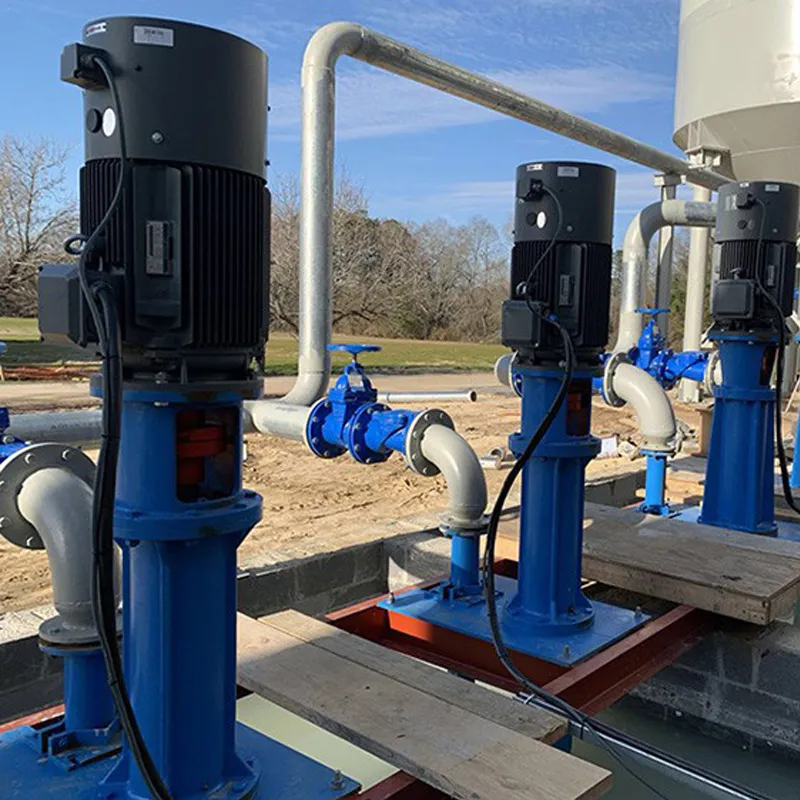
Sewer ejectors are critical components in wastewater management systems, designed to lift wastewater from below grade to a point where gravity flow can continue to the municipal sewer system or septic tank. Positioned within the plumbing infrastructure, they address the common challenge of drainage in basements and low-lying areas where natural slope is insufficient. Unlike sewage pumps, ejectors utilize a sealed tank to accept inflow, initiating pumping only when a specific fluid level is reached, preventing dry running and extending operational life. Core performance metrics encompass flow rate (gallons per minute – GPM), head (vertical lift in feet), horsepower (HP) rating, and solids handling capability (diameter in inches). The selection of an appropriately sized and constructed ejector is paramount to preventing backups, mitigating sanitary issues, and ensuring long-term system reliability. A major pain point in the industry revolves around corrosion from the aggressive chemical environment of wastewater, necessitating careful material selection and robust sealing mechanisms. Another key concern is maintaining system efficiency and minimizing energy consumption while adhering to increasingly stringent environmental regulations.
Material Science & Manufacturing
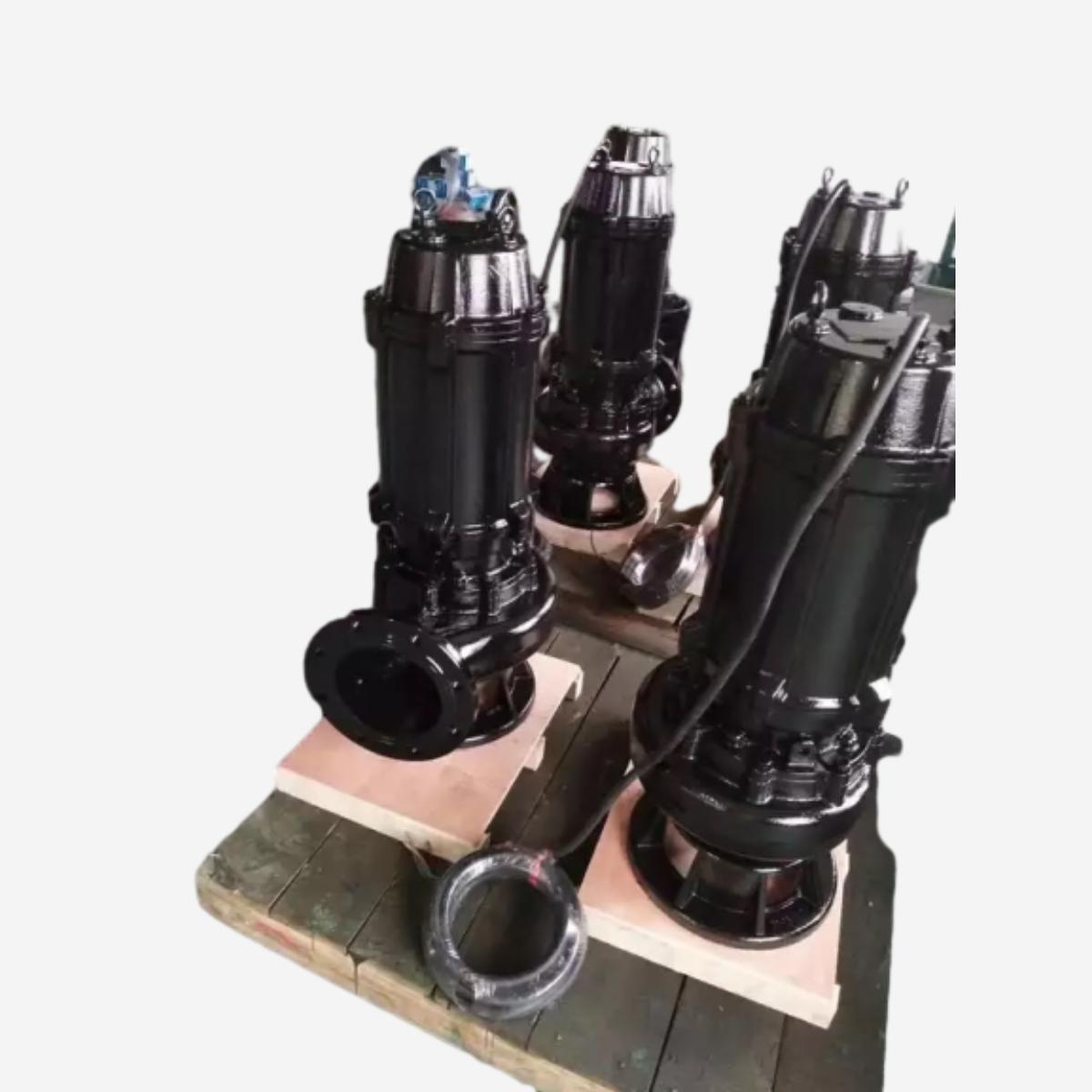
The primary materials employed in sewer ejector construction are cast iron, stainless steel (typically 304 or 316 grades), and engineered plastics (polypropylene, polyethylene). Cast iron, historically favored for its cost-effectiveness and weight providing stability, is often coated with epoxy or other protective layers to enhance corrosion resistance. Stainless steel offers superior durability and resistance to chemical attack, particularly in aggressive wastewater environments, but comes at a higher cost. Plastics are utilized for components like check valves, impellers, and tank liners, offering lightweight properties and inherent corrosion resistance. The manufacturing process typically begins with casting or machining the pump housing and impeller. Impellers, often manufactured using centrifugal casting, require precise balancing to minimize vibration and maximize efficiency. Tank bodies are commonly formed through sand casting, followed by surface preparation and coating. Seals – crucial for preventing leaks and maintaining priming – are typically manufactured from Buna-N, Viton, or EPDM rubber, selected based on chemical compatibility with the expected wastewater composition. Welding processes, where utilized (primarily in stainless steel construction), must adhere to AWS D1.1 standards to ensure structural integrity. Critical parameters during manufacturing include dimensional accuracy of impeller blades, concentricity of shaft and housing, and the quality of the protective coatings applied to cast iron surfaces. Quality control procedures encompass hydrostatic testing to verify tank integrity and performance testing to confirm flow rate and head specifications.
Performance & Engineering
The performance of a sewer ejector is fundamentally governed by hydraulic principles, specifically Bernoulli’s equation and the affinity laws for pumps. Force analysis considers the static head (vertical distance the wastewater must be lifted), friction losses within the piping system, and dynamic head (velocity of the wastewater). Environmental resistance is a critical factor; ejectors must withstand constant exposure to moisture, corrosive chemicals, and temperature fluctuations. Engineering design focuses on optimizing impeller geometry to maximize hydraulic efficiency and minimize noise. The choice of motor type (typically submersible) and horsepower rating is dictated by the required flow rate and head. Solids handling capability is determined by the impeller design and the size of the pump intake. Compliance requirements vary by region but typically include UL listing for electrical safety, NSF/ANSI 61 certification for materials in contact with potable water (where applicable), and adherence to local plumbing codes. Motor protection mechanisms, such as thermal overload switches, are essential to prevent damage from overheating. Float switches, which control the pump’s on/off cycle based on fluid level, must be reliable and resistant to fouling. Proper venting of the ejector tank is crucial to prevent pressure buildup and ensure efficient operation. Finite element analysis (FEA) is commonly employed to optimize tank geometry and minimize stress concentrations, enhancing structural integrity.
Technical Specifications
| Parameter | Unit | Typical Range | Industry Standard |
|---|---|---|---|
| Flow Rate | GPM (Gallons per Minute) | 25-150 | ANSI/ASME |
| Total Dynamic Head | Feet | 10-50 | Hydraulic Institute Standards |
| Motor Horsepower | HP | 1/2 - 3 | NEMA MG 1 |
| Solids Handling | Inches | Up to 2 | Pump Manufacturers Association (PMA) |
| Discharge Pipe Size | Inches | 2-4 | ASTM D1785 |
| Voltage | Volts | 120/240/480 | NEC (National Electrical Code) |
Failure Mode & Maintenance
Common failure modes in sewer ejectors include impeller wear due to abrasive particles, seal failure leading to leaks, motor burnout from overheating or electrical issues, and float switch malfunction causing erratic cycling. Fatigue cracking in the tank or discharge piping can occur over time, particularly in cast iron components. Corrosion, exacerbated by hydrogen sulfide (H2S) and other corrosive compounds in wastewater, is a significant contributor to failure. Delamination of epoxy coatings on cast iron can expose the underlying metal to corrosion. Failure analysis typically involves visual inspection for cracks and corrosion, testing of seal materials for degradation, and electrical testing of the motor and float switches. Preventive maintenance is crucial. This includes regular inspection of seals and replacement as needed, cleaning of the impeller and pump housing to remove debris, and verification of float switch operation. Lubrication of motor bearings (if applicable) should be performed according to the manufacturer’s recommendations. Periodic testing of the ejector’s performance (flow rate and head) can identify potential issues before they escalate. Routine flushing of the ejector tank helps prevent buildup of solids. When replacing components, it’s essential to use materials compatible with the wastewater composition. In cases of severe corrosion, consider upgrading to a stainless steel ejector for enhanced durability.
Industry FAQ
Q: What is the optimal material for an ejector in a particularly corrosive environment?
A: In highly corrosive environments, stainless steel (316 grade) is the optimal choice due to its superior resistance to chemical attack compared to cast iron or lower grades of stainless steel. While more expensive upfront, the extended lifespan and reduced maintenance requirements typically justify the higher cost.
Q: How frequently should the float switches be inspected and tested?
A: Float switches should be inspected and tested at least quarterly, or more frequently in environments with high solids content. Testing involves manually actuating the switch and verifying that it properly triggers the pump’s on/off cycle. Regular cleaning to remove any debris interfering with the float’s movement is also crucial.
Q: What are the implications of choosing an undersized ejector for a specific application?
A: An undersized ejector will struggle to keep up with inflow, leading to frequent cycling, potential pump burnout, and ultimately, backups and overflows. This can result in property damage, sanitary issues, and costly repairs. Proper sizing requires accurate calculation of flow rate and head requirements.
Q: How can I mitigate the risk of impeller wear from abrasive solids?
A: Implement a robust screening system upstream of the ejector to remove larger solids. Consider choosing an ejector with a hardened impeller material designed to withstand abrasion. Regular inspection and replacement of the impeller are also essential.
Q: What safety precautions should be followed during ejector maintenance?
A: Always disconnect power to the ejector before performing any maintenance. Wear appropriate personal protective equipment (PPE), including gloves, eye protection, and a respirator if necessary. Be aware of potential hazards associated with wastewater, such as bacteria and harmful gases. Follow all manufacturer’s safety recommendations.
Conclusion
Sewer ejectors represent a foundational element in efficient wastewater management, demanding meticulous attention to material science, engineering design, and ongoing maintenance. The selection process requires a comprehensive understanding of hydraulic principles, environmental factors, and compliance requirements. Failure to adequately address these considerations can lead to system failures, costly repairs, and potential health hazards.
Future trends in sewer ejector technology are focused on increasing energy efficiency through variable frequency drives (VFDs), incorporating remote monitoring and diagnostic capabilities for proactive maintenance, and developing more durable and corrosion-resistant materials. Continued research and development in these areas will be critical to meeting the evolving challenges of wastewater management in a sustainable manner.
-
Precision at the Pump: How Better Machining Protects Flow and Uptime
News2026-11-20
-
Why Pump Reliability Begins Before the First Drop of Fluid
News2026-11-20
-
Beyond the Pump: Designing Safer Access Around Critical Water Infrastructure
News2026-11-20
-
Why Pumping Stations Depend on the Infrastructure Beneath the Pumps
News2026-11-20
-
Beyond the Pump Room: How Smarter Loading Protects Industrial Equipment
News2026-11-19
-
When Pumps Stop: Designing More Resilient Power for Critical Pumping Systems
News2026-11-19
-
The Hidden Role of Dust and Gas Monitoring in Reliable Pump Operations
News2026-11-19
-
The Hidden Role of Mineral Compounds in Extending Industrial Pump Lifespan
News2026-10-12
-
Why Pump System Reliability Depends on Precision Hose Assembly Methods
News2026-09-15
-
How Advanced Imaging Films Are Transforming Pump Component Quality Control
News2026-08-25
-
How Advanced Filtration Protects Pump Systems from Premature Wear and Costly Downtime
News2026-08-25
-
How Steel Material Selection Drives Pump Reliability in Heavy-Duty Systems
News2026-08-25
-
Ensuring Pump System Efficiency: The Role of High-Quality Pipe Fittings and Tubing
News2026-08-24
-
Optimizing Fluid Dynamics and Material Consistency in Industrial Processing
News2026-08-18
-
Innovations and Challenges in Hydraulic Systems for Heavy Machinery
News2026-08-13




