English
- Afrikaans
- Albanian
- Amharic
- Arabic
- Armenian
- Azerbaijani
- Basque
- Belarusian
- Bengali
- Bosnian
- Bulgarian
- Catalan
- Cebuano
- Corsican
- Croatian
- Czech
- Danish
- Dutch
- English
- Esperanto
- Estonian
- Finnish
- French
- Frisian
- Galician
- Georgian
- German
- Greek
- Gujarati
- Haitian Creole
- hausa
- hawaiian
- Hebrew
- Hindi
- Miao
- Hungarian
- Icelandic
- igbo
- Indonesian
- irish
- Italian
- Japanese
- Javanese
- Kannada
- kazakh
- Khmer
- Rwandese
- Korean
- Kurdish
- Kyrgyz
- Lao
- Latin
- Latvian
- Lithuanian
- Luxembourgish
- Macedonian
- Malgashi
- Malay
- Malayalam
- Maltese
- Maori
- Marathi
- Mongolian
- Myanmar
- Nepali
- Norwegian
- Norwegian
- Occitan
- Pashto
- Persian
- Polish
- Portuguese
- Punjabi
- Romanian
- Russian
- Samoan
- Scottish Gaelic
- Serbian
- Sesotho
- Shona
- Sindhi
- Sinhala
- Slovak
- Slovenian
- Somali
- Spanish
- Sundanese
- Swahili
- Swedish
- Tagalog
- Tajik
- Tamil
- Tatar
- Telugu
- Thai
- Turkish
- Turkmen
- Ukrainian
- Urdu
- Uighur
- Uzbek
- Vietnamese
- Welsh
- Bantu
- Yiddish
- Yoruba
- Zulu

Telephone: +86 13120555503
Email: frank@cypump.com


Apr . 01, 2024 17:55 Back to list
Sewer Ejector System Performance Analysis
Introduction
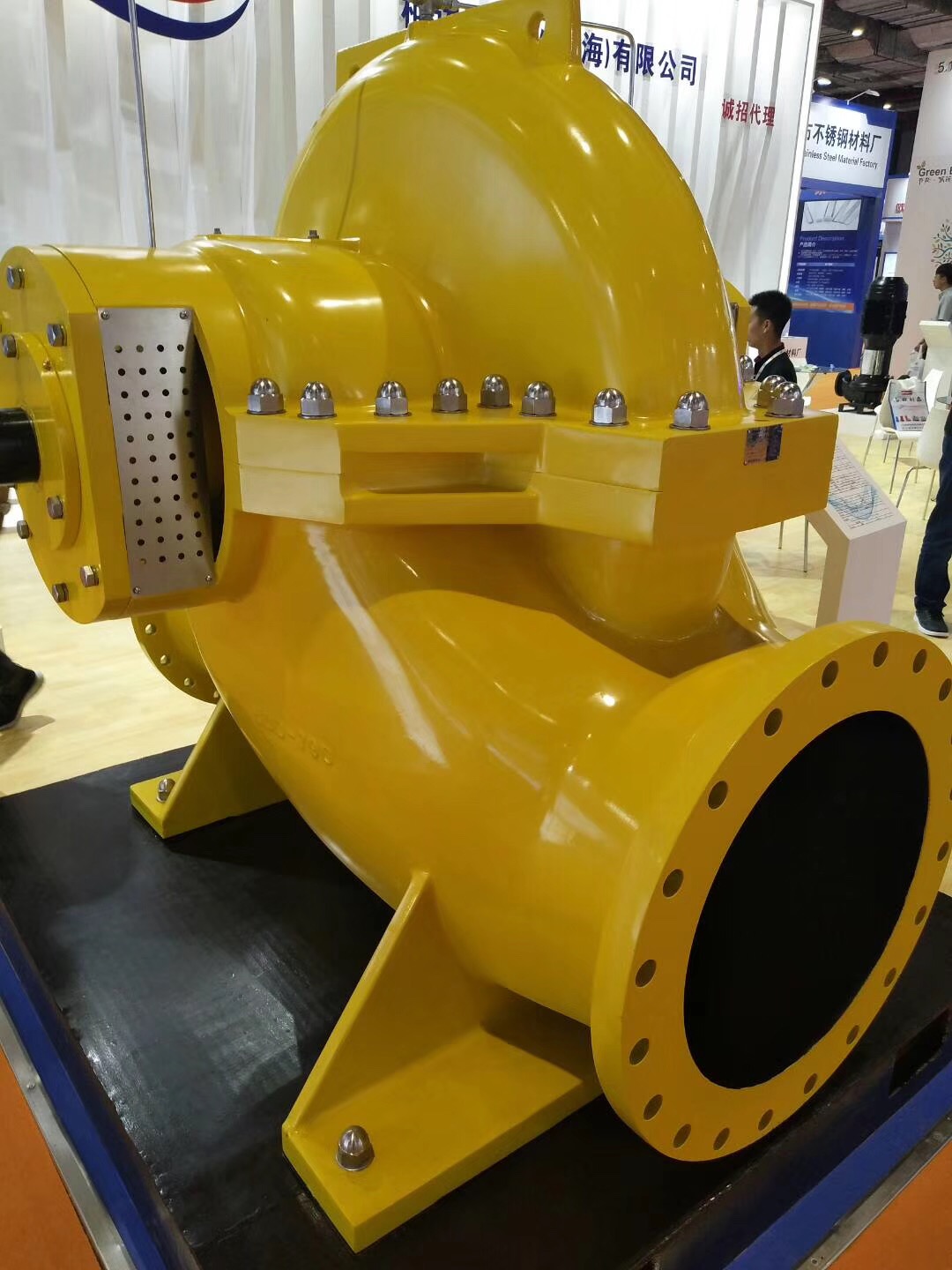
Sewer ejector systems are engineered solutions for the transfer of wastewater from below-grade plumbing fixtures to the municipal sewer system. Specifically designed for installations where gravity flow is insufficient, these systems overcome elevation differences and maintain proper drainage in basements, restrooms, and other low-lying areas. Positioned within the wastewater management infrastructure, the ejector system serves as a critical intermediary between the building’s plumbing and the public sewer mains. Core performance revolves around reliable pump operation, solids handling capability, alarm functionality, and adherence to stringent environmental and safety regulations. A properly functioning system prevents backups, mitigates potential health hazards, and ensures compliance with local building codes. The industry currently faces challenges related to energy efficiency, noise reduction, and the increasing need for remote monitoring and control capabilities in these increasingly complex systems.
Material Science & Manufacturing
The construction of a typical sewer ejector system incorporates several key materials, each selected for specific properties. The basin itself is commonly manufactured from high-density polyethylene (HDPE) or polypropylene (PP), chosen for their chemical resistance to a wide range of wastewater components, impact strength, and relatively low cost. HDPE boasts a tensile strength ranging from 20-30 MPa, and a chemical resistance profile that withstands acids, alkalis, and solvents commonly found in sewage. Pump components, particularly the impeller and volute, are frequently constructed from cast iron (ASTM A48 Class 30) due to its durability, wear resistance, and ability to handle abrasive solids. Stainless steel (304 or 316) is employed for critical components exposed to corrosive elements, offering superior longevity but at a higher cost. The float switches utilize polypropylene or PVC for buoyancy and mechanical operation. Manufacturing processes vary. Basin thermoforming involves heating a plastic sheet and molding it around a form using vacuum or pressure. Pump housings are created using sand casting or investment casting for intricate designs. Assembly is typically automated, with robotic welding used for joining metal components. Critical parameter control includes maintaining dimensional tolerances during thermoforming to ensure proper basin sealing, ensuring the cast iron pump housings meet specified hardness (Brinell Hardness Number – BHN) for abrasion resistance, and rigorous testing of float switch functionality across the full range of liquid levels.
Performance & Engineering
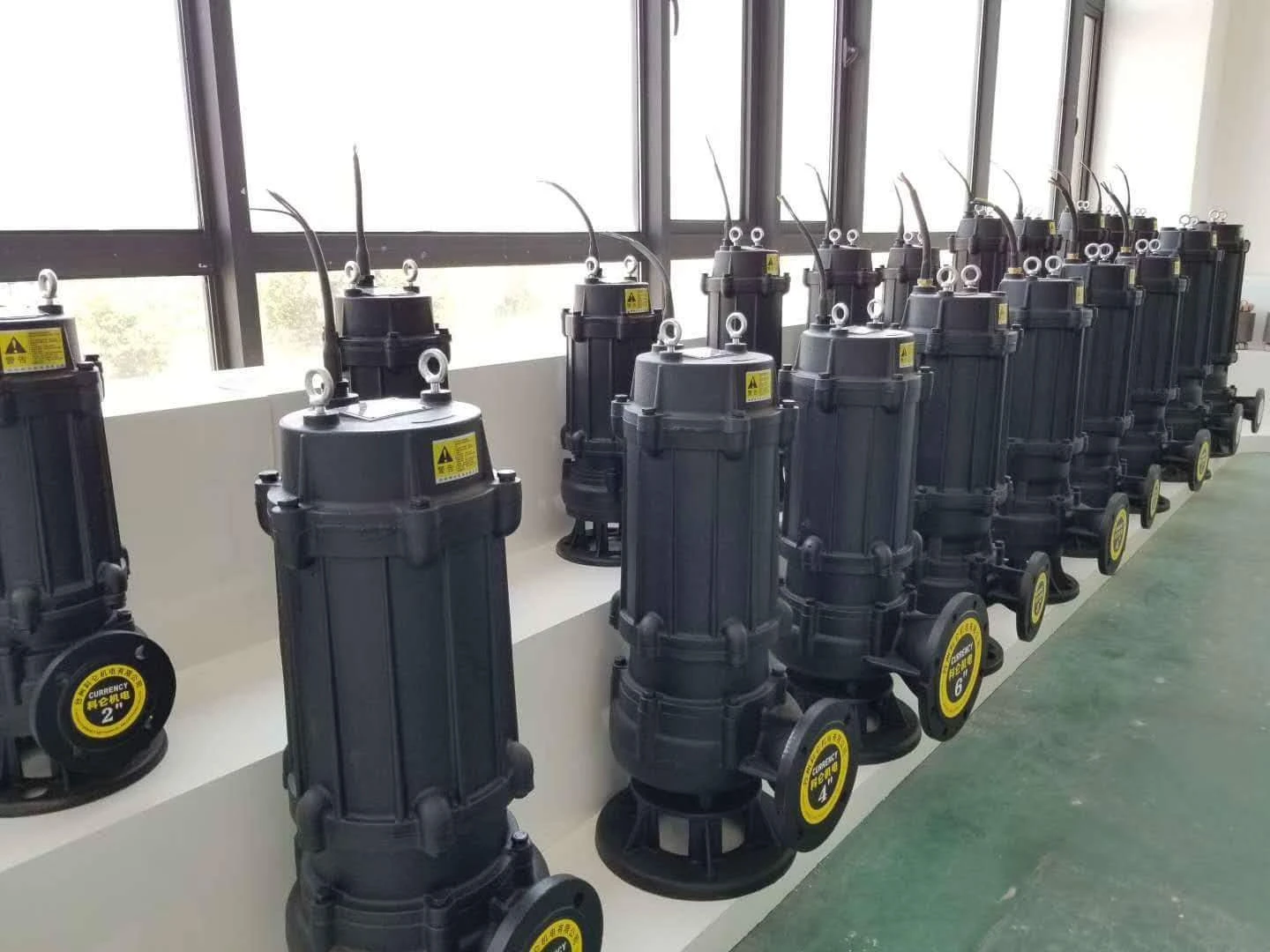
Sewer ejector system performance is governed by hydraulic principles and motor characteristics. Force analysis considers the static head (vertical distance the wastewater must be lifted), friction losses in piping, and the required flow rate. Pump selection is based on these factors, utilizing pump curves to determine optimal operating points. Environmental resistance is critical; systems must withstand temperature fluctuations, potential for flooding, and exposure to corrosive gases (hydrogen sulfide, methane). Motor enclosures are typically NEMA 4X rated for protection against water ingress and corrosion. Compliance requirements are driven by local plumbing codes, National Electrical Code (NEC) standards for electrical safety, and increasingly, energy efficiency regulations (e.g., Department of Energy guidelines). Functional implementation involves a control panel managing pump operation based on liquid level sensed by float switches. Redundancy is often incorporated with duplex pump systems to provide backup in case of pump failure. System design must account for the potential for clogging, employing features like grinder pumps for solids reduction and adequately sized discharge piping to minimize friction losses. The pump’s Net Positive Suction Head Required (NPSHR) must be less than the Net Positive Suction Head Available (NPSHA) to prevent cavitation, which damages the impeller and reduces pump efficiency.
Technical Specifications
| Parameter | Unit | Typical Value (Residential) | Typical Value (Commercial) |
|---|---|---|---|
| Tank Capacity | Gallons | 20-30 | 50-100+ |
| Pump Flow Rate | Gallons Per Minute (GPM) | 40-60 | 100-200+ |
| Total Dynamic Head (TDH) | Feet | 10-20 | 30-50+ |
| Motor Horsepower | HP | 1/2 - 1 | 1.5 - 5+ |
| Discharge Pipe Diameter | Inches | 1.5 - 2 | 3 - 4 |
| Alarm Voltage | Volts | 120/240 VAC | 120/240/480 VAC |
Failure Mode & Maintenance
Sewer ejector systems are susceptible to various failure modes. Pump failure, often due to impeller wear, bearing failure, or motor burnout, is common. Fatigue cracking in the impeller can result from prolonged exposure to abrasive solids. Seal failure leads to leakage and reduced pump efficiency. Clogging, caused by improper solids management, can overload the pump and trigger thermal overload protection. Float switch malfunctions, due to mechanical wear or electrical corrosion, can result in continuous pump operation or failure to activate. Corrosion of metal components, particularly in aggressive wastewater environments, reduces structural integrity. Failure analysis reveals that inadequate maintenance is a primary contributor to many failures. Preventive maintenance includes regular inspection of float switches, cleaning of the basin to remove solids buildup, lubrication of pump bearings, and voltage/amperage checks on the motor. Routine inspection of discharge piping for obstructions and leaks is also crucial. For pump failures, impeller replacement or pump rebuilding may be necessary. Corrosion-resistant coatings or material upgrades (e.g., stainless steel) can extend component lifespan. Regular testing of the alarm system ensures timely notification of system malfunctions.
Industry FAQ
Q: What is the typical lifespan of a sewer ejector pump?
A: The lifespan of a sewer ejector pump typically ranges from 7 to 15 years, depending on usage, wastewater composition, and maintenance practices. Higher usage, abrasive solids, and infrequent maintenance will shorten the lifespan.
Q: How do I determine the correct pump size for my application?
A: Pump sizing requires calculating the Total Dynamic Head (TDH), which includes static lift, friction losses in piping, and desired flow rate. Consult pump performance curves and consider future expansion needs.
Q: What are the key considerations for selecting a backup system?
A: A duplex pump system with alternating lead pumps provides redundancy. Automatic transfer switches ensure seamless transition in case of primary pump failure. Battery backup for the control panel is crucial during power outages.
Q: What are the common causes of alarm activation?
A: Common alarm causes include high water levels due to pump failure, float switch malfunctions, power outages, and clogged discharge piping. Proper troubleshooting requires diagnosing the underlying issue.
Q: What is the impact of hydrogen sulfide (H2S) on ejector systems?
A: H2S is a corrosive gas produced by the anaerobic decomposition of organic matter. It accelerates corrosion of metal components, especially in wet environments. Ventilation systems and corrosion-resistant materials can mitigate H2S damage.
Conclusion
Sewer ejector systems represent a vital component of modern wastewater infrastructure, enabling effective removal of sewage from below-grade locations. Their reliable operation depends on careful material selection, precise manufacturing processes, and diligent maintenance practices. Understanding the performance characteristics, potential failure modes, and relevant industry standards is crucial for ensuring long-term system functionality and compliance.
The future of sewer ejector systems will likely focus on incorporating smart technologies, such as remote monitoring, predictive maintenance algorithms, and energy-efficient pump designs. Addressing challenges related to solids handling, corrosion resistance, and overall system longevity will be paramount. Continued adherence to rigorous engineering principles and industry best practices will be essential for maintaining the integrity and efficiency of these critical systems.
-
Comprehensive Guide to Waterproof ORings for Optimal Sealing Solutions
News2026-06-09
-
submergable pump Material Science
News2026-06-23
-
sewer injection pump Performance Engineering
News2026-06-23
-
Sewer Ejector Pump System Performance Analysis
News2026-06-23
-
septic tank pump for sale Performance Engineering
News2026-06-23
-
septic pump for sale Performance Engineering
News2026-06-23
-
septic ejector system Performance Analysis
News2026-06-22
-
replace septic pump Performance Analysis
News2026-06-22
-
pump system septic tank Performance Analysis
News2026-06-22
-
lift pump for sewer Performance and Engineering
News2026-06-22
-
industrial submersible water pump Material Science
News2026-06-22
-
industrial submersible pumps Material Science and Manufacturing
News2026-06-21
-
best sewer ejector pump Performance Analysis
News2026-06-21
-
best septic pump Performance Analysis
News2026-06-21
-
1 2 hp septic pump Performance Engineering
News2026-06-21




