English
- Afrikaans
- Albanian
- Amharic
- Arabic
- Armenian
- Azerbaijani
- Basque
- Belarusian
- Bengali
- Bosnian
- Bulgarian
- Catalan
- Cebuano
- Corsican
- Croatian
- Czech
- Danish
- Dutch
- English
- Esperanto
- Estonian
- Finnish
- French
- Frisian
- Galician
- Georgian
- German
- Greek
- Gujarati
- Haitian Creole
- hausa
- hawaiian
- Hebrew
- Hindi
- Miao
- Hungarian
- Icelandic
- igbo
- Indonesian
- irish
- Italian
- Japanese
- Javanese
- Kannada
- kazakh
- Khmer
- Rwandese
- Korean
- Kurdish
- Kyrgyz
- Lao
- Latin
- Latvian
- Lithuanian
- Luxembourgish
- Macedonian
- Malgashi
- Malay
- Malayalam
- Maltese
- Maori
- Marathi
- Mongolian
- Myanmar
- Nepali
- Norwegian
- Norwegian
- Occitan
- Pashto
- Persian
- Polish
- Portuguese
- Punjabi
- Romanian
- Russian
- Samoan
- Scottish Gaelic
- Serbian
- Sesotho
- Shona
- Sindhi
- Sinhala
- Slovak
- Slovenian
- Somali
- Spanish
- Sundanese
- Swahili
- Swedish
- Tagalog
- Tajik
- Tamil
- Tatar
- Telugu
- Thai
- Turkish
- Turkmen
- Ukrainian
- Urdu
- Uighur
- Uzbek
- Vietnamese
- Welsh
- Bantu
- Yiddish
- Yoruba
- Zulu

Telephone: +86 13120555503
Email: frank@cypump.com


Apr . 01, 2024 17:55 Back to list
Sewer Ejector Pumps Material Science
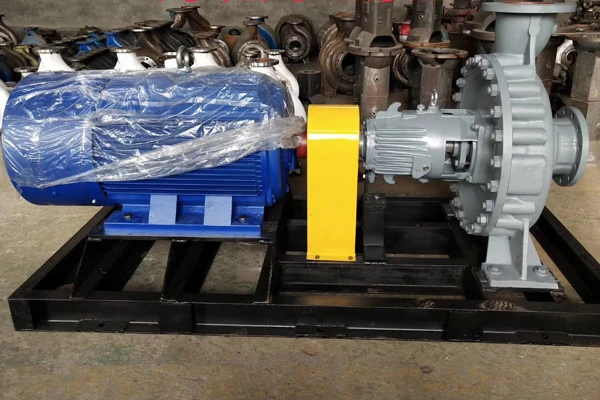
Introduction
Sewer ejector pumps are specialized submersible pumps designed to relocate wastewater from below the municipal sewer line to a point where gravity can carry it away. Unlike traditional sewage pumps which handle primarily solids-laden wastewater, ejector pumps frequently deal with effluent from systems like basement bathrooms, laundry rooms, and other areas where gravity drainage is not feasible. Their technical position within the wastewater management chain is critical for enabling basement finishing, handling properties with challenging topography, and accommodating commercial facilities with below-grade plumbing. Core performance characteristics are defined by head (vertical lift capability), flow rate (gallons per minute), motor horsepower, solids handling capacity, and switch mechanisms for automatic operation. A key industry pain point lies in pump failure due to abrasive solids, improper sizing leading to motor overheating, and corrosion of pump components in harsh wastewater environments. Proper selection and preventative maintenance are paramount to long-term reliability.
Material Science & Manufacturing
The construction of a sewer ejector pump necessitates materials capable of withstanding continuous submersion in corrosive wastewater and handling abrasive solids. Pump housings are commonly manufactured from cast iron (ASTM A48 Class 30) due to its cost-effectiveness and robustness. However, duplex stainless steel (UNS S31803 or S32205) is increasingly preferred for enhanced corrosion resistance, particularly in environments with high sulfide content. Impellers are typically fabricated from high-strength, abrasion-resistant materials like stainless steel (304 or 316) or engineered polymers like Vortex® polymeric material, chosen for their resistance to wear from sand and grit. Shafts utilize 4140 alloy steel, heat-treated for high tensile strength and resistance to torsional stress. Seals are typically made from materials like Viton® (fluoroelastomer) or EPDM rubber, selected for their compatibility with a wide range of chemicals and resistance to degradation. Manufacturing processes involve sand casting for the housing, investment casting or machining for the impeller, and precision machining for the shaft and other critical components. Welding processes, such as shielded metal arc welding (SMAW) and gas tungsten arc welding (GTAW), are employed for joining components. Critical parameter control during manufacturing includes dimensional accuracy of impellers for optimal hydraulic performance, precise balancing of rotating components to minimize vibration, and rigorous quality control of welds to prevent leakage. The selection of appropriate coatings, like epoxy, also plays a key role in corrosion prevention.
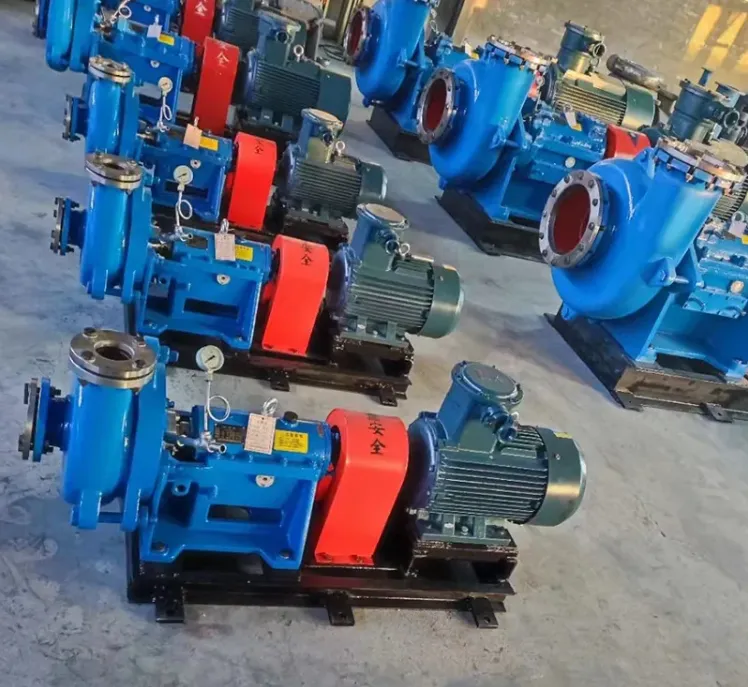
Performance & Engineering
The performance of a sewer ejector pump is heavily influenced by hydraulic design and motor characteristics. Force analysis centers on calculating the dynamic loads exerted by the impeller, shaft, and fluid flow. Bernoulli’s principle governs the fluid dynamics within the pump, converting electrical energy into kinetic and potential energy of the wastewater. Environmental resistance is a key concern, requiring pumps to operate reliably in fluctuating temperatures, potentially corrosive atmospheres, and submerged conditions. Compliance requirements include adherence to National Electrical Manufacturers Association (NEMA) standards for motor performance and safety, as well as Underwriters Laboratories (UL) listing for electrical safety. Functional implementation relies on float switches or pressure transducers to automatically activate the pump when a predetermined liquid level is reached. These switches require rigorous testing to ensure reliable operation and prevent pump run-on or cycling. Cavitation, a phenomenon where vapor bubbles form and collapse within the pump, is a major performance inhibitor. Proper impeller design and net positive suction head (NPSH) calculations are crucial for mitigating cavitation. Furthermore, understanding the system head loss – comprising static lift, friction losses in piping, and pressure losses through valves and fittings – is vital for selecting a pump with sufficient head capacity to meet the application’s needs. Pump curves, which depict the relationship between flow rate and head, are essential tools for engineers.
Technical Specifications
| Horsepower (HP) | Maximum Head (ft) | Maximum Flow Rate (GPM) | Solids Handling Capacity (in) |
|---|---|---|---|
| 1/3 HP | 25 | 45 | 1.5 |
| 1/2 HP | 35 | 60 | 2 |
| 3/4 HP | 45 | 75 | 2.5 |
| 1 HP | 55 | 90 | 3 |
| 1.5 HP | 65 | 110 | 3.5 |
| 2 HP | 75 | 130 | 4 |
Failure Mode & Maintenance
Sewer ejector pump failures typically stem from several key modes. Fatigue cracking in the impeller, often initiated by stress concentrations and exacerbated by abrasive solids, is a common issue. Delamination of polymeric impeller materials can occur due to prolonged exposure to harsh chemicals and temperature fluctuations. Motor failure, often resulting from overheating due to improper sizing or blocked cooling passages, represents a significant downtime factor. Seal failure, caused by wear, chemical attack, or improper installation, leads to leakage and potential motor damage. Corrosion, particularly in cast iron housings, is prevalent in sulfide-rich environments, leading to structural weakening. Maintenance solutions involve regular inspection of the impeller for wear and cracks, periodic replacement of seals, cleaning of pump inlets to remove debris, and monitoring motor amperage to detect overheating. Preventative maintenance schedules should include lubrication of bearings (if applicable) and testing of float switches. When replacing pumps, consider upgrading to materials with enhanced corrosion resistance, such as duplex stainless steel. Failure analysis, including metallurgical examination of failed components, can help identify root causes and prevent future occurrences. Regularly flushing the sump pit can also remove sediment buildup which contributes to accelerated wear.
Industry FAQ
Q: What is the primary difference between a sewer ejector pump and a submersible sewage pump?
A: While both handle wastewater, sewer ejector pumps are generally used for applications where the wastewater source is significantly below the main sewer line and may contain relatively clean effluent. Submersible sewage pumps are designed for handling raw sewage and solids-laden wastewater directly from septic tanks or sewage systems.
Q: How do I determine the correct horsepower for my application?
A: Correct horsepower is determined by calculating the total dynamic head (TDH) – which includes static lift, friction losses, and pressure losses – and the required flow rate. Use a pump curve to select a pump that delivers the desired flow at the calculated TDH. Oversizing can lead to inefficient operation and short cycling.
Q: What are the common causes of pump failure in a basement ejector pump system?
A: Common causes include abrasive solids causing impeller wear, float switch failures leading to continuous running or lack of operation, motor overheating due to improper sizing or blockages, and corrosion of pump components.
Q: How often should I inspect and maintain my ejector pump?
A: Annual inspection is recommended, including checking the impeller for wear, testing float switches, inspecting seals for leakage, and cleaning the pump intake. More frequent inspections may be necessary in environments with high levels of abrasive solids.
Q: What material is best suited for a corrosive wastewater environment?
A: Duplex stainless steel (UNS S31803 or S32205) provides superior corrosion resistance compared to cast iron, particularly in environments with high sulfide concentrations. Engineered polymers can also offer good chemical resistance for certain applications.
Conclusion
Sewer ejector pumps represent a crucial component in modern wastewater management, enabling the utilization of spaces below sewer lines and providing reliable removal of effluent. Their proper selection, installation, and maintenance are paramount to ensuring long-term performance and minimizing downtime. Understanding the interplay between material science, hydraulic engineering, and applicable industry standards is essential for specifying pumps that meet the demands of specific applications.
Future advancements in ejector pump technology are likely to focus on increased energy efficiency through optimized impeller designs and variable frequency drives, enhanced monitoring capabilities using IoT sensors for predictive maintenance, and the development of more durable materials resistant to a wider range of corrosive compounds. Continued adherence to rigorous testing protocols and compliance standards will ensure the reliable and sustainable operation of these vital systems.
-
Comprehensive Guide to Waterproof ORings for Optimal Sealing Solutions
News2026-06-09
-
submersible pump set Performance Analysis
News2026-06-16
-
Sewer Ejector Pumps Material Science
News2026-06-16
-
septic water pump Performance Analysis
News2026-06-16
-
septic tank water pump Performance Analysis
News2026-06-16
-
Septic Tank Pump to Drain Field Performance Analysis
News2026-06-16
-
septic tank pump system Performance Analysis
News2026-06-15
-
septic system lift pump Performance Analysis
News2026-06-15
-
septic pumps for sale Performance Analysis
News2026-06-15
-
lift pump for septic system Material Science Manufacturing
News2026-06-15
-
Ejector Pit and Pump System Performance
News2026-06-15
-
basement plumbing pump Performance Engineering
News2026-06-14
-
water submersible pump Performance Engineering
News2026-06-14
-
Septic Systems with Pumps Performance Analysis
News2026-06-14
-
Septic Pump Systems Performance Analysis
News2026-06-14




