English
- Afrikaans
- Albanian
- Amharic
- Arabic
- Armenian
- Azerbaijani
- Basque
- Belarusian
- Bengali
- Bosnian
- Bulgarian
- Catalan
- Cebuano
- Corsican
- Croatian
- Czech
- Danish
- Dutch
- English
- Esperanto
- Estonian
- Finnish
- French
- Frisian
- Galician
- Georgian
- German
- Greek
- Gujarati
- Haitian Creole
- hausa
- hawaiian
- Hebrew
- Hindi
- Miao
- Hungarian
- Icelandic
- igbo
- Indonesian
- irish
- Italian
- Japanese
- Javanese
- Kannada
- kazakh
- Khmer
- Rwandese
- Korean
- Kurdish
- Kyrgyz
- Lao
- Latin
- Latvian
- Lithuanian
- Luxembourgish
- Macedonian
- Malgashi
- Malay
- Malayalam
- Maltese
- Maori
- Marathi
- Mongolian
- Myanmar
- Nepali
- Norwegian
- Norwegian
- Occitan
- Pashto
- Persian
- Polish
- Portuguese
- Punjabi
- Romanian
- Russian
- Samoan
- Scottish Gaelic
- Serbian
- Sesotho
- Shona
- Sindhi
- Sinhala
- Slovak
- Slovenian
- Somali
- Spanish
- Sundanese
- Swahili
- Swedish
- Tagalog
- Tajik
- Tamil
- Tatar
- Telugu
- Thai
- Turkish
- Turkmen
- Ukrainian
- Urdu
- Uighur
- Uzbek
- Vietnamese
- Welsh
- Bantu
- Yiddish
- Yoruba
- Zulu

Telephone: +86 13120555503
Email: frank@cypump.com


Apr . 01, 2024 17:55 Back to list
Sewer Ejector Pump System Performance Analysis
Introduction
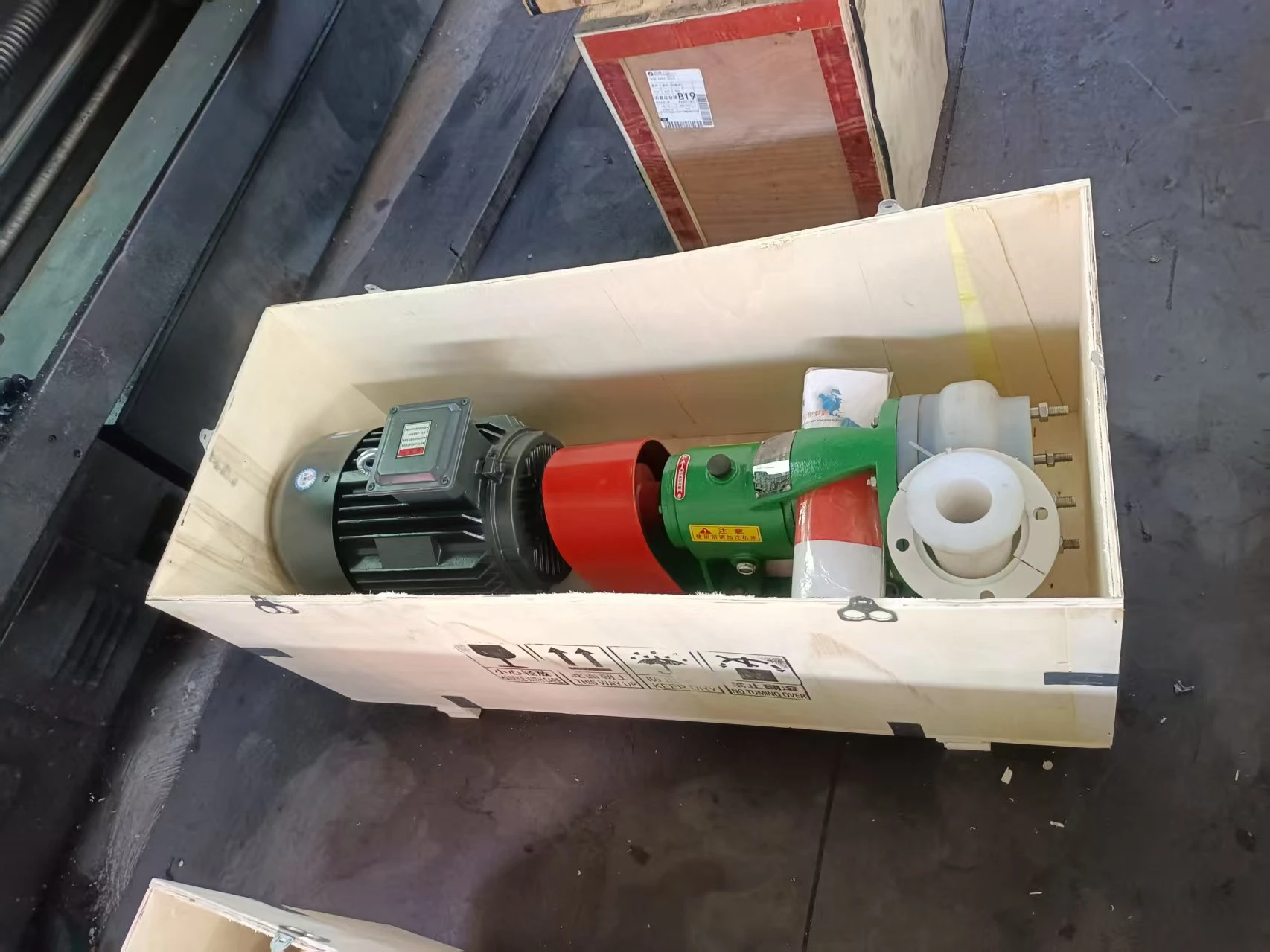
Sewer ejector pump systems are critical components of wastewater management in buildings and properties where gravity drainage is insufficient. These systems are specifically designed to collect wastewater from fixtures located below the municipal sewer line and pump it upwards to the main sewer system. The technical position of a sewer ejector pump system lies within the broader realm of fluid handling and wastewater treatment, functioning as an intermediary between localized sewage sources and the public sewage infrastructure. Core performance characteristics revolve around reliable pumping capacity, solids handling capability, leak-proof operation, and alarm functionality to prevent backflow and system failures. A properly designed and maintained system ensures sanitary conditions and prevents property damage from sewage backups, addressing a significant pain point for commercial and residential property owners and facility managers.
Material Science & Manufacturing
The construction of a sewer ejector pump system involves a variety of materials selected for their resistance to corrosive wastewater and mechanical robustness. Pump housings are typically manufactured from cast iron (ASTM A48 Class 30) due to its durability and cost-effectiveness, often with an epoxy coating for enhanced corrosion resistance. Impellers, responsible for moving the fluid, are commonly made from stainless steel (304 or 316) to withstand abrasive solids and minimize corrosion. Check valves, essential for preventing backflow, utilize materials like nitrile rubber or EPDM for sealing elements, offering resilience against chemical degradation. The collection basin itself is usually constructed of high-density polyethylene (HDPE) or polypropylene, chosen for their chemical inertness and impact resistance. Manufacturing processes include sand casting for the pump housing, investment casting or machining for the impeller, and injection molding for plastic components. Critical parameters during manufacturing include dimensional accuracy of impeller vanes to maximize hydraulic efficiency, weld quality in the pump housing to prevent leaks, and consistent coating thickness for corrosion protection. Proper heat treatment of cast iron is crucial to achieve the desired hardness and tensile strength. Failure to control these parameters can lead to premature failure due to cavitation, corrosion, or structural defects.
Performance & Engineering
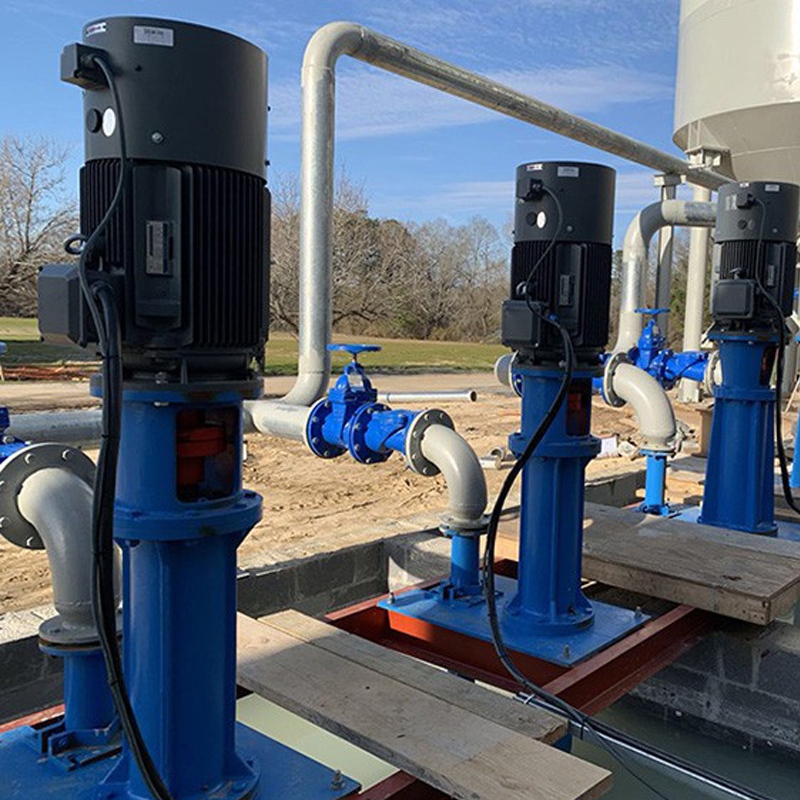
Performance engineering of sewer ejector pump systems centers on hydraulic design and motor selection. Force analysis is critical, considering static head (vertical distance to the sewer line), dynamic head (friction losses in piping), and flow rate requirements determined by fixture unit load calculations (based on plumbing codes like the International Plumbing Code – IPC). Pumps are typically centrifugal, chosen for their ability to handle solids. Impeller design, including vane angle and number, significantly impacts pump efficiency and head generation. Motor selection is based on horsepower (HP) required to overcome the total dynamic head and deliver the necessary flow rate. Environmental resistance considerations include maintaining operational temperature limits (typically 32°F to 104°F) and protecting against moisture ingress (NEMA enclosure ratings – NEMA 4 or NEMA 6P are common). Compliance requirements often include UL listing (Underwriters Laboratories) and adherence to local plumbing codes. The system must incorporate a float switch mechanism to automatically activate and deactivate the pump based on liquid level in the collection basin, preventing dry running and overflow. A backflow prevention device, such as a check valve, is essential to prevent sewage from returning into the basin when the pump is off. Proper vent pipe installation is also crucial to prevent airlock and ensure efficient pump operation.
Technical Specifications
| Pump Capacity (GPM) | Total Dynamic Head (ft) | Motor Horsepower (HP) | Discharge Pipe Size (in) |
|---|---|---|---|
| 40-60 | 20-30 | 1/2 - 3/4 | 2 |
| 60-80 | 30-40 | 3/4 - 1 | 3 |
| 80-120 | 40-60 | 1 - 1.5 | 4 |
| 120-200 | 60-80 | 1.5 - 2 | 4-6 |
| 200-300 | 80-100 | 2-3 | 6 |
| 300+ | 100+ | 3+ | 8+ |
Failure Mode & Maintenance
Common failure modes in sewer ejector pump systems include impeller failure due to solids binding or cavitation, motor burnout caused by overheating or overload, seal failure leading to leaks, and float switch malfunction resulting in pump cycling issues or overflow. Fatigue cracking can occur in the pump housing over time due to repeated stress from pumping and vibration. Delamination of the epoxy coating can lead to corrosion of the cast iron housing. Degradation of rubber components (seals, check valve flappers) can occur due to chemical exposure and age. Oxidation of electrical connections can cause motor control issues. Preventative maintenance is crucial and should include regular inspection of the pump, basin, and discharge piping for leaks or damage. Periodic cleaning of the basin to remove accumulated solids is essential. Lubrication of motor bearings according to manufacturer recommendations is vital. Testing of the float switch mechanism ensures proper operation. Electrical connections should be checked and tightened as needed. Annual professional inspection and servicing, including impeller and seal replacement as needed, can significantly extend the lifespan of the system. Proper ventilation of the basin area helps prevent corrosion. Following manufacturer’s guidelines for pump sizing and installation minimizes stress and extends system life.
Industry FAQ
Q: What are the key considerations when selecting a pump capacity for a new installation?
A: Pump capacity should be determined by a thorough fixture unit load calculation, based on the type and number of plumbing fixtures served. Consider future expansion possibilities to avoid undersizing the pump. Account for the total dynamic head, including static head and friction losses in the discharge piping. Select a pump with a performance curve that matches the required flow rate and head.
Q: How do I address recurring clogging issues in the ejector basin?
A: Recurring clogging often indicates inappropriate materials being discharged into the system. Implement a policy to prevent the disposal of grease, wipes, and other non-biodegradable items. Consider installing a macerating pump, which can shred solids before they enter the discharge piping. Regular basin cleaning is also essential.
Q: What is the proper procedure for troubleshooting a pump that won't start?
A: First, check the electrical supply to ensure power is reaching the pump. Verify the float switch is functioning correctly and not obstructed. Inspect the pump’s overload protector, which may have tripped. If these steps don’t resolve the issue, consult a qualified electrician or pump technician.
Q: What type of alarm system is recommended for a sewer ejector pump system?
A: A high-level alarm is essential to alert building occupants to potential overflow conditions. The alarm should be audible and visually conspicuous. Consider a remote monitoring system that sends alerts to a designated contact via email or text message.
Q: What is the expected lifespan of a typical sewer ejector pump?
A: With proper installation and regular maintenance, a sewer ejector pump can last 10-15 years. However, lifespan can vary depending on the frequency of use, the type of wastewater handled, and the quality of the pump components.
Conclusion
Sewer ejector pump systems represent a vital infrastructural element for buildings situated below gravity sewer lines. Their reliable operation hinges on careful material selection, precise manufacturing processes, and astute performance engineering to withstand the challenges of corrosive wastewater and demanding operating conditions. A thorough understanding of potential failure modes and a commitment to proactive maintenance are paramount to maximizing system longevity and preventing costly disruptions.
The trend toward smarter wastewater management systems is driving the integration of advanced sensors and controls into ejector pump systems, enabling remote monitoring, predictive maintenance, and optimized energy consumption. Future development may focus on incorporating self-cleaning features to mitigate clogging issues and enhancing pump efficiency through improved impeller designs. Adherence to industry standards and continuous innovation will be key to ensuring the continued effectiveness of these crucial systems.
-
Comprehensive Guide to Waterproof ORings for Optimal Sealing Solutions
News2026-06-09
-
submergable pump Material Science
News2026-06-23
-
sewer injection pump Performance Engineering
News2026-06-23
-
Sewer Ejector Pump System Performance Analysis
News2026-06-23
-
septic tank pump for sale Performance Engineering
News2026-06-23
-
septic pump for sale Performance Engineering
News2026-06-23
-
septic ejector system Performance Analysis
News2026-06-22
-
replace septic pump Performance Analysis
News2026-06-22
-
pump system septic tank Performance Analysis
News2026-06-22
-
lift pump for sewer Performance and Engineering
News2026-06-22
-
industrial submersible water pump Material Science
News2026-06-22
-
industrial submersible pumps Material Science and Manufacturing
News2026-06-21
-
best sewer ejector pump Performance Analysis
News2026-06-21
-
best septic pump Performance Analysis
News2026-06-21
-
1 2 hp septic pump Performance Engineering
News2026-06-21




