English
- Afrikaans
- Albanian
- Amharic
- Arabic
- Armenian
- Azerbaijani
- Basque
- Belarusian
- Bengali
- Bosnian
- Bulgarian
- Catalan
- Cebuano
- Corsican
- Croatian
- Czech
- Danish
- Dutch
- English
- Esperanto
- Estonian
- Finnish
- French
- Frisian
- Galician
- Georgian
- German
- Greek
- Gujarati
- Haitian Creole
- hausa
- hawaiian
- Hebrew
- Hindi
- Miao
- Hungarian
- Icelandic
- igbo
- Indonesian
- irish
- Italian
- Japanese
- Javanese
- Kannada
- kazakh
- Khmer
- Rwandese
- Korean
- Kurdish
- Kyrgyz
- Lao
- Latin
- Latvian
- Lithuanian
- Luxembourgish
- Macedonian
- Malgashi
- Malay
- Malayalam
- Maltese
- Maori
- Marathi
- Mongolian
- Myanmar
- Nepali
- Norwegian
- Norwegian
- Occitan
- Pashto
- Persian
- Polish
- Portuguese
- Punjabi
- Romanian
- Russian
- Samoan
- Scottish Gaelic
- Serbian
- Sesotho
- Shona
- Sindhi
- Sinhala
- Slovak
- Slovenian
- Somali
- Spanish
- Sundanese
- Swahili
- Swedish
- Tagalog
- Tajik
- Tamil
- Tatar
- Telugu
- Thai
- Turkish
- Turkmen
- Ukrainian
- Urdu
- Uighur
- Uzbek
- Vietnamese
- Welsh
- Bantu
- Yiddish
- Yoruba
- Zulu

Telephone: +86 13120555503
Email: frank@cypump.com


Apr . 01, 2024 17:55 Back to list
Sewer Ejector Pump Performance Analysis
Introduction
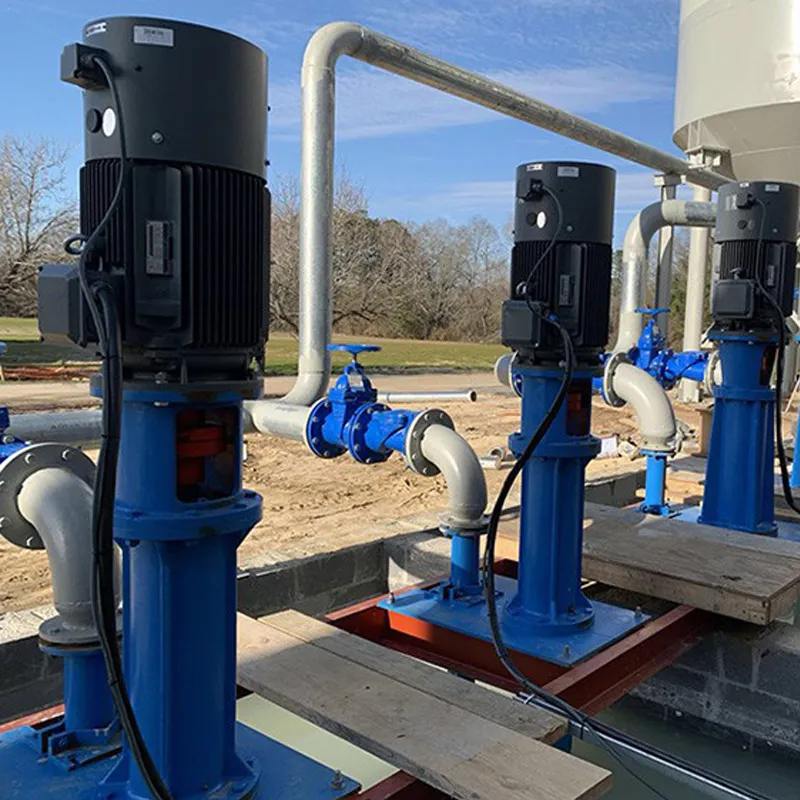
Sewer ejector pumps are critical components in wastewater management systems, specifically designed to relocate sewage from areas below the municipal sewer line to a point where gravity flow can resume. These pumps, often categorized as submersible pumps, overcome elevation differences and distance limitations inherent in traditional gravity-fed systems. Their technical position within the wastewater treatment chain is as a primary lift station element, preventing sewage backups and facilitating the efficient transport of wastewater. Core performance characteristics revolve around flow rate (gallons per minute or liters per second), head (vertical distance the pump can lift the fluid), motor horsepower, and solids handling capability – all crucial parameters dictating the pump’s suitability for a given application. A key industry pain point is the high cost associated with pump failure, leading to potential environmental hazards, property damage, and costly emergency repairs. Selecting a pump with appropriate materials of construction and redundancy is therefore paramount.
Material Science & Manufacturing
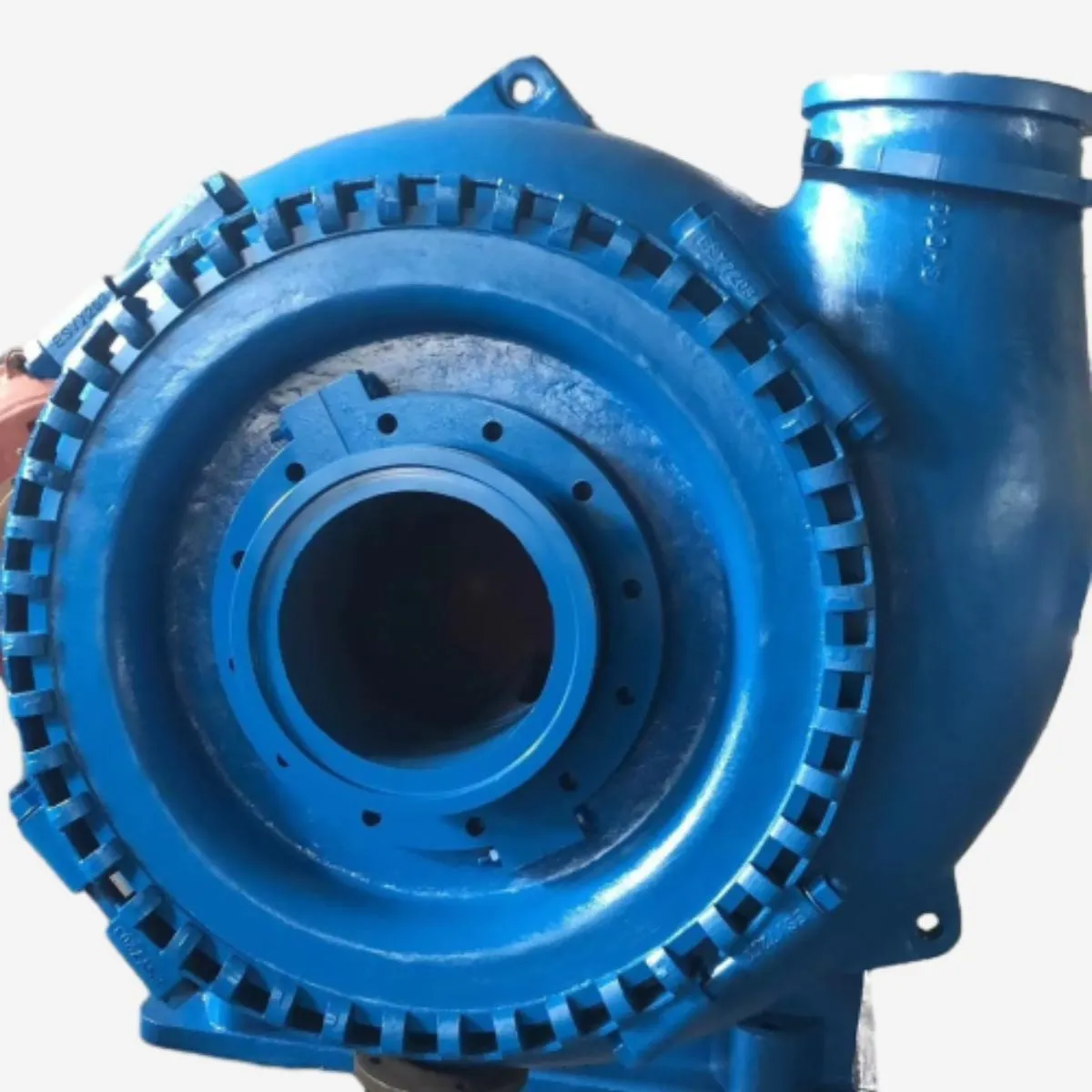
Sewer ejector pumps are constructed from materials chosen for their corrosion resistance and durability in harsh wastewater environments. Pump housings are commonly cast iron (ASTM A48 Class 30), epoxy-coated cast iron (for enhanced corrosion protection), or stainless steel (typically 304 or 316 stainless steel, meeting ASTM A240 standards). Impellers, which generate the centrifugal force to move the wastewater, are frequently manufactured from high-strength ductile iron (ASTM A536) or stainless steel. Shafts utilize 4140 alloy steel, heat treated to achieve high tensile strength and wear resistance. Seals are critically important, often employing silicon carbide mechanical seals (meeting ANSI/ASME B73.1 standards) for their abrasion and chemical resistance. Manufacturing processes involve casting (for housings and impellers), machining (for precise component fitting), welding (for joining components, adhering to AWS D1.1 standards), and epoxy coating (for corrosion prevention, following SSPC-SP 10/NACE RP 2). A crucial parameter control during manufacturing is impeller balancing. Even minor imbalances can lead to excessive vibration, premature bearing failure, and reduced pump life. Regular non-destructive testing, such as radiographic inspection (ASTM E94) of castings, is crucial to detect internal flaws.
Performance & Engineering
Performance evaluation of sewer ejector pumps centers on hydraulic analysis and motor efficiency. Force analysis considers both static and dynamic loads, including the weight of the pump, hydraulic forces from the wastewater, and external forces from piping. Environmental resistance encompasses chemical compatibility (resistance to hydrogen sulfide, sulfates, and other corrosive compounds present in wastewater), temperature tolerance, and moisture ingress protection (IP68 rating indicates complete protection against dust and prolonged immersion in water). Compliance requirements are dictated by regional regulations, including EPA standards for wastewater discharge and UL/CSA certifications for electrical safety. Functional implementation demands consideration of pump curves (showing head vs. flow rate), net positive suction head (NPSH) requirements to prevent cavitation, and variable frequency drive (VFD) compatibility for energy optimization. A significant engineering challenge is mitigating the risk of solids buildup and clogging. Pump designs often incorporate vortex impellers to efficiently handle solids without maceration, reducing the likelihood of blockages. The selection of appropriate motor starting methods (e.g., reduced voltage starting) is also vital to minimize stress on the electrical grid and extend motor lifespan.
Technical Specifications
| Flow Rate (GPM) | Total Dynamic Head (ft) | Motor Horsepower (HP) | Solids Handling (in) |
|---|---|---|---|
| 50-100 | 30-60 | 1-2 | 2 |
| 100-200 | 60-100 | 3-5 | 3 |
| 200-300 | 100-150 | 5-7.5 | 4 |
| 300-400 | 150-200 | 7.5-10 | 4 |
| 400-500 | 200-250 | 10-15 | 6 |
| 500-600 | 250-300 | 15-20 | 6 |
Failure Mode & Maintenance
Common failure modes in sewer ejector pumps include impeller damage (due to abrasive solids or cavitation), seal failure (leading to leakage and motor damage), motor winding failure (caused by overheating or moisture ingress), bearing failure (resulting from excessive vibration or inadequate lubrication), and pump housing corrosion. Failure analysis reveals that cavitation, a result of insufficient NPSH, often leads to impeller erosion and reduced pump efficiency. Corrosion, particularly in systems with high hydrogen sulfide concentrations, weakens pump components and can lead to catastrophic failure. Preventive maintenance is crucial, encompassing regular inspections for leaks, vibration analysis (using ISO 10816 standards), lubrication of bearings, seal replacement (typically every 1-2 years), and monitoring of motor winding insulation resistance (following IEEE 43 standards). Pump wet wells should be periodically cleaned to remove sediment buildup and prevent clogging. When replacing components, it’s vital to adhere to original equipment manufacturer (OEM) specifications and use compatible materials to avoid galvanic corrosion or other material incompatibility issues. Implementing a predictive maintenance program, utilizing sensor data and machine learning algorithms, can further optimize maintenance schedules and minimize downtime.
Industry FAQ
Q: What is the impact of hydrogen sulfide (H2S) on pump longevity?
A: Hydrogen sulfide is a highly corrosive gas commonly found in sewage. It accelerates corrosion of metallic pump components, particularly cast iron and stainless steel. Prolonged exposure leads to pitting, cracking, and eventual pump failure. Utilizing epoxy-coated housings or upgrading to 316 stainless steel are effective mitigation strategies, alongside chemical scrubbing systems to reduce H2S levels in the wet well.
Q: How do I determine the correct pump size for my application?
A: Correct pump sizing requires a thorough assessment of the system's hydraulic profile. Factors to consider include the vertical lift (head), the flow rate required to handle peak demand, the distance from the pump to the discharge point (accounting for friction losses in piping), and the characteristics of the wastewater (solids content, viscosity). Consulting pump performance curves and utilizing hydraulic calculation software is recommended.
Q: What are the advantages of using a VFD with a sewer ejector pump?
A: Variable Frequency Drives (VFDs) offer significant energy savings by adjusting pump speed to match demand. They also reduce mechanical stress on the pump and motor during startup and shutdown, extending equipment life. Furthermore, VFDs can provide soft starting capabilities, minimizing inrush current and reducing strain on the electrical grid.
Q: What are the signs of impending seal failure?
A: Common signs of seal failure include noticeable leakage around the pump, increased pump noise, and a decrease in pump performance. Regular visual inspections and monitoring of pump motor current can help detect early signs of seal deterioration before a catastrophic failure occurs.
Q: What is the best method for preventing pump clogging?
A: Preventing pump clogging involves a multi-faceted approach. Regular wet well cleaning to remove sediment buildup is essential. Utilizing pumps with vortex impellers that can handle solids without maceration reduces the risk of blockages. Installing a screening system upstream of the pump can also capture large debris. Finally, ensuring proper pump sizing and avoiding overpumping can prevent solids from accumulating in the impeller area.
Conclusion
Sewer ejector pumps represent a vital, yet often overlooked, component of modern wastewater infrastructure. Their robust design and reliable operation are critical for preventing sewage backups and ensuring the efficient transport of wastewater. Selecting a pump engineered with durable materials, manufactured to stringent quality standards, and properly sized for the specific application is paramount to minimizing life-cycle costs and maximizing operational uptime.
Future developments in sewer ejector pump technology will likely focus on improved monitoring and control systems, predictive maintenance algorithms, and the integration of smart sensors for real-time performance data. These advancements will further enhance pump efficiency, reliability, and reduce the overall environmental impact of wastewater management systems, addressing the core industry pain points of cost and sustainability.
-
Comprehensive Guide to Waterproof ORings for Optimal Sealing Solutions
News2026-06-09
-
drainage pumps Performance and Engineering
News2026-06-09
-
basement bathroom ejector pump Material Science
News2026-06-09
-
Sewer Ejector Pump Cost Performance Analysis
News2026-06-09
-
Septic Tank Pump Replacement Performance Analysis
News2026-06-09
-
septic sump pump Performance and Engineering
News2026-06-09
-
Septic Pump System Performance Analysis
News2026-06-08
-
pump for septic Material Science
News2026-06-08
-
basement sewer pump Performance Analysis
News2026-06-08
-
submerged pump Performance Engineering
News2026-06-08
-
Septic System Pumps Performance Analysis
News2026-06-08
-
septic system pump Material Science and Manufacturing
News2026-06-07
-
pump for septic tank Material Science Manufacturing
News2026-06-07
-
submersible sewage pump Material Science
News2026-06-07
-
Sewage Ejector Material Science and Manufacturing
News2026-06-07




