English
- Afrikaans
- Albanian
- Amharic
- Arabic
- Armenian
- Azerbaijani
- Basque
- Belarusian
- Bengali
- Bosnian
- Bulgarian
- Catalan
- Cebuano
- Corsican
- Croatian
- Czech
- Danish
- Dutch
- English
- Esperanto
- Estonian
- Finnish
- French
- Frisian
- Galician
- Georgian
- German
- Greek
- Gujarati
- Haitian Creole
- hausa
- hawaiian
- Hebrew
- Hindi
- Miao
- Hungarian
- Icelandic
- igbo
- Indonesian
- irish
- Italian
- Japanese
- Javanese
- Kannada
- kazakh
- Khmer
- Rwandese
- Korean
- Kurdish
- Kyrgyz
- Lao
- Latin
- Latvian
- Lithuanian
- Luxembourgish
- Macedonian
- Malgashi
- Malay
- Malayalam
- Maltese
- Maori
- Marathi
- Mongolian
- Myanmar
- Nepali
- Norwegian
- Norwegian
- Occitan
- Pashto
- Persian
- Polish
- Portuguese
- Punjabi
- Romanian
- Russian
- Samoan
- Scottish Gaelic
- Serbian
- Sesotho
- Shona
- Sindhi
- Sinhala
- Slovak
- Slovenian
- Somali
- Spanish
- Sundanese
- Swahili
- Swedish
- Tagalog
- Tajik
- Tamil
- Tatar
- Telugu
- Thai
- Turkish
- Turkmen
- Ukrainian
- Urdu
- Uighur
- Uzbek
- Vietnamese
- Welsh
- Bantu
- Yiddish
- Yoruba
- Zulu

Telephone: +86 13120555503
Email: frank@cypump.com


Apr . 01, 2024 17:55 Back to list
Sewer Ejector Pit Performance Analysis
Introduction
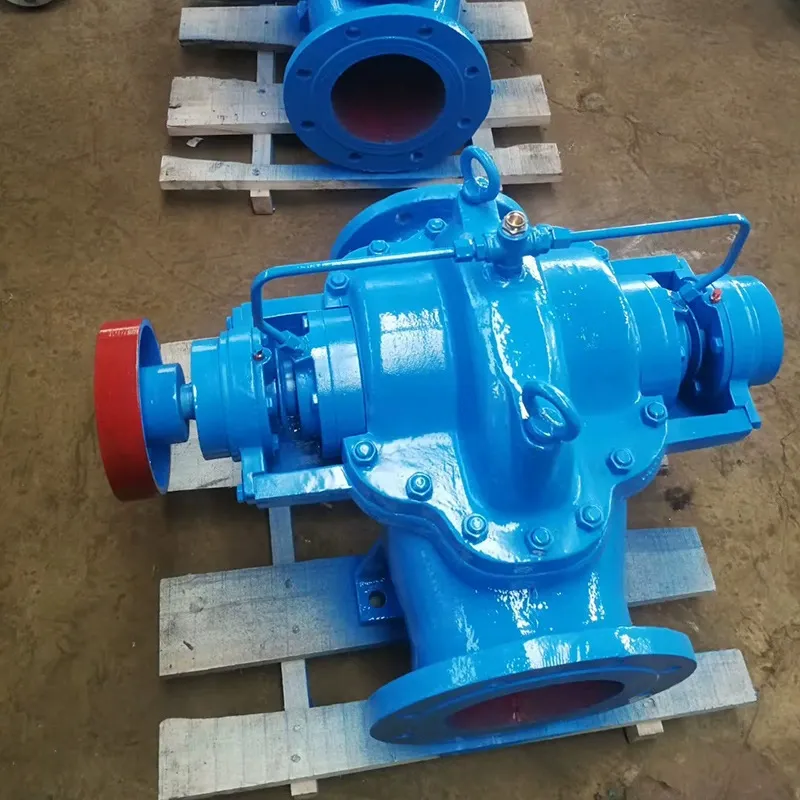
A sewer ejector pit is a subsurface containment structure designed to collect wastewater from sources located below the public sewer line. Its primary function is to provide a lift station for these lower-level flows, enabling their discharge into the main sewer system. Technically, it represents a critical component within municipal and residential wastewater management infrastructure, addressing gravitational challenges inherent in low-lying properties. Ejector pits commonly incorporate a submersible pump, control panel, check valve, and alarm system. The performance of an ejector pit is fundamentally dictated by its hydraulic capacity, pump selection, material durability against corrosive environments, and the reliability of its control systems. Failures result in sewage backups, sanitation hazards, and potential environmental contamination, making robust design and maintenance paramount. This guide details the material science, manufacturing, performance characteristics, failure modes, and industry standards pertinent to sewer ejector pit systems.
Material Science & Manufacturing
The construction of sewer ejector pits relies on several key materials, each selected for specific properties. Concrete is the predominant structural material, typically utilizing a high-strength, sulfate-resistant mix design (ASTM C94). The cement type (Type II or V are common) is crucial in mitigating sulfate attack from wastewater. Reinforcing steel (ASTM A615) provides tensile strength to the concrete, resisting cracking due to hydrostatic pressure and soil loads. The grade of steel (typically Grade 60) is selected based on calculated stresses. Pit liners, commonly constructed from Polypropylene (PP) or High-Density Polyethylene (HDPE), offer a barrier against corrosion and leakage. PP exhibits good chemical resistance to common wastewater constituents, while HDPE provides superior impact resistance. Pump components frequently utilize cast iron (ASTM A48) for the pump housing due to its durability and cost-effectiveness, though stainless steel (typically 316, ASTM A743) is employed in more corrosive environments. Manufacturing processes involve formwork construction for concrete pits, followed by rebar placement and concrete pouring/vibration. HDPE liners are typically thermoformed or welded in-situ. Pump assembly involves precision machining of cast iron or stainless steel components and rigorous quality control testing. Critical parameter control includes concrete slump testing, rebar cover verification, liner weld integrity assessment, and pump performance curve validation.
Performance & Engineering
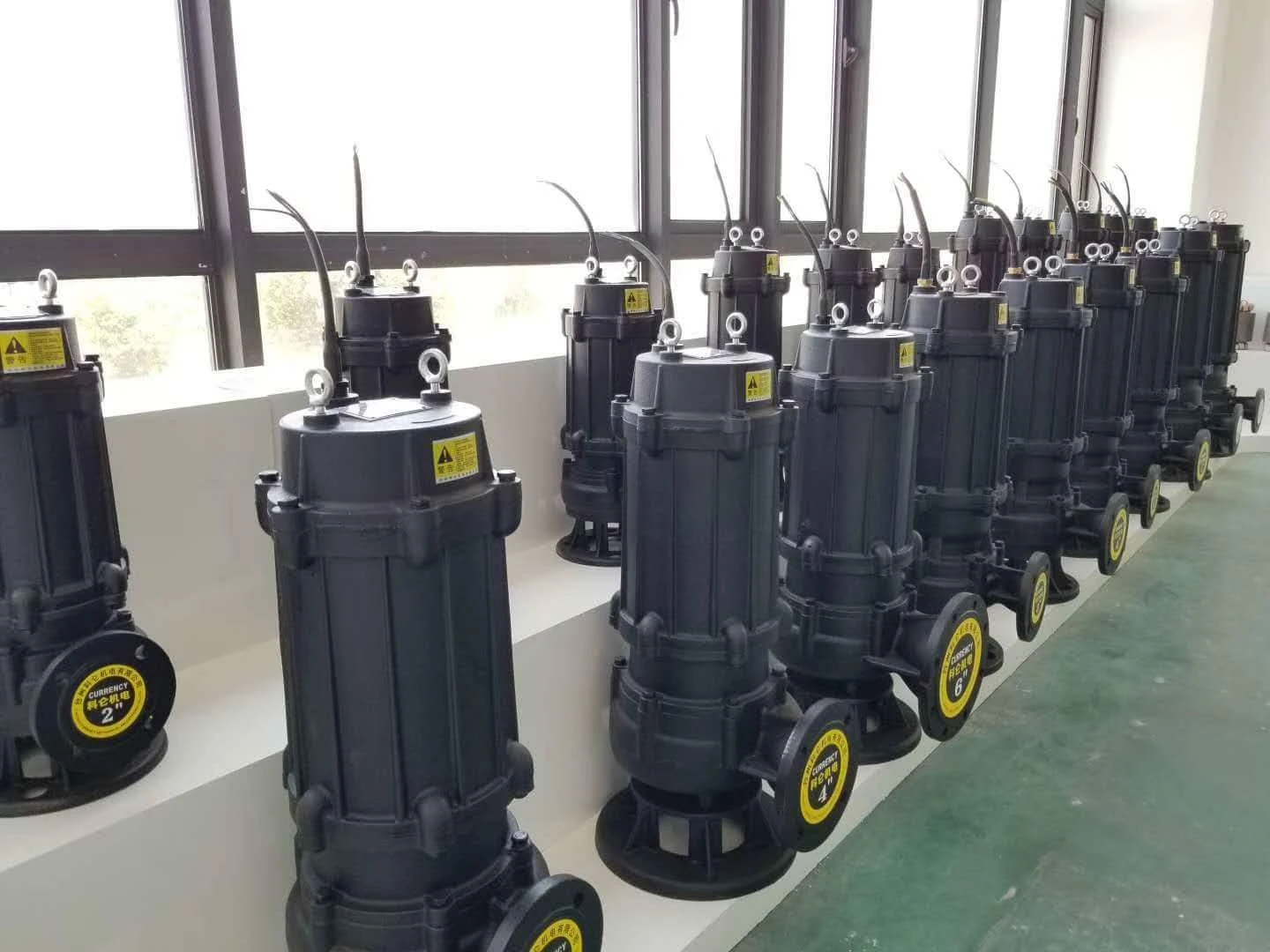
Sewer ejector pit performance is governed by hydraulic principles, pump performance characteristics, and structural integrity. Force analysis must consider hydrostatic pressure (dependent on pit depth and groundwater table), soil overburden pressure, and potential surcharge loads from surface traffic. Pit walls and bases must be designed to withstand these forces with an adequate factor of safety. Pump selection is critical, based on Total Dynamic Head (TDH) – the vertical distance the pump must lift the wastewater plus friction losses in the piping system – and flow rate requirements calculated from anticipated wastewater generation. Environmental resistance considerations include corrosion from hydrogen sulfide (H2S) and other gases produced by anaerobic digestion in the pit. Ventilation systems are often employed to mitigate H2S buildup. Compliance requirements dictate adherence to local plumbing codes, wastewater discharge permits (NPDES in the US), and safety regulations related to confined space entry. Functional implementation requires properly sized inlet pipes, a watertight pit seal, a reliable pump control system (often featuring level sensors and automatic operation), and an alarm system to alert operators to malfunctions. The pump discharge piping must be designed to prevent backflow and ensure adequate velocity to avoid solids deposition. Proper foundation design is crucial to prevent settlement and structural damage.
Technical Specifications
| Parameter | Units | Typical Value (Residential) | Typical Value (Commercial) |
|---|---|---|---|
| Pit Capacity | Gallons | 400-600 | 1000-3000 |
| Pump Capacity (Flow Rate) | GPM | 25-75 | 100-500 |
| Total Dynamic Head (TDH) | Feet | 15-30 | 30-100 |
| Pump Motor Horsepower | HP | 1/2 - 1 | 2-10 |
| Liner Material | - | Polypropylene (PP) | High-Density Polyethylene (HDPE) |
| Concrete Compressive Strength | PSI | 4000 | 5000 |
Failure Mode & Maintenance
Sewer ejector pits are susceptible to several failure modes. Corrosion of metallic components (pump housings, check valves) due to H2S and other corrosive elements is a common issue. This leads to reduced pump efficiency and eventual failure. Fatigue cracking in concrete structures can occur from cyclic loading (pump operation, soil movement). Delamination of concrete can result from improper curing or freeze-thaw cycles. Pump impeller wear, caused by abrasive solids in the wastewater, reduces pump capacity. Seal failures in the pump and pit liner allow for leakage and infiltration. Control system malfunctions, including level sensor failures and alarm system failures, can lead to overflow situations. Maintenance solutions include regular inspection for corrosion and cracking, periodic cleaning to remove solids buildup, lubrication of pump components, and preventative replacement of seals and impellers. H2S mitigation strategies include ventilation and the use of chemical additives to control sulfide production. Concrete repairs should be performed promptly to prevent further deterioration. Regular testing of the pump control system and alarm system is essential. Proper backflow prevention device maintenance is also critical.
Industry FAQ
Q: What are the primary factors influencing the selection of a pump material for a highly corrosive wastewater environment?
A: The primary factors are the concentration of H2S, chlorides, and other corrosive agents in the wastewater. While cast iron is cost-effective, environments with high sulfide levels necessitate the use of stainless steel alloys (316 being a common choice), or even specialized polymers and coatings. The expected lifespan and cost of replacement also play a role in material selection. A thorough chemical analysis of the wastewater is essential for proper material compatibility.
Q: How critical is ventilation in a typical residential sewer ejector pit installation?
A: While not always mandated by code, ventilation is highly recommended, especially in poorly ventilated basements. It helps dissipate H2S gas, which is toxic and flammable, and reduces the risk of corrosion. Proper ventilation improves indoor air quality and enhances worker safety during maintenance activities. Passive ventilation systems, incorporating a vent pipe extending above grade, are common.
Q: What are the key considerations for ensuring the long-term watertight integrity of an ejector pit?
A: Achieving long-term watertight integrity requires careful attention to detail during installation. Proper concrete curing is essential to minimize cracking. Liner seams must be meticulously welded or sealed. Inlet and outlet pipe penetrations must be properly sealed with appropriate gaskets and sealants. Regular inspection and maintenance are crucial to identify and repair any leaks or cracks that develop over time.
Q: How does groundwater level impact the design of an ejector pit?
A: The groundwater level significantly impacts the design due to hydrostatic pressure. Higher groundwater levels necessitate thicker pit walls and a more robust foundation to resist uplift and lateral forces. The pit may also require a dewatering system during installation to prevent groundwater from entering the excavation. Furthermore, the pump must be capable of overcoming the static head created by the groundwater level.
Q: What are the typical alarm conditions monitored in a sewer ejector pit control system?
A: Typical alarm conditions include high liquid level (indicating pump failure or excessive inflow), pump failure (motor overload, winding fault), power failure, and alarm system failure. Some systems also monitor temperature and vibration to detect potential pump problems. Remote monitoring capabilities are increasingly common, allowing operators to respond to alarms quickly and prevent overflows.
Conclusion
Sewer ejector pits represent a vital, yet often overlooked, component of wastewater infrastructure. Their effective operation hinges on a nuanced understanding of material science – particularly the resistance of concrete and metallic components to corrosive attack – and precise engineering calculations to address hydrostatic forces and ensure adequate pumping capacity. The selection of appropriate materials, coupled with meticulous manufacturing and installation practices, is paramount to prevent failures like cracking, leakage, and pump malfunctions.
Looking forward, advancements in sensor technology and remote monitoring systems will likely play an increasingly significant role in optimizing pit performance and minimizing maintenance requirements. Furthermore, research into more durable and corrosion-resistant materials will continue to drive improvements in the longevity and reliability of these critical systems, bolstering public health and environmental protection.
-
Comprehensive Guide to Waterproof ORings for Optimal Sealing Solutions
News2026-06-09
-
Waste Tank Pump Performance Analysis
News2026-06-27
-
Sewer System Pump Out Material Science
News2026-06-27
-
Sewer Ejector Pit Performance Analysis
News2026-06-27
-
septic tank pumps for sale Performance Engineering
News2026-06-27
-
septic system with lift pump Performance Engineering
News2026-06-27
-
septic system sump pump Performance Analysis
News2026-06-26
-
septic pump company Performance Analysis
News2026-06-26
-
pumps water treatment Performance Analysis
News2026-06-26
-
pumps for septic tanks Material Science and Manufacturing
News2026-06-26
-
pump for septic system Material Science Manufacturing
News2026-06-26
-
heavy duty submersible pump Performance Analysis
News2026-06-25
-
best submersible pump for septic tank Performance Analysis
News2026-06-25
-
basement sewer ejector pump Performance Analysis
News2026-06-25
-
basement pumps ejector pumps Performance Analysis
News2026-06-25




