English
- Afrikaans
- Albanian
- Amharic
- Arabic
- Armenian
- Azerbaijani
- Basque
- Belarusian
- Bengali
- Bosnian
- Bulgarian
- Catalan
- Cebuano
- Corsican
- Croatian
- Czech
- Danish
- Dutch
- English
- Esperanto
- Estonian
- Finnish
- French
- Frisian
- Galician
- Georgian
- German
- Greek
- Gujarati
- Haitian Creole
- hausa
- hawaiian
- Hebrew
- Hindi
- Miao
- Hungarian
- Icelandic
- igbo
- Indonesian
- irish
- Italian
- Japanese
- Javanese
- Kannada
- kazakh
- Khmer
- Rwandese
- Korean
- Kurdish
- Kyrgyz
- Lao
- Latin
- Latvian
- Lithuanian
- Luxembourgish
- Macedonian
- Malgashi
- Malay
- Malayalam
- Maltese
- Maori
- Marathi
- Mongolian
- Myanmar
- Nepali
- Norwegian
- Norwegian
- Occitan
- Pashto
- Persian
- Polish
- Portuguese
- Punjabi
- Romanian
- Russian
- Samoan
- Scottish Gaelic
- Serbian
- Sesotho
- Shona
- Sindhi
- Sinhala
- Slovak
- Slovenian
- Somali
- Spanish
- Sundanese
- Swahili
- Swedish
- Tagalog
- Tajik
- Tamil
- Tatar
- Telugu
- Thai
- Turkish
- Turkmen
- Ukrainian
- Urdu
- Uighur
- Uzbek
- Vietnamese
- Welsh
- Bantu
- Yiddish
- Yoruba
- Zulu

Telephone: +86 13120555503
Email: frank@cypump.com


Apr . 01, 2024 17:55 Back to list
sewer ejection pump Performance Analysis
Introduction
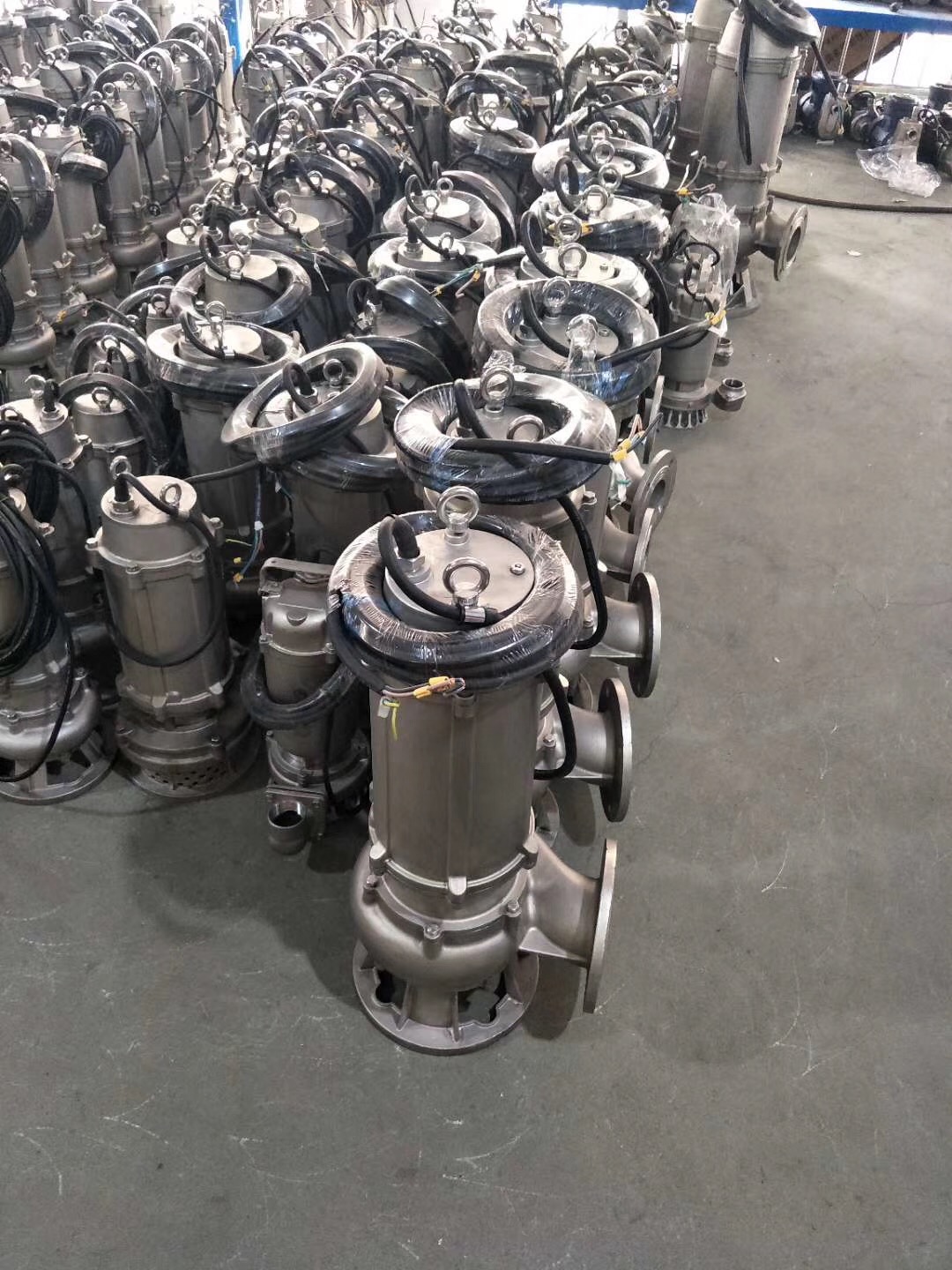
Sewer ejection pumps are critical components in residential and commercial plumbing systems, designed to transfer wastewater from areas below the municipal sewer line to the main sewer system or septic tank. These pumps are essential where gravity drainage is insufficient, preventing backups and ensuring proper sanitation. Their technical position lies within the broader wastewater management infrastructure, acting as a vital intermediary between localized collection points (basements, low-lying fixtures) and the larger sewage network. Core performance is defined by flow rate (gallons per minute - GPM), head (vertical lift capacity in feet), motor horsepower (HP), and solids handling capability (diameter of solids the pump can process without clogging). Addressing common pain points such as frequent clogging, motor failure, and noise pollution is paramount to their effective operation and longevity. This guide provides an in-depth analysis of sewer ejection pumps, covering material science, manufacturing processes, performance characteristics, potential failure modes, and relevant industry standards.
Material Science & Manufacturing
The construction of a sewer ejection pump involves several key materials chosen for their resistance to corrosive wastewater and mechanical durability. Pump housings are commonly manufactured from cast iron (ASTM A48 Class 30), offering a cost-effective solution with inherent corrosion resistance. However, for more aggressive wastewater environments, stainless steel (specifically 304 or 316 stainless steel – ASTM A240) is preferred, providing superior corrosion protection but at a higher cost. Impeller materials frequently utilize a combination of cast iron with a wear-resistant coating (epoxy or urethane) or, for high-solids applications, molded reinforced thermoplastic polymers such as polypropylene (PP) or polyvinyl chloride (PVC) – conforming to ASTM D1788 standards. Shaft materials are typically 4140 alloy steel, heat-treated to achieve high tensile strength and wear resistance. Seals are crucial for preventing leaks and are often made from Nitrile (Buna-N) rubber, Viton (fluoroelastomer), or EPDM rubber, selected based on chemical compatibility with the wastewater composition. The manufacturing process typically begins with casting or molding the pump housing and impeller. Machining operations are then performed to achieve precise dimensions and smooth surfaces. The motor housing is commonly die-cast aluminum. Assembly involves careful fitting of the impeller onto the shaft, sealing of the pump, and electrical connection of the motor. Parameter control during manufacturing focuses on dimensional accuracy of the impeller to ensure balanced hydraulic performance, proper heat treatment of steel components to maximize strength, and rigorous quality control of seals to prevent leakage. Welding processes, if used (e.g., for some stainless steel housings), must adhere to AWS D1.1 standards.
Performance & Engineering
Sewer ejection pump performance is governed by several key engineering principles. Force analysis is critical in designing the impeller and housing to withstand hydraulic pressures and prevent cavitation. Cavitation, the formation and implosion of vapor bubbles, can cause significant erosion damage. Pump curves, generated through hydraulic testing (following Hydraulic Institute standards), illustrate the relationship between flow rate, head, and efficiency. Environmental resistance is a major concern. Pumps are subjected to continuous exposure to corrosive wastewater containing various chemicals and solids. Material selection, as discussed previously, plays a vital role in mitigating corrosion. Furthermore, the pump’s electrical components must be adequately sealed and protected to prevent water ingress and electrical shorts (meeting NEMA standards for enclosure ratings). Compliance requirements vary by region but generally include adherence to UL 508A (Industrial Control Panels) for electrical safety and NSF/ANSI 61 for materials used in contact with potable water (in certain applications). Functional implementation involves proper sizing of the pump to meet the specific head and flow rate requirements of the application. This requires accurate assessment of the vertical lift, pipe length, and anticipated wastewater volume. Variable Frequency Drives (VFDs) are increasingly used to optimize pump performance, reduce energy consumption, and provide soft-starting to minimize stress on the pump and plumbing system. Pump selection must also consider solids handling capability – the impeller design must effectively macerate or pass solids without clogging.
Technical Specifications
| Parameter | Typical Range (Residential) | Typical Range (Commercial) | Units |
|---|---|---|---|
| Flow Rate | 40-75 | 100-300 | GPM |
| Total Head | 10-20 | 20-50 | Feet |
| Motor Horsepower | 1/2 - 1 | 1-5 | HP |
| Solids Handling Capability | 1-2 | 2-4 | Inches |
| Discharge Pipe Size | 1.5 - 2 | 3-4 | Inches |
| Voltage | 115/230 | 230/460 | VAC |
Failure Mode & Maintenance
Sewer ejection pumps are susceptible to various failure modes. Fatigue cracking of the impeller, particularly at the blade roots, can occur due to repeated stress cycles and cavitation. Delamination of coatings on impellers or housings can expose the underlying metal to corrosion. Winding failure in the motor is a common issue, often caused by overheating or moisture ingress. Seal failure leads to leakage and potential motor damage. Clogging, caused by the accumulation of solids, is a frequent problem, resulting in reduced flow rate and potential pump burnout. Oxidation of electrical connections can lead to intermittent operation or complete failure. Preventive maintenance is crucial to extending pump life. Regular inspection for leaks, unusual noises, and reduced performance is essential. Periodic cleaning of the pump basin to remove accumulated solids prevents clogging. Lubrication of motor bearings (if applicable) ensures smooth operation. Electrical connections should be inspected and tightened to prevent oxidation. Seals should be replaced proactively based on manufacturer recommendations. In the event of a pump failure, a thorough failure analysis should be conducted to identify the root cause and prevent recurrence. This may involve visual inspection of the impeller, motor, and seals, as well as electrical testing of the motor windings. Appropriate safety precautions should be followed during maintenance, including disconnecting power to the pump and wearing appropriate personal protective equipment.
Industry FAQ
Q: What is the optimal impeller material for handling highly abrasive wastewater containing sand and grit?
A: For highly abrasive wastewater, a hardened stainless steel (e.g., 440C) impeller or an impeller constructed from a high-density ceramic material is recommended. These materials offer superior resistance to erosion compared to cast iron or standard stainless steel (304/316). Additionally, consider an impeller with a hardened coating, like tungsten carbide, to further enhance abrasion resistance.
Q: What are the key considerations when selecting a pump for a high-lift application (e.g., pumping wastewater up several stories)?
A: In high-lift applications, the pump’s head capacity is paramount. You must accurately calculate the total dynamic head, accounting for vertical lift, pipe friction losses, and any pressure at the discharge point. Select a pump with a head curve that meets or exceeds the calculated total dynamic head. A motor with sufficient horsepower is also crucial to overcome the increased load.
Q: How does the type of motor (single-phase vs. three-phase) affect pump performance and cost?
A: Three-phase motors generally offer higher efficiency, greater starting torque, and longer lifespan compared to single-phase motors. However, they require a three-phase power supply, which may not be readily available in all locations. Single-phase motors are less expensive and easier to install in residential settings but typically have lower efficiency and starting torque.
Q: What are the best practices for preventing pump clogging caused by foreign objects?
A: Installing a strainer or screen upstream of the pump intake is essential to capture large objects. Regularly inspect and clean the strainer. Avoid flushing non-biodegradable items (e.g., wipes, feminine hygiene products) down the drain. Consider using a pump with a macerating impeller to break down solids before they reach the impeller.
Q: What safety features are essential in a sewer ejection pump system?
A: Essential safety features include a float switch to automatically turn the pump on/off based on water level, an alarm system to alert of pump failure or high water levels, and a check valve to prevent backflow. The system should also be properly grounded to prevent electrical hazards, and all electrical work should be performed by a qualified electrician.
Conclusion
Sewer ejection pumps are indispensable components of modern plumbing systems, reliably managing wastewater in challenging gravitational conditions. Understanding the interplay between material science, precise manufacturing, and rigorous engineering principles is crucial for selecting and maintaining these vital systems. The choice of materials directly impacts longevity and resistance to corrosive environments, while accurate parameter control during production ensures optimal performance and reliability.
Effective preventative maintenance, coupled with a thorough understanding of potential failure modes, is paramount to maximizing pump lifespan and minimizing downtime. Adherence to relevant industry standards (UL, NSF, ASTM, NEMA) ensures both safety and compliance. As wastewater management challenges evolve, ongoing advancements in pump technology, such as the integration of variable frequency drives and improved impeller designs, will continue to enhance efficiency and reliability.
-
Comprehensive Guide to Waterproof ORings for Optimal Sealing Solutions
News2026-06-09
-
submergable pump Material Science
News2026-06-23
-
sewer injection pump Performance Engineering
News2026-06-23
-
Sewer Ejector Pump System Performance Analysis
News2026-06-23
-
septic tank pump for sale Performance Engineering
News2026-06-23
-
septic pump for sale Performance Engineering
News2026-06-23
-
septic ejector system Performance Analysis
News2026-06-22
-
replace septic pump Performance Analysis
News2026-06-22
-
pump system septic tank Performance Analysis
News2026-06-22
-
lift pump for sewer Performance and Engineering
News2026-06-22
-
industrial submersible water pump Material Science
News2026-06-22
-
industrial submersible pumps Material Science and Manufacturing
News2026-06-21
-
best sewer ejector pump Performance Analysis
News2026-06-21
-
best septic pump Performance Analysis
News2026-06-21
-
1 2 hp septic pump Performance Engineering
News2026-06-21




