English
- Afrikaans
- Albanian
- Amharic
- Arabic
- Armenian
- Azerbaijani
- Basque
- Belarusian
- Bengali
- Bosnian
- Bulgarian
- Catalan
- Cebuano
- Corsican
- Croatian
- Czech
- Danish
- Dutch
- English
- Esperanto
- Estonian
- Finnish
- French
- Frisian
- Galician
- Georgian
- German
- Greek
- Gujarati
- Haitian Creole
- hausa
- hawaiian
- Hebrew
- Hindi
- Miao
- Hungarian
- Icelandic
- igbo
- Indonesian
- irish
- Italian
- Japanese
- Javanese
- Kannada
- kazakh
- Khmer
- Rwandese
- Korean
- Kurdish
- Kyrgyz
- Lao
- Latin
- Latvian
- Lithuanian
- Luxembourgish
- Macedonian
- Malgashi
- Malay
- Malayalam
- Maltese
- Maori
- Marathi
- Mongolian
- Myanmar
- Nepali
- Norwegian
- Norwegian
- Occitan
- Pashto
- Persian
- Polish
- Portuguese
- Punjabi
- Romanian
- Russian
- Samoan
- Scottish Gaelic
- Serbian
- Sesotho
- Shona
- Sindhi
- Sinhala
- Slovak
- Slovenian
- Somali
- Spanish
- Sundanese
- Swahili
- Swedish
- Tagalog
- Tajik
- Tamil
- Tatar
- Telugu
- Thai
- Turkish
- Turkmen
- Ukrainian
- Urdu
- Uighur
- Uzbek
- Vietnamese
- Welsh
- Bantu
- Yiddish
- Yoruba
- Zulu

Telephone: +86 13120555503
Email: frank@cypump.com


Apr . 01, 2024 17:55 Back to list
sewagepump MaterialScienceManufacturing
Introduction
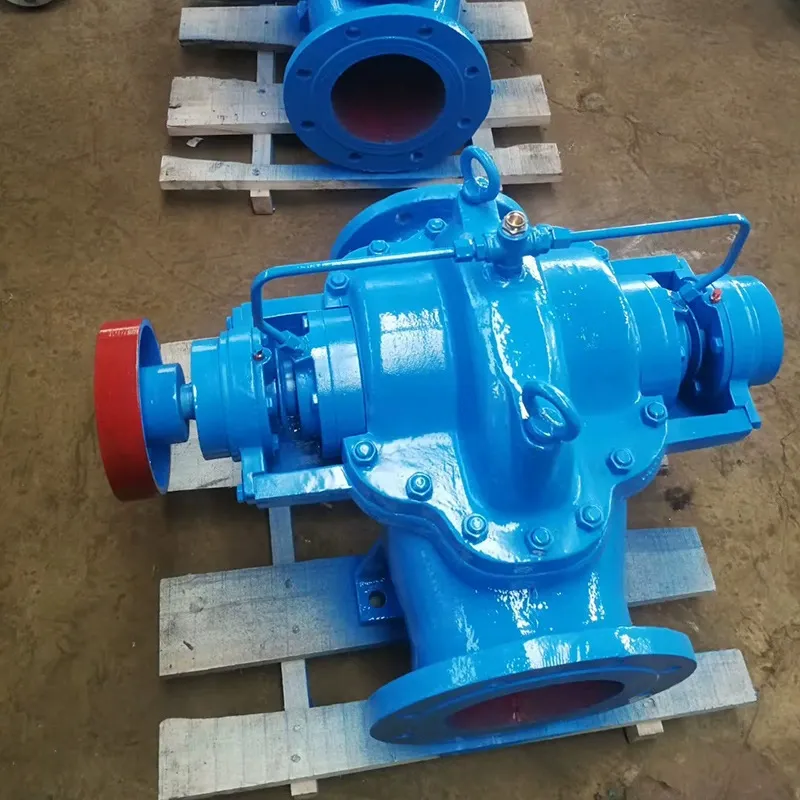
Sewage pumps, also known as effluent pumps or submersible pumps, are engineered devices designed to transfer wastewater and solids from lower elevations to higher elevations, or across distances, where gravity drainage is insufficient. These pumps are critical components in wastewater treatment systems, municipal sewage networks, industrial effluent management, and residential septic systems. Unlike centrifugal pumps optimized for clean liquids, sewage pumps are specifically designed to handle solids, fibrous materials, and abrasive substances commonly found in wastewater. Their robust construction and specialized impeller designs differentiate them, addressing a critical need within the broader pump industry. Performance is evaluated based on flow rate (GPM), total dynamic head (TDH), solids handling capability (diameter and concentration), and power efficiency, making them a vital link in maintaining environmental and public health standards. The core pain point within the industry revolves around balancing pump longevity, energy consumption, and the ability to effectively handle increasingly complex and variable waste streams.
Material Science & Manufacturing
The construction of a sewage pump necessitates materials capable of withstanding highly corrosive environments and abrasive wear. Pump casings are commonly manufactured from cast iron (ASTM A48 Class 30), ductile iron (ASTM A536 Type 65-45-12), or stainless steel (316L or duplex stainless steel – ASTM A966). Cast iron offers cost-effectiveness and good wear resistance, but requires protective coatings (epoxy or fusion-bonded epoxy – FBE) to mitigate corrosion. Ductile iron provides increased strength and impact resistance. Stainless steel, particularly 316L, exhibits superior corrosion resistance in sewage applications due to its molybdenum content, forming a passive chromium oxide layer. Impellers are frequently constructed from high-chrome cast iron or hardened stainless steel, further enhancing abrasion resistance. Shafts are typically made of 4140 alloy steel, heat treated for high tensile strength and fatigue resistance. Seals are critical components, and commonly employ silicon carbide (SiC) faces against SiC or tungsten carbide (WC) to provide a robust barrier against leakage and abrasion. Manufacturing processes involve several key stages. Casing production utilizes sand casting or investment casting. Impellers are typically manufactured using centrifugal casting. Welding processes, such as shielded metal arc welding (SMAW) or gas tungsten arc welding (GTAW), are employed for assembly. Critical parameters during manufacturing include dimensional accuracy of impeller vanes, surface finish of sealing surfaces (Ra < 0.8 μm), and proper heat treatment to achieve desired material properties. Quality control includes non-destructive testing (NDT) methods like radiographic testing (RT) and ultrasonic testing (UT) to detect internal flaws.
Performance & Engineering
Sewage pump performance is governed by hydraulic principles and engineering considerations centered around efficient solids handling. Force analysis focuses on impeller loading, bearing loads, and casing stresses under maximum operating conditions. The pump’s total dynamic head (TDH) is a function of static lift, friction losses in piping, and velocity head. Impeller design plays a crucial role in achieving optimal hydraulic efficiency while minimizing clogging. Vortex impellers excel at handling large solids but offer lower head and efficiency. Non-clog impellers, featuring recessed or open designs, provide a compromise between solids handling and performance. Environmental resistance is paramount; pumps must withstand continuous immersion in corrosive wastewater and varying temperatures. Seals are engineered to maintain a pressure differential and prevent ingress of contaminants. Compliance requirements include adherence to National Electrical Manufacturers Association (NEMA) standards for motor enclosures and electrical safety, as well as hydraulic performance standards set by Hydraulic Institute (HI). Functional implementation requires careful consideration of pump curve matching to system requirements, proper pipe sizing to minimize friction losses, and the implementation of check valves to prevent backflow. Furthermore, variable frequency drives (VFDs) are increasingly used to optimize pump speed and energy consumption based on real-time flow demands. Regular monitoring of vibration levels and motor current is essential for proactive maintenance and prevention of catastrophic failures.
Technical Specifications
| Parameter | Unit | Typical Value (Residential) | Typical Value (Industrial) |
|---|---|---|---|
| Flow Rate | GPM (Gallons per Minute) | 20-50 | 100-500 |
| Total Dynamic Head | ft (Feet) | 10-30 | 50-150 |
| Solids Handling Capability | in (Inches) | 2 | 3-4 |
| Motor Power | HP (Horsepower) | 1/2 - 1 | 5-20 |
| Impeller Type | - | Vortex/Non-Clog | Non-Clog/Grinder |
| Casing Material | - | Cast Iron/Plastic | Ductile Iron/Stainless Steel |
Failure Mode & Maintenance
Sewage pump failures are commonly attributed to several factors. Fatigue cracking in the impeller or casing can occur due to cyclical loading and stress concentrations. Delamination of protective coatings (epoxy, FBE) exposes the underlying metal to corrosion. Bearing failure, often resulting from lubrication issues or excessive loads, leads to increased vibration and eventual pump seizure. Clogging, particularly with fibrous materials or non-biodegradable debris, can overload the motor and cause overheating. Oxidation and corrosion, especially in pumps operating in aggressive wastewater environments, degrade the casing and impeller, reducing pump performance. Abrasion from sand and grit wears down impeller vanes and seals. Preventative maintenance is crucial. Regular inspection of seals for leakage, monitoring of motor current and vibration levels, and periodic cleaning to remove accumulated debris are essential. Scheduled lubrication of bearings and inspection of impeller for wear are also critical. When replacing seals, ensure proper installation techniques and compatibility with the wastewater composition. For pumps experiencing frequent clogging, consider installing a pre-screen or grinder upstream of the pump. Failure analysis should involve visual inspection, dimensional measurements, and potentially metallurgical analysis to identify the root cause of failure and prevent recurrence.
Industry FAQ
Q: What is the optimal impeller type for handling highly abrasive sewage with significant sand content?
A: For highly abrasive sewage containing significant sand, a hardened stainless steel impeller with an open or recessed non-clog design is recommended. While vortex impellers offer some solids handling capability, they are less efficient and more susceptible to wear in abrasive conditions. The open or recessed non-clog design allows sand to pass through with minimal impact, reducing wear on the impeller vanes. Regular inspection and replacement of the impeller are still necessary, but this configuration will extend its service life.
Q: How do I determine the correct pump size (flow rate and head) for my application?
A: Determining the correct pump size requires a comprehensive system analysis. First, calculate the total dynamic head (TDH), which includes static lift, friction losses in piping, and velocity head. Friction losses are calculated using the Darcy-Weisbach equation and depend on pipe material, diameter, and length. Next, determine the required flow rate based on the application's demand. Consult pump curves provided by the manufacturer to select a pump that operates near its best efficiency point (BEP) at the calculated flow rate and head. Oversizing a pump leads to inefficiency and increased energy consumption.
Q: What are the benefits of using a variable frequency drive (VFD) with a sewage pump?
A: VFDs offer significant benefits for sewage pump applications. They allow you to control the pump speed based on real-time flow demands, reducing energy consumption during periods of low demand. VFDs also provide soft starting, which reduces mechanical stress on the pump and motor, extending their lifespan. Furthermore, VFDs can protect the pump from overload and dry running conditions.
Q: How can I mitigate corrosion issues in a sewage pump operating in a particularly aggressive wastewater environment?
A: Mitigating corrosion requires a multi-faceted approach. Selecting a pump constructed from corrosion-resistant materials, such as 316L stainless steel or duplex stainless steel, is paramount. Applying a robust protective coating (FBE) to cast iron or ductile iron components can also significantly improve corrosion resistance. Regular inspection of coatings for damage and prompt repair are crucial. Cathodic protection can be considered for submerged components in severe environments. Finally, controlling the pH and chloride levels in the wastewater can reduce the rate of corrosion.
Q: What is the recommended maintenance schedule for a typical sewage pump installation?
A: A typical maintenance schedule should include monthly visual inspections for leaks, unusual noises, and vibration. Quarterly, check motor current and voltage, lubricate bearings (if applicable), and inspect seals. Annually, perform a complete pump inspection, including impeller condition, casing integrity, and coating condition. Record all maintenance activities and performance data to track trends and identify potential issues before they escalate.
Conclusion
Sewage pumps represent a critical enabling technology for wastewater management, demanding a sophisticated understanding of material science, hydraulic engineering, and operational maintenance. The selection of appropriate materials, coupled with careful manufacturing processes, is fundamental to ensuring longevity and reliable performance in corrosive and abrasive environments. Optimizing pump performance through proper system design, the implementation of VFDs, and adherence to industry standards directly translates to reduced energy consumption, minimized downtime, and ultimately, a more sustainable wastewater infrastructure.
Future advancements in sewage pump technology will likely focus on improving energy efficiency, enhancing solids handling capabilities, and integrating smart sensors for predictive maintenance. The development of new materials with superior corrosion resistance and abrasion resistance will also be crucial. Furthermore, the increasing adoption of digital technologies and data analytics will enable more proactive and optimized pump operation, contributing to a more resilient and environmentally responsible wastewater management system.
-
sump pump for septic systems Material Science Manufacturing
News2026-05-20
-
sump pump and ejector pump Material Science Manufacturing
News2026-05-20
-
sewage treatment plant pumps Performance Analysis
News2026-05-20
-
sewage tank pump Material Science and Manufacturing
News2026-05-20
-
sewage pump for septic tank Performance Analysis
News2026-05-20
-
Sewage Pump and Tank Performance Analysis
News2026-05-19
-
Sewage Ejector Pump Replacement Performance Analysis
News2026-05-19
-
sewage ejector pump for basement bathroom Material Science Manufacturing
News2026-05-19
-
sewage ejection pump Material Science and Manufacturing
News2026-05-19
-
in line sewage pump Performance Analysis
News2026-05-19
-
effluent sump pump Performance Analysis
News2026-05-18
-
best grinder pump for sewage Performance Engineering
News2026-05-18
-
basement waste water pump Performance Engineering
News2026-05-18
-
sump pump sewer Performance Analysis
News2026-05-18
-
sump pump for sewer Performance Analysis
News2026-05-18




