English
- Afrikaans
- Albanian
- Amharic
- Arabic
- Armenian
- Azerbaijani
- Basque
- Belarusian
- Bengali
- Bosnian
- Bulgarian
- Catalan
- Cebuano
- Corsican
- Croatian
- Czech
- Danish
- Dutch
- English
- Esperanto
- Estonian
- Finnish
- French
- Frisian
- Galician
- Georgian
- German
- Greek
- Gujarati
- Haitian Creole
- hausa
- hawaiian
- Hebrew
- Hindi
- Miao
- Hungarian
- Icelandic
- igbo
- Indonesian
- irish
- Italian
- Japanese
- Javanese
- Kannada
- kazakh
- Khmer
- Rwandese
- Korean
- Kurdish
- Kyrgyz
- Lao
- Latin
- Latvian
- Lithuanian
- Luxembourgish
- Macedonian
- Malgashi
- Malay
- Malayalam
- Maltese
- Maori
- Marathi
- Mongolian
- Myanmar
- Nepali
- Norwegian
- Norwegian
- Occitan
- Pashto
- Persian
- Polish
- Portuguese
- Punjabi
- Romanian
- Russian
- Samoan
- Scottish Gaelic
- Serbian
- Sesotho
- Shona
- Sindhi
- Sinhala
- Slovak
- Slovenian
- Somali
- Spanish
- Sundanese
- Swahili
- Swedish
- Tagalog
- Tajik
- Tamil
- Tatar
- Telugu
- Thai
- Turkish
- Turkmen
- Ukrainian
- Urdu
- Uighur
- Uzbek
- Vietnamese
- Welsh
- Bantu
- Yiddish
- Yoruba
- Zulu

Telephone: +86 13120555503
Email: frank@cypump.com


Apr . 01, 2024 17:55 Back to list
sewage water submersible pump Material Science Manufacturing
Introduction
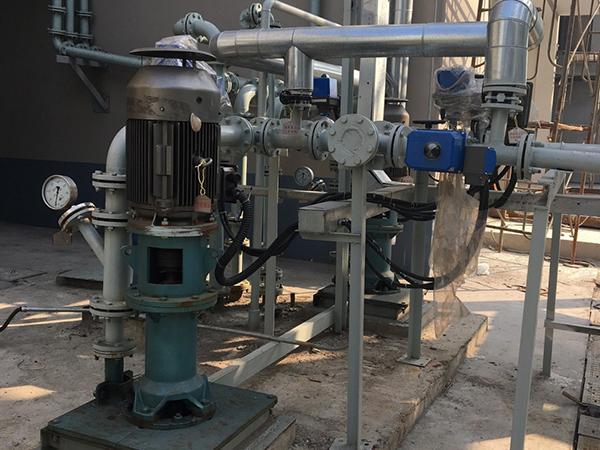
Sewage water submersible pumps are centrifugal pumps specifically designed for the efficient and reliable transfer of wastewater, sewage, and slurries. Positioned as a critical component within wastewater treatment facilities, municipal sewage systems, industrial effluent handling, and even flood control applications, these pumps differ from conventional pumps through their hermetically sealed motor and impeller assemblies, enabling full submersion in the fluid being pumped. Their core performance is characterized by high solids handling capability, resistance to corrosive environments, and continuous, unattended operation. The demand for robust and efficient sewage pumps is driven by increasingly stringent environmental regulations and the growing need for sustainable water management solutions. Key pain points in this industry center around pump longevity in abrasive conditions, energy consumption optimization, and preventing clogging due to fibrous materials and large solids. The selection of appropriate materials, impeller design, and sealing systems are paramount to address these challenges and ensure long-term operational effectiveness.
Material Science & Manufacturing
The manufacturing of sewage water submersible pumps relies on a carefully selected suite of materials exhibiting high corrosion resistance, abrasion resistance, and mechanical strength. Pump casings are commonly constructed from cast iron (ASTM A48, Class 30) coated with epoxy or other specialized polymeric coatings to mitigate corrosion from hydrogen sulfide and other aggressive compounds found in sewage. Impellers are frequently manufactured from high-chrome cast iron (ASTM A532 Grade 1A) or stainless steel (304/316, according to ASTM A743) due to their superior resistance to wear from suspended solids. Shafts typically utilize 4140 alloy steel (ASTM A297) hardened and tempered to withstand torsional stresses and bending loads. Seals are critical components and often employ silicon carbide faces (according to ISO 5419) with Viton or EPDM elastomers to provide a robust barrier against leakage and ingress of solids. The manufacturing process typically involves sand casting for the casing and impeller, followed by precision machining to ensure dimensional accuracy. Welding processes (SMAW, GMAW, following AWS D1.1 standards) are used to assemble components. Motor housings are generally constructed from cast aluminum alloy (A356, per ASTM B85) and feature epoxy encapsulation of the windings for moisture protection. Quality control involves hydrostatic testing, impeller balancing, and dielectric strength testing to verify performance and safety.
Performance & Engineering
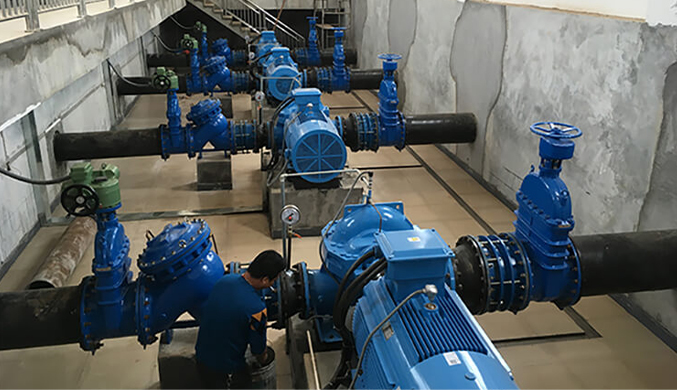
The performance of sewage water submersible pumps is governed by hydraulic principles and mechanical engineering considerations. Force analysis focuses on radial and axial thrust loads generated by the impeller, which necessitate robust bearing systems (deep groove ball bearings or tapered roller bearings, conforming to ISO 2811). Environmental resistance is crucial; pumps must withstand continuous submersion, varying temperatures, and exposure to corrosive substances. Compliance requirements include CE marking (EN 60335-2-40), UL listing (UL 508A), and adherence to local regulations regarding discharge limits. Functional implementation relies on the pump’s ability to generate sufficient head (pressure) to overcome friction losses in the discharge piping and elevate the fluid to the desired height. Impeller design (open, semi-open, or closed) significantly impacts solids handling capability and pump efficiency. Variable Frequency Drives (VFDs) are increasingly used to optimize energy consumption by adjusting pump speed to match flow demands. Pump selection considers factors such as flow rate (m³/h), head (m), solids content (%), and the specific gravity of the fluid. Cavitation, a critical failure mode, is prevented by ensuring sufficient Net Positive Suction Head Available (NPSHa) exceeds the Net Positive Suction Head Required (NPSHr).
Technical Specifications
| Parameter | Unit | Typical Range (Small Pump) | Typical Range (Large Pump) |
|---|---|---|---|
| Flow Rate | m³/h | 0.5 - 10 | 20 - 200 |
| Head | m | 5 - 20 | 30 - 80 |
| Motor Power | kW | 0.75 - 3 | 7.5 - 55 |
| Solids Handling | mm | Up to 50 | Up to 100 |
| Impeller Material | - | High-Chrome Cast Iron | Stainless Steel (304/316) |
| Casing Material | - | Cast Iron (Epoxy Coated) | Cast Iron (Epoxy Coated) / Stainless Steel |
Failure Mode & Maintenance
Sewage water submersible pumps are susceptible to several failure modes. Fatigue cracking in the impeller and casing can occur due to cyclic loading and stress concentrations, particularly in areas around the impeller vanes. Delamination of the epoxy coating on the casing leads to corrosion and eventual structural failure. Bearing failure, often caused by inadequate lubrication or contamination, results in increased vibration and noise. Seal failure allows ingress of solids, damaging the motor and reducing pump efficiency. Winding failure in the motor, attributable to overheating or moisture ingress, results in complete pump shutdown. Oxidation of metallic components, especially in harsh chemical environments, compromises structural integrity. Preventative maintenance is critical. Regular inspection of the pump for signs of corrosion, wear, and leakage is essential. Lubrication of bearings should be performed according to manufacturer's recommendations. The pump should be periodically removed from service for thorough cleaning and inspection of the impeller, casing, and seals. Vibration analysis can detect early signs of bearing wear. Electrical connections should be checked for corrosion and tightness. Replacement of worn components, such as seals and bearings, should be performed proactively to prevent catastrophic failures. The use of condition monitoring systems, including sensors for temperature, vibration, and current, enables predictive maintenance strategies.
Industry FAQ
Q: What are the key factors influencing the selection of a submersible pump for a municipal wastewater treatment plant?
A: Key factors include the anticipated flow rate, total dynamic head, solids content and type (rag content is particularly important), the specific gravity of the fluid, potential for abrasive particles, and the chemical composition of the wastewater. The pump’s motor enclosure class (e.g., Class H insulation) and seal material compatibility with the wastewater are also critical considerations.
Q: How can cavitation be prevented in sewage pumps?
A: Cavitation is primarily prevented by ensuring that the Net Positive Suction Head Available (NPSHa) is significantly greater than the Net Positive Suction Head Required (NPSHr) by the pump. Maintaining adequate submergence depth, minimizing suction lift, and ensuring proper pipe sizing are crucial steps.
Q: What is the role of variable frequency drives (VFDs) in sewage pump applications?
A: VFDs allow for precise control of pump speed, enabling optimization of energy consumption by matching pump output to actual demand. They also reduce mechanical stress on the pump and piping system during startup and shutdown, extending equipment life.
Q: What types of sealing systems are commonly used in sewage submersible pumps and what are their advantages and disadvantages?
A: Common sealing systems include mechanical seals with silicon carbide faces and lip seals. Mechanical seals offer superior sealing performance and longer life but are more expensive and complex to repair. Lip seals are simpler and more cost-effective but have a shorter lifespan and are less resistant to abrasive particles.
Q: What are the common causes of pump failure related to solids handling?
A: Pump failures related to solids handling are typically caused by impeller blockage, seal damage from abrasive particles, and wear of internal pump components. Proper pump selection (choosing a pump with an appropriate impeller design for the solids content), installation of inlet screens, and regular pump cleaning are essential preventative measures.
Conclusion
Sewage water submersible pumps represent a vital technology for modern wastewater management. Their selection, implementation, and maintenance demand a comprehensive understanding of material science, hydraulic principles, and potential failure modes. Optimizing pump performance requires careful consideration of flow rate, head, solids content, and environmental conditions, coupled with adherence to relevant industry standards and regulations.
Future advancements will likely focus on developing more energy-efficient pump designs, incorporating smart sensors for predictive maintenance, and utilizing advanced materials to enhance corrosion resistance and extend pump lifespan. The continued refinement of impeller designs to improve solids handling capabilities and reduce clogging will also be a key area of innovation, ultimately contributing to more sustainable and reliable wastewater treatment systems.
-
submersible pump for sewage treatment plant Performance Analysis
News2026-06-01
-
single phase sewage submersible pump Material Science Manufacturing
News2026-06-01
-
sewage water submersible pump Material Science Manufacturing
News2026-06-01
-
Sewage Submersible Pump Price List Performance Analysis
News2026-06-01
-
sewage submersible pump 3hp Performance Analysis
News2026-06-01
-
submersible effluent sewage pump Performance Analysis
News2026-05-31
-
stainless steel submersible sewage pumps Performance Engineering
News2026-05-31
-
stainless steel submersible sewage pump Material Science Manufacturing
News2026-05-31
-
Sewage Submersible Pump Installation Performance Analysis
News2026-05-31
-
sewage submersible pump 2hp Performance Analysis
News2026-05-31
-
sewage submersible pump 1hp Performance Analysis
News2026-05-30
-
1 hp sewage submersible pump Performance Analysis
News2026-05-30
-
waste pump for basement bathroom Performance and Engineering
News2026-05-30
-
Sump Pump Drain Field Performance Analysis
News2026-05-30
-
small sewage pump Performance Analysis
News2026-05-30




