English
- Afrikaans
- Albanian
- Amharic
- Arabic
- Armenian
- Azerbaijani
- Basque
- Belarusian
- Bengali
- Bosnian
- Bulgarian
- Catalan
- Cebuano
- Corsican
- Croatian
- Czech
- Danish
- Dutch
- English
- Esperanto
- Estonian
- Finnish
- French
- Frisian
- Galician
- Georgian
- German
- Greek
- Gujarati
- Haitian Creole
- hausa
- hawaiian
- Hebrew
- Hindi
- Miao
- Hungarian
- Icelandic
- igbo
- Indonesian
- irish
- Italian
- Japanese
- Javanese
- Kannada
- kazakh
- Khmer
- Rwandese
- Korean
- Kurdish
- Kyrgyz
- Lao
- Latin
- Latvian
- Lithuanian
- Luxembourgish
- Macedonian
- Malgashi
- Malay
- Malayalam
- Maltese
- Maori
- Marathi
- Mongolian
- Myanmar
- Nepali
- Norwegian
- Norwegian
- Occitan
- Pashto
- Persian
- Polish
- Portuguese
- Punjabi
- Romanian
- Russian
- Samoan
- Scottish Gaelic
- Serbian
- Sesotho
- Shona
- Sindhi
- Sinhala
- Slovak
- Slovenian
- Somali
- Spanish
- Sundanese
- Swahili
- Swedish
- Tagalog
- Tajik
- Tamil
- Tatar
- Telugu
- Thai
- Turkish
- Turkmen
- Ukrainian
- Urdu
- Uighur
- Uzbek
- Vietnamese
- Welsh
- Bantu
- Yiddish
- Yoruba
- Zulu

Telephone: +86 13120555503
Email: frank@cypump.com


Apr . 01, 2024 17:55 Back to list
sewage water pump Material Science and Manufacturing
Introduction
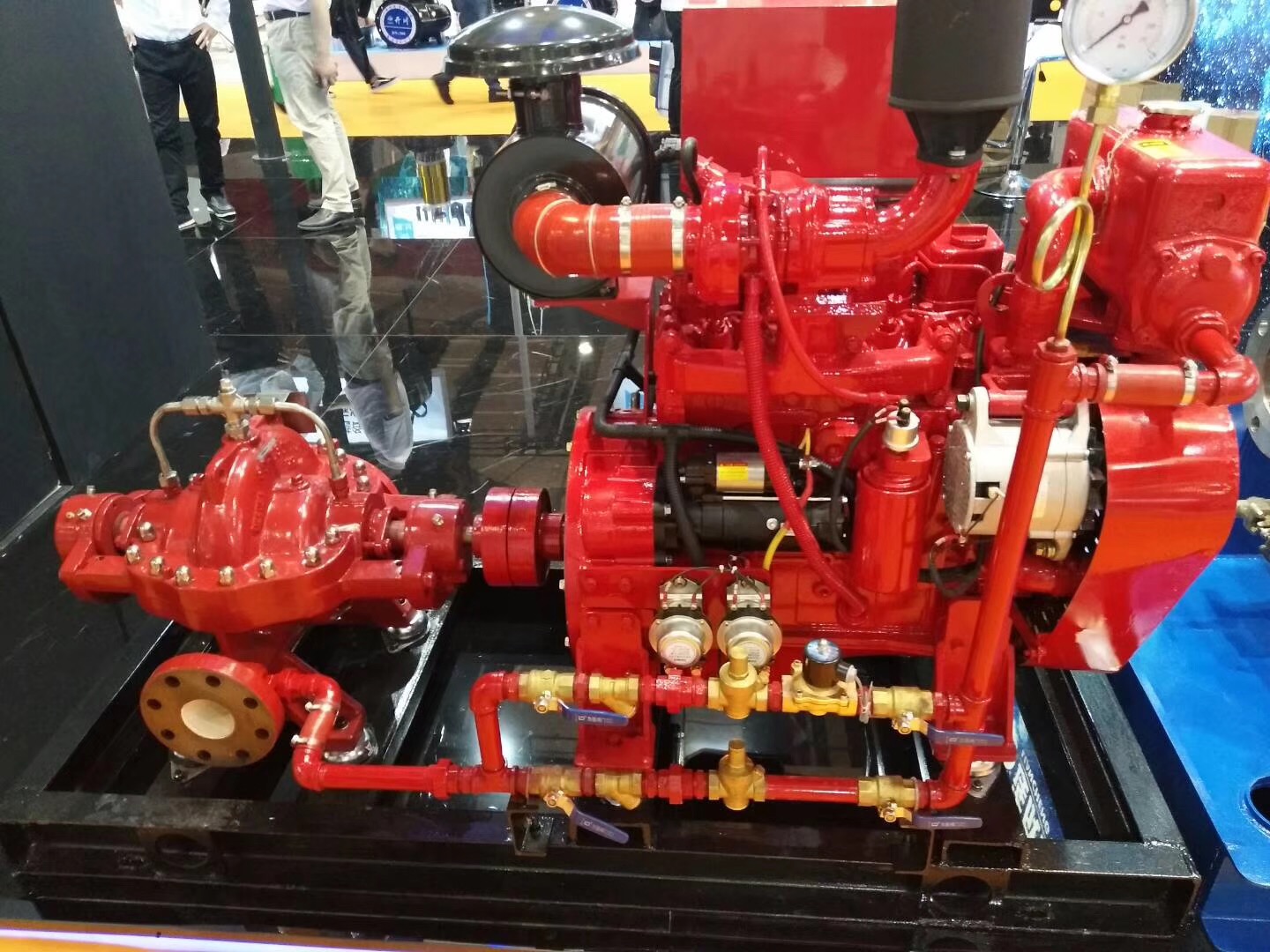
Sewage water pumps, also known as effluent pumps or wastewater pumps, are specialized centrifugal pumps designed to handle liquids containing solids. Their technical position within the wastewater treatment chain is critical, serving as the primary means of moving raw sewage from collection points to treatment facilities, or for lifting effluent from septic tanks and low-lying areas. Unlike conventional centrifugal pumps, sewage pumps incorporate features to prevent clogging and abrasion from debris. Core performance characteristics include flow rate (measured in gallons per minute or liters per second), total dynamic head (TDH – the height the pump can lift the fluid, measured in feet or meters), solids handling capability (maximum sphere size in inches or millimeters), and power requirements (horsepower or kilowatts). The industry currently faces increasing demands for energy efficiency, reduced maintenance intervals, and pumps capable of handling increasingly complex and abrasive waste streams. The selection of appropriate pump materials and impeller designs is paramount to operational longevity and system reliability. This guide provides an in-depth analysis of sewage water pump technology, covering material science, manufacturing processes, performance characteristics, failure modes, and relevant industry standards.
Material Science & Manufacturing
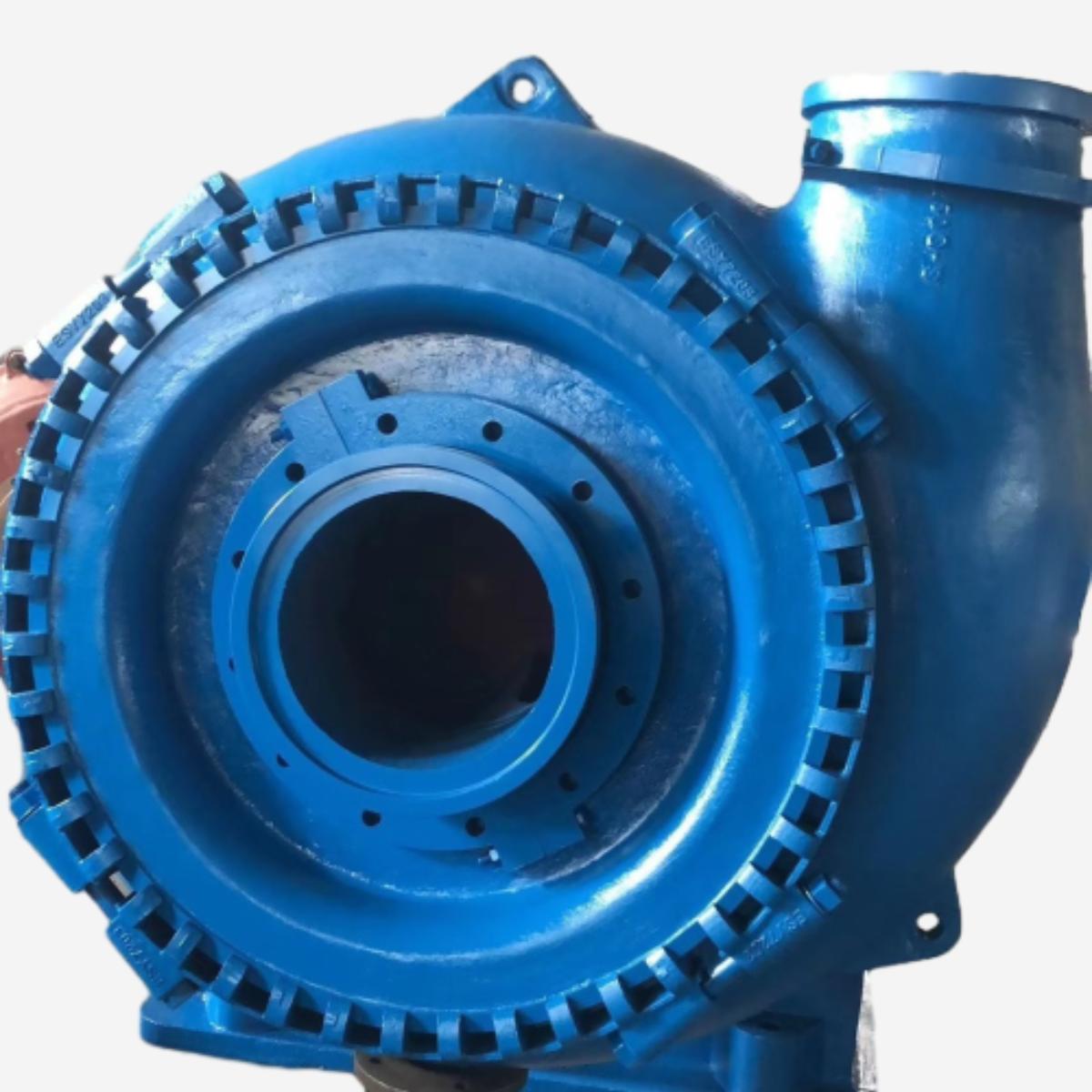
The construction of sewage water pumps necessitates robust materials capable of withstanding corrosive environments and abrasive wear. Commonly used materials include cast iron (ASTM A48 Class 30 for housings and impellers – chosen for its cost-effectiveness and machinability, but susceptible to corrosion), stainless steel (304 or 316 grades – offering superior corrosion resistance, particularly 316 with its molybdenum content for chloride resistance, increasing cost), and high-chromium cast iron (for impellers in highly abrasive applications). Polymer materials, such as epoxy-coated cast iron or reinforced polypropylene, are utilized for applications where corrosion is a significant concern but abrasive wear is minimal. The manufacturing process begins with pattern making and sand casting for the pump housing and impeller. Impellers often undergo investment casting for complex geometries and tighter tolerances. Critical parameters during manufacturing include alloy composition verification via spectroscopic analysis, ensuring proper heat treatment to achieve desired hardness and tensile strength, and dimensional accuracy verification using Coordinate Measuring Machines (CMM). Welding processes, where applicable (e.g., for shaft connections), must adhere to AWS D1.1 standards to ensure weld integrity. Surface finishing, such as painting or epoxy coating, is applied to protect against corrosion and enhance durability. The impeller's hydrodynamic design is crucial, often generated using Computational Fluid Dynamics (CFD) to optimize flow patterns and minimize energy losses. Shaft materials, typically alloy steel, are subject to stringent quality control, including non-destructive testing (NDT) methods like magnetic particle inspection (MPI) and ultrasonic testing (UT) to detect internal flaws.
Performance & Engineering
The performance of a sewage water pump is dictated by several engineering principles. Force analysis focuses on the impeller's hydrodynamic forces and the mechanical stresses on the pump housing and shaft. Cavitation is a critical concern, particularly with liquids containing gases, and is mitigated through proper impeller design and Net Positive Suction Head (NPSH) calculations, following Hydraulic Institute standards. Environmental resistance is addressed through material selection, coating applications, and sealed motor designs (typically IP68 rated for complete immersion). The pump's operating point (flow rate and head) is determined by the system curve, representing the friction losses in the piping network. Pump selection must account for variations in flow demand and system head. Compliance requirements include adherence to energy efficiency standards (e.g., Department of Energy (DOE) regulations in the US) and safety standards (e.g., UL 508A for industrial control panels). Functional implementation involves selecting the appropriate pump type (submersible, non-submersible, vortex, cutter), motor size, and control system (variable frequency drives (VFDs) for energy savings and flow control). The impeller design impacts pump efficiency and solids handling capability. Vortex impellers are ideal for handling large solids with minimal clogging but have lower efficiency. Cutter impellers macerate solids, allowing for smaller pipe diameters but require more power. Pump curves, generated through hydraulic testing conforming to ISO 9906, provide detailed performance data for selection and optimization.
Technical Specifications
| Parameter | Unit | Typical Range (Submersible Pump) | Typical Range (Non-Submersible Pump) |
|---|---|---|---|
| Flow Rate | GPM (L/s) | 20 - 500 (0.4 - 10.6) | 50 - 1500 (1.1 - 34.1) |
| Total Dynamic Head | ft (m) | 10 - 100 (3 - 30.5) | 20 - 200 (6 - 61) |
| Solids Handling Capability | in (mm) | Up to 3 (76) | Up to 2 (51) |
| Motor Power | HP (kW) | 0.5 - 10 (0.37 - 7.5) | 1 - 20 (0.75 - 15) |
| Voltage | V | 120/240/480 | 230/400/460 |
| Impeller Material | - | Cast Iron, Stainless Steel, High Chrome Iron | Cast Iron, Stainless Steel |
Failure Mode & Maintenance
Sewage water pumps are susceptible to several failure modes. Fatigue cracking in the impeller, particularly around the vanes, occurs due to cyclical stress and can be exacerbated by abrasive particles. Shaft failure can result from bending moments exceeding material limits or corrosion-induced weakening. Bearing failure is common due to inadequate lubrication or contamination. Clogging, particularly in non-submersible pumps, leads to overheating and potential motor burnout. Seal failure allows leakage and potential motor damage, especially in submersible pumps. Degradation of elastomer components (seals, O-rings) due to chemical attack is also prevalent. Oxidation of metallic components contributes to corrosion. Preventive maintenance includes regular visual inspections for leaks and abnormal noise, lubrication of bearings (following manufacturer’s recommendations), cleaning of strainers and wet wells to prevent clogging, and monitoring motor current and voltage. Periodic vibration analysis can detect bearing wear and impeller imbalance. Impeller inspection using non-destructive testing (NDT) methods can identify cracks before catastrophic failure. Seal replacement should be performed on a scheduled basis. In the event of failure, root cause analysis is crucial to prevent recurrence. This often involves metallurgical analysis of failed components to determine the underlying failure mechanism. Proper storage of spare parts and a well-defined maintenance schedule are essential for maximizing pump lifespan and minimizing downtime.
Industry FAQ
Q: What is the difference between a vortex impeller and a cutter impeller in a sewage pump?
A: A vortex impeller uses a recessed impeller design to create a swirling action, allowing solids to pass through the pump without being macerated. This minimizes clogging but results in lower hydraulic efficiency. A cutter impeller utilizes sharp blades to shred solids before pumping, enabling smaller pipe diameters but consuming more power and potentially experiencing wear from abrasive materials.
Q: How does NPSH affect the performance of a sewage pump?
A: Net Positive Suction Head (NPSH) is the absolute pressure at the pump suction, minus the vapor pressure of the liquid. Insufficient NPSH leads to cavitation – the formation and collapse of vapor bubbles – which damages the impeller and reduces pump efficiency. Ensuring adequate NPSH, based on pump curves and system head loss calculations, is critical for reliable operation.
Q: What materials are best suited for a pump handling highly corrosive sewage?
A: For highly corrosive environments, 316 stainless steel is preferred over 304 due to its superior chloride resistance. Polymer materials, such as epoxy-coated cast iron or reinforced polypropylene, can also provide excellent corrosion protection, particularly for pump housings. However, polymer materials are generally less abrasion resistant.
Q: What is the importance of motor enclosure ratings (e.g., IP68) for submersible pumps?
A: Motor enclosure ratings, such as IP68, define the level of protection against ingress of solids and liquids. IP68 indicates complete protection against dust and prolonged immersion in water, which is essential for reliable operation of submersible pumps in harsh wastewater environments.
Q: How can I extend the lifespan of a sewage pump?
A: Regular preventive maintenance is key. This includes visual inspections, lubrication, strainer cleaning, vibration analysis, and monitoring motor performance. Selecting the appropriate pump for the specific application, avoiding operation beyond the pump's design limits, and addressing any issues promptly will also significantly extend its lifespan.
Conclusion
Sewage water pumps are integral to wastewater management, demanding careful consideration of material science, manufacturing precision, and operational parameters. The selection and implementation of these pumps requires a thorough understanding of hydraulic principles, corrosion mechanisms, and potential failure modes. Optimizing pump performance necessitates adherence to industry standards for testing and efficiency, alongside proactive maintenance strategies.
Looking forward, the industry will likely focus on developing more energy-efficient pump designs, incorporating advanced monitoring and diagnostic capabilities, and utilizing more sustainable materials. Further research into impeller geometries and coatings will enhance solids handling capacity and reduce abrasive wear. The integration of smart technologies, such as predictive maintenance algorithms, will minimize downtime and optimize operational costs.
-
Comprehensive Guide to Waterproof ORings for Optimal Sealing Solutions
News2026-06-09
-
Waste Tank Pump Performance Analysis
News2026-06-27
-
Sewer System Pump Out Material Science
News2026-06-27
-
Sewer Ejector Pit Performance Analysis
News2026-06-27
-
septic tank pumps for sale Performance Engineering
News2026-06-27
-
septic system with lift pump Performance Engineering
News2026-06-27
-
septic system sump pump Performance Analysis
News2026-06-26
-
septic pump company Performance Analysis
News2026-06-26
-
pumps water treatment Performance Analysis
News2026-06-26
-
pumps for septic tanks Material Science and Manufacturing
News2026-06-26
-
pump for septic system Material Science Manufacturing
News2026-06-26
-
heavy duty submersible pump Performance Analysis
News2026-06-25
-
best submersible pump for septic tank Performance Analysis
News2026-06-25
-
basement sewer ejector pump Performance Analysis
News2026-06-25
-
basement pumps ejector pumps Performance Analysis
News2026-06-25




