English
- Afrikaans
- Albanian
- Amharic
- Arabic
- Armenian
- Azerbaijani
- Basque
- Belarusian
- Bengali
- Bosnian
- Bulgarian
- Catalan
- Cebuano
- Corsican
- Croatian
- Czech
- Danish
- Dutch
- English
- Esperanto
- Estonian
- Finnish
- French
- Frisian
- Galician
- Georgian
- German
- Greek
- Gujarati
- Haitian Creole
- hausa
- hawaiian
- Hebrew
- Hindi
- Miao
- Hungarian
- Icelandic
- igbo
- Indonesian
- irish
- Italian
- Japanese
- Javanese
- Kannada
- kazakh
- Khmer
- Rwandese
- Korean
- Kurdish
- Kyrgyz
- Lao
- Latin
- Latvian
- Lithuanian
- Luxembourgish
- Macedonian
- Malgashi
- Malay
- Malayalam
- Maltese
- Maori
- Marathi
- Mongolian
- Myanmar
- Nepali
- Norwegian
- Norwegian
- Occitan
- Pashto
- Persian
- Polish
- Portuguese
- Punjabi
- Romanian
- Russian
- Samoan
- Scottish Gaelic
- Serbian
- Sesotho
- Shona
- Sindhi
- Sinhala
- Slovak
- Slovenian
- Somali
- Spanish
- Sundanese
- Swahili
- Swedish
- Tagalog
- Tajik
- Tamil
- Tatar
- Telugu
- Thai
- Turkish
- Turkmen
- Ukrainian
- Urdu
- Uighur
- Uzbek
- Vietnamese
- Welsh
- Bantu
- Yiddish
- Yoruba
- Zulu

Telephone: +86 13120555503
Email: frank@cypump.com


Apr . 01, 2024 17:55 Back to list
sewage treatment plant pumps Performance Analysis
Introduction
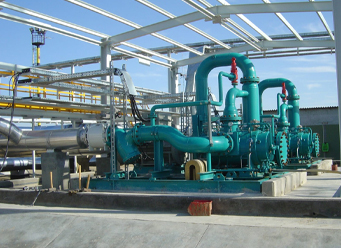
Sewage treatment plant pumps are critical components within municipal and industrial wastewater treatment facilities. These pumps are responsible for the conveyance of raw sewage, partially treated effluent, sludge, and other liquids through various stages of the treatment process. Unlike typical centrifugal pumps, sewage pumps are specifically engineered to handle solids-laden fluids, abrasive materials, and often corrosive environments. Their technical position within the wastewater treatment chain is fundamental, directly impacting process efficiency, energy consumption, and overall system reliability. Core performance characteristics include flow rate (typically measured in gallons per minute or cubic meters per hour), total dynamic head (TDH, representing the height the pump can lift the fluid), and solids handling capability (expressed as sphere diameter or percentage of solids by weight). Addressing the industry’s pain points – namely, pump clogging, wear due to abrasion, and the costs associated with frequent maintenance and downtime – is central to the ongoing evolution of these technologies.
Material Science & Manufacturing
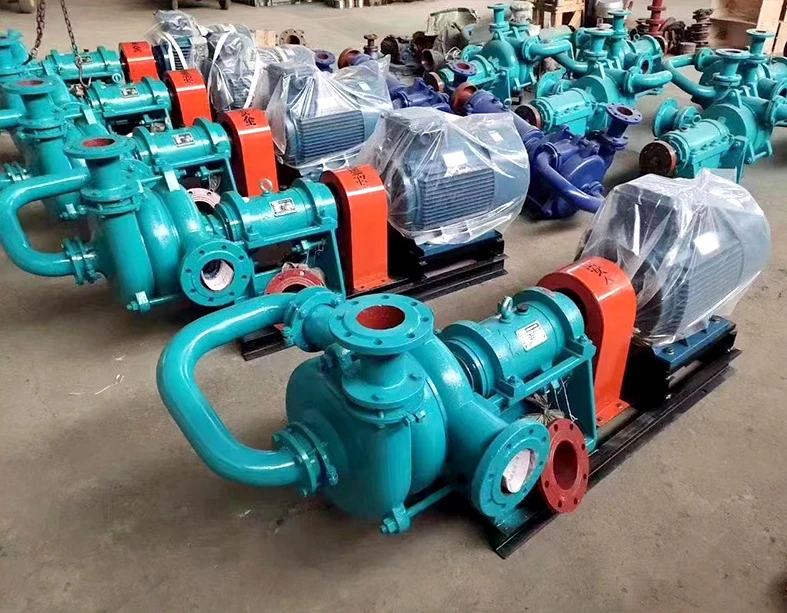
The materials used in sewage treatment plant pump construction are dictated by the aggressive nature of the fluids being handled. Pump casings are frequently manufactured from ductile iron (ASTM A536-83 Grade 65-45-12), chosen for its high tensile strength, ductility, and resistance to corrosion. Impeller materials commonly include high-chrome cast iron (typically with 27-30% chromium), offering exceptional wear resistance against abrasive solids. Shafts are typically constructed from 4140 alloy steel, heat-treated to achieve optimal hardness and toughness. Seals are a critical element, with materials such as silicon carbide (SiC) and tungsten carbide (WC) providing excellent resistance to chemical attack and abrasion. Manufacturing processes vary depending on component complexity. Casings are often produced via sand casting followed by machining to precise tolerances. Impellers may utilize investment casting for intricate designs. Shafts are typically machined from bar stock. A key parameter control during manufacturing is dimensional accuracy to ensure proper impeller-volute clearance and prevent cavitation. Welding processes, where employed, must adhere to AWS D1.1 standards to ensure structural integrity. Surface coatings, such as epoxy or ceramic linings, are frequently applied to casings and impellers to enhance corrosion resistance and reduce friction losses.
Performance & Engineering
Performance analysis of sewage treatment plant pumps requires a comprehensive understanding of hydraulic principles and fluid dynamics. The pump's affinity laws dictate the relationships between flow rate, head, and power consumption. Force analysis considers radial loads from impeller imbalance and axial thrust from pressure differentials. Environmental resistance is critical; pumps must withstand immersion in corrosive fluids, fluctuating temperatures, and potential exposure to UV radiation. Compliance requirements, such as those stipulated by the EPA (Environmental Protection Agency) regarding effluent discharge limits, dictate pump selection and operation. Functional implementation involves careful consideration of system curves, Net Positive Suction Head Required (NPSHr), and pump characteristic curves to ensure optimal performance and prevent cavitation. Pump selection also heavily considers variable frequency drives (VFDs) for energy efficiency and process control. A common engineering challenge is managing rag and debris buildup on impellers; non-clog impeller designs and vortex impellers are employed to mitigate this issue. Furthermore, proper piping design, including minimizing bends and ensuring adequate suction piping length, is crucial for preventing pump cavitation and maintaining efficient operation.
Technical Specifications
| Pump Type | Flow Rate (GPM) | Total Dynamic Head (ft) | Solids Handling Capacity (in) |
|---|---|---|---|
| Centrifugal (Non-Clog) | 200-800 | 50-150 | 2 |
| Vortex Impeller | 100-500 | 80-200 | 3 |
| Submersible | 50-300 | 40-100 | 1.5 |
| Progressive Cavity | 10-100 | 100-300 | 0.5 |
| Diaphragm | 5-50 | 50-150 | 0.25 |
| Chopper Pump | 150-600 | 60-180 | 2.5 |
Failure Mode & Maintenance
Sewage treatment plant pumps are susceptible to a range of failure modes. Fatigue cracking, particularly in impeller blades and pump casings, is common due to cyclic loading and stress concentration. Delamination of protective coatings can lead to corrosion and reduced pump efficiency. Degradation of elastomer seals results in leakage and loss of prime. Oxidation of metallic components occurs in corrosive environments, reducing material strength. Abrasive wear, caused by solids in the fluid, erodes impeller surfaces and increases clearances. Common maintenance solutions include regular visual inspections for signs of corrosion or wear, periodic impeller balancing to minimize vibration, lubrication of bearings and seals, and replacement of worn components. Proactive maintenance, such as vibration analysis and thermographic surveys, can detect potential failures before they occur. A critical failure analysis step involves identifying the root cause of the failure (e.g., cavitation, abrasive wear, corrosion) to prevent recurrence. Preventative maintenance schedules should adhere to manufacturer recommendations and be tailored to the specific operating conditions of the pump. Proper pump alignment is crucial for minimizing bearing wear and preventing shaft breakage.
Industry FAQ
Q: What are the primary causes of pump cavitation in a sewage treatment plant?
A: Pump cavitation is primarily caused by insufficient Net Positive Suction Head Available (NPSHa) relative to the pump’s Net Positive Suction Head Required (NPSHr). This can be due to low inlet pressure, high fluid temperature, restrictions in the suction piping, or excessive suction lift. Cavitation leads to impeller damage, reduced pump efficiency, and increased noise.
Q: How do I select the appropriate impeller type for handling heavily solids-laden sewage?
A: For heavily solids-laden sewage, non-clog impellers or vortex impellers are recommended. Non-clog impellers have larger passages to allow solids to pass through, while vortex impellers create a swirling motion that keeps solids away from the impeller blades, reducing the risk of clogging.
Q: What are the benefits of using variable frequency drives (VFDs) with sewage treatment plant pumps?
A: VFDs offer significant benefits, including energy savings by matching pump speed to flow demand, reduced mechanical stress on the pump and motor, and improved process control. They also allow for soft starting and stopping, reducing water hammer and extending pump life.
Q: What materials are best suited for pump casings exposed to hydrogen sulfide (H2S)?
A: Hydrogen sulfide is a highly corrosive gas commonly found in sewage. Ductile iron with an epoxy coating or stainless steel (316 or higher grade) are recommended materials for pump casings exposed to H2S. Ceramic coatings can also provide excellent protection.
Q: How often should pump seals be inspected and replaced?
A: Pump seals should be inspected at least annually, or more frequently in harsh operating conditions. The recommended replacement interval depends on the seal type, fluid composition, and operating hours. Signs of seal failure include leakage, increased pump vibration, and decreased pump efficiency.
Conclusion
Sewage treatment plant pumps represent a critical, yet often overlooked, component of modern wastewater infrastructure. Their reliable operation is paramount to ensuring effective pollutant removal and protecting public health. Selecting the appropriate pump technology, materials, and maintenance strategies is dictated by a complex interplay of hydraulic requirements, fluid characteristics, and environmental factors. A thorough understanding of material science, pump performance characteristics, and potential failure modes is essential for optimizing pump life cycle costs and minimizing downtime.
Future advancements in sewage pump technology are likely to focus on increased energy efficiency, improved solids handling capabilities, and the integration of smart sensors and predictive maintenance algorithms. Remote monitoring and data analytics will play an increasingly important role in optimizing pump performance and preventing failures. Furthermore, the development of more durable and corrosion-resistant materials will be crucial for extending pump life in challenging operating environments.
-
sump pump for septic systems Material Science Manufacturing
News2026-05-20
-
sump pump and ejector pump Material Science Manufacturing
News2026-05-20
-
sewage treatment plant pumps Performance Analysis
News2026-05-20
-
sewage tank pump Material Science and Manufacturing
News2026-05-20
-
sewage pump for septic tank Performance Analysis
News2026-05-20
-
Sewage Pump and Tank Performance Analysis
News2026-05-19
-
Sewage Ejector Pump Replacement Performance Analysis
News2026-05-19
-
sewage ejector pump for basement bathroom Material Science Manufacturing
News2026-05-19
-
sewage ejection pump Material Science and Manufacturing
News2026-05-19
-
in line sewage pump Performance Analysis
News2026-05-19
-
effluent sump pump Performance Analysis
News2026-05-18
-
best grinder pump for sewage Performance Engineering
News2026-05-18
-
basement waste water pump Performance Engineering
News2026-05-18
-
sump pump sewer Performance Analysis
News2026-05-18
-
sump pump for sewer Performance Analysis
News2026-05-18




