English
- Afrikaans
- Albanian
- Amharic
- Arabic
- Armenian
- Azerbaijani
- Basque
- Belarusian
- Bengali
- Bosnian
- Bulgarian
- Catalan
- Cebuano
- Corsican
- Croatian
- Czech
- Danish
- Dutch
- English
- Esperanto
- Estonian
- Finnish
- French
- Frisian
- Galician
- Georgian
- German
- Greek
- Gujarati
- Haitian Creole
- hausa
- hawaiian
- Hebrew
- Hindi
- Miao
- Hungarian
- Icelandic
- igbo
- Indonesian
- irish
- Italian
- Japanese
- Javanese
- Kannada
- kazakh
- Khmer
- Rwandese
- Korean
- Kurdish
- Kyrgyz
- Lao
- Latin
- Latvian
- Lithuanian
- Luxembourgish
- Macedonian
- Malgashi
- Malay
- Malayalam
- Maltese
- Maori
- Marathi
- Mongolian
- Myanmar
- Nepali
- Norwegian
- Norwegian
- Occitan
- Pashto
- Persian
- Polish
- Portuguese
- Punjabi
- Romanian
- Russian
- Samoan
- Scottish Gaelic
- Serbian
- Sesotho
- Shona
- Sindhi
- Sinhala
- Slovak
- Slovenian
- Somali
- Spanish
- Sundanese
- Swahili
- Swedish
- Tagalog
- Tajik
- Tamil
- Tatar
- Telugu
- Thai
- Turkish
- Turkmen
- Ukrainian
- Urdu
- Uighur
- Uzbek
- Vietnamese
- Welsh
- Bantu
- Yiddish
- Yoruba
- Zulu

Telephone: +86 13120555503
Email: frank@cypump.com


Apr . 01, 2024 17:55 Back to list
Sewage Transfer Pump Performance Analysis
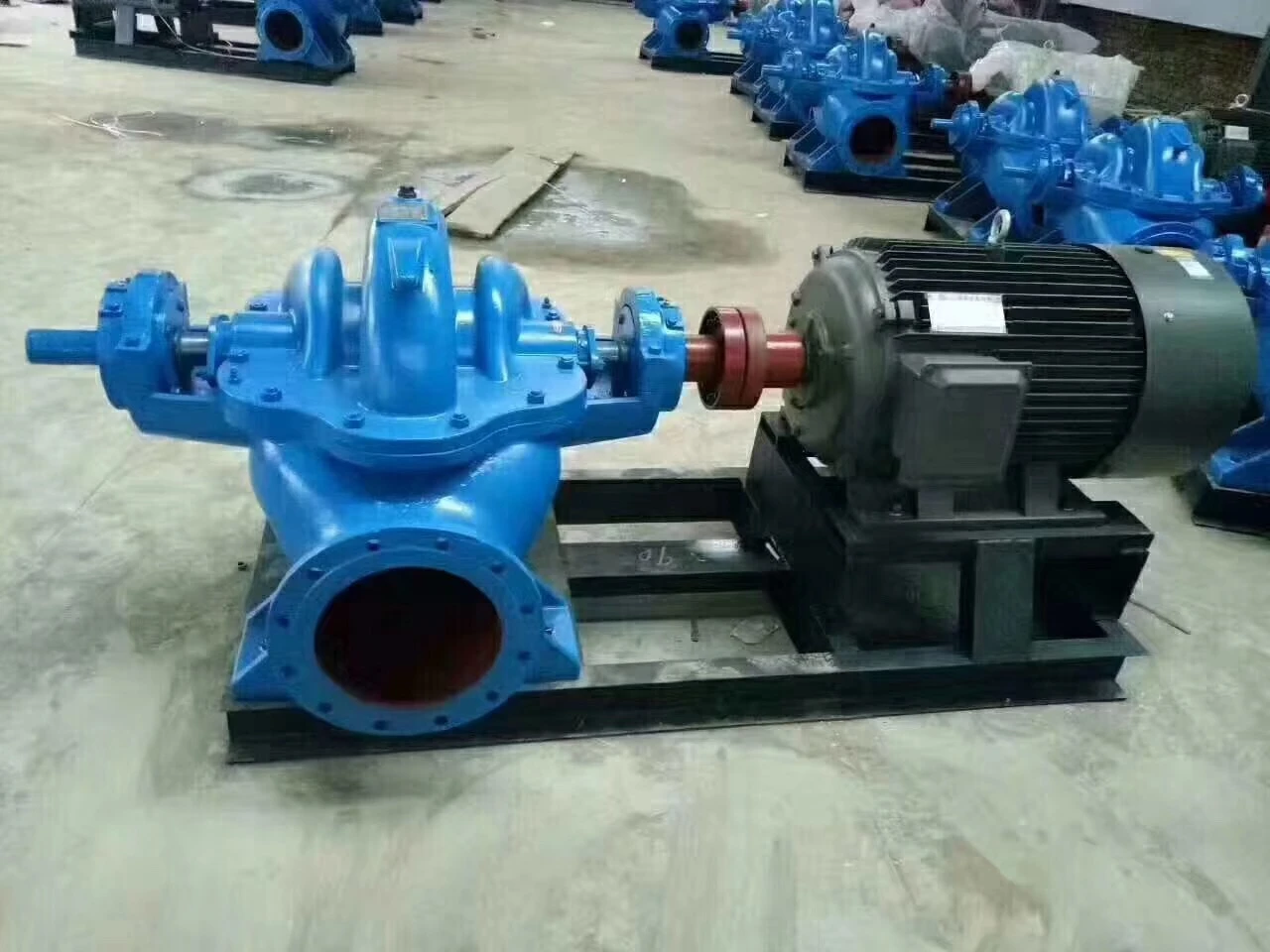
Introduction
Sewage transfer pumps are specialized centrifugal pumps designed for the efficient and reliable handling of wastewater, sludge, and solids-laden fluids. Positioned within the wastewater treatment infrastructure, these pumps serve a critical function in moving effluent from collection points to treatment facilities, or for bypassing treatment during maintenance or emergencies. Unlike general-purpose pumps, sewage transfer pumps are engineered to resist clogging, corrosion, and abrasion inherent in wastewater environments. Core performance characteristics revolve around flow rate (gallons per minute or liters per second), total dynamic head (TDH - expressed in feet or meters), solids handling capability (diameter and concentration), and pump efficiency. The increasing demands on wastewater treatment facilities, driven by population growth and stricter environmental regulations, are escalating the need for robust and efficient sewage transfer pump systems. A key pain point within the industry is balancing pump performance with energy consumption and minimizing lifecycle costs, including maintenance and potential downtime.
Material Science & Manufacturing
The construction of a sewage transfer pump necessitates careful material selection to withstand the corrosive and abrasive nature of wastewater. Impellers and casings are commonly manufactured from ductile iron (ASTM A536-83), offering a balance of strength, ductility, and corrosion resistance. Higher alloy castings, such as stainless steel (316SS – ASTM A743), are utilized in applications with particularly aggressive chemical constituents. Shafts are typically produced from 4140 alloy steel, heat-treated to achieve high tensile strength and wear resistance. Seals critical to preventing leakage are frequently constructed from materials like silicon carbide or tungsten carbide, coupled with elastomers like Viton or EPDM for compatibility with various chemical compounds.
Manufacturing processes begin with casting the pump housing and impeller. Ductile iron castings undergo rigorous quality control, including radiographic inspection to detect internal flaws. Machining operations, employing CNC milling and turning centers, are crucial for achieving precise tolerances on impeller vanes, bearing bores, and sealing surfaces. Welding processes, utilizing shielded metal arc welding (SMAW) or gas tungsten arc welding (GTAW), are employed for fabricating certain components. Post-welding, heat treatment is performed to relieve stress and enhance material properties. Surface coatings, like epoxy or ceramic coatings, are applied to enhance abrasion resistance. Final assembly involves meticulous alignment of rotating components, dynamic balancing of the impeller, and thorough testing to verify performance parameters and leak tightness. Parameter control focuses on maintaining consistent material composition, precise machining tolerances, and adherence to welding procedures to ensure pump reliability and longevity.
Performance & Engineering
Sewage transfer pump performance is governed by principles of fluid dynamics and mechanical engineering. Force analysis considers both static and dynamic loads imposed on the impeller, shaft, and bearings. Centrifugal force generated by the rotating impeller imparts kinetic energy to the fluid, which is then converted to pressure head. Hydraulic efficiency, a key performance metric, is affected by impeller design, casing geometry, and fluid viscosity. Cavitation, a phenomenon where vapor bubbles form and collapse within the pump, is a critical concern; sufficient Net Positive Suction Head Available (NPSHa) must be maintained to prevent cavitation damage. Environmental resistance encompasses the pump's ability to operate reliably in varying temperatures, humidity levels, and exposure to corrosive substances. Compliance requirements, dictated by regulatory bodies, address discharge limits for pollutants, energy efficiency standards, and safety regulations. Functional implementation requires careful system design, including pipe sizing, valve selection, and control system integration, to optimize pump performance and prevent hydraulic shock. The selection of a variable frequency drive (VFD) can provide precise flow control, reduce energy consumption, and extend pump life.
Technical Specifications
| Parameter | Unit | Typical Value (Small Pump) | Typical Value (Large Pump) |
|---|---|---|---|
| Flow Rate | GPM (L/s) | 50-200 (3.2 - 12.6) | 500-2000 (31.5 – 126) |
| Total Dynamic Head (TDH) | ft (m) | 20-60 (6 - 18) | 80-200 (24 – 61) |
| Solids Handling | inches (mm) | 2-3 (50-75) | 4-6 (100-150) |
| Motor Power | HP (kW) | 1-3 (0.75 – 2.2) | 10-50 (7.5 – 37) |
| Impeller Material | - | Ductile Iron (65-45-12) | Stainless Steel (316SS) |
| Casing Material | - | Ductile Iron (65-45-12) | Ductile Iron (65-45-12) or Stainless Steel (316SS) |
Failure Mode & Maintenance
Sewage transfer pumps are susceptible to several failure modes. Fatigue cracking, particularly in the impeller and shaft, can occur due to cyclical loading and stress concentrations. Abrasion from solids in the wastewater leads to wear of impeller vanes and casing surfaces, reducing pump efficiency. Corrosion, driven by chemical constituents in the wastewater, can compromise the structural integrity of pump components. Bearing failure, resulting from inadequate lubrication or excessive loading, can cause pump seizure. Seal failure leads to leakage and potential motor damage.
Preventative maintenance is crucial for extending pump life and minimizing downtime. Regular inspection of seals, bearings, and impeller wear is essential. Lubrication schedules must be strictly adhered to, using appropriate greases compatible with the operating environment. Impeller and casing should be inspected for signs of abrasion or corrosion, with coatings reapplied as necessary. Vibration analysis can detect bearing wear or imbalance. Periodic performance monitoring, including flow rate and head measurements, can identify deviations from baseline performance. When replacing components, it’s vital to use OEM-approved parts or equivalent quality substitutes. Proper pump alignment during installation and after maintenance is also critical to preventing premature failure. Routine cleaning to remove debris buildup is also advisable.
Industry FAQ
Q: What is the impact of solids size and concentration on pump selection?
A: Solids size and concentration directly influence the pump’s impeller design and casing geometry. Larger solids necessitate open-impeller designs to prevent clogging. Higher solids concentrations require more robust impeller construction and larger clearances to minimize wear. Failure to account for these factors can lead to frequent clogging, reduced efficiency, and premature pump failure. Pump curves must be reviewed for solids handling capabilities.
Q: How does corrosion affect the lifespan of a sewage transfer pump?
A: Corrosion is a significant contributor to pump failure. Aggressive chemicals in wastewater, such as hydrogen sulfide (H2S) and chlorides, can corrode metallic components, weakening their structural integrity. Selecting corrosion-resistant materials, such as stainless steel or applying protective coatings, is crucial. Regular inspection and maintenance to identify and address corrosion early on can significantly extend pump life.
Q: What are the benefits of using a variable frequency drive (VFD) with a sewage transfer pump?
A: A VFD allows for precise control of pump speed, optimizing flow to match demand. This results in energy savings, reduced wear and tear on the pump, and extended pump life. VFDs can also provide soft starting and stopping, minimizing hydraulic shock to the piping system.
Q: What are the common causes of cavitation in sewage transfer pumps?
A: Cavitation occurs when the absolute pressure at the pump inlet falls below the vapor pressure of the liquid, causing vapor bubbles to form and collapse. Common causes include insufficient NPSHa, high fluid velocity at the inlet, and restrictions in the suction piping. Addressing these issues through proper system design and maintenance is essential.
Q: What maintenance practices are most critical for maximizing pump reliability?
A: Regular lubrication of bearings, inspection of seals for leakage, cleaning of impeller and casing to remove debris, vibration analysis, and performance monitoring are all critical maintenance practices. Establishing a preventative maintenance schedule based on manufacturer recommendations and operating conditions is vital for maximizing pump reliability and minimizing downtime.
Conclusion
Sewage transfer pumps represent a critical component of modern wastewater infrastructure, demanding a comprehensive understanding of material science, engineering principles, and operational best practices. Proper material selection, meticulous manufacturing processes, and diligent maintenance are all essential for ensuring reliable and efficient pump performance. Selecting a pump that is appropriately sized for the application, considering solids handling capabilities, and mitigating the risk of corrosion and cavitation are key to minimizing lifecycle costs and maximizing pump longevity.
The future of sewage transfer pump technology is focused on increased energy efficiency, enhanced solids handling capabilities, and the integration of smart monitoring systems for predictive maintenance. Advancements in materials science will lead to more corrosion-resistant alloys and coatings. The adoption of digital technologies, such as remote monitoring and data analytics, will enable proactive identification of potential failures and optimization of pump operation. Continuous innovation is crucial to address the evolving challenges of wastewater treatment and protect our valuable water resources.
-
Comprehensive Guide to Waterproof ORings for Optimal Sealing Solutions
News2026-06-09
-
heavy duty submersible pump Performance Analysis
News2026-06-25
-
best submersible pump for septic tank Performance Analysis
News2026-06-25
-
basement sewer ejector pump Performance Analysis
News2026-06-25
-
basement pumps ejector pumps Performance Analysis
News2026-06-25
-
basement lift pump Performance and Engineering
News2026-06-25
-
basement bathroom pump systems Performance Analysis
News2026-06-24
-
basement bathroom ejector pump system Performance Engineering
News2026-06-24
-
2 hp sewage pump Performance Engineering
News2026-06-24
-
1 hp septic pump Performance Engineering
News2026-06-24
-
submersible effluent pump Performance Analysis
News2026-06-24
-
submergable pump Material Science
News2026-06-23
-
sewer injection pump Performance Engineering
News2026-06-23
-
Sewer Ejector Pump System Performance Analysis
News2026-06-23
-
septic tank pump for sale Performance Engineering
News2026-06-23




