English
- Afrikaans
- Albanian
- Amharic
- Arabic
- Armenian
- Azerbaijani
- Basque
- Belarusian
- Bengali
- Bosnian
- Bulgarian
- Catalan
- Cebuano
- Corsican
- Croatian
- Czech
- Danish
- Dutch
- English
- Esperanto
- Estonian
- Finnish
- French
- Frisian
- Galician
- Georgian
- German
- Greek
- Gujarati
- Haitian Creole
- hausa
- hawaiian
- Hebrew
- Hindi
- Miao
- Hungarian
- Icelandic
- igbo
- Indonesian
- irish
- Italian
- Japanese
- Javanese
- Kannada
- kazakh
- Khmer
- Rwandese
- Korean
- Kurdish
- Kyrgyz
- Lao
- Latin
- Latvian
- Lithuanian
- Luxembourgish
- Macedonian
- Malgashi
- Malay
- Malayalam
- Maltese
- Maori
- Marathi
- Mongolian
- Myanmar
- Nepali
- Norwegian
- Norwegian
- Occitan
- Pashto
- Persian
- Polish
- Portuguese
- Punjabi
- Romanian
- Russian
- Samoan
- Scottish Gaelic
- Serbian
- Sesotho
- Shona
- Sindhi
- Sinhala
- Slovak
- Slovenian
- Somali
- Spanish
- Sundanese
- Swahili
- Swedish
- Tagalog
- Tajik
- Tamil
- Tatar
- Telugu
- Thai
- Turkish
- Turkmen
- Ukrainian
- Urdu
- Uighur
- Uzbek
- Vietnamese
- Welsh
- Bantu
- Yiddish
- Yoruba
- Zulu

Telephone: +86 13120555503
Email: frank@cypump.com


Apr . 01, 2024 17:55 Back to list
sewage tank pump Material Science and Manufacturing
Introduction
Submersible sewage tank pumps are critical components in wastewater treatment and management systems, designed to efficiently remove effluent and solids from tanks and basins. Positioned within the industry as a vital link between collection systems and treatment facilities, these pumps address a core need in municipal, commercial, and industrial settings. Unlike surface-mounted pumps, submersible designs offer several advantages, including reduced noise, elimination of priming issues, and increased efficiency due to gravity feed. Core performance parameters include flow rate (measured in gallons per minute or liters per second), total dynamic head (TDH) indicating pumping height and friction loss resistance, solids handling capability (expressed as sphere diameter in millimeters or inches), and motor power (typically in horsepower or kilowatts). The reliable operation of sewage tank pumps is paramount to preventing system backups, maintaining sanitary conditions, and ensuring environmental compliance. A significant pain point within the industry lies in maintaining pump efficiency amidst abrasive solids, preventing corrosion in harsh chemical environments, and ensuring long-term reliability to minimize downtime and maintenance costs.
Material Science & Manufacturing
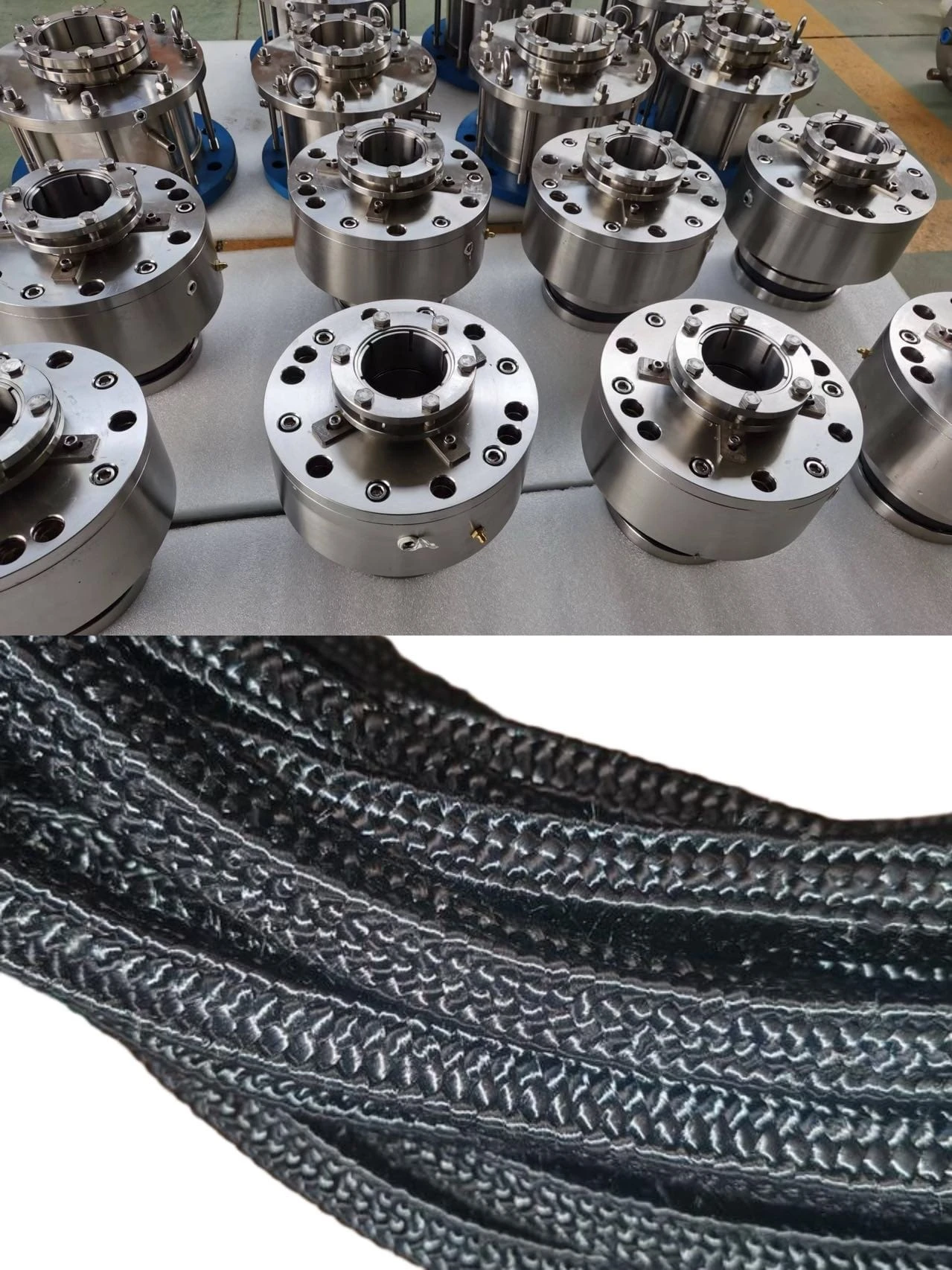
The construction of sewage tank pumps necessitates a robust material selection strategy to withstand the corrosive and abrasive nature of wastewater. Pump housings are commonly manufactured from cast iron (ASTM A48 Class 30), stainless steel (typically 304 or 316 for enhanced corrosion resistance – meeting ASTM A240 standards), or engineered polymers such as polypropylene or polyethylene for specific applications. Impeller materials, critical for efficient fluid transfer, often mirror the housing material, with considerations for abrasion resistance. Motor housings usually utilize cast iron or stainless steel for structural integrity and corrosion protection. Shafts are manufactured from high-strength alloys, often 4140 steel (meeting ASTM A297 standards) followed by heat treatment to maximize tensile strength and fatigue resistance. Seals are a crucial component, utilizing materials like silicon carbide or tungsten carbide in mechanical seals (conforming to API 682 standards) to prevent leakage and protect the motor from ingress of wastewater. Manufacturing processes involve several key stages. Casting is employed for housings and impellers, followed by machining to achieve precise tolerances. Welding (AWS D1.1 compliant) is used for assembling components, demanding strict quality control to ensure weld integrity. Impellers are often produced via investment casting or sand casting followed by precision machining. Motor stators are typically wound with copper wire and encapsulated in epoxy resin, while rotors utilize laminated steel cores. Parameter control during manufacturing is critical; casting dimensions must adhere to strict tolerances (typically +/- 0.5mm), weld penetration and porosity must be minimized, and impeller balancing is essential to reduce vibration and extend bearing life.
Performance & Engineering
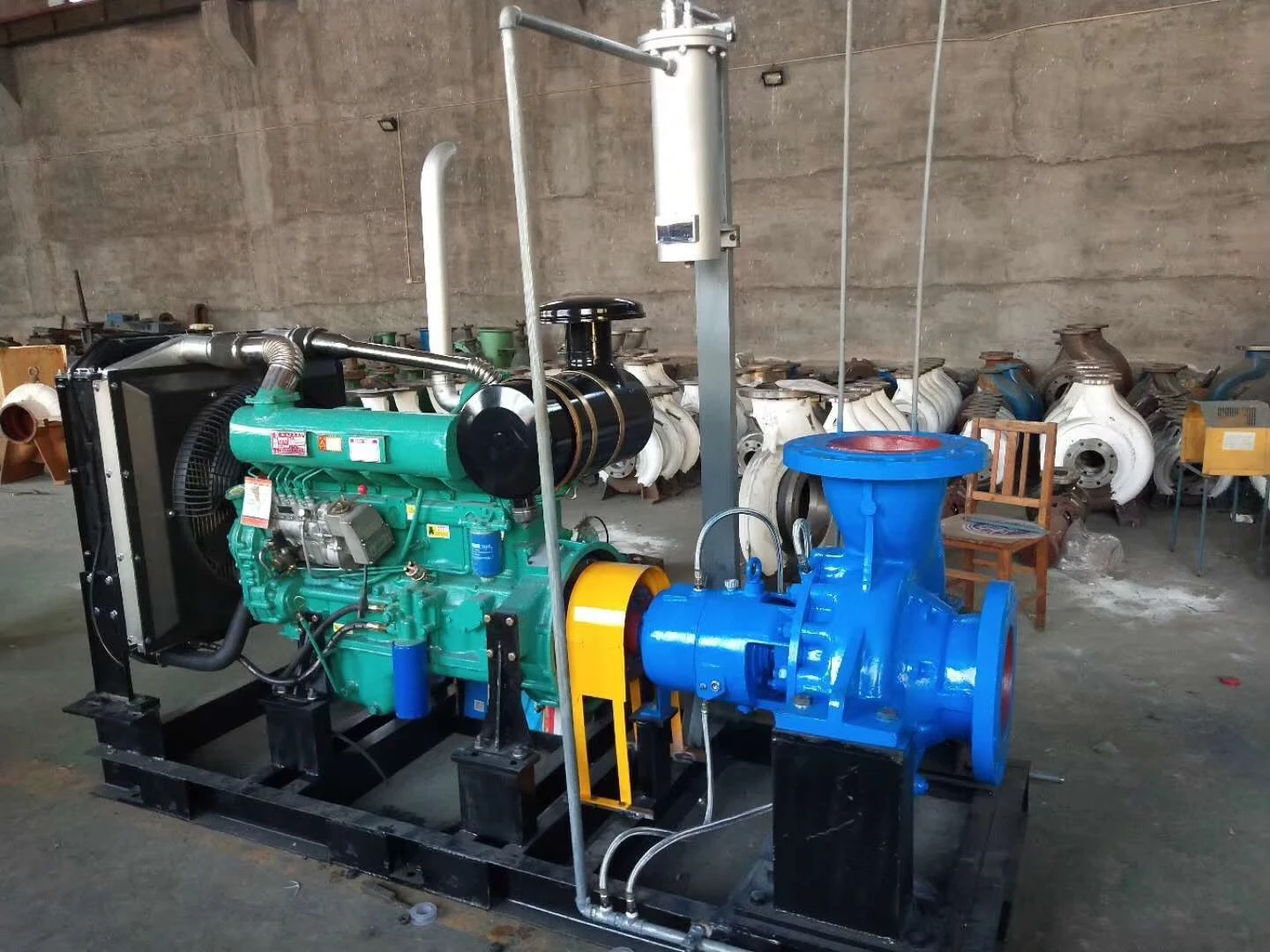
The performance of a sewage tank pump is dictated by hydrodynamic principles and robust engineering design. Force analysis focuses on the impeller’s interaction with the fluid, quantifying radial and axial forces generated during operation. These forces are critical in determining bearing loads and shaft stresses. Cavitation, a major concern, occurs when the liquid pressure drops below the vapor pressure, forming vapor bubbles that implode and damage the impeller. Engineers mitigate cavitation through careful impeller design (blade angles, number of blades) and maintaining sufficient Net Positive Suction Head Available (NPSHa) exceeding the Net Positive Suction Head Required (NPSHr). Environmental resistance is paramount, particularly regarding corrosion and abrasion. Pump materials are selected based on the wastewater composition, accounting for pH levels, sulfide content, and suspended solids concentration. Coating systems, such as epoxy or ceramic coatings, are applied to surfaces exposed to corrosive fluids. Compliance requirements vary based on geographical location and application. Pumps destined for potable water applications must meet NSF/ANSI 61 standards. Electrical safety is governed by IEC 60335-1 standards, ensuring proper grounding and insulation. Functional implementation demands careful consideration of pump curves (head vs. flow rate), system head curves, and the selection of a variable frequency drive (VFD) to optimize pump performance and energy efficiency. Furthermore, maintaining proper impeller-to-casing clearances is essential for maximizing hydraulic efficiency and minimizing energy consumption. The selection of the pump type (vortex, recessed impeller, or solids-handling) depends on the solids content and characteristics of the wastewater.
Technical Specifications
| Parameter | Unit | Typical Range (Residential) | Typical Range (Industrial) |
|---|---|---|---|
| Flow Rate | GPM (Gallons Per Minute) | 20-60 | 100-500+ |
| Total Dynamic Head (TDH) | ft (Feet) | 10-30 | 50-150+ |
| Solids Handling Capability | inches | Up to 2 | Up to 4+ |
| Motor Power | HP (Horsepower) | 1/2 - 1 | 5 - 50+ |
| Voltage | V (Volts) | 120/240 | 208/230/460/575 |
| Seal Type | - | Mechanical Seal (Silicon Carbide) | Mechanical Seal (Silicon Carbide/Tungsten Carbide) |
Failure Mode & Maintenance
Sewage tank pumps are susceptible to various failure modes stemming from their harsh operating environment. Fatigue cracking in the impeller or housing is a common issue, arising from cyclical stress induced by fluid flow and solids impact. Corrosion, particularly pitting corrosion in stainless steel components, can weaken the material and lead to leaks. Delamination of coatings, particularly epoxy coatings, can expose underlying metal to corrosion. Bearing failure, often caused by contamination or inadequate lubrication, results in increased vibration and eventual pump seizure. Mechanical seal failure is frequent, allowing wastewater to enter the motor, causing short circuits and motor burnout. Blockage by rags, debris, or stringy materials can impede impeller rotation and overload the motor. To mitigate these failures, a robust preventative maintenance program is crucial. Regular inspection of seals, bearings, and impeller for wear and damage is essential. Lubrication of bearings should follow manufacturer’s recommendations, utilizing appropriate greases compatible with the wastewater environment. Periodic cleaning of the pump intake and surrounding sump area prevents blockages. Corrosion protection measures include cathodic protection or the application of sacrificial anodes. Vibration analysis can detect bearing wear or impeller imbalance at an early stage. For motor burnout situations, comprehensive electrical testing (insulation resistance, winding resistance) should be performed. Replacement of worn components with materials specifically designed for sewage applications (e.g., hardened stainless steel impellers) extends pump lifespan and minimizes downtime. Routine flushing of the pump with clean water can also remove accumulated solids.
Industry FAQ
Q: What is the impact of wastewater temperature on pump performance and longevity?
A: Elevated wastewater temperatures can reduce the viscosity of the fluid, potentially increasing flow rates but also accelerating corrosion rates. High temperatures can degrade seal materials, leading to premature failure. The motor insulation must also be rated for the operating temperature. Continuous exposure to temperatures exceeding the motor’s rating can significantly shorten its lifespan.
Q: How do you select the appropriate pump material for highly corrosive wastewater environments?
A: The selection process begins with a thorough analysis of the wastewater composition, including pH, sulfide content, and the presence of specific chemicals. Stainless steel alloys (316, duplex stainless steel) offer superior corrosion resistance compared to cast iron, but may still be susceptible to certain chemicals. Engineered polymers (polypropylene, HDPE) are inert to many corrosive substances, but have limited mechanical strength. Coatings, such as epoxy or ceramic linings, can provide an additional layer of protection.
Q: What are the key considerations for pump installation to minimize vibration and noise?
A: Proper alignment between the pump and discharge piping is crucial to prevent stress on the pump components. A flexible coupling can absorb minor misalignment. The pump should be securely mounted on a stable foundation to minimize vibration transmission. Sound isolation materials can be used to dampen noise. Proper pipe support and anchoring are vital to prevent stress and resonance.
Q: What role does a VFD play in optimizing pump operation and reducing energy consumption?
A: A Variable Frequency Drive (VFD) allows for precise control of the pump motor speed, matching the pump output to the actual demand. This eliminates the need for on/off cycling, reducing energy consumption and extending pump lifespan. VFDs also provide soft starting and stopping, minimizing water hammer and stress on the piping system.
Q: How does solids handling capability affect pump selection and maintenance requirements?
A: Pumps designed for solids handling typically employ vortex or recessed impeller designs, allowing solids to pass through without clogging. These pumps require less frequent cleaning and are less prone to blockage. However, they often have lower hydraulic efficiency compared to pumps designed for clean liquids. Regular inspection of the impeller for wear is still essential, as abrasive solids can erode the impeller over time.
Conclusion
The selection and application of sewage tank pumps represent a complex interplay of material science, hydrodynamic engineering, and regulatory compliance. Ensuring optimal performance and longevity requires a thorough understanding of wastewater characteristics, accurate system head calculations, and the implementation of a robust preventative maintenance program. Addressing the core industry pain points of corrosion, abrasion, and reliability hinges on utilizing appropriate materials, employing advanced coating technologies, and incorporating monitoring systems to detect early signs of failure.
Future advancements in sewage tank pump technology are likely to focus on the development of more efficient impellers, the integration of smart sensors for predictive maintenance, and the use of bio-compatible materials to minimize environmental impact. The increasing demand for sustainable wastewater management solutions will drive innovation in pump design and operation, emphasizing energy efficiency, reduced lifecycle costs, and increased system resilience.
-
sump pump for septic systems Material Science Manufacturing
News2026-05-20
-
sump pump and ejector pump Material Science Manufacturing
News2026-05-20
-
sewage treatment plant pumps Performance Analysis
News2026-05-20
-
sewage tank pump Material Science and Manufacturing
News2026-05-20
-
sewage pump for septic tank Performance Analysis
News2026-05-20
-
Sewage Pump and Tank Performance Analysis
News2026-05-19
-
Sewage Ejector Pump Replacement Performance Analysis
News2026-05-19
-
sewage ejector pump for basement bathroom Material Science Manufacturing
News2026-05-19
-
sewage ejection pump Material Science and Manufacturing
News2026-05-19
-
in line sewage pump Performance Analysis
News2026-05-19
-
effluent sump pump Performance Analysis
News2026-05-18
-
best grinder pump for sewage Performance Engineering
News2026-05-18
-
basement waste water pump Performance Engineering
News2026-05-18
-
sump pump sewer Performance Analysis
News2026-05-18
-
sump pump for sewer Performance Analysis
News2026-05-18




