English
- Afrikaans
- Albanian
- Amharic
- Arabic
- Armenian
- Azerbaijani
- Basque
- Belarusian
- Bengali
- Bosnian
- Bulgarian
- Catalan
- Cebuano
- Corsican
- Croatian
- Czech
- Danish
- Dutch
- English
- Esperanto
- Estonian
- Finnish
- French
- Frisian
- Galician
- Georgian
- German
- Greek
- Gujarati
- Haitian Creole
- hausa
- hawaiian
- Hebrew
- Hindi
- Miao
- Hungarian
- Icelandic
- igbo
- Indonesian
- irish
- Italian
- Japanese
- Javanese
- Kannada
- kazakh
- Khmer
- Rwandese
- Korean
- Kurdish
- Kyrgyz
- Lao
- Latin
- Latvian
- Lithuanian
- Luxembourgish
- Macedonian
- Malgashi
- Malay
- Malayalam
- Maltese
- Maori
- Marathi
- Mongolian
- Myanmar
- Nepali
- Norwegian
- Norwegian
- Occitan
- Pashto
- Persian
- Polish
- Portuguese
- Punjabi
- Romanian
- Russian
- Samoan
- Scottish Gaelic
- Serbian
- Sesotho
- Shona
- Sindhi
- Sinhala
- Slovak
- Slovenian
- Somali
- Spanish
- Sundanese
- Swahili
- Swedish
- Tagalog
- Tajik
- Tamil
- Tatar
- Telugu
- Thai
- Turkish
- Turkmen
- Ukrainian
- Urdu
- Uighur
- Uzbek
- Vietnamese
- Welsh
- Bantu
- Yiddish
- Yoruba
- Zulu

Telephone: +86 13120555503
Email: frank@cypump.com


Apr . 01, 2024 17:55 Back to list
Sewage Tank and Pump Performance Analysis
Introduction
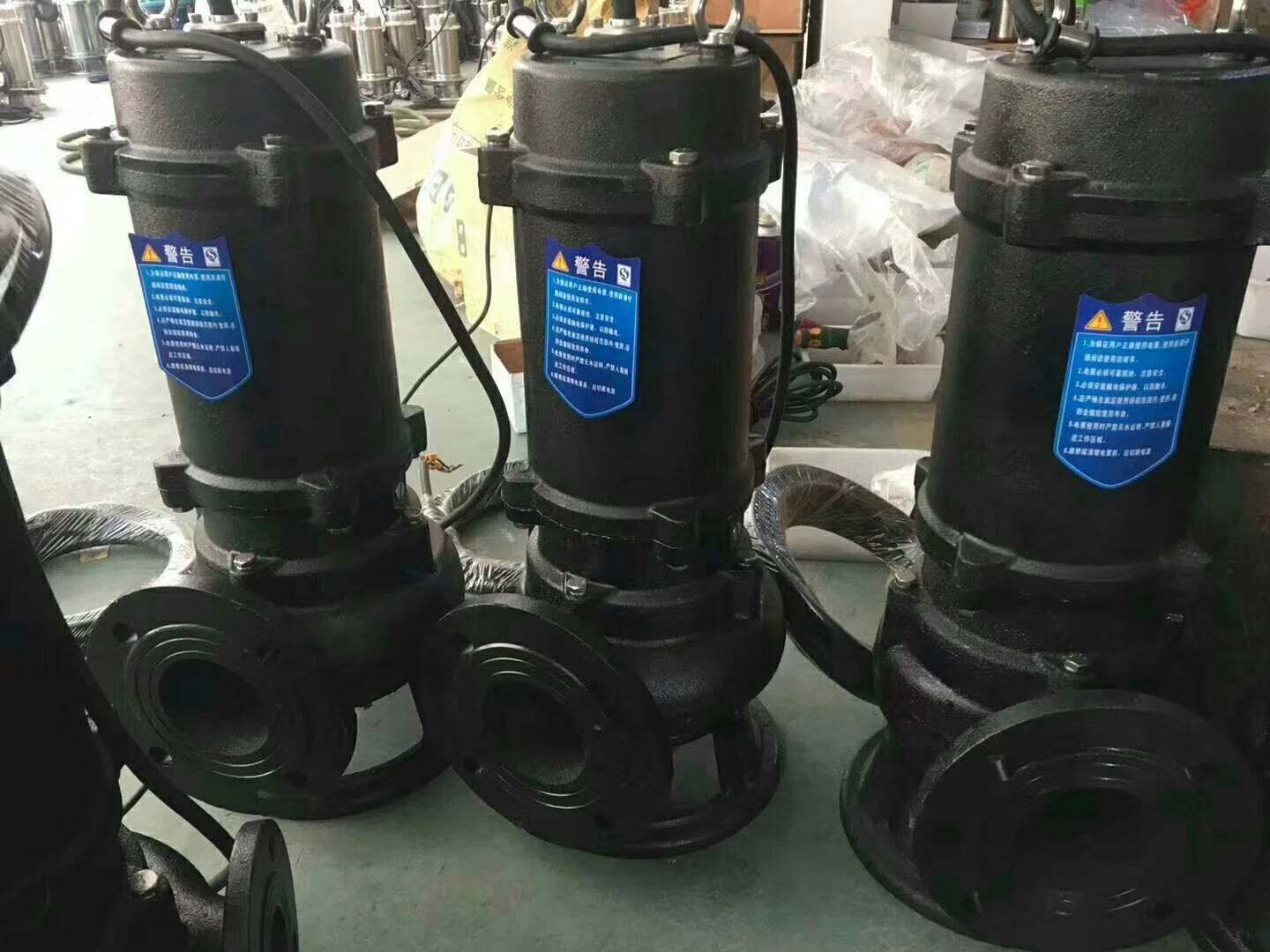
Sewage tanks and pumps are critical components of wastewater management systems, integral to both municipal and industrial applications. These systems collect, store, and transfer wastewater from various sources – residential, commercial, and industrial – to treatment facilities. The technology encompasses a range of tank materials (concrete, polyethylene, fiberglass) and pump types (centrifugal, submersible, progressive cavity), each tailored to specific flow rates, solids handling requirements, and site conditions. Their performance directly impacts public health, environmental sustainability, and the efficiency of wastewater treatment processes. A key industry pain point lies in balancing operational efficiency with longevity, minimizing maintenance downtime, and ensuring compliance with increasingly stringent environmental regulations. Furthermore, proper sizing and selection are crucial, as undersized systems lead to frequent backups and overflows, while oversized systems result in unnecessary energy consumption and capital expenditure. The selection process demands a thorough understanding of influent characteristics, hydraulic loading, and pump performance curves.
Material Science & Manufacturing
Sewage tank construction utilizes several materials, each with specific properties. Concrete tanks, traditionally prevalent, offer durability and cost-effectiveness but are susceptible to cracking and corrosion from hydrogen sulfide (H₂S) attack. Polyethylene (PE) tanks offer excellent chemical resistance, lightweight construction, and ease of installation but have limited structural strength and UV degradation potential. Fiberglass reinforced plastic (FRP) provides a balance of strength, corrosion resistance, and weight, making it a popular choice for demanding applications. Pump components are typically manufactured from cast iron (for casings), stainless steel (for impellers and shafts), and various elastomers (for seals and diaphragms). The manufacturing of concrete tanks involves formwork construction, rebar placement, and concrete pouring, requiring precise mixing ratios and curing times to achieve desired compressive strength. PE tanks are produced via rotational molding, controlling temperature and rotation speed to ensure uniform wall thickness. FRP tanks utilize resin infusion or hand lay-up techniques, demanding careful fiber orientation and resin-to-fiber ratio control. Pump manufacturing encompasses casting, machining, welding, and assembly processes. Critical parameters include impeller balancing to minimize vibration, seal alignment to prevent leakage, and proper heat treatment of metal components to enhance wear resistance. Corrosion prevention is paramount; coatings such as epoxy or polyurethane are frequently applied to metallic components to resist the corrosive effects of wastewater.
Performance & Engineering
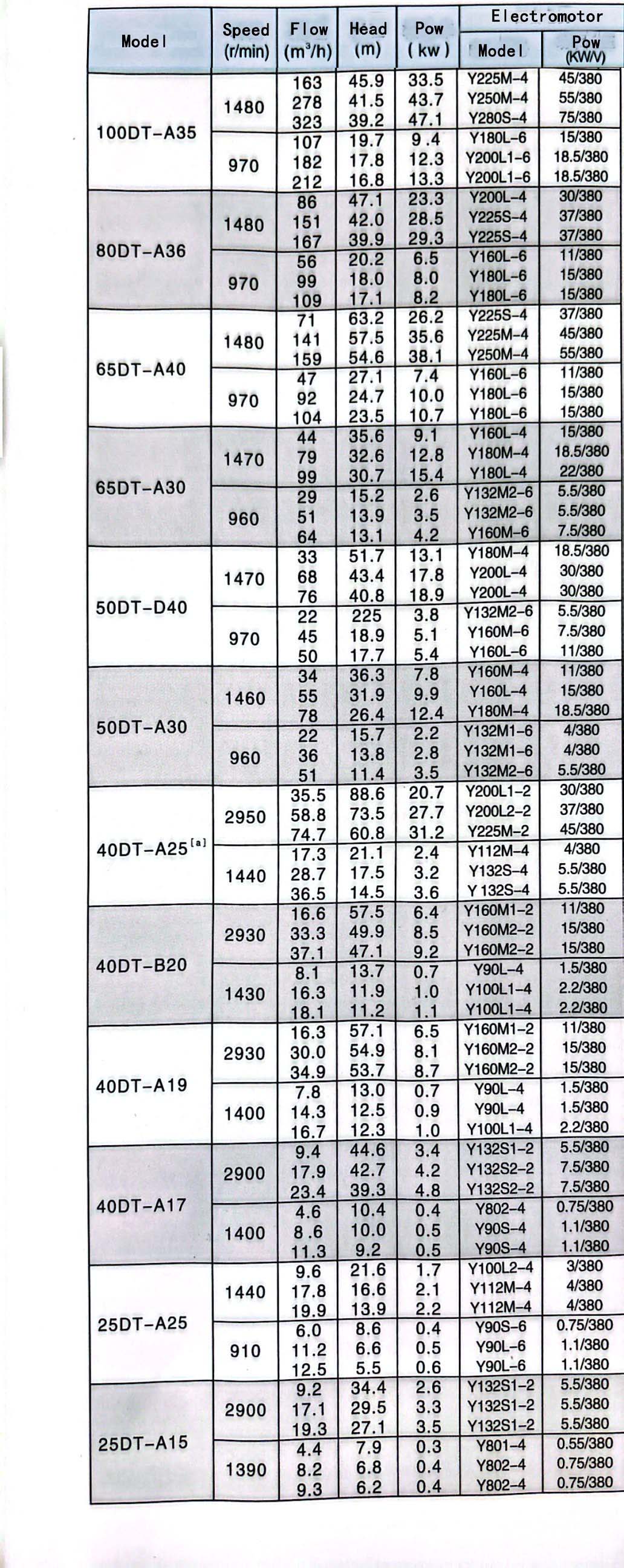
The performance of sewage tank and pump systems is governed by principles of fluid mechanics, hydraulics, and materials science. Force analysis involves considering hydrostatic pressure on tank walls, dynamic loads from fluid flow, and structural loads from soil overburden. Environmental resistance is crucial; tanks must withstand soil movement, groundwater pressure, and temperature fluctuations. Pump performance is characterized by head-capacity curves, efficiency curves, and net positive suction head (NPSH) requirements. Proper pump selection necessitates matching the pump curve to the system curve, ensuring adequate flow and pressure without cavitation. Compliance requirements are dictated by local, state, and federal regulations pertaining to wastewater discharge, containment, and environmental protection. These include standards related to tank leak detection, pump station alarm systems, and emergency overflow procedures. Functional implementation often involves incorporating level sensors, flow meters, and programmable logic controllers (PLCs) for automated operation and remote monitoring. The design must account for solids handling capability; pumps must effectively handle rags, grit, and other debris without clogging. Vortex formation within the tank can also contribute to sedimentation and reduced capacity, requiring careful design considerations regarding inlet and outlet configuration. Hydraulic transient analysis is critical to prevent water hammer and potential damage to pipelines and pumps.
Technical Specifications
| Tank Material | Tank Capacity (Gallons) | Pump Type | Maximum Head (Feet) |
|---|---|---|---|
| Concrete | 5,000 | Submersible Centrifugal | 80 |
| Polyethylene | 1,500 | Submersible Non-Clog | 60 |
| Fiberglass | 10,000 | Progressive Cavity | 120 |
| Concrete | 2,000 | Jet Pump | 50 |
| Polyethylene | 750 | Diaphragm Pump | 40 |
| Fiberglass | 15,000 | Submersible Centrifugal (High Efficiency) | 100 |
Failure Mode & Maintenance
Sewage tank and pump systems are susceptible to various failure modes. Concrete tanks can experience cracking due to settlement, seismic activity, or H₂S corrosion, leading to leakage and structural instability. PE tanks can suffer from UV degradation, resulting in embrittlement and failure. FRP tanks may delaminate or experience resin degradation over time. Pump failures include impeller wear, seal failure, motor burnout, and clogging. Fatigue cracking in pump casings or impellers can occur due to cyclical loading. Corrosion is a significant failure mechanism, particularly in metallic components exposed to wastewater. Maintenance procedures include regular tank inspections for cracks and leaks, pump impeller cleaning and replacement, seal replacement, motor lubrication, and PLC programming updates. Preventive maintenance programs are crucial for extending system lifespan and minimizing downtime. Regular monitoring of pump performance parameters, such as flow rate, pressure, and current draw, can detect early signs of failure. Hydrogen sulfide monitoring and control are essential to prevent corrosion in concrete tanks. Proper sludge removal practices are necessary to prevent solids buildup and reduced tank capacity. When performing maintenance, adherence to lockout/tagout procedures is paramount for worker safety.
Industry FAQ
Q: What are the primary factors influencing the selection of a sewage pump for a municipal wastewater lift station?
A: The primary factors are anticipated flow rates (both average and peak), total dynamic head (TDH), solids content, and potential for ragging. Pump selection should consider efficiency at the design flow rate, NPSH requirements to avoid cavitation, and the ability to handle the expected debris without clogging. Variable Frequency Drives (VFDs) are increasingly used to optimize pump performance and energy consumption.
Q: How does hydrogen sulfide (H₂S) corrosion affect concrete sewage tanks and what mitigation strategies are recommended?
A: H₂S corrosion occurs when H₂S gas, produced by anaerobic decomposition of organic matter, reacts with concrete, forming sulfates that cause expansion and cracking. Mitigation strategies include applying protective coatings (epoxy, polyurethane) to the interior of the tank, using corrosion-resistant concrete mixes, and implementing odor control systems to reduce H₂S levels. Regular monitoring of H₂S concentrations is also crucial.
Q: What are the key considerations when specifying a tank material for a highly corrosive industrial wastewater application?
A: For highly corrosive applications, materials like fiberglass reinforced plastic (FRP) or stainless steel are often preferred. The specific chemical composition of the wastewater dictates the optimal material selection. Considerations include resistance to acids, bases, solvents, and chlorides. Polyethylene may be suitable for certain applications, but its chemical compatibility must be verified.
Q: What are the advantages and disadvantages of submersible pumps versus dry-installed pumps in sewage applications?
A: Submersible pumps offer several advantages, including quieter operation, reduced risk of cavitation, and no need for priming. However, they require more frequent maintenance as they are submerged in the wastewater. Dry-installed pumps are easier to maintain, but they require priming and are more susceptible to cavitation. The choice depends on site-specific conditions and maintenance capabilities.
Q: What role do level sensors and control systems play in optimizing the performance of a sewage tank and pump station?
A: Level sensors provide real-time monitoring of tank levels, enabling automated pump control. Control systems, such as PLCs, can start and stop pumps based on level readings, preventing overflows and optimizing energy consumption. Remote monitoring capabilities allow for proactive maintenance and rapid response to alarm conditions. Sophisticated control algorithms can also implement features such as alternating pump operation to distribute wear and tear.
Conclusion
Sewage tank and pump systems represent a complex interplay of material science, engineering principles, and regulatory compliance. The selection and implementation of these systems demand a thorough understanding of wastewater characteristics, hydraulic loading, and long-term operational considerations. Addressing the prevalent industry pain points – corrosion, clogging, and energy efficiency – requires careful material selection, proactive maintenance programs, and the integration of advanced control technologies.
Future advancements in this field will likely focus on developing more durable materials, optimizing pump designs for improved efficiency, and implementing smart technologies for predictive maintenance and remote monitoring. Furthermore, a greater emphasis on sustainable wastewater management practices will drive innovation in resource recovery and energy generation from sewage systems, increasing their overall environmental and economic benefits.
-
Comprehensive Guide to Waterproof ORings for Optimal Sealing Solutions
News2026-06-09
-
heavy duty submersible pump Performance Analysis
News2026-06-25
-
best submersible pump for septic tank Performance Analysis
News2026-06-25
-
basement sewer ejector pump Performance Analysis
News2026-06-25
-
basement pumps ejector pumps Performance Analysis
News2026-06-25
-
basement lift pump Performance and Engineering
News2026-06-25
-
basement bathroom pump systems Performance Analysis
News2026-06-24
-
basement bathroom ejector pump system Performance Engineering
News2026-06-24
-
2 hp sewage pump Performance Engineering
News2026-06-24
-
1 hp septic pump Performance Engineering
News2026-06-24
-
submersible effluent pump Performance Analysis
News2026-06-24
-
submergable pump Material Science
News2026-06-23
-
sewer injection pump Performance Engineering
News2026-06-23
-
Sewer Ejector Pump System Performance Analysis
News2026-06-23
-
septic tank pump for sale Performance Engineering
News2026-06-23




