English
- Afrikaans
- Albanian
- Amharic
- Arabic
- Armenian
- Azerbaijani
- Basque
- Belarusian
- Bengali
- Bosnian
- Bulgarian
- Catalan
- Cebuano
- Corsican
- Croatian
- Czech
- Danish
- Dutch
- English
- Esperanto
- Estonian
- Finnish
- French
- Frisian
- Galician
- Georgian
- German
- Greek
- Gujarati
- Haitian Creole
- hausa
- hawaiian
- Hebrew
- Hindi
- Miao
- Hungarian
- Icelandic
- igbo
- Indonesian
- irish
- Italian
- Japanese
- Javanese
- Kannada
- kazakh
- Khmer
- Rwandese
- Korean
- Kurdish
- Kyrgyz
- Lao
- Latin
- Latvian
- Lithuanian
- Luxembourgish
- Macedonian
- Malgashi
- Malay
- Malayalam
- Maltese
- Maori
- Marathi
- Mongolian
- Myanmar
- Nepali
- Norwegian
- Norwegian
- Occitan
- Pashto
- Persian
- Polish
- Portuguese
- Punjabi
- Romanian
- Russian
- Samoan
- Scottish Gaelic
- Serbian
- Sesotho
- Shona
- Sindhi
- Sinhala
- Slovak
- Slovenian
- Somali
- Spanish
- Sundanese
- Swahili
- Swedish
- Tagalog
- Tajik
- Tamil
- Tatar
- Telugu
- Thai
- Turkish
- Turkmen
- Ukrainian
- Urdu
- Uighur
- Uzbek
- Vietnamese
- Welsh
- Bantu
- Yiddish
- Yoruba
- Zulu

Telephone: +86 13120555503
Email: frank@cypump.com


Apr . 01, 2024 17:55 Back to list
sewage sump pumps Performance and Engineering
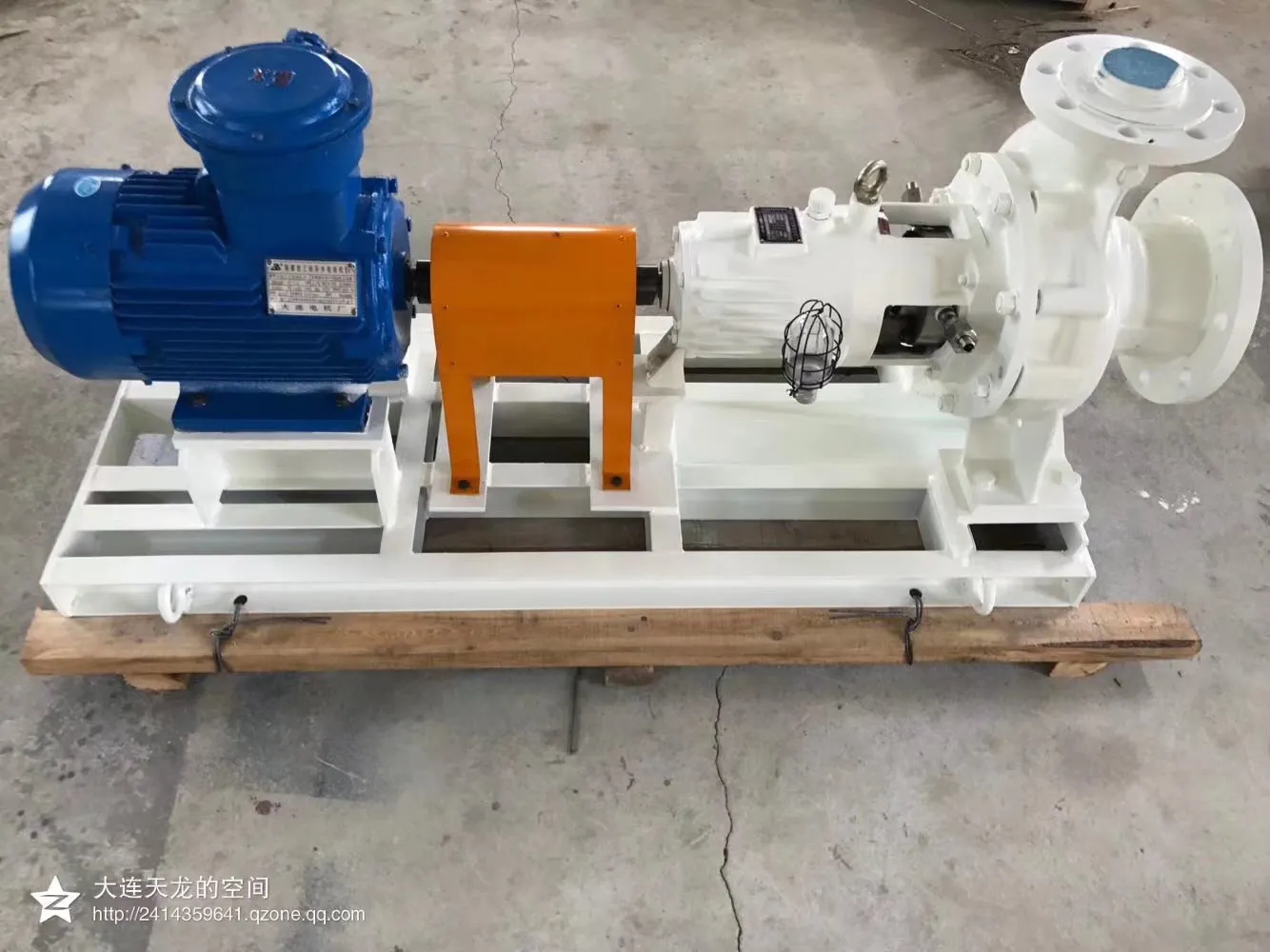
Introduction
Sewage sump pumps are critical components within wastewater management systems, serving to remove effluent and solids from residential, commercial, and industrial settings. Positioned as the first line of defense against backups and flooding, these pumps are designed to transfer wastewater from a collection basin – the sump – to a designated drainage point, typically a municipal sewer line or a septic tank. Their technical position within the broader wastewater treatment chain is pre-treatment, mitigating the risk of system overload and ensuring efficient operation of downstream processes. Core performance characteristics include flow rate (gallons per minute or GPM), head (vertical distance the pump can lift the liquid), solids handling capability (measured in diameter of particles), motor horsepower, and energy efficiency. Understanding these parameters is crucial for appropriate pump selection based on specific application demands and preventing system failures. The industry faces challenges related to abrasive wear, corrosion from aggressive waste streams, and the increasing demand for energy-efficient and reliable operation in often harsh, submerged environments.
Material Science & Manufacturing
The construction of sewage sump pumps relies heavily on materials resistant to corrosion and abrasion. Impellers and volutes are commonly manufactured from cast iron (ASTM A48 Class 30) due to its cost-effectiveness and inherent durability, though stainless steel (304, 316, and duplex grades) is increasingly employed for enhanced corrosion resistance, particularly in aggressive environments. Pump housings are often constructed from high-density polyethylene (HDPE) or polypropylene (PP) offering excellent chemical resistance and impact strength, mitigating galvanic corrosion risks associated with dissimilar metal contact. Shafts are typically manufactured from 4140 alloy steel, heat treated to achieve high tensile strength and wear resistance. Seals are critical components, commonly utilizing silicon carbide mechanical seals against hardened steel for long life and leak prevention. The manufacturing process often begins with casting or molding of the pump housing and impeller. Impellers undergo precision machining to ensure optimal hydraulic performance. The assembly process involves careful alignment of the shaft, impeller, and seals, followed by rigorous testing. Key parameter control during manufacturing includes dimensional accuracy of impeller vanes (ensuring consistent flow characteristics), hardness testing of steel components, and leak testing of the assembled pump. Welding processes, when employed (e.g., for certain stainless steel components), must adhere to AWS D1.1 standards to ensure weld integrity. Proper passivation of stainless steel components is also crucial to maximize corrosion resistance.
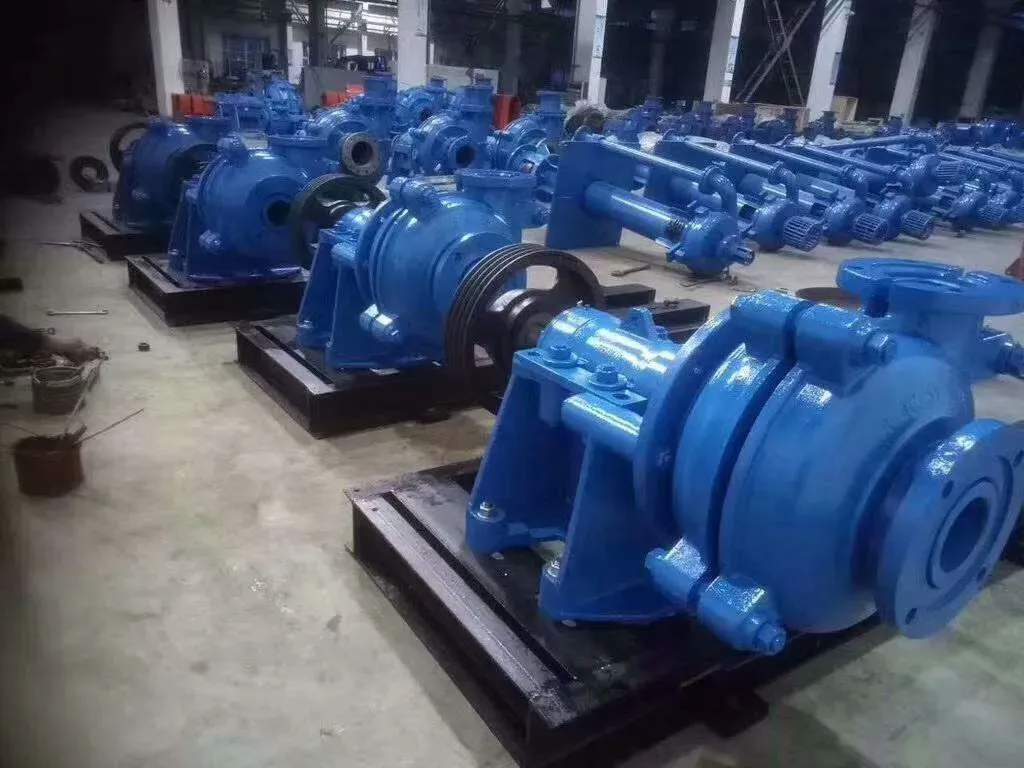
Performance & Engineering
Performance of a sewage sump pump is dictated by hydraulic power and mechanical efficiency. Force analysis centers around the radial and axial loads imposed on the impeller and shaft due to fluid flow. Cavitation, a major concern, occurs when the absolute pressure drops below the vapor pressure of the liquid, forming vapor bubbles that collapse and damage the impeller. Proper Net Positive Suction Head Required (NPSHr) calculations, based on pump geometry and operating conditions, are vital to prevent cavitation. Environmental resistance is crucial; pumps must withstand continuous submersion, fluctuating temperatures, and exposure to corrosive substances. Standards like IEC 60034-1 define the performance and testing procedures for rotating electrical machines, including sump pump motors. Furthermore, electrical safety standards like UL 778 and CSA C22.2 No. 108 detail requirements for the pump’s electrical components and wiring to prevent shock hazards. Compliance with NSF/ANSI 61 ensures that materials in contact with potable water (in some applications) are safe and do not leach harmful substances. Functional implementation involves correctly sizing the pump based on anticipated inflow rates, total dynamic head (TDH) – encompassing static lift, friction losses in piping, and pressure at the discharge point – and the characteristics of the wastewater being pumped. Proper selection and installation of check valves prevent backflow and maintain prime. The pump’s motor needs to be appropriately sized considering both the pump’s power requirements and the electrical supply capacity.
Technical Specifications
| Parameter | Typical Range (Residential) | Typical Range (Commercial) | Typical Range (Industrial) |
|---|---|---|---|
| Flow Rate (GPM) | 25-75 | 75-200 | 200-500+ |
| Total Dynamic Head (ft) | 10-30 | 30-60 | 60-150+ |
| Solids Handling (in) | 1-2 | 2-3 | 3-4+ |
| Motor Horsepower (HP) | 1/3 - 1 | 1-5 | 5-20+ |
| Voltage (V) | 115/230 | 230/460 | 460/575 |
| Impeller Material | Cast Iron/Plastic | Stainless Steel/Cast Iron | Stainless Steel (316/Duplex) |
Failure Mode & Maintenance
Sewage sump pumps are susceptible to several failure modes. Fatigue cracking in the impeller can occur due to cyclical loading and abrasive wear from solids. Delamination of coatings on pump housings can lead to corrosion and structural failure. Shaft failure can result from torsional stress or bearing wear. Seal failure is a common issue, leading to leakage and motor damage. Electrical failures, including motor burnout and wiring problems, are also prevalent. Corrosion, particularly in aggressive environments, is a significant contributor to component degradation. Oxidation of metal parts accelerates wear. Preventive maintenance is crucial. Regular inspection of the impeller for wear and damage is essential. Lubrication of bearings extends their lifespan. Seal replacement should be performed periodically based on operating conditions and manufacturer recommendations. Cleaning the sump basin to remove debris prevents clogging and reduces strain on the pump. Electrical connections should be inspected for corrosion and tightness. Performing routine vibration analysis can detect bearing wear or impeller imbalance before catastrophic failure. Periodically testing the pump's operation and monitoring its discharge rate confirms its continued functionality. Replacement of the pump should be considered when repair costs exceed a significant percentage of the replacement cost or when the pump’s performance has significantly degraded.
Industry FAQ
Q: What is the impact of wastewater composition on sump pump material selection?
A: Wastewater composition is a primary driver of material selection. High concentrations of sulfides or chlorides necessitate the use of corrosion-resistant alloys like stainless steel (316 or duplex) or specialized coatings. Abrasive solids require wear-resistant impeller materials like hardened cast iron or ceramic composites. The pH level of the wastewater also influences corrosion rates and material suitability.
Q: How do I calculate the appropriate pump capacity (GPM) for my application?
A: Pump capacity is determined by the anticipated inflow rate, which depends on factors such as drainage area, rainfall intensity, and the number of fixtures served. You must calculate the peak inflow rate and add a safety factor. Consider the total dynamic head (TDH), which includes static lift, friction losses in the piping, and any discharge pressure requirements.
Q: What are the benefits of using a submersible sump pump versus a pedestal pump?
A: Submersible pumps are generally preferred for sewage applications due to their quieter operation and self-priming capability. They are fully submerged in the wastewater, eliminating the need for priming. Pedestal pumps are located above the sump, requiring a suction lift and are more prone to noise and potential priming issues.
Q: How often should I inspect and maintain the float switch?
A: The float switch is crucial for automatic pump operation. It should be inspected monthly for free movement and proper operation. Clean the float and switch to remove any accumulated debris that could hinder its function. Regularly test the switch by manually activating it to verify that the pump turns on and off as expected.
Q: What are the key considerations for ensuring proper pump venting?
A: Proper venting prevents the formation of air pockets within the pump, which can reduce efficiency and cause damage. Vent lines should be sized appropriately and terminate above the high-water level in the sump. Ensure the vent line is free of obstructions and is protected from the elements. A check valve should be installed in the discharge line to prevent backflow.
Conclusion
Sewage sump pumps represent a vital, yet often overlooked, component of modern wastewater infrastructure. Their effective operation hinges on a complex interplay of material science, engineering principles, and rigorous manufacturing processes. Selecting the appropriate pump requires a thorough understanding of application-specific demands, including flow rate, head requirements, and the characteristics of the wastewater being handled. Addressing potential failure modes through proactive maintenance and adhering to relevant industry standards are critical for ensuring long-term reliability and minimizing operational costs.
Future advancements in sewage sump pump technology will likely focus on enhancing energy efficiency, developing more robust and corrosion-resistant materials, and incorporating smart monitoring systems for predictive maintenance. These improvements will contribute to more sustainable and cost-effective wastewater management practices, safeguarding both public health and the environment.
-
sewer pump for basement Material Science Manufacturing
News2026-05-29
-
sewage sump pumps Performance and Engineering
News2026-05-29
-
sewage pumps for septic tanks Material Science and Manufacturing
News2026-05-29
-
Sewage Pumping Companies Performance Analysis
News2026-05-29
-
Sewage Pump Manufacturers Performance Engineering
News2026-05-29
-
sewage pump for basement Performance and Engineering
News2026-05-28
-
Sewage Pump Companies Performance Analysis
News2026-05-28
-
Sewage Pit and Pump Performance Analysis
News2026-05-28
-
Sewage Lift Pumps Material Science
News2026-05-28
-
Sewage Ejector Tank Material Science and Manufacturing
News2026-05-28
-
sewage effluent pumps Material Science Manufacturing
News2026-05-27
-
septic tank effluent pump Performance Analysis
News2026-05-27
-
Septic Sewer Pump Performance Analysis
News2026-05-27
-
septic sewage pumps Performance Analysis
News2026-05-27
-
septic sewage pump Material Science and Manufacturing
News2026-05-27




