English
- Afrikaans
- Albanian
- Amharic
- Arabic
- Armenian
- Azerbaijani
- Basque
- Belarusian
- Bengali
- Bosnian
- Bulgarian
- Catalan
- Cebuano
- Corsican
- Croatian
- Czech
- Danish
- Dutch
- English
- Esperanto
- Estonian
- Finnish
- French
- Frisian
- Galician
- Georgian
- German
- Greek
- Gujarati
- Haitian Creole
- hausa
- hawaiian
- Hebrew
- Hindi
- Miao
- Hungarian
- Icelandic
- igbo
- Indonesian
- irish
- Italian
- Japanese
- Javanese
- Kannada
- kazakh
- Khmer
- Rwandese
- Korean
- Kurdish
- Kyrgyz
- Lao
- Latin
- Latvian
- Lithuanian
- Luxembourgish
- Macedonian
- Malgashi
- Malay
- Malayalam
- Maltese
- Maori
- Marathi
- Mongolian
- Myanmar
- Nepali
- Norwegian
- Norwegian
- Occitan
- Pashto
- Persian
- Polish
- Portuguese
- Punjabi
- Romanian
- Russian
- Samoan
- Scottish Gaelic
- Serbian
- Sesotho
- Shona
- Sindhi
- Sinhala
- Slovak
- Slovenian
- Somali
- Spanish
- Sundanese
- Swahili
- Swedish
- Tagalog
- Tajik
- Tamil
- Tatar
- Telugu
- Thai
- Turkish
- Turkmen
- Ukrainian
- Urdu
- Uighur
- Uzbek
- Vietnamese
- Welsh
- Bantu
- Yiddish
- Yoruba
- Zulu

Telephone: +86 13120555503
Email: frank@cypump.com


Apr . 01, 2024 17:55 Back to list
sewage sump pump Material Science and Manufacturing
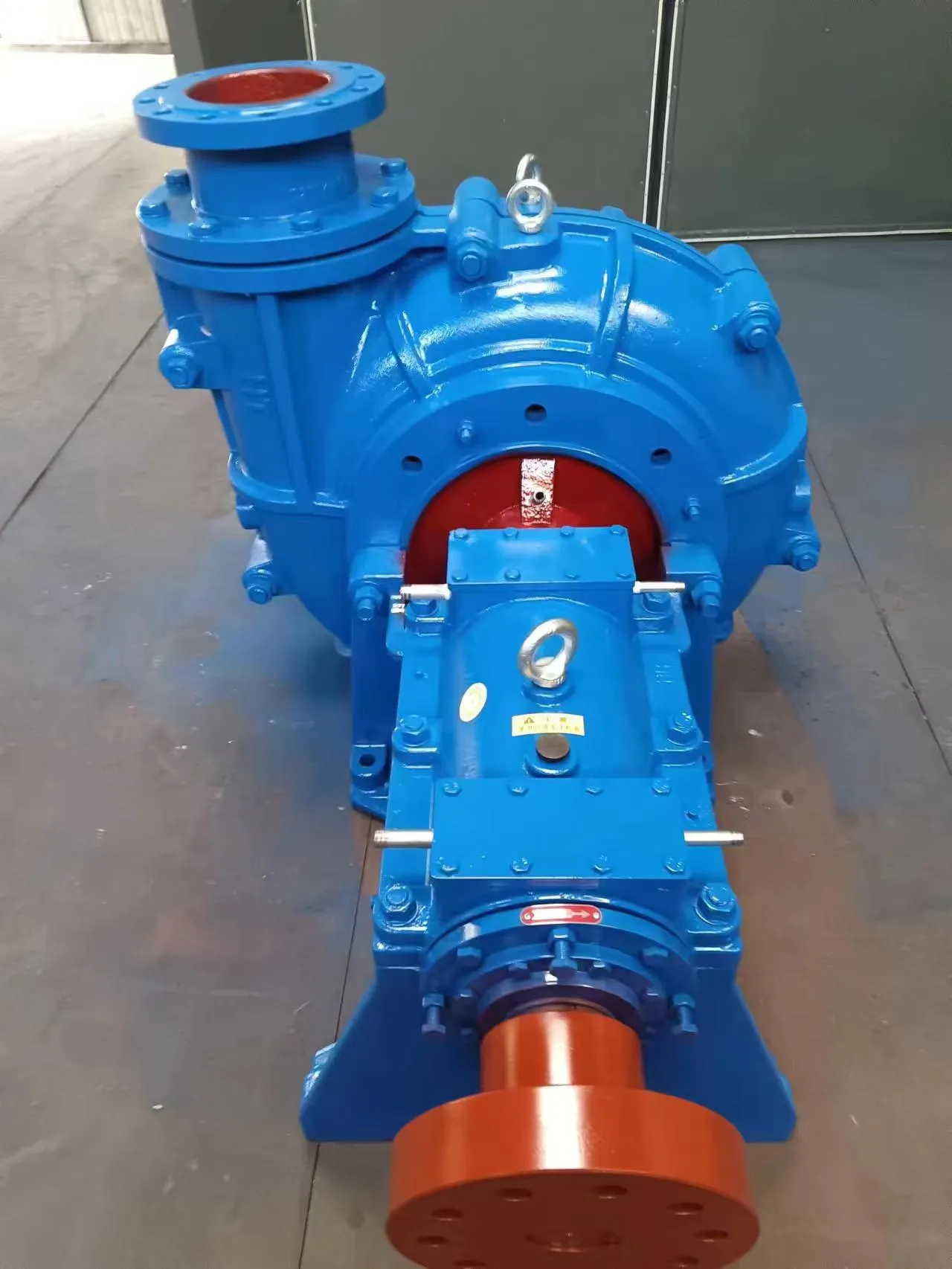
Introduction
Sewage sump pumps are submersible pumps specifically designed to remove effluent and solids from residential, commercial, and industrial wastewater collection systems. Positioned within a sump basin, these pumps serve as a crucial component in preventing backups and flooding, managing groundwater intrusion, and facilitating the disposal of sanitary waste. Unlike clear water pumps, sewage sump pumps are engineered to handle solids, often incorporating shredding or vortex impeller designs to prevent clogging. Core performance characteristics revolve around flow rate (gallons per minute - GPM), head (vertical lift capacity in feet), motor horsepower (HP), and solids handling capability (maximum particle size). The industry faces persistent challenges related to pump longevity in corrosive environments, energy efficiency, and reliable float switch operation to prevent both pump burnout and incomplete discharge. Proper selection and maintenance are paramount to mitigating these issues and ensuring consistent wastewater management.
Material Science & Manufacturing
The construction of sewage sump pumps necessitates a careful selection of materials to withstand the highly corrosive and abrasive nature of wastewater. Pump housings are commonly manufactured from cast iron (ASTM A48 Class 30), offering excellent weight and robustness, but susceptible to corrosion. Increasingly, stainless steel (304 or 316 – ASTM A240) is employed for superior corrosion resistance, particularly in aggressive environments. Impellers can be constructed from hardened cast iron, stainless steel, or engineered polymers like glass-filled polypropylene, chosen based on solids handling requirements and abrasion resistance. Shaft materials typically utilize 4140 alloy steel (ASTM A485) hardened and tempered for high tensile strength and torsional rigidity. Seals are vital; mechanical seals utilizing silicon carbide faces against stainless steel are standard for abrasion resistance and leak prevention, often lubricated by oil-free vortex designs. Manufacturing processes involve sand casting for housings, investment casting or machining for impellers and shafts, and automated assembly lines for final pump construction. Key parameter control during manufacturing focuses on dimensional accuracy of impeller passages, concentricity of the shaft and housing, and precise seal alignment to ensure efficient operation and prevent premature failure. Motor windings are often epoxy-encapsulated for enhanced moisture protection (IEC 60034-18-41 standards are relevant here).
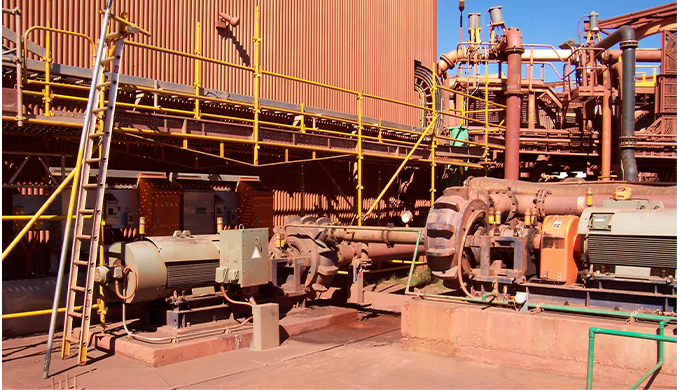
Performance & Engineering
Sewage sump pump performance is fundamentally governed by hydraulic principles and motor characteristics. Force analysis centers on the impeller's ability to impart kinetic energy to the fluid, converting electrical energy into hydraulic head and flow. Cavitation, a major concern, occurs when the absolute pressure at the impeller inlet drops below the vapor pressure of the liquid, forming vapor bubbles that collapse and damage the impeller. Proper Net Positive Suction Head Required (NPSHr) calculations, informed by impeller geometry and fluid temperature, are critical to preventing cavitation. Environmental resistance is a key engineering consideration. The pump must withstand continuous submersion in corrosive wastewater, fluctuating temperatures, and potential impacts from solid debris. Motor protection is paramount; thermal overload protection (IEC 60034-11) safeguards against overheating, while moisture ingress protection (IP68 rating – IEC 60529) ensures reliable operation in submerged environments. Compliance requirements vary by region, often adhering to UL 778 (USA) for safety standards, CSA C22.2 No. 108 (Canada) for motor safety, and CE marking (Europe) demonstrating conformity with relevant directives. Functional implementation involves careful selection of pump curves to match the system head requirements and flow rate demands, considering factors like pipe friction losses and discharge height.
Technical Specifications
| Motor Horsepower (HP) | Maximum Flow Rate (GPM) | Maximum Head (Feet) | Solids Handling Capacity (Inches) |
|---|---|---|---|
| 1/3 HP | 45 | 25 | 2 |
| 1/2 HP | 60 | 35 | 2.5 |
| 3/4 HP | 80 | 45 | 3 |
| 1 HP | 100 | 55 | 3.5 |
| 1.5 HP | 120 | 65 | 4 |
| 2 HP | 150 | 75 | 4.5 |
Failure Mode & Maintenance
Sewage sump pumps are susceptible to several failure modes. Fatigue cracking in the pump housing or impeller can occur due to cyclical loading and corrosion. Delamination of polymer impellers can result from abrasive wear and chemical attack. Degradation of the motor windings from moisture ingress or overheating leads to short circuits and motor failure. Oxidation of metallic components accelerates corrosion. Clogging, a frequent issue, is caused by oversized solids or debris obstructing the impeller. Failure of the float switch, often due to mechanical binding or electrical corrosion, prevents the pump from automatically cycling on and off, leading to either pump burnout (continuous running) or flooding (pump remains off). Preventative maintenance is crucial. This includes regular inspection of the pump for leaks, corrosion, and debris buildup. Periodic cleaning of the sump basin removes accumulated solids. Annual inspection and testing of the float switch ensures proper operation. Lubrication of mechanical seals, if applicable, extends their lifespan. Monitoring motor amperage draws can indicate potential overloading or winding degradation. Complete pump replacement is typically required after 5-10 years of service, depending on usage and environmental conditions.
Industry FAQ
Q: What is the impact of wastewater temperature on pump performance and material selection?
A: Elevated wastewater temperatures decrease the viscosity of the fluid, potentially increasing flow rates but also increasing the risk of cavitation. Higher temperatures also accelerate corrosion rates, necessitating the use of more corrosion-resistant materials like 316 stainless steel or specialized coatings. Furthermore, the temperature limits of the motor windings and seals must be considered to prevent premature failure.
Q: How does the impeller design influence the pump's ability to handle solids?
A: Different impeller designs excel in different solids-handling scenarios. Vortex impellers create a swirling motion that pulls solids into the center of the pump without significantly impacting the impeller blades, making them ideal for stringy or fibrous materials. Shredding impellers incorporate cutting edges to break down solids into smaller particles, reducing the risk of clogging but potentially increasing wear. Open-channel impellers are designed for large solids and high flow rates.
Q: What are the key considerations when selecting a pump for a high-head application?
A: High-head applications require pumps with steeper pump curves and higher motor horsepower. The pump must be able to overcome the static head (vertical lift) and frictional losses in the discharge piping. Cavitation becomes a greater concern at higher heads, requiring careful NPSHr calculations. Consideration should be given to using multiple pumps in series to achieve the required head.
Q: What are the advantages and disadvantages of submersible versus externally mounted sewage pumps?
A: Submersible pumps are quieter, self-priming, and require less space. They are also less susceptible to flooding. However, maintenance is more complex as the pump must be removed from the sump. Externally mounted pumps are easier to access for maintenance but require priming and are more vulnerable to flooding. They also generally have lower solids handling capabilities.
Q: What role does variable frequency drive (VFD) technology play in optimizing sump pump operation?
A: VFDs allow for precise control of the pump motor speed, enabling optimized flow rates to match varying wastewater levels. This reduces energy consumption, minimizes pump wear, and extends pump life. VFDs also provide soft-starting capabilities, reducing stress on the pump and electrical system.
Conclusion
Sewage sump pump selection and maintenance represent a critical aspect of wastewater management infrastructure. The optimal pump configuration is determined by a confluence of factors: flow rate requirements, total dynamic head, solids content of the wastewater, and environmental conditions. Material science advancements continue to drive the development of more corrosion-resistant and durable pumps, extending service life and reducing operational costs.
Future trends point toward increased integration of smart technologies, including remote monitoring, predictive maintenance algorithms, and automated control systems. These innovations will enhance pump performance, improve system reliability, and minimize environmental impact. Adherence to established industry standards and best practices for installation and maintenance remains paramount to ensuring the long-term integrity and efficiency of sewage sump pump systems.
-
Comprehensive Guide to Waterproof ORings for Optimal Sealing Solutions
News2026-06-09
-
septic system sump pump Performance Analysis
News2026-06-26
-
septic pump company Performance Analysis
News2026-06-26
-
pumps water treatment Performance Analysis
News2026-06-26
-
pumps for septic tanks Material Science and Manufacturing
News2026-06-26
-
pump for septic system Material Science Manufacturing
News2026-06-26
-
heavy duty submersible pump Performance Analysis
News2026-06-25
-
best submersible pump for septic tank Performance Analysis
News2026-06-25
-
basement sewer ejector pump Performance Analysis
News2026-06-25
-
basement pumps ejector pumps Performance Analysis
News2026-06-25
-
basement lift pump Performance and Engineering
News2026-06-25
-
basement bathroom pump systems Performance Analysis
News2026-06-24
-
basement bathroom ejector pump system Performance Engineering
News2026-06-24
-
2 hp sewage pump Performance Engineering
News2026-06-24
-
1 hp septic pump Performance Engineering
News2026-06-24




