English
- Afrikaans
- Albanian
- Amharic
- Arabic
- Armenian
- Azerbaijani
- Basque
- Belarusian
- Bengali
- Bosnian
- Bulgarian
- Catalan
- Cebuano
- Corsican
- Croatian
- Czech
- Danish
- Dutch
- English
- Esperanto
- Estonian
- Finnish
- French
- Frisian
- Galician
- Georgian
- German
- Greek
- Gujarati
- Haitian Creole
- hausa
- hawaiian
- Hebrew
- Hindi
- Miao
- Hungarian
- Icelandic
- igbo
- Indonesian
- irish
- Italian
- Japanese
- Javanese
- Kannada
- kazakh
- Khmer
- Rwandese
- Korean
- Kurdish
- Kyrgyz
- Lao
- Latin
- Latvian
- Lithuanian
- Luxembourgish
- Macedonian
- Malgashi
- Malay
- Malayalam
- Maltese
- Maori
- Marathi
- Mongolian
- Myanmar
- Nepali
- Norwegian
- Norwegian
- Occitan
- Pashto
- Persian
- Polish
- Portuguese
- Punjabi
- Romanian
- Russian
- Samoan
- Scottish Gaelic
- Serbian
- Sesotho
- Shona
- Sindhi
- Sinhala
- Slovak
- Slovenian
- Somali
- Spanish
- Sundanese
- Swahili
- Swedish
- Tagalog
- Tajik
- Tamil
- Tatar
- Telugu
- Thai
- Turkish
- Turkmen
- Ukrainian
- Urdu
- Uighur
- Uzbek
- Vietnamese
- Welsh
- Bantu
- Yiddish
- Yoruba
- Zulu

Telephone: +86 13120555503
Email: frank@cypump.com


Apr . 01, 2024 17:55 Back to list
sewage submersible pumps Material Science Manufacturing
Introduction
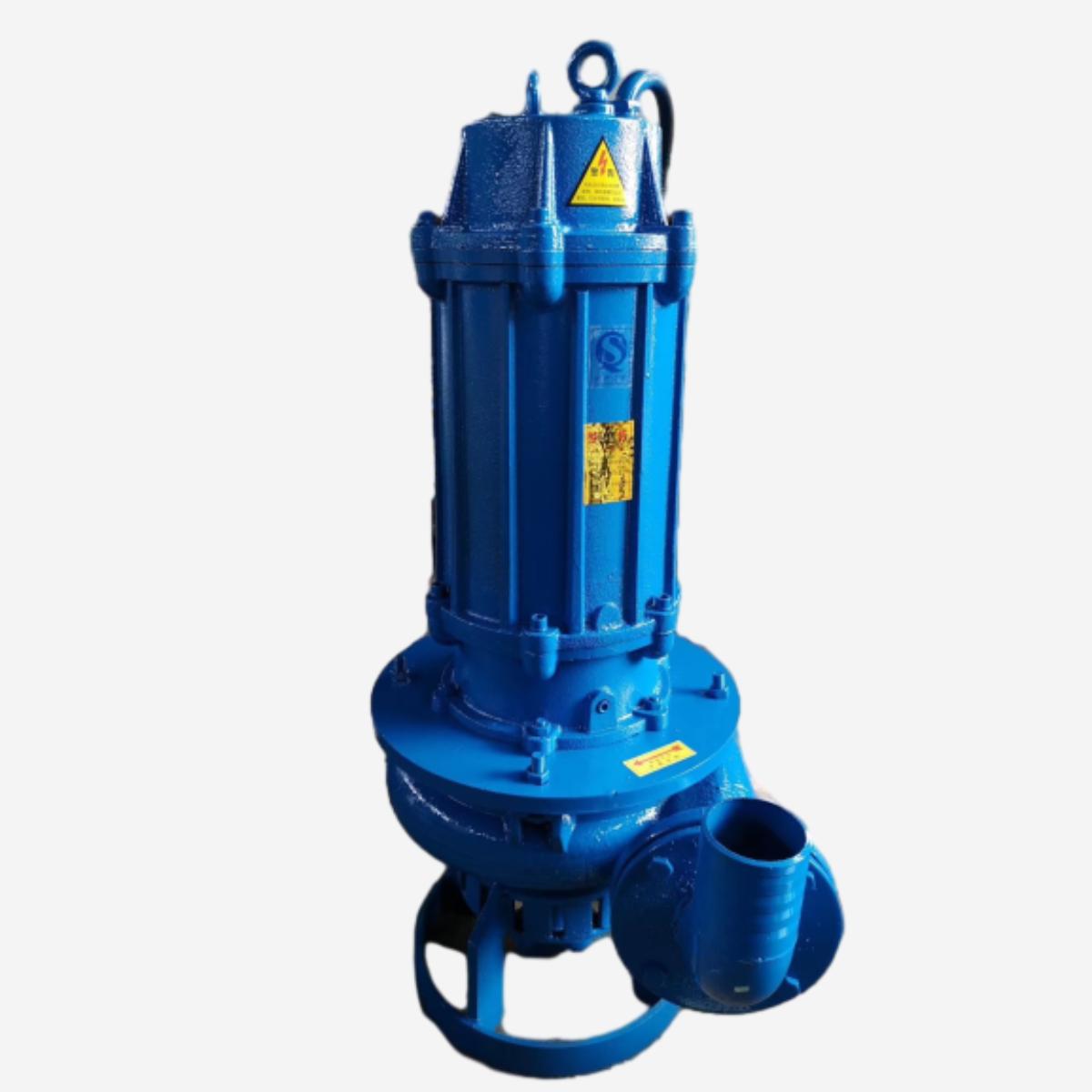
Sewage submersible pumps are centrifugal pumps specifically designed for efficient and reliable fluid transfer within wastewater treatment facilities, municipal sewage systems, and industrial effluent management. Positioned as a crucial component in the broader wastewater handling infrastructure, these pumps are distinguished by their hermetically sealed motor and pump casing, allowing for complete submersion in the fluid being processed. Unlike surface-mounted pumps, submersible designs eliminate the need for priming and reduce noise pollution. Core performance characteristics revolve around hydraulic efficiency, solids handling capability, abrasion resistance, and long-term operational reliability in corrosive environments. The increasing demand for robust and energy-efficient wastewater treatment solutions drives continuous innovation in submersible pump technology, focusing on improved hydraulic design, advanced materials, and intelligent control systems.
Material Science & Manufacturing
The construction of sewage submersible pumps relies on a carefully selected suite of materials to withstand the aggressive conditions inherent in wastewater applications. Pump casings are typically manufactured from cast iron (ASTM A48 Class 30 or equivalent), ductile iron (ASTM A536-89 65-45-12), or stainless steel (304, 316, or duplex stainless steel) depending on the corrosive properties of the handled fluid. The impeller, critical for hydraulic performance, is frequently constructed from high-chrome cast iron or stainless steel to maximize abrasion resistance against solids. Pump shafts utilize alloy steel (4140 or similar) and are hardened to provide tensile strength and resistance to torsional stress. Seals are typically comprised of silicon carbide (SiC) faces against SiC or tungsten carbide (WC) mating rings, providing robust sealing in abrasive and chemically active fluids. Manufacturing processes involve several key stages: casting or forging of the casing, machining of the impeller and shaft, precise assembly of mechanical seals, and finally, the encapsulation of the motor within a watertight housing. Welding processes, when employed, adhere to AWS D1.1 standards. Critical parameters include impeller balancing to minimize vibration, dimensional accuracy of components to ensure tight tolerances, and meticulous quality control throughout the assembly process. The choice of elastomer materials for O-rings and gaskets (typically nitrile rubber or Viton) is dictated by chemical compatibility with the wastewater composition.
Performance & Engineering
The performance of sewage submersible pumps is fundamentally governed by hydraulic principles and motor characteristics. Force analysis centers around the impeller’s ability to impart kinetic energy to the fluid, requiring careful consideration of blade geometry, rotational speed, and fluid viscosity. Environmental resistance is paramount, necessitating robust motor insulation (typically Class H or F) to withstand high humidity and potential electrical shorts. Compliance requirements are stringent, with pumps needing to meet standards set by organizations like the Hydraulic Institute and local regulatory bodies regarding efficiency, noise levels, and discharge limits. Functional implementation involves designing the pump for specific head (pressure) and flow rate requirements determined by the system’s characteristics. Cavitation, a significant concern, is mitigated through proper impeller design and maintaining sufficient Net Positive Suction Head Available (NPSHa). Pump curves, representing the relationship between head, flow rate, and efficiency, are crucial for system design and pump selection. Furthermore, the pump’s ability to handle solids without clogging is dependent on impeller design (e.g., vortex or recessed impeller designs) and the incorporation of protective screens or shredders. The motor’s starting torque must be sufficient to overcome static friction and initiate fluid flow, particularly in large diameter pipes.
Technical Specifications
| Power Output (kW) | Maximum Head (m) | Maximum Flow Rate (m³/h) | Solids Handling Capacity (mm) |
|---|---|---|---|
| 0.75 | 15 | 10 | 25 |
| 1.5 | 25 | 20 | 50 |
| 3.0 | 35 | 40 | 75 |
| 5.5 | 45 | 60 | 100 |
| 7.5 | 55 | 80 | 125 |
| 11.0 | 65 | 100 | 150 |
Failure Mode & Maintenance
Sewage submersible pumps are subject to several potential failure modes. Fatigue cracking in the pump casing or impeller can occur due to cyclic stress, particularly in aggressive environments. Delamination of coatings on the impeller or casing reduces abrasion resistance and accelerates corrosion. Degradation of elastomer seals leads to leakage and loss of pump efficiency. Oxidation and corrosion of metallic components compromise structural integrity. Bearing failure, resulting from inadequate lubrication or contamination, is a common cause of motor malfunction. Winding insulation breakdown within the motor leads to short circuits and complete pump failure. Preventive maintenance is crucial. This includes regular inspection of seals and bearings, lubrication according to manufacturer’s specifications, monitoring of motor current and voltage, and periodic cleaning to remove debris accumulation. Vibration analysis can detect early signs of bearing wear or impeller imbalance. Scheduled replacement of worn components, such as seals and impellers, minimizes downtime. Post-failure analysis should identify the root cause of failure to prevent recurrence. For example, if corrosion is identified as the primary cause, consideration should be given to upgrading to a more corrosion-resistant material or implementing corrosion inhibitors in the wastewater system.
Industry FAQ
Q: What is the impact of wastewater composition on pump material selection?
A: Wastewater composition significantly influences material selection. High concentrations of hydrogen sulfide (H2S) require stainless steel alloys with superior corrosion resistance (e.g., duplex stainless steel). Abrasive solids necessitate hard-faced impellers (high-chrome cast iron). The presence of specific chemicals may dictate the use of elastomers with compatible chemical resistance.
Q: How do you mitigate the risk of pump clogging in systems with high solids content?
A: Clogging risk is mitigated by selecting pumps with appropriate impeller designs (vortex or recessed impellers) and incorporating inlet screens or shredders to reduce the size of solids. Proper system design, including adequate pipe sizing and minimizing bends, also helps to prevent solids accumulation.
Q: What are the key considerations for motor selection in submersible pump applications?
A: Motor selection requires careful consideration of power requirements, voltage, frequency, and insulation class. Motors must be designed for continuous submerged operation and capable of withstanding the thermal effects of heat dissipation in water. Starting torque must be sufficient to overcome static friction.
Q: What is NPSH and why is it important for submersible pump performance?
A: NPSH (Net Positive Suction Head) is the absolute pressure at the pump suction, minus the vapor pressure of the liquid. Maintaining sufficient NPSHa (Available) is crucial to prevent cavitation, which can damage the impeller and reduce pump efficiency. Insufficient NPSHa leads to vapor bubble formation and subsequent implosion, causing noise and erosion.
Q: What are the advantages of using variable frequency drives (VFDs) with submersible pumps?
A: VFDs allow for precise control of pump speed, enabling energy savings by matching flow rate to demand. They also reduce mechanical stress on the pump and piping system by minimizing water hammer effects. VFDs can improve system efficiency and extend pump life.
Conclusion
Sewage submersible pumps represent a critical technology for modern wastewater management, demanding careful consideration of material science, manufacturing processes, and engineering principles. Their performance relies heavily on a confluence of factors, including hydraulic efficiency, solids handling capability, and resistance to corrosive environments. Ongoing advancements in motor technology, impeller design, and control systems continue to improve the reliability, efficiency, and longevity of these pumps.
Proper maintenance, including regular inspection and scheduled component replacement, is vital for maximizing uptime and minimizing life-cycle costs. Understanding the potential failure modes and implementing appropriate preventative measures are essential for ensuring the consistent and reliable operation of these critical components within wastewater treatment infrastructure.
-
sewage submersible pumps Material Science Manufacturing
News2026-05-16
-
sewage pump for basement toilet Performance Engineering
News2026-05-16
-
Sewage Ejector Pump Systems Performance Analysis
News2026-05-16
-
sewage effluent pump Material Science and Manufacturing
News2026-05-16
-
effluent pumps for septic tanks Material Science Manufacturing
News2026-05-16
-
Sewer Line Pump Material Science and Manufacturing
News2026-05-15
-
best sewage pump Performance Analysis
News2026-05-15
-
sewage pump for basement bathroom Performance and Engineering
News2026-05-15
-
submersible sewer pump Material Science and Manufacturing
News2026-05-15
-
septic tank sump pump Performance Analysis
News2026-05-15
-
effluent pump Performance and Engineering
News2026-05-14
-
basement waste pump Performance Analysis
News2026-05-14
-
sewage water pump Material Science and Manufacturing
News2026-05-14
-
Sewage Transfer Pump Performance Analysis
News2026-05-14
-
sewage submersible pump Performance Analysis
News2026-05-14




