English
- Afrikaans
- Albanian
- Amharic
- Arabic
- Armenian
- Azerbaijani
- Basque
- Belarusian
- Bengali
- Bosnian
- Bulgarian
- Catalan
- Cebuano
- Corsican
- Croatian
- Czech
- Danish
- Dutch
- English
- Esperanto
- Estonian
- Finnish
- French
- Frisian
- Galician
- Georgian
- German
- Greek
- Gujarati
- Haitian Creole
- hausa
- hawaiian
- Hebrew
- Hindi
- Miao
- Hungarian
- Icelandic
- igbo
- Indonesian
- irish
- Italian
- Japanese
- Javanese
- Kannada
- kazakh
- Khmer
- Rwandese
- Korean
- Kurdish
- Kyrgyz
- Lao
- Latin
- Latvian
- Lithuanian
- Luxembourgish
- Macedonian
- Malgashi
- Malay
- Malayalam
- Maltese
- Maori
- Marathi
- Mongolian
- Myanmar
- Nepali
- Norwegian
- Norwegian
- Occitan
- Pashto
- Persian
- Polish
- Portuguese
- Punjabi
- Romanian
- Russian
- Samoan
- Scottish Gaelic
- Serbian
- Sesotho
- Shona
- Sindhi
- Sinhala
- Slovak
- Slovenian
- Somali
- Spanish
- Sundanese
- Swahili
- Swedish
- Tagalog
- Tajik
- Tamil
- Tatar
- Telugu
- Thai
- Turkish
- Turkmen
- Ukrainian
- Urdu
- Uighur
- Uzbek
- Vietnamese
- Welsh
- Bantu
- Yiddish
- Yoruba
- Zulu

Telephone: +86 13120555503
Email: frank@cypump.com


Apr . 01, 2024 17:55 Back to list
sewage submersible pump Performance Analysis
Introduction
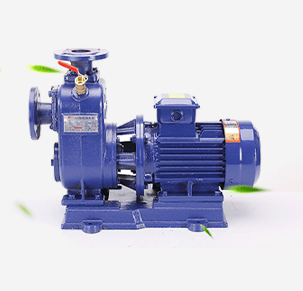
Sewage submersible pumps are centrifugal pumps specifically designed for efficient and reliable removal of wastewater, sewage, and sludge. Positioned within the wastewater treatment chain, these pumps facilitate the transfer of effluent from collection points to treatment facilities, and subsequently, the discharge of treated water. Their core performance characteristics – flow rate, head (lift), and solids handling capacity – are paramount to the effective operation of municipal and industrial wastewater systems. The industry faces recurring challenges regarding pump longevity in abrasive environments, energy consumption, and increasingly stringent environmental regulations pertaining to discharge quality. This guide provides an in-depth technical overview of sewage submersible pumps, encompassing material science, manufacturing processes, performance parameters, failure analysis, and relevant industry standards.
Material Science & Manufacturing
The construction of sewage submersible pumps demands materials resistant to corrosive fluids and abrasive solids. Pump casings are commonly manufactured from cast iron (ASTM A48 Class 30) due to its cost-effectiveness and reasonable durability. However, for highly corrosive environments, stainless steel (316L, ASTM A743 Grade CF-8M) or duplex stainless steel (ASTM A938 Grade DP3) are employed, offering significantly enhanced resistance to chloride-induced pitting and crevice corrosion. Impellers, responsible for imparting kinetic energy to the fluid, are often constructed from high-chrome cast iron (ASTM A532 Grade 1A) or hardened stainless steel to withstand abrasive wear from suspended solids like sand and grit. Shafts are typically made of 4140 alloy steel (ASTM A29), heat-treated for high tensile strength and torsional resistance. Seals are critical, commonly utilizing silicon carbide mechanical seals (against ceramic) due to their superior hardness and chemical inertness compared to traditional carbon seals. Manufacturing processes include sand casting for casings and impellers, precision machining for shafts and impellers, and investment casting for complex impeller geometries. Welding procedures (AWS D1.1) for joining components must adhere to stringent quality control measures, including non-destructive testing (NDT) such as radiographic inspection and liquid penetrant examination to ensure weld integrity. The elastomer components (e.g., seals, O-rings) typically consist of Nitrile rubber (NBR) or Viton (FKM), chosen based on fluid compatibility and temperature range.
Performance & Engineering
Pump performance is dictated by a complex interplay of hydraulic principles and mechanical engineering considerations. The pump's characteristic curve, plotting head versus flow rate, is fundamental to system design. Net Positive Suction Head Required (NPSHr) must be meticulously calculated to prevent cavitation, a phenomenon where vapor bubbles form and collapse, causing impeller damage and noise. Hydraulic analysis, utilizing Computational Fluid Dynamics (CFD), is routinely employed to optimize impeller geometry for maximum efficiency and minimize energy losses. The motor selection is crucial, with submersible motors generally designed for continuous submersion and utilizing squirrel-cage induction motors. Motor cooling is achieved through oil-filled compartments, ensuring efficient heat dissipation. Force analysis, including torsional and bending stresses on the shaft, is performed to determine appropriate shaft diameter and bearing selection. Environmental resistance is addressed through robust sealing systems to prevent water ingress and corrosion protection measures, including coatings (epoxy or polyurethane) and cathodic protection. Compliance with standards like ISO 9906 dictates pump efficiency testing and performance criteria. Solids handling capability is a primary performance metric, determined by the impeller design and the pump's ability to pass solids without clogging. Pump selection must account for the specific gravity and viscosity of the wastewater being handled, impacting pump head and power requirements.
Technical Specifications
| Parameter | Unit | Typical Value (Range) | Testing Standard |
|---|---|---|---|
| Flow Rate | m³/h | 5 - 500 | ISO 9906:2016 |
| Total Dynamic Head | m | 5 - 60 | ISO 9906:2016 |
| Motor Power | kW | 0.75 - 150 | IEC 60034 |
| Solids Handling Capacity | mm | Up to 75 | Manufacturer Specification |
| Maximum Submergence Depth | m | Up to 20 | Manufacturer Specification |
| Operating Temperature | °C | 0 - 40 | Manufacturer Specification |
Failure Mode & Maintenance
Sewage submersible pumps are susceptible to several failure modes. Impeller wear, caused by abrasive solids, is a common issue, leading to reduced pump performance and increased energy consumption. Fatigue cracking in the shaft, due to cyclical loading, can result in catastrophic failure. Seal failure, allowing water ingress into the motor, is a frequent occurrence, particularly in harsh environments. Bearing failure, stemming from inadequate lubrication or contamination, can cause noise and eventual pump seizure. Winding insulation breakdown in the motor, due to prolonged submersion and temperature cycling, leads to short circuits and motor burnout. Corrosion of pump components, particularly in aggressive wastewater, compromises structural integrity. Preventative maintenance is crucial. Regular inspection of seals and bearings, oil analysis to detect contamination, and impeller wear assessment are essential. Periodic cleaning of the pump intake to remove debris prevents clogging and reduces strain on the motor. Motor winding insulation resistance testing identifies potential insulation degradation. For impeller wear, ceramic coatings or hardened impeller replacements can extend component life. When replacing seals, ensuring proper lubrication during installation is paramount. Routine vibration analysis can detect early signs of bearing failure.
Industry FAQ
Q: What is the optimal impeller material for a sewage pump handling highly abrasive sludge?
A: For highly abrasive sludge, a high-chrome cast iron impeller (ASTM A532 Grade 1A) is generally the most cost-effective solution. The chrome content increases wear resistance significantly. However, for extremely abrasive applications, hardened stainless steel impellers, while more expensive, offer superior longevity. Consider also employing ceramic coatings on the impeller vanes for enhanced abrasion protection.
Q: How does water quality (pH, chloride content) impact pump material selection?
A: Low pH (acidic conditions) accelerate corrosion of cast iron and carbon steel components. High chloride content promotes pitting and crevice corrosion in stainless steels. For acidic or highly chloride-laden wastewater, duplex stainless steel (ASTM A938) or high-alloy stainless steels (316L) are recommended due to their superior corrosion resistance. Regular monitoring of wastewater chemistry is crucial for informed material selection.
Q: What are the key considerations when specifying a submersible motor for sewage applications?
A: The motor must be specifically designed for continuous submersion, typically utilizing a squirrel-cage induction motor encapsulated within an oil-filled compartment for cooling and insulation. Consider the motor's efficiency class (IE3 or higher for energy savings), thermal overload protection, and the type of cable entry seal to prevent water ingress. Ensure the motor is appropriately sized for the pump's power requirements, accounting for potential fluctuations in wastewater levels.
Q: How can cavitation be prevented in sewage submersible pumps?
A: Cavitation occurs when the absolute pressure at the pump inlet drops below the vapor pressure of the liquid. Ensure adequate Net Positive Suction Head Available (NPSHa) exceeds the pump's NPSHr. Minimize suction lift, avoid restrictions in the suction piping, and maintain a consistent liquid level in the wet well. Regular inspection of the impeller for damage caused by cavitation is also recommended.
Q: What are the advantages of using variable frequency drives (VFDs) with sewage submersible pumps?
A: VFDs allow for precise control of pump speed, matching flow rate to demand and reducing energy consumption. They also minimize hydraulic shock (water hammer) during pump start-up and shut-down, extending pump life. VFDs can also provide soft starting, reducing stress on the motor and electrical grid.
Conclusion
Sewage submersible pumps are critical components of wastewater infrastructure, demanding careful consideration of material science, engineering principles, and operational factors. Selecting the appropriate pump necessitates a thorough understanding of the wastewater characteristics, system head requirements, and anticipated solids loading. Employing robust materials, adhering to rigorous manufacturing standards, and implementing a comprehensive preventative maintenance program are essential for maximizing pump reliability and minimizing lifecycle costs.
Looking ahead, advancements in pump design, such as the integration of intelligent sensors and predictive maintenance algorithms, will further enhance the performance and efficiency of sewage submersible pumps. The development of more abrasion-resistant materials and innovative sealing technologies will address the persistent challenges of pump longevity in harsh operating environments. Continued adherence to evolving environmental regulations will drive the demand for energy-efficient and environmentally responsible pump solutions.
-
Comprehensive Guide to Waterproof ORings for Optimal Sealing Solutions
News2026-06-09
-
septic system sump pump Performance Analysis
News2026-06-26
-
septic pump company Performance Analysis
News2026-06-26
-
pumps water treatment Performance Analysis
News2026-06-26
-
pumps for septic tanks Material Science and Manufacturing
News2026-06-26
-
pump for septic system Material Science Manufacturing
News2026-06-26
-
heavy duty submersible pump Performance Analysis
News2026-06-25
-
best submersible pump for septic tank Performance Analysis
News2026-06-25
-
basement sewer ejector pump Performance Analysis
News2026-06-25
-
basement pumps ejector pumps Performance Analysis
News2026-06-25
-
basement lift pump Performance and Engineering
News2026-06-25
-
basement bathroom pump systems Performance Analysis
News2026-06-24
-
basement bathroom ejector pump system Performance Engineering
News2026-06-24
-
2 hp sewage pump Performance Engineering
News2026-06-24
-
1 hp septic pump Performance Engineering
News2026-06-24




