English
- Afrikaans
- Albanian
- Amharic
- Arabic
- Armenian
- Azerbaijani
- Basque
- Belarusian
- Bengali
- Bosnian
- Bulgarian
- Catalan
- Cebuano
- Corsican
- Croatian
- Czech
- Danish
- Dutch
- English
- Esperanto
- Estonian
- Finnish
- French
- Frisian
- Galician
- Georgian
- German
- Greek
- Gujarati
- Haitian Creole
- hausa
- hawaiian
- Hebrew
- Hindi
- Miao
- Hungarian
- Icelandic
- igbo
- Indonesian
- irish
- Italian
- Japanese
- Javanese
- Kannada
- kazakh
- Khmer
- Rwandese
- Korean
- Kurdish
- Kyrgyz
- Lao
- Latin
- Latvian
- Lithuanian
- Luxembourgish
- Macedonian
- Malgashi
- Malay
- Malayalam
- Maltese
- Maori
- Marathi
- Mongolian
- Myanmar
- Nepali
- Norwegian
- Norwegian
- Occitan
- Pashto
- Persian
- Polish
- Portuguese
- Punjabi
- Romanian
- Russian
- Samoan
- Scottish Gaelic
- Serbian
- Sesotho
- Shona
- Sindhi
- Sinhala
- Slovak
- Slovenian
- Somali
- Spanish
- Sundanese
- Swahili
- Swedish
- Tagalog
- Tajik
- Tamil
- Tatar
- Telugu
- Thai
- Turkish
- Turkmen
- Ukrainian
- Urdu
- Uighur
- Uzbek
- Vietnamese
- Welsh
- Bantu
- Yiddish
- Yoruba
- Zulu

Telephone: +86 13120555503
Email: frank@cypump.com


Apr . 01, 2024 17:55 Back to list
Sewage Submersible Pump Installation Performance Analysis
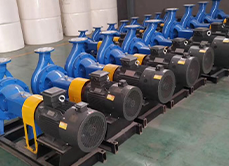
Introduction
Sewage submersible pumps are critical components in wastewater treatment and management systems, designed to efficiently remove effluent and solids from submerged environments. These pumps, characterized by their hermetically sealed motor and impeller assembly, are employed across municipal wastewater treatment plants, industrial facilities, construction sites, and even residential sump applications. Their technical positioning within the wastewater handling chain is paramount – acting as the final lift station component before discharge or further treatment. Core performance indicators revolve around hydraulic efficiency (flow rate versus head), solids handling capacity, motor protection (against overheating and ingress of corrosive materials), and overall reliability, contributing directly to the operational efficiency and environmental compliance of the entire system. A primary industry pain point is premature pump failure due to abrasive solids, corrosive environments, and inadequate sealing mechanisms, leading to costly downtime and maintenance interventions.
Material Science & Manufacturing
The construction of sewage submersible pumps relies on a carefully selected combination of materials designed to withstand harsh operating conditions. Pump housings are typically manufactured from cast iron (ASTM A48 Class 30) offering robustness and cost-effectiveness, or alternatively, stainless steel (304 or 316, per ASTM A240) for enhanced corrosion resistance in highly aggressive environments. Impellers, responsible for imparting kinetic energy to the fluid, are frequently made of high-chrome cast iron (ASTM A532 Type III) or hardened stainless steel, prioritizing wear resistance against abrasive solids. Mechanical seals, a critical component for preventing motor ingress, utilize materials like silicon carbide (SiC) faces against tungsten carbide (WC) counterparts, providing a durable sealing surface. The pump motor enclosure relies heavily on epoxy-coated carbon steel for electrical insulation and corrosion protection. Manufacturing processes involve precision casting, machining, welding (SMAW or GMAW, conforming to AWS D1.1), and epoxy coating application. Quality control focuses on dimensional accuracy of components, weld integrity (NDT inspection via radiography and ultrasonic testing), and the dielectric strength of the motor insulation (high-potential testing as per IEEE 43 standards). Critical parameter control includes maintaining tight tolerances on impeller blade geometry to maximize hydraulic efficiency and ensuring consistent material composition to preserve mechanical properties.
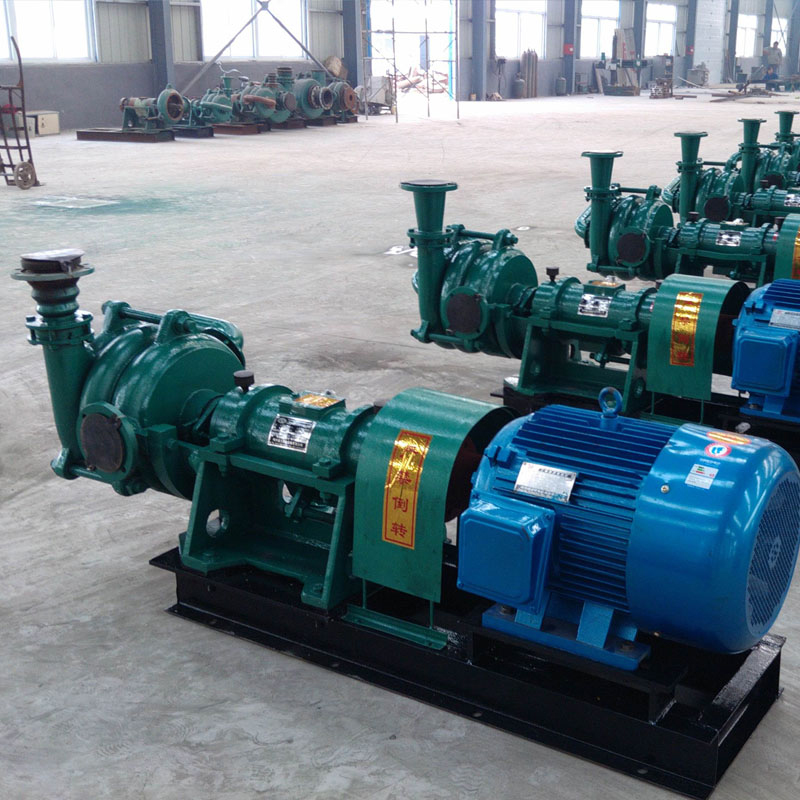
Performance & Engineering
Performance of sewage submersible pumps is dictated by several key engineering principles. Hydraulic design, focused on impeller geometry and volute casing shape, directly impacts head (the height to which the pump can lift the fluid) and flow rate (volume of fluid delivered per unit time). Force analysis considers radial and axial thrust forces generated by the impeller, requiring robust bearing systems (typically deep-groove ball bearings or roller bearings, lubricated with oil or grease conforming to NLGI standards) to ensure long-term operational stability. Environmental resistance is addressed through the selection of corrosion-resistant materials and the implementation of robust sealing systems. Pumps are designed to operate within specified temperature limits (typically up to 40°C or 104°F), and consideration is given to the potential for fluid viscosity changes. Compliance requirements mandate adherence to standards such as ISO 9906 (rotodynamic pumps – hydraulic performance), and in many regions, energy efficiency regulations (e.g., EU’s ErP directive). Functional implementation involves careful consideration of pump sizing to match system demand, appropriate piping configurations to minimize head loss, and the integration of control systems (variable frequency drives – VFDs) for optimized energy consumption and flow control. Pump curves, generated through rigorous testing (ANSI/HI standards), are crucial for selecting the appropriate pump for a given application.
Technical Specifications
| Parameter | Unit | Typical Range (Small Pump) | Typical Range (Large Pump) |
|---|---|---|---|
| Flow Rate | m³/h | 0.5 – 10 | 20 – 200 |
| Total Head | m | 5 – 20 | 30 – 80 |
| Motor Power | kW | 0.75 – 2.2 | 7.5 – 55 |
| Solids Handling | mm | Up to 50 | Up to 100 |
| Maximum Submergence | m | Up to 7 | Up to 20 |
| Impeller Material | - | High-Chrome Cast Iron | Stainless Steel (304/316) |
Failure Mode & Maintenance
Sewage submersible pumps are susceptible to several failure modes. Fatigue cracking in the impeller, induced by cyclic stress from solids impact and fluid turbulence, is common. Delamination of the epoxy coating on the motor housing leads to corrosion and eventual motor failure. Mechanical seal failure, often caused by abrasive particles or chemical attack, results in water ingress and short-circuiting. Bearing failure, attributable to inadequate lubrication, excessive load, or contamination, manifests as increased noise and vibration. Oxidation of electrical connections causes intermittent operation or complete failure. Preventive maintenance is crucial, encompassing regular inspection of the pump for signs of wear or corrosion, lubrication of bearings according to manufacturer recommendations (using appropriate greases as per ASTM D4950), periodic seal replacement, and cleaning of the pump inlet to prevent clogging. Scheduled motor insulation resistance testing (using a megohmmeter, according to IEEE 43) detects degradation of the motor winding insulation. In the event of pump failure, thorough root cause analysis – including inspection of the impeller, seal, bearings, and motor – is essential to prevent recurrence. Proper storage during periods of inactivity, ensuring the pump remains lubricated and protected from corrosion, also extends service life.
Industry FAQ
Q: What is the typical lifespan of a sewage submersible pump in a municipal wastewater treatment plant?
A: The lifespan varies significantly based on operating conditions and maintenance practices. Generally, with diligent maintenance, a well-specified pump can operate reliably for 10-15 years. However, aggressive environments (high H2S concentration, corrosive chemicals) or frequent exposure to large solids can reduce this to 5-8 years. Regular monitoring of pump performance and proactive maintenance are key to maximizing lifespan.
Q: How important is the selection of the correct impeller material for handling abrasive solids?
A: Critically important. High-chrome cast iron impellers offer excellent wear resistance against abrasive solids like sand and grit. However, in exceptionally abrasive environments, hardened stainless steel impellers provide superior durability, albeit at a higher cost. The specific application and the nature of the solids present dictate the optimal impeller material.
Q: What are the key indicators of impending mechanical seal failure?
A: Common indicators include increased pump noise, reduced flow rate, evidence of oil or emulsified fluid near the seal housing, and frequent cycling of the pump’s overload protection. Regular visual inspection of the seal area for leaks and discoloration is also recommended.
Q: What is the role of a pump’s power cable and how can it be protected?
A: The power cable provides electrical energy to the motor and is a vital component. It’s typically a submersible cable specifically designed to withstand continuous immersion in wastewater. Protection involves proper cable support (avoiding strain and abrasion), regular inspection for damage to the insulation, and ensuring the cable entry point is adequately sealed to prevent water ingress. Cable glands conforming to IP68 standards are crucial.
Q: How do VFDs contribute to the overall efficiency and reliability of a sewage pumping system?
A: Variable Frequency Drives (VFDs) allow for precise control of pump speed, matching pump output to actual system demand. This reduces energy consumption, minimizes mechanical stress on the pump, and extends its lifespan. VFDs also offer soft-starting capabilities, reducing peak current draw and preventing water hammer, further enhancing system reliability.
Conclusion
Sewage submersible pump installation and long-term performance are intrinsically linked to a comprehensive understanding of material science, engineering principles, and operational best practices. Successful implementation necessitates careful consideration of fluid characteristics, solids content, and the specific demands of the wastewater handling system. Prioritizing robust materials, meticulous manufacturing processes, and a proactive maintenance strategy directly mitigates the risk of premature failure and ensures reliable operation.
Looking ahead, advancements in pump design will likely focus on enhancing hydraulic efficiency, improving solids handling capabilities, and incorporating smart technologies for remote monitoring and predictive maintenance. Further research into corrosion-resistant materials and improved sealing mechanisms will be crucial for extending pump lifespan in increasingly challenging environments. Adherence to relevant industry standards and a commitment to continuous improvement remain essential for optimizing the performance and sustainability of sewage submersible pump systems.
-
submersible effluent sewage pump Performance Analysis
News2026-05-31
-
stainless steel submersible sewage pumps Performance Engineering
News2026-05-31
-
stainless steel submersible sewage pump Material Science Manufacturing
News2026-05-31
-
Sewage Submersible Pump Installation Performance Analysis
News2026-05-31
-
sewage submersible pump 2hp Performance Analysis
News2026-05-31
-
sewage submersible pump 1hp Performance Analysis
News2026-05-30
-
1 hp sewage submersible pump Performance Analysis
News2026-05-30
-
waste pump for basement bathroom Performance and Engineering
News2026-05-30
-
Sump Pump Drain Field Performance Analysis
News2026-05-30
-
small sewage pump Performance Analysis
News2026-05-30
-
sewer pump for basement Material Science Manufacturing
News2026-05-29
-
sewage sump pumps Performance and Engineering
News2026-05-29
-
sewage pumps for septic tanks Material Science and Manufacturing
News2026-05-29
-
Sewage Pumping Companies Performance Analysis
News2026-05-29
-
Sewage Pump Manufacturers Performance Engineering
News2026-05-29




