English
- Afrikaans
- Albanian
- Amharic
- Arabic
- Armenian
- Azerbaijani
- Basque
- Belarusian
- Bengali
- Bosnian
- Bulgarian
- Catalan
- Cebuano
- Corsican
- Croatian
- Czech
- Danish
- Dutch
- English
- Esperanto
- Estonian
- Finnish
- French
- Frisian
- Galician
- Georgian
- German
- Greek
- Gujarati
- Haitian Creole
- hausa
- hawaiian
- Hebrew
- Hindi
- Miao
- Hungarian
- Icelandic
- igbo
- Indonesian
- irish
- Italian
- Japanese
- Javanese
- Kannada
- kazakh
- Khmer
- Rwandese
- Korean
- Kurdish
- Kyrgyz
- Lao
- Latin
- Latvian
- Lithuanian
- Luxembourgish
- Macedonian
- Malgashi
- Malay
- Malayalam
- Maltese
- Maori
- Marathi
- Mongolian
- Myanmar
- Nepali
- Norwegian
- Norwegian
- Occitan
- Pashto
- Persian
- Polish
- Portuguese
- Punjabi
- Romanian
- Russian
- Samoan
- Scottish Gaelic
- Serbian
- Sesotho
- Shona
- Sindhi
- Sinhala
- Slovak
- Slovenian
- Somali
- Spanish
- Sundanese
- Swahili
- Swedish
- Tagalog
- Tajik
- Tamil
- Tatar
- Telugu
- Thai
- Turkish
- Turkmen
- Ukrainian
- Urdu
- Uighur
- Uzbek
- Vietnamese
- Welsh
- Bantu
- Yiddish
- Yoruba
- Zulu

Telephone: +86 13120555503
Email: frank@cypump.com


Apr . 01, 2024 17:55 Back to list
sewage submersible pump 3hp Performance Analysis
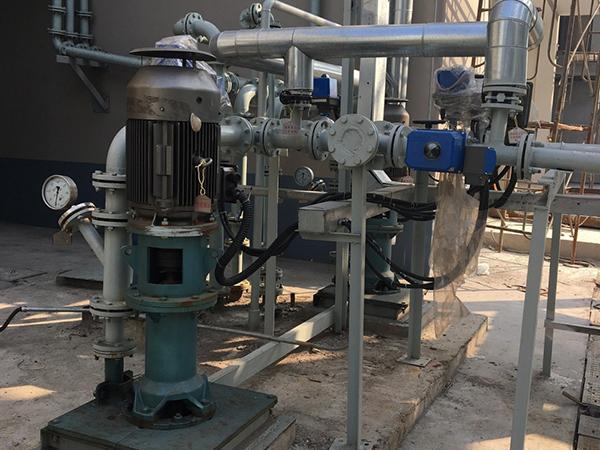
Introduction
The 3hp sewage submersible pump is a critical component in wastewater management systems, designed for the efficient removal of solids-laden fluids. Positioned within the industrial chain as a terminal processing unit, these pumps are utilized in municipal wastewater treatment plants, industrial effluent handling, and commercial building drainage. Its core performance revolves around delivering a consistent flow rate against significant head pressure, while reliably handling abrasive and corrosive materials. Unlike surface-mounted pumps, submersible designs eliminate the need for priming and reduce noise pollution. This guide provides an in-depth examination of the material science, manufacturing processes, performance characteristics, failure modes, and maintenance procedures associated with these essential pieces of infrastructure, addressing the concerns of engineers and procurement professionals involved in specifying and maintaining these systems. The increasing demand for robust and efficient wastewater handling, coupled with tightening environmental regulations, necessitates a thorough understanding of these pumps’ capabilities and limitations.
Material Science & Manufacturing
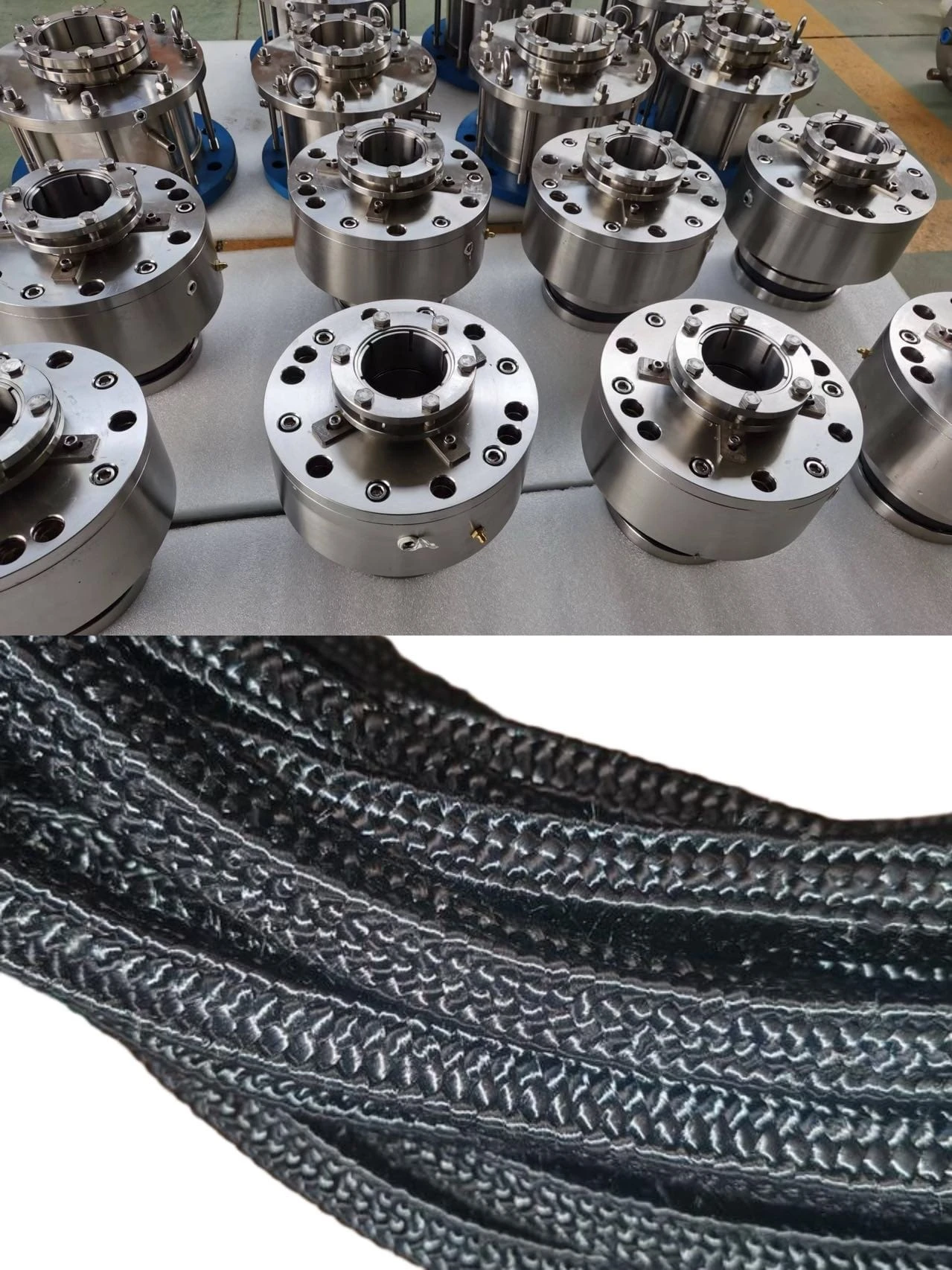
The construction of a 3hp sewage submersible pump necessitates careful material selection to withstand the harsh operating environment. Pump housings are commonly constructed from cast iron (ASTM A48 Class 30) due to its cost-effectiveness, rigidity, and resistance to corrosion, often further enhanced with epoxy or polyurethane coatings. Impellers are frequently manufactured from high-chrome cast iron (ASTM A532 Grade 1A) or stainless steel (304/316) to resist abrasion from solids within the wastewater. Shafts utilize 4140 alloy steel, heat-treated to achieve high tensile strength and torsional resistance. Seals are typically composed of silicon carbide (SiC) or tungsten carbide (WC) mechanical seals, paired with Viton or nitrile elastomers for compatibility with various chemical constituents found in sewage. The motor housing is often aluminum alloy (ADC12) for efficient heat dissipation. Manufacturing processes involve sand casting for the housing, investment casting or machining for the impeller, and CNC machining for the shaft. Key parameter control includes precise impeller balancing to minimize vibration, stringent quality control of casting porosity to prevent structural failure, and accurate seal assembly to ensure leak-proof operation. Weld integrity is critical, specifically in the motor housing, and is verified through non-destructive testing (NDT) such as radiography and ultrasonic inspection. The stator windings are typically vacuum impregnated with epoxy resin for electrical insulation and mechanical stability.
Performance & Engineering
The performance of a 3hp sewage submersible pump is dictated by hydraulic design and motor characteristics. Force analysis considers impeller dynamics, fluid drag, and bearing loads. The pump curve, generated through performance testing, illustrates the relationship between flow rate (typically measured in gallons per minute - GPM) and total dynamic head (TDH) in feet. Environmental resistance is a paramount concern. The pump must withstand immersion in corrosive liquids, varying temperatures, and potential exposure to hydrogen sulfide (H2S) gas. Compliance with industry standards like Hydraulic Institute standards (HI) for pump performance and National Electrical Manufacturers Association (NEMA) standards for motor construction is essential. The pump’s electrical system must adhere to IEC standards for safety and efficiency. Functional implementation often includes integrated float switches for automatic on/off control based on liquid level, and potentially variable frequency drives (VFDs) for optimized energy consumption and flow control. Pump selection hinges on calculating the system’s total dynamic head, factoring in static lift, friction losses in piping, and pressure at the discharge point. Proper impeller design is crucial for maximizing hydraulic efficiency and minimizing wear due to abrasive solids. Careful attention must also be paid to motor cooling, as submerged operation limits convective heat transfer.
Technical Specifications
| Parameter | Specification | Testing Standard | Typical Application Range |
|---|---|---|---|
| Motor Power | 3 HP (2.2 kW) | IEC 60034-1 | Residential/Commercial Sewage Ejection |
| Voltage | 460V, 3-Phase | NEMA MG 1 | Industrial Wastewater Treatment |
| Maximum Flow Rate | 150 GPM (9.5 lps) | HI 1.6 | Large-Scale Drainage Systems |
| Maximum Head | 60 ft (18.3 m) | HI 1.6 | Deep Well Applications |
| Solids Handling Capability | 2 inches (50 mm) | Manufacturer’s Specification | Wastewater Containing Rag and Debris |
| Seal Type | Silicon Carbide Mechanical Seal | ISO 24761 | Abrasive and Corrosive Environments |
Failure Mode & Maintenance
Sewage submersible pumps are susceptible to several failure modes. Fatigue cracking in the impeller or housing can occur due to cyclical loading and stress corrosion. Delamination of the epoxy coating on the housing can expose the cast iron to corrosion. Mechanical seal failure is a common issue, often caused by abrasive particles or chemical attack, leading to leakage and motor damage. Bearing failure can result from inadequate lubrication, contamination, or excessive loading, manifesting as noise and vibration. Motor winding failure can occur due to overheating, insulation breakdown, or voltage surges. Oxidation of electrical connections can also lead to intermittent operation. Preventive maintenance is crucial. Regular inspection of the pump for leaks, abnormal noise, and vibration is recommended. Scheduled lubrication of bearings is essential. Seal replacement should be performed proactively, based on operating hours and fluid characteristics. Monitoring motor current and voltage can detect early signs of winding degradation. Periodic cleaning of the pump intake and impeller prevents clogging and maintains optimal performance. If the pump is exposed to highly corrosive environments, regular coating inspection and repair are necessary. Detailed maintenance logs should be maintained to track repair history and identify recurring issues. Regular testing of the pump’s protective devices (e.g., overload relays) is also recommended.
Industry FAQ
Q: What is the impact of wastewater composition (e.g., pH, solids content) on the pump's lifespan?
A: Wastewater composition significantly impacts pump lifespan. Low pH levels accelerate corrosion of cast iron and stainless steel components. High solids content increases abrasive wear on impellers and seals. The presence of hydrogen sulfide (H2S) can lead to sulfide stress cracking in certain materials. Careful material selection (e.g., stainless steel, corrosion-resistant coatings) and regular monitoring of wastewater parameters are essential for mitigating these effects.
Q: How do I determine the correct pump size for my application?
A: Correct pump sizing requires a thorough analysis of the system's total dynamic head (TDH) and required flow rate. TDH includes static lift, friction losses in piping, and any pressure at the discharge point. Flow rate is determined by the volume of wastewater needing to be removed within a specific timeframe. It's critical to select a pump that operates near its best efficiency point (BEP) to maximize energy efficiency and minimize wear.
Q: What are the benefits of using a variable frequency drive (VFD) with a sewage submersible pump?
A: VFDs offer several advantages. They allow for precise flow control, reducing energy consumption by matching pump speed to demand. They also minimize hydraulic shock and water hammer, extending pump life. VFDs can also provide soft starting, reducing stress on the motor and electrical system.
Q: What are the common causes of mechanical seal failure and how can they be prevented?
A: Common causes include abrasive particles, dry running, chemical attack, and improper installation. Prevention involves ensuring adequate filtration upstream of the pump, maintaining a consistent liquid level to prevent dry running, selecting seal materials compatible with the wastewater composition, and following manufacturer's instructions for installation and maintenance.
Q: How often should I inspect and replace the pump’s impeller?
A: Impeller inspection frequency depends on operating conditions and wastewater characteristics. As a general guideline, inspect the impeller annually for signs of wear, erosion, or corrosion. Replace the impeller if significant wear is detected or if performance has degraded. Maintaining detailed maintenance logs will help establish a suitable inspection schedule based on the specific application.
Conclusion
The 3hp sewage submersible pump represents a robust and vital technology for wastewater management. Understanding its material science, manufacturing intricacies, and performance parameters is crucial for informed selection and long-term reliability. Proper consideration of fluid dynamics, material compatibility, and adherence to industry standards are fundamental to ensuring optimal operation and minimizing lifecycle costs.
Looking ahead, advancements in pump design, such as improved impeller geometries and more durable seal materials, promise to further enhance efficiency and reliability. The integration of smart technologies, including remote monitoring and predictive maintenance algorithms, will enable proactive identification of potential failures and optimized maintenance schedules. Continued innovation in materials science and manufacturing processes will be critical to meeting the evolving demands of wastewater treatment facilities globally.
-
submersible pump for sewage treatment plant Performance Analysis
News2026-06-01
-
single phase sewage submersible pump Material Science Manufacturing
News2026-06-01
-
sewage water submersible pump Material Science Manufacturing
News2026-06-01
-
Sewage Submersible Pump Price List Performance Analysis
News2026-06-01
-
sewage submersible pump 3hp Performance Analysis
News2026-06-01
-
submersible effluent sewage pump Performance Analysis
News2026-05-31
-
stainless steel submersible sewage pumps Performance Engineering
News2026-05-31
-
stainless steel submersible sewage pump Material Science Manufacturing
News2026-05-31
-
Sewage Submersible Pump Installation Performance Analysis
News2026-05-31
-
sewage submersible pump 2hp Performance Analysis
News2026-05-31
-
sewage submersible pump 1hp Performance Analysis
News2026-05-30
-
1 hp sewage submersible pump Performance Analysis
News2026-05-30
-
waste pump for basement bathroom Performance and Engineering
News2026-05-30
-
Sump Pump Drain Field Performance Analysis
News2026-05-30
-
small sewage pump Performance Analysis
News2026-05-30




