English
- Afrikaans
- Albanian
- Amharic
- Arabic
- Armenian
- Azerbaijani
- Basque
- Belarusian
- Bengali
- Bosnian
- Bulgarian
- Catalan
- Cebuano
- Corsican
- Croatian
- Czech
- Danish
- Dutch
- English
- Esperanto
- Estonian
- Finnish
- French
- Frisian
- Galician
- Georgian
- German
- Greek
- Gujarati
- Haitian Creole
- hausa
- hawaiian
- Hebrew
- Hindi
- Miao
- Hungarian
- Icelandic
- igbo
- Indonesian
- irish
- Italian
- Japanese
- Javanese
- Kannada
- kazakh
- Khmer
- Rwandese
- Korean
- Kurdish
- Kyrgyz
- Lao
- Latin
- Latvian
- Lithuanian
- Luxembourgish
- Macedonian
- Malgashi
- Malay
- Malayalam
- Maltese
- Maori
- Marathi
- Mongolian
- Myanmar
- Nepali
- Norwegian
- Norwegian
- Occitan
- Pashto
- Persian
- Polish
- Portuguese
- Punjabi
- Romanian
- Russian
- Samoan
- Scottish Gaelic
- Serbian
- Sesotho
- Shona
- Sindhi
- Sinhala
- Slovak
- Slovenian
- Somali
- Spanish
- Sundanese
- Swahili
- Swedish
- Tagalog
- Tajik
- Tamil
- Tatar
- Telugu
- Thai
- Turkish
- Turkmen
- Ukrainian
- Urdu
- Uighur
- Uzbek
- Vietnamese
- Welsh
- Bantu
- Yiddish
- Yoruba
- Zulu

Telephone: +86 13120555503
Email: frank@cypump.com


Apr . 01, 2024 17:55 Back to list
sewage submersible pump 2hp Performance Analysis
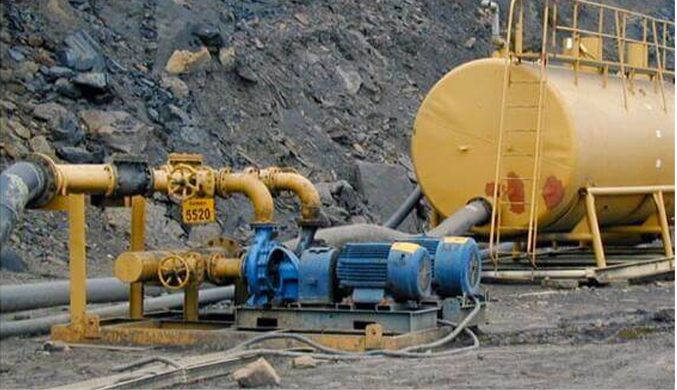
Introduction
The 2hp sewage submersible pump is a critical component in wastewater management systems, designed for efficient removal of solids-laden effluent. Positioned within the industrial chain as a terminal handling device, it directly addresses the challenges of wastewater collection, transport, and initial processing. These pumps utilize an electric motor encased within a hermetically sealed housing, allowing for complete submersion in the fluid being pumped. Core performance characteristics are defined by flow rate (typically measured in gallons per minute or liters per second), total dynamic head (the maximum height the pump can lift the fluid), solids handling capability (the largest particle size the pump can pass without clogging), and overall efficiency. A key industry pain point centers around pump failure due to abrasive solids, corrosion from aggressive chemicals present in sewage, and the high energy consumption associated with inefficient impeller designs. This guide provides a comprehensive technical overview of 2hp sewage submersible pumps, covering material science, manufacturing processes, performance characteristics, potential failure modes, and relevant industry standards.
Material Science & Manufacturing
The core components of a 2hp sewage submersible pump dictate its performance and longevity. The pump housing is commonly constructed from cast iron (ASTM A48 Class 30) due to its cost-effectiveness, durability, and resistance to corrosion. However, for particularly aggressive environments, stainless steel (304 or 316 grades, ASTM A240) or high-density polyethylene (HDPE) are employed. Impellers are typically made from high-chrome cast iron, providing superior abrasion resistance against the solids carried within the sewage. Shafts are often constructed from 4140 alloy steel, heat-treated to achieve high tensile strength and torsional rigidity. Seals are a critical element, generally employing silicon carbide faces with Viton or EPDM elastomers to ensure chemical compatibility and prevent leakage. Manufacturing processes involve several key steps. Casting forms the basis of the housing and impeller. Machining operations refine these castings to precise tolerances. Welding (SMAW or GTAW) is used for assembling certain components, requiring stringent quality control to ensure structural integrity. The electric motor is assembled separately, involving stator winding, rotor insertion, and bearing installation. Finally, the complete pump undergoes rigorous testing, including hydrostatic testing, electrical insulation testing, and performance curve verification. Parameter control during manufacturing is paramount; impeller balance is crucial to minimize vibration and extend bearing life, while seal concentricity directly impacts leakage rates. Maintaining tight tolerances during machining is essential for maximizing pump efficiency.
Performance & Engineering
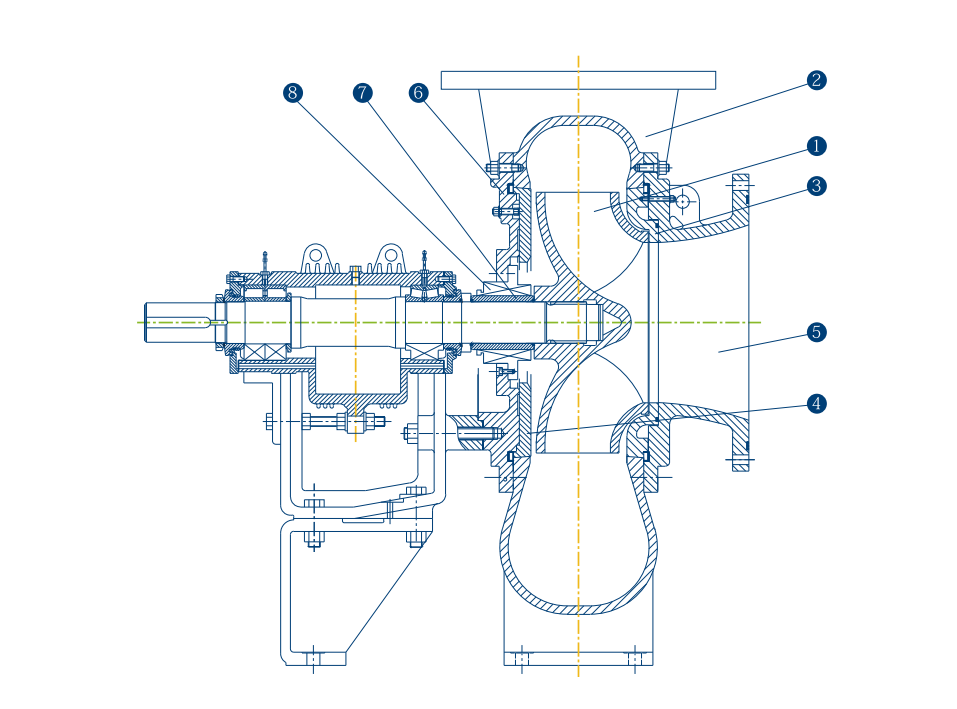
The performance of a 2hp sewage submersible pump is governed by hydraulic principles and motor characteristics. Force analysis considers both static and dynamic loads, including the weight of the pump, the hydrostatic pressure, and the centrifugal forces generated by the impeller. The pump's performance curve, plotting flow rate against total dynamic head, is a crucial engineering parameter. This curve is influenced by impeller geometry, casing design, and motor speed. Environmental resistance is paramount. The pump must withstand continuous submersion in corrosive sewage, varying temperatures, and potential abrasive wear. Sealing systems are engineered to prevent water ingress into the motor, maintaining electrical safety and preventing motor failure. Motor design considerations include selecting an appropriate motor enclosure (typically IP68 rated for complete submersion) and utilizing high-efficiency windings to minimize energy consumption. Compliance requirements, dictated by standards such as CE marking (European conformity) and UL listing (Underwriters Laboratories), ensure safety and performance. Functional implementation often involves integrating level sensors and control systems to automate pump operation based on wastewater levels, preventing dry running and maximizing efficiency. A critical design element involves the impeller's vortex or recessed design, optimized for handling solids without clogging. The hydraulic institute standards (HI) provide guidelines for pump performance testing and classification.
Technical Specifications
| Parameter | Units | Specification | Tolerance |
|---|---|---|---|
| Motor Power | hp | 2 | ± 5% |
| Voltage | V | 460/380/220 | ± 5% |
| Frequency | Hz | 60/50 | ± 1% |
| Maximum Flow Rate | GPM | 120 | ± 10% |
| Maximum Head | ft | 60 | ± 10% |
| Solids Handling Capacity | in | 2 | - |
Failure Mode & Maintenance
Several failure modes are common in 2hp sewage submersible pumps. Fatigue cracking in the impeller or housing can occur due to cyclical loading and stress concentration. Delamination of the motor windings can result from moisture ingress or thermal stress. Degradation of the seals leads to leakage and potential motor failure. Oxidation of metallic components accelerates corrosion. Abrasive wear from solids erodes impeller vanes and casing surfaces. Cavitation, caused by low net positive suction head, can damage the impeller. Preventative maintenance is crucial. Regular inspection of seals for wear and leakage is essential. Monitoring motor current and voltage can identify winding insulation deterioration. Periodic cleaning of the impeller and casing removes accumulated solids. Lubrication of bearings extends their lifespan. Failure analysis should involve visual inspection for cracks or corrosion, electrical testing of windings, and hydrodynamic testing to assess impeller performance. When replacing components, it's critical to use materials compatible with the sewage composition to prevent accelerated corrosion. Implementing a routine vibration analysis program can detect early signs of bearing failure or impeller imbalance. Proper storage of spare parts is also essential to maintain their integrity.
Industry FAQ
Q: What is the expected lifespan of a 2hp submersible sewage pump in a typical municipal wastewater treatment plant?
A: The expected lifespan varies significantly based on sewage composition, solids content, and maintenance practices. However, with diligent preventative maintenance, a well-specified pump can operate reliably for 5-10 years. Aggressive chemicals and high solids loading will reduce this lifespan.
Q: How do I determine the appropriate pump size (horsepower and flow rate) for my application?
A: Pump sizing requires a thorough assessment of the system’s total dynamic head (TDH), including static lift, friction losses in piping, and pressure requirements. The required flow rate is determined by the volume of wastewater needing to be handled per unit time. Consulting pump performance curves and utilizing sizing software is recommended.
Q: What are the advantages of using a stainless steel housing versus a cast iron housing?
A: Stainless steel offers superior corrosion resistance, particularly in environments with high levels of hydrogen sulfide or other corrosive compounds. However, cast iron is more cost-effective and provides sufficient durability in many applications. The choice depends on the specific sewage composition.
Q: How can I prevent premature pump failure due to clogging?
A: Employing a pump with an appropriate impeller design (vortex or recessed) is critical. Implementing a pre-screen or bar screen to remove large debris upstream of the pump can also significantly reduce clogging. Regular inspection and removal of accumulated solids within the pump wet end is essential.
Q: What is the importance of the power cable’s specification (e.g., SOOW cable)?
A: The power cable must be rated for continuous submersion in wastewater and resistant to abrasion and chemical attack. SOOW cable is a common choice due to its flexibility, oil resistance, and water resistance. Using an improperly rated cable can lead to insulation failure and electrical hazards.
Conclusion
The 2hp sewage submersible pump represents a vital piece of infrastructure within wastewater management systems. Its performance and longevity are inextricably linked to material selection, manufacturing quality, and diligent maintenance. Understanding the potential failure modes, such as impeller wear, seal degradation, and motor winding failure, is critical for proactive maintenance planning. The selection of appropriate materials, like high-chrome cast iron and corrosion-resistant stainless steels, coupled with adherence to industry standards, directly influences the pump’s operational reliability and overall life cycle cost.
Future advancements will likely focus on developing more energy-efficient pump designs, integrating smart monitoring systems for predictive maintenance, and utilizing advanced materials with enhanced abrasion and corrosion resistance. Furthermore, optimizing impeller geometry to handle increasingly complex sewage compositions will remain a critical area of engineering development. A commitment to continuous improvement in design, manufacturing, and maintenance practices will be essential to address the evolving challenges of wastewater treatment.
-
submersible effluent sewage pump Performance Analysis
News2026-05-31
-
stainless steel submersible sewage pumps Performance Engineering
News2026-05-31
-
stainless steel submersible sewage pump Material Science Manufacturing
News2026-05-31
-
Sewage Submersible Pump Installation Performance Analysis
News2026-05-31
-
sewage submersible pump 2hp Performance Analysis
News2026-05-31
-
sewage submersible pump 1hp Performance Analysis
News2026-05-30
-
1 hp sewage submersible pump Performance Analysis
News2026-05-30
-
waste pump for basement bathroom Performance and Engineering
News2026-05-30
-
Sump Pump Drain Field Performance Analysis
News2026-05-30
-
small sewage pump Performance Analysis
News2026-05-30
-
sewer pump for basement Material Science Manufacturing
News2026-05-29
-
sewage sump pumps Performance and Engineering
News2026-05-29
-
sewage pumps for septic tanks Material Science and Manufacturing
News2026-05-29
-
Sewage Pumping Companies Performance Analysis
News2026-05-29
-
Sewage Pump Manufacturers Performance Engineering
News2026-05-29




