English
- Afrikaans
- Albanian
- Amharic
- Arabic
- Armenian
- Azerbaijani
- Basque
- Belarusian
- Bengali
- Bosnian
- Bulgarian
- Catalan
- Cebuano
- Corsican
- Croatian
- Czech
- Danish
- Dutch
- English
- Esperanto
- Estonian
- Finnish
- French
- Frisian
- Galician
- Georgian
- German
- Greek
- Gujarati
- Haitian Creole
- hausa
- hawaiian
- Hebrew
- Hindi
- Miao
- Hungarian
- Icelandic
- igbo
- Indonesian
- irish
- Italian
- Japanese
- Javanese
- Kannada
- kazakh
- Khmer
- Rwandese
- Korean
- Kurdish
- Kyrgyz
- Lao
- Latin
- Latvian
- Lithuanian
- Luxembourgish
- Macedonian
- Malgashi
- Malay
- Malayalam
- Maltese
- Maori
- Marathi
- Mongolian
- Myanmar
- Nepali
- Norwegian
- Norwegian
- Occitan
- Pashto
- Persian
- Polish
- Portuguese
- Punjabi
- Romanian
- Russian
- Samoan
- Scottish Gaelic
- Serbian
- Sesotho
- Shona
- Sindhi
- Sinhala
- Slovak
- Slovenian
- Somali
- Spanish
- Sundanese
- Swahili
- Swedish
- Tagalog
- Tajik
- Tamil
- Tatar
- Telugu
- Thai
- Turkish
- Turkmen
- Ukrainian
- Urdu
- Uighur
- Uzbek
- Vietnamese
- Welsh
- Bantu
- Yiddish
- Yoruba
- Zulu

Telephone: +86 13120555503
Email: frank@cypump.com


Apr . 01, 2024 17:55 Back to list
sewage submersible pump 1hp Performance Analysis
Introduction
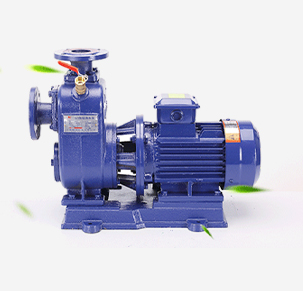
The 1hp sewage submersible pump is a centrifugal pump specifically designed for the efficient and reliable removal of wastewater, sewage, and solids-laden fluids. Positioned within the wastewater treatment and municipal infrastructure chain, it serves as a critical component in lift stations, sewage treatment plants, and industrial effluent management. Its core performance characteristics – hydraulic efficiency, solids handling capability, and durability in corrosive environments – dictate its effectiveness in preventing backups, maintaining flow, and ensuring environmental compliance. This guide provides an in-depth technical analysis of its construction, operation, performance parameters, and maintenance requirements. A key pain point addressed by these pumps is the prevention of clogging and subsequent system failure, a common and costly issue in wastewater management. The 1hp designation refers to the motor’s power output, defining its pumping capacity and head pressure capabilities.
Material Science & Manufacturing
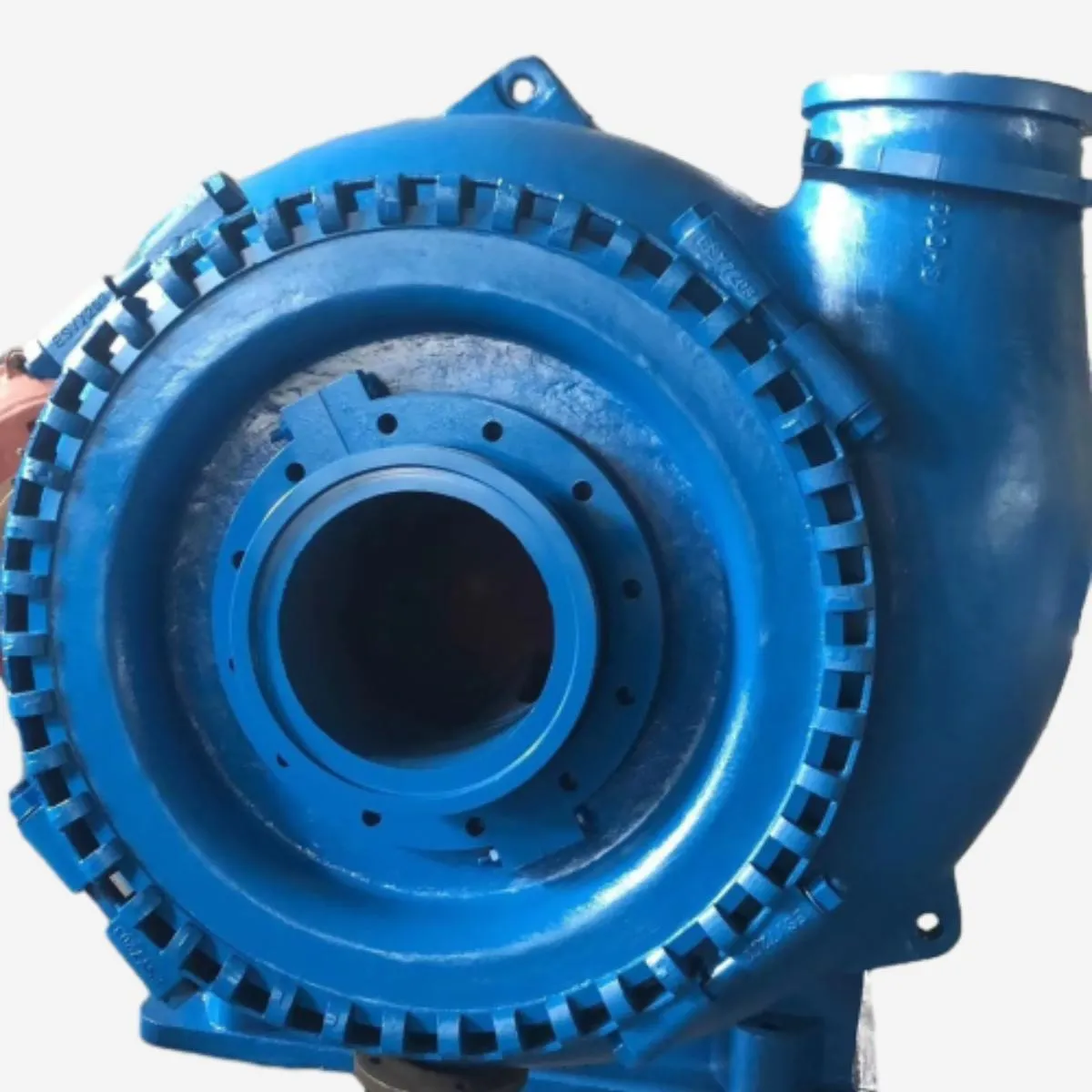
The construction of a 1hp sewage submersible pump necessitates careful material selection to withstand the abrasive and corrosive nature of wastewater. Pump casings are typically manufactured from cast iron (ASTM A48 Class 30) due to its cost-effectiveness and inherent resistance to corrosion. However, for more aggressive environments, stainless steel (specifically 316L) or ductile iron with epoxy coating is employed. Impellers, responsible for imparting kinetic energy to the fluid, are commonly constructed from high-chrome cast iron, offering exceptional abrasion resistance necessary for handling solids. Shafts are typically made of 4140 alloy steel, heat treated for high tensile strength and fatigue resistance. Seals are crucial to prevent water ingress into the motor; silicon carbide mechanical seals are standard due to their superior wear resistance and chemical compatibility.
Manufacturing processes involve several key steps. Casting forms the basis of the casing and impeller. Precise machining is then applied to ensure dimensional accuracy and smooth surfaces for efficient hydraulic performance. Welding (SMAW or GMAW) is used to join components where necessary, requiring stringent quality control to ensure weld integrity and prevent corrosion initiation points. The motor is encapsulated in a watertight housing, typically using thermosetting resins to provide electrical insulation and protect against corrosion. Motor windings are insulated with Class H materials (180°C) for high-temperature operation. Finally, the pump undergoes rigorous hydrostatic testing to verify structural integrity and leak-proof operation. Parameter control during manufacturing focuses on impeller balance (to minimize vibration), seal alignment (to prevent leakage), and coating thickness (for corrosion protection).
Performance & Engineering
The performance of a 1hp sewage submersible pump is dictated by its hydraulic design and motor characteristics. Force analysis involves evaluating the radial and axial loads on the impeller and shaft, ensuring they remain within acceptable limits to prevent premature failure. Cavitation is a significant concern; proper impeller design and submergence depth are crucial to maintain sufficient net positive suction head (NPSH) and prevent vapor bubble formation. Environmental resistance is paramount. The pump must withstand continuous immersion in corrosive wastewater, including exposure to hydrogen sulfide (H2S), chlorides, and sulfates.
Compliance requirements are driven by environmental regulations and safety standards. Pumps must meet or exceed efficiency standards set by organizations like the Hydraulic Institute. Electrical components must adhere to IEC or UL standards for safety and explosion-proof operation in potentially hazardous environments. The pump's construction must conform to standards regarding material traceability and chemical resistance. Functional implementation relies on a robust electrical connection and a properly sized discharge pipe to minimize head loss. Proper installation, including anchoring and level positioning, is essential to prevent vibration and ensure optimal performance.
Technical Specifications
| Parameter | Specification | Test Standard | Typical Application Range |
|---|---|---|---|
| Motor Power | 1 hp (746 Watts) | IEC 60034 | Residential/Small Commercial Sewage |
| Voltage | 115/230V, 60Hz | UL 508A | North American Power Grids |
| Maximum Head | 35 ft (10.7 m) | ANSI/HI 1.6 | Lift Station Pumping |
| Maximum Flow Rate | 75 GPM (284 LPM) | ANSI/HI 1.1 | General Wastewater Transfer |
| Solids Handling Capacity | 2 inches (50 mm) | N/A (Manufacturer Specified) | Handling Rag & Debris |
| Impeller Material | High Chrome Cast Iron | ASTM A532 | Abrasive Slurry Applications |
Failure Mode & Maintenance
Common failure modes in 1hp sewage submersible pumps include impeller wear due to abrasive solids, seal failure leading to water ingress and motor damage, bearing failure caused by overloading or improper lubrication, and winding burnout due to overheating. Fatigue cracking in the pump casing can occur due to cyclical pressure variations. Delamination of epoxy coatings exposes the underlying metal to corrosion. Oxidation of electrical connections leads to increased resistance and potential failure.
Preventative maintenance is crucial. Regular inspection of seals and bearings is recommended, along with lubrication according to manufacturer’s specifications. Periodic cleaning of the impeller and casing removes accumulated debris. Monitoring motor current and temperature helps detect early signs of winding deterioration. Voltage and current balance checks ensure optimal motor performance and prevent overheating. For seal failures, replacement with OEM-specified parts is critical. In cases of casing corrosion, epoxy patching or complete casing replacement may be necessary. Regularly testing the pump's operation after maintenance is also essential. A well-documented maintenance log is paramount for tracking performance and identifying recurring issues.
Industry FAQ
Q: What is the impact of wastewater temperature on pump performance and longevity?
A: Elevated wastewater temperatures can reduce the dielectric strength of motor insulation, potentially leading to winding failure. Increased temperatures also accelerate corrosion rates. Pumps designed for higher temperature operation (e.g., with Class H insulation) are recommended for applications where temperatures consistently exceed ambient levels. Furthermore, high temperatures reduce the viscosity of the water, impacting pump efficiency.
Q: How do I determine the appropriate pump size for a specific application?
A: Pump sizing requires careful consideration of total dynamic head (TDH) and flow rate. TDH includes static lift, friction losses in piping, and pressure requirements. Flow rate is determined by the volume of wastewater needing to be pumped within a given timeframe. Using a pump curve and system head curve intersection is the standard engineering approach to select a suitable pump. Undersizing results in insufficient capacity, while oversizing leads to inefficiency and potential damage.
Q: What is the role of the pump’s power cable and how should it be maintained?
A: The power cable provides electrical power to the pump motor. It must be properly sized and rated for submersible applications, with adequate insulation and water resistance. Regular inspection for abrasion, cuts, or damage is critical. Cable strain relief is essential to prevent damage at connection points. Ensure proper grounding to prevent electrical hazards. Replacement of damaged cables is paramount for safety and reliable operation.
Q: What are the best practices for preventing pump clogging?
A: Implementing a screening system upstream of the pump is crucial to remove large debris. Regularly inspecting and cleaning the pump intake is essential. Maintaining adequate flow velocity helps prevent solids from settling. Selecting a pump with a robust impeller design and wide solids handling capability is also important. Avoid introducing materials into the wastewater stream that are not intended for pump processing.
Q: What are the consequences of running a submersible pump dry?
A: Running a submersible pump dry can cause rapid impeller wear, seal failure, and overheating of the motor. The water acts as a coolant and lubricant; without it, friction increases dramatically. Dry running voids warranties in many cases. Implementing level sensors and automatic shut-off mechanisms is highly recommended to prevent dry running conditions.
Conclusion
The 1hp sewage submersible pump represents a vital component in wastewater management infrastructure. Its effectiveness hinges on robust material selection, precise manufacturing processes, and diligent maintenance practices. Understanding the principles of fluid dynamics, material science, and electrical engineering is essential for optimizing performance and maximizing longevity. Properly addressing potential failure modes through preventative maintenance protocols significantly reduces operational costs and minimizes environmental impact.
Future advancements in pump technology will likely focus on enhanced sensor integration for predictive maintenance, development of more abrasion-resistant materials, and improvements in hydraulic efficiency to reduce energy consumption. Furthermore, the adoption of variable frequency drives (VFDs) will enable precise flow control and energy savings based on demand. Continuous innovation in this field is crucial to meet the evolving challenges of wastewater treatment and environmental sustainability.
-
sewage submersible pump 1hp Performance Analysis
News2026-05-30
-
1 hp sewage submersible pump Performance Analysis
News2026-05-30
-
waste pump for basement bathroom Performance and Engineering
News2026-05-30
-
Sump Pump Drain Field Performance Analysis
News2026-05-30
-
small sewage pump Performance Analysis
News2026-05-30
-
sewer pump for basement Material Science Manufacturing
News2026-05-29
-
sewage sump pumps Performance and Engineering
News2026-05-29
-
sewage pumps for septic tanks Material Science and Manufacturing
News2026-05-29
-
Sewage Pumping Companies Performance Analysis
News2026-05-29
-
Sewage Pump Manufacturers Performance Engineering
News2026-05-29
-
sewage pump for basement Performance and Engineering
News2026-05-28
-
Sewage Pump Companies Performance Analysis
News2026-05-28
-
Sewage Pit and Pump Performance Analysis
News2026-05-28
-
Sewage Lift Pumps Material Science
News2026-05-28
-
Sewage Ejector Tank Material Science and Manufacturing
News2026-05-28




