English
- Afrikaans
- Albanian
- Amharic
- Arabic
- Armenian
- Azerbaijani
- Basque
- Belarusian
- Bengali
- Bosnian
- Bulgarian
- Catalan
- Cebuano
- Corsican
- Croatian
- Czech
- Danish
- Dutch
- English
- Esperanto
- Estonian
- Finnish
- French
- Frisian
- Galician
- Georgian
- German
- Greek
- Gujarati
- Haitian Creole
- hausa
- hawaiian
- Hebrew
- Hindi
- Miao
- Hungarian
- Icelandic
- igbo
- Indonesian
- irish
- Italian
- Japanese
- Javanese
- Kannada
- kazakh
- Khmer
- Rwandese
- Korean
- Kurdish
- Kyrgyz
- Lao
- Latin
- Latvian
- Lithuanian
- Luxembourgish
- Macedonian
- Malgashi
- Malay
- Malayalam
- Maltese
- Maori
- Marathi
- Mongolian
- Myanmar
- Nepali
- Norwegian
- Norwegian
- Occitan
- Pashto
- Persian
- Polish
- Portuguese
- Punjabi
- Romanian
- Russian
- Samoan
- Scottish Gaelic
- Serbian
- Sesotho
- Shona
- Sindhi
- Sinhala
- Slovak
- Slovenian
- Somali
- Spanish
- Sundanese
- Swahili
- Swedish
- Tagalog
- Tajik
- Tamil
- Tatar
- Telugu
- Thai
- Turkish
- Turkmen
- Ukrainian
- Urdu
- Uighur
- Uzbek
- Vietnamese
- Welsh
- Bantu
- Yiddish
- Yoruba
- Zulu

Telephone: +86 13120555503
Email: frank@cypump.com


Apr . 01, 2024 17:55 Back to list
sewage pumpsresidential Performance Analysis
Introduction
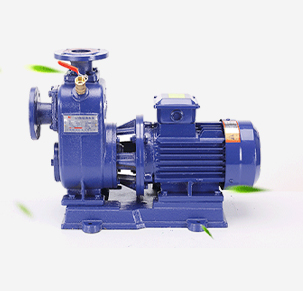
Residential sewage pumps, also known as effluent pumps, are specifically engineered to transfer wastewater from a property to a municipal sewer system or a septic tank. These pumps are critical components in situations where gravity drainage is insufficient, such as basements below the sewer line, properties with uphill discharge requirements, or locations with challenging soil conditions. Unlike standard centrifugal pumps, sewage pumps are designed to handle solids and abrasive materials commonly found in domestic wastewater. Their technical position within the wastewater management chain is as a vital link between the source of wastewater generation (residential dwellings) and the ultimate treatment or disposal facility. Core performance metrics include flow rate (gallons per minute), head (vertical lift in feet), motor horsepower, and solids handling capability (diameter of solids that can be pumped). The selection of an appropriately sized and constructed pump is paramount to prevent system failures, backups, and potential health hazards.
Material Science & Manufacturing
The construction of residential sewage pumps necessitates materials resistant to corrosion and abrasion from wastewater constituents. Impeller materials commonly include high-grade stainless steel (304 or 316) due to their excellent corrosion resistance to hydrogen sulfide and organic acids. Pump housings are often manufactured from cast iron (typically ASTM A48 Class 30) coated with epoxy or other protective finishes to prevent corrosion. Shaft materials are typically 4140 alloy steel, heat-treated for increased strength and wear resistance. Seals are critical components, frequently employing silicon carbide mechanical seals for their durability and resistance to abrasive particles.
Manufacturing processes involve several key steps. Impellers are often produced via investment casting or centrifugal casting to achieve complex geometries and precise tolerances. Pump housings are typically manufactured using sand casting, followed by machining and surface preparation for coating application. Motor components are produced through standard electrical motor manufacturing techniques, including stator winding, rotor assembly, and housing fabrication. The assembly process involves precise alignment of the impeller, shaft, and seals within the housing, followed by rigorous testing to ensure leak-proof operation and proper performance. Critical parameter control focuses on dimensional accuracy of the impeller and housing, seal concentricity, and motor electrical characteristics. Welding, when employed for housing construction, requires qualified welders and adherence to AWS D1.1 standards for structural welding.
Performance & Engineering
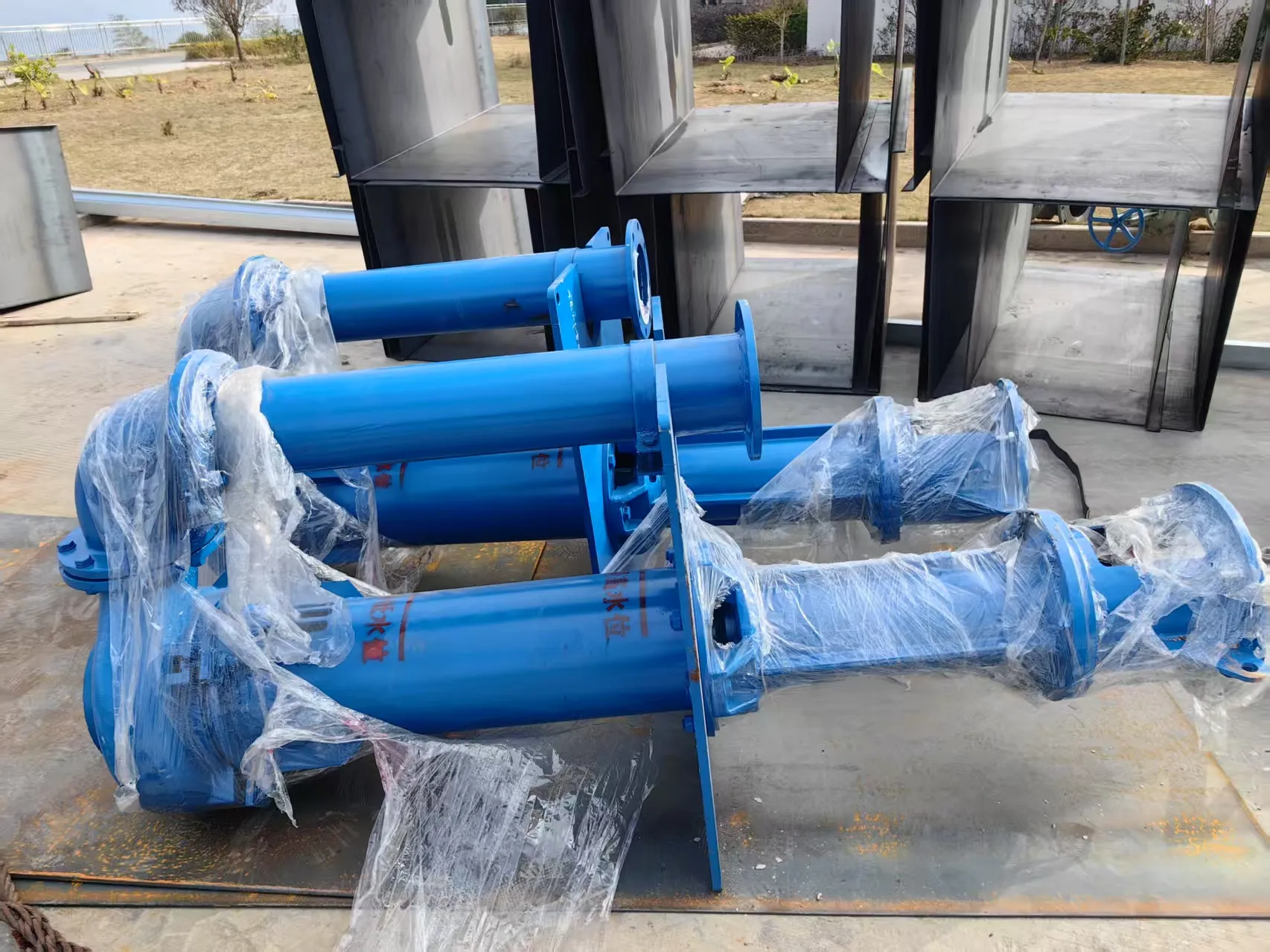
Sewage pump performance is fundamentally governed by hydraulic principles and motor characteristics. Force analysis centers on the radial forces generated by the impeller as it transfers energy to the fluid, and the axial thrust created by the pressure differential across the impeller. Pump curves, generated through hydraulic testing, illustrate the relationship between flow rate, head, and power consumption. Environmental resistance is a crucial design consideration, particularly regarding the potential for corrosion and degradation from wastewater components. Selection of appropriate materials and protective coatings is vital for long-term reliability.
Compliance requirements vary by region, but typically include certifications such as UL (Underwriters Laboratories) and CSA (Canadian Standards Association) for electrical safety, as well as adherence to NSF/ANSI 61 standards for materials in contact with potable water (relevant for some effluent pump applications). Functional implementation often involves integrating the pump with a control panel equipped with level sensors (float switches or pressure transducers) to automate pump operation based on wastewater level. Proper pump sizing is paramount to ensure adequate flow rate and head without exceeding the motor’s capacity, which can lead to overheating and premature failure. Hydraulic design considerations include impeller geometry, volute design, and suction/discharge piping configuration to minimize energy losses and maximize efficiency. Cavitation prevention is essential; adequate Net Positive Suction Head Available (NPSHa) must be maintained to avoid vapor bubble formation and subsequent impeller damage.
Technical Specifications
| Motor Horsepower (HP) | Maximum Head (ft) | Maximum Flow Rate (GPM) | Solids Handling Capability (in) |
|---|---|---|---|
| 1/3 | 25 | 45 | 2 |
| 1/2 | 40 | 60 | 2.5 |
| 3/4 | 60 | 80 | 3 |
| 1 | 80 | 100 | 3.5 |
| 1.5 | 100 | 120 | 4 |
| 2 | 120 | 150 | 4.5 |
Failure Mode & Maintenance
Common failure modes in residential sewage pumps include impeller wear and erosion due to abrasive solids, seal failures leading to leakage, motor overheating due to overload or insufficient cooling, and blockage of the impeller or discharge piping. Fatigue cracking can occur in the impeller or pump housing under cyclical loading. Delamination of epoxy coatings can expose the underlying metal to corrosion. Degradation of seals due to chemical attack from wastewater constituents is also prevalent. Oxidation of motor windings can lead to electrical failure.
Preventive maintenance is crucial for extending pump lifespan. This includes regular inspection of the pump for leaks, unusual noises, or reduced performance. Flushing the pump and discharge piping to remove accumulated solids is essential. Seal replacement should be performed periodically based on operating hours and wastewater characteristics. Motor windings should be inspected for signs of overheating or damage. The control panel should be checked for proper operation of level sensors and electrical connections. For blockage issues, a thorough cleaning of the impeller and discharge piping is required. If impeller wear is significant, impeller replacement is recommended. In the event of motor failure, professional repair or replacement by a qualified electrician is necessary.
Industry FAQ
Q: What is the primary difference between a submersible sewage pump and a pedestal sewage pump?
A: Submersible pumps are designed to be fully submerged in the wastewater, offering quieter operation and self-priming capabilities. Pedestal pumps have the motor mounted above the liquid level, requiring priming and typically being louder. Submersible pumps are generally preferred for residential applications due to their efficiency and reduced noise levels. Pedestal pumps are less expensive upfront, but often have shorter lifespans and require more maintenance.
Q: How do I determine the correct pump size for my application?
A: Pump sizing requires calculating the total dynamic head (TDH), which includes static lift (vertical distance from the pump to the discharge point), friction losses in the piping, and pressure requirements at the discharge point. The required flow rate must also be determined based on the wastewater generation rate. Consult pump performance curves and manufacturer's recommendations to select a pump that meets both the TDH and flow rate requirements.
Q: What are the common causes of pump failure, and how can they be prevented?
A: Common causes include impeller wear, seal failures, motor overheating, and blockages. Prevention involves regular maintenance, including flushing the pump, inspecting seals, ensuring proper ventilation for the motor, and preventing solids from entering the pump. Using a pump with solids handling capabilities appropriate for the expected wastewater composition is also critical.
Q: What is the role of a check valve in a sewage pump system?
A: A check valve prevents backflow of wastewater into the pump chamber when the pump shuts off. This is essential for maintaining prime and preventing water hammer, which can damage the pump and piping. Regular inspection of the check valve is necessary to ensure it is functioning properly.
Q: What type of electrical protection is required for a sewage pump installation?
A: Sewage pump installations require ground fault circuit interrupter (GFCI) protection to prevent electrical shock. Overload protection is also essential to protect the motor from damage due to excessive current draw. Compliance with local electrical codes is mandatory.
Conclusion
Residential sewage pumps are vital components in wastewater management systems, offering a reliable solution for transferring wastewater when gravity drainage is insufficient. Their performance and longevity are heavily dependent on appropriate material selection, robust manufacturing processes, and diligent maintenance practices. Understanding the fundamental principles of pump operation, failure modes, and compliance requirements is crucial for ensuring optimal system performance and minimizing downtime.
The future of sewage pump technology is likely to involve advancements in motor efficiency, sensor integration for predictive maintenance, and improved impeller designs for enhanced solids handling capabilities. As sustainability concerns grow, the development of energy-efficient pumps and smart control systems will become increasingly important. Selecting pumps designed for prolonged service life and minimal environmental impact will be a key consideration for homeowners and wastewater professionals alike.
-
Comprehensive Guide to Waterproof ORings for Optimal Sealing Solutions
News2026-06-09
-
heavy duty submersible pump Performance Analysis
News2026-06-25
-
best submersible pump for septic tank Performance Analysis
News2026-06-25
-
basement sewer ejector pump Performance Analysis
News2026-06-25
-
basement pumps ejector pumps Performance Analysis
News2026-06-25
-
basement lift pump Performance and Engineering
News2026-06-25
-
basement bathroom pump systems Performance Analysis
News2026-06-24
-
basement bathroom ejector pump system Performance Engineering
News2026-06-24
-
2 hp sewage pump Performance Engineering
News2026-06-24
-
1 hp septic pump Performance Engineering
News2026-06-24
-
submersible effluent pump Performance Analysis
News2026-06-24
-
submergable pump Material Science
News2026-06-23
-
sewer injection pump Performance Engineering
News2026-06-23
-
Sewer Ejector Pump System Performance Analysis
News2026-06-23
-
septic tank pump for sale Performance Engineering
News2026-06-23




