English
- Afrikaans
- Albanian
- Amharic
- Arabic
- Armenian
- Azerbaijani
- Basque
- Belarusian
- Bengali
- Bosnian
- Bulgarian
- Catalan
- Cebuano
- Corsican
- Croatian
- Czech
- Danish
- Dutch
- English
- Esperanto
- Estonian
- Finnish
- French
- Frisian
- Galician
- Georgian
- German
- Greek
- Gujarati
- Haitian Creole
- hausa
- hawaiian
- Hebrew
- Hindi
- Miao
- Hungarian
- Icelandic
- igbo
- Indonesian
- irish
- Italian
- Japanese
- Javanese
- Kannada
- kazakh
- Khmer
- Rwandese
- Korean
- Kurdish
- Kyrgyz
- Lao
- Latin
- Latvian
- Lithuanian
- Luxembourgish
- Macedonian
- Malgashi
- Malay
- Malayalam
- Maltese
- Maori
- Marathi
- Mongolian
- Myanmar
- Nepali
- Norwegian
- Norwegian
- Occitan
- Pashto
- Persian
- Polish
- Portuguese
- Punjabi
- Romanian
- Russian
- Samoan
- Scottish Gaelic
- Serbian
- Sesotho
- Shona
- Sindhi
- Sinhala
- Slovak
- Slovenian
- Somali
- Spanish
- Sundanese
- Swahili
- Swedish
- Tagalog
- Tajik
- Tamil
- Tatar
- Telugu
- Thai
- Turkish
- Turkmen
- Ukrainian
- Urdu
- Uighur
- Uzbek
- Vietnamese
- Welsh
- Bantu
- Yiddish
- Yoruba
- Zulu

Telephone: +86 13120555503
Email: frank@cypump.com


Apr . 01, 2024 17:55 Back to list
sewage pumps residential Material Science
Introduction
Sewage pumps residential, also known as effluent pumps, are specifically designed for the removal of wastewater from residential properties where gravity drainage is insufficient. These pumps differ fundamentally from standard centrifugal pumps through their specialized impeller designs, capable of handling solids and preventing clogging. Positioned within the building's plumbing system, typically in a sump basin, they elevate wastewater to the municipal sewer line or a septic tank. Core performance characteristics include flow rate (gallons per minute - GPM), head (vertical lift in feet), solids handling capability (diameter in inches), and motor horsepower (HP). The increasing demand for basement finishing and the rise of properties situated below sewer lines drive the market for these pumps. A key pain point for residential users is pump failure leading to sewage backup, causing significant property damage and health hazards. Selecting the correct pump size and material, alongside proper installation and maintenance, are crucial considerations.
Material Science & Manufacturing
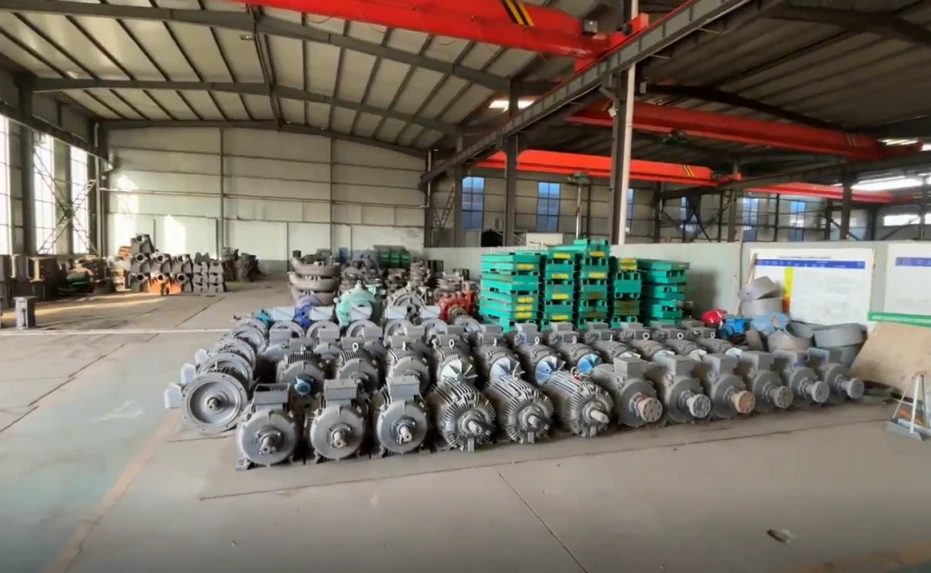
Residential sewage pumps typically utilize cast iron for the pump housing due to its cost-effectiveness, durability, and resistance to corrosion from common wastewater components. However, stainless steel (304 or 316) is increasingly common for higher-end models, providing superior corrosion resistance, particularly in aggressive environments. Impellers are often constructed from high-strength polymers like engineered polypropylene or stainless steel. Motor housings are typically aluminum. Manufacturing processes begin with casting the pump housing, followed by machining to ensure precise tolerances for impeller fit and sealing surfaces. Impellers are often produced through injection molding for polymer components or investment casting for stainless steel. A critical step is the dynamic balancing of the impeller to minimize vibration and extend pump life. Shaft seals, vital for preventing leakage, employ mechanical seals constructed from silicon carbide faces and elastomers like Viton, chosen for their chemical compatibility with wastewater and abrasive resistance. Parameter control during casting (cooling rate, alloy composition) and machining (surface finish, dimensional accuracy) directly impacts pump performance and longevity. Welding processes are employed in the construction of motor components, requiring stringent quality control to prevent defects.
Performance & Engineering
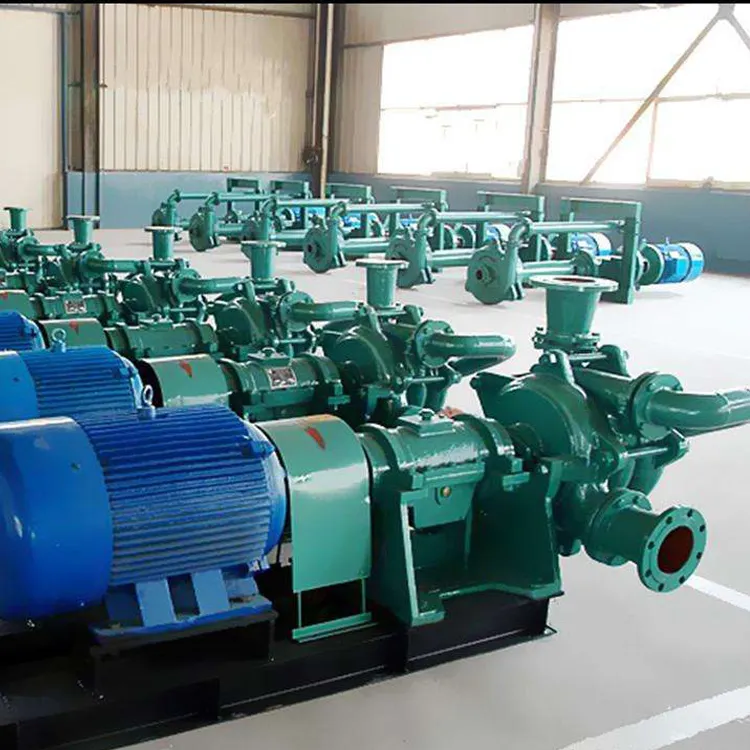
Pump performance is governed by Bernoulli’s principle and the affinity laws of pumps. Force analysis centers on the hydraulic forces acting on the impeller and the mechanical stresses on the pump housing and shaft. Engineers must account for static head (vertical distance to discharge point), dynamic head (friction losses in piping), and pressure head (pressure at the discharge point). Environmental resistance is critical, particularly regarding wastewater composition. Exposure to hydrogen sulfide (H2S) can cause corrosion of metallic components, while abrasive solids can wear impeller surfaces. Compliance requirements vary by region but generally adhere to National Electrical Manufacturers Association (NEMA) standards for motor performance and safety. Pump curves, generated through hydraulic testing, provide vital information on flow rate versus head, allowing for optimal pump selection. The pump’s motor must be appropriately sized to handle the required horsepower, considering the specific gravity of the wastewater. Furthermore, thermal management is crucial; motors are often equipped with thermal overload protection to prevent overheating. Submersible pump designs require careful consideration of buoyancy and sealing to prevent water ingress into the motor compartment.
Technical Specifications
| Parameter | Unit | Typical Range (Residential) | Test Standard |
|---|---|---|---|
| Flow Rate | GPM (Gallons per Minute) | 40-120 | ANSI/HI 1.1 |
| Total Dynamic Head | ft (feet) | 10-60 | ANSI/HI 1.3 |
| Solids Handling Capability | in (inches) | 1-2 | Manufacturer Specification |
| Motor Horsepower | HP | 1/2 - 1 | NEMA MG 1 |
| Voltage | V (Volts) | 120/240 | UL 508A |
| Minimum Submergence | in (inches) | 18-24 | Manufacturer Specification |
Failure Mode & Maintenance
Common failure modes include impeller blockage (due to inadequate solids handling), seal failure (leading to leakage and motor damage), motor burnout (caused by overheating or overload), and switch failure (in automatic operation). Fatigue cracking can occur in the pump housing due to cyclic loading. Delamination of impeller materials, especially in polymer-based impellers, can occur due to chemical degradation. Corrosion, particularly from H2S, leads to pitting and weakening of metallic components. Oxidation can affect electrical connections, increasing resistance and leading to malfunction. Preventive maintenance involves regular inspection of the impeller for blockage, checking the seal for leaks, and verifying the proper operation of the float switch. Periodic cleaning of the sump basin to remove sediment and debris is crucial. Annual inspection by a qualified technician is recommended, including motor current monitoring and thermal imaging to identify potential overheating issues. In the event of failure, a thorough failure analysis is necessary to determine the root cause and prevent recurrence. Replacement of worn or damaged components, such as seals and impellers, is often the most cost-effective solution. Proper storage of spare parts is essential to minimize downtime.
Industry FAQ
Q: What is the difference between a submersible and a pedestal sewage pump?
A: Submersible pumps are fully immersed in the wastewater, offering quieter operation and self-priming capabilities. Pedestal pumps, with the motor positioned above the basin, are generally less expensive but can be noisier and require priming.
Q: How do I determine the correct pump size for my application?
A: Pump sizing depends on the flow rate required, the total dynamic head (vertical lift plus friction losses), and the solids handling needs. A hydraulic calculation, considering these factors, is essential.
Q: What causes premature pump failure?
A: Common causes include improper sizing, solids overload, corrosion from aggressive wastewater, inadequate maintenance, and electrical issues.
Q: What type of materials provide the best corrosion resistance?
A: Stainless steel (316 grade) offers superior corrosion resistance compared to cast iron, especially in environments with high H2S concentration. Epoxy coatings can also enhance corrosion protection.
Q: How often should the pump be serviced?
A: Annual inspection by a qualified technician is recommended, including checking seals, impeller condition, and electrical connections. More frequent inspection may be necessary in harsh environments.
Conclusion
Residential sewage pumps represent a critical component of modern plumbing systems, enabling wastewater removal where gravity drainage is unavailable. The selection process requires careful consideration of hydraulic performance, material compatibility, and environmental factors. Understanding potential failure modes and implementing a proactive maintenance program are essential for maximizing pump lifespan and minimizing costly repairs.
Future trends will likely focus on improved pump efficiency, intelligent control systems incorporating remote monitoring and diagnostics, and the development of more durable and corrosion-resistant materials. Adherence to relevant industry standards and best practices is crucial for ensuring reliable and safe operation of these vital systems.
-
Comprehensive Guide to Waterproof ORings for Optimal Sealing Solutions
News2026-06-09
-
heavy duty submersible pump Performance Analysis
News2026-06-25
-
best submersible pump for septic tank Performance Analysis
News2026-06-25
-
basement sewer ejector pump Performance Analysis
News2026-06-25
-
basement pumps ejector pumps Performance Analysis
News2026-06-25
-
basement lift pump Performance and Engineering
News2026-06-25
-
basement bathroom pump systems Performance Analysis
News2026-06-24
-
basement bathroom ejector pump system Performance Engineering
News2026-06-24
-
2 hp sewage pump Performance Engineering
News2026-06-24
-
1 hp septic pump Performance Engineering
News2026-06-24
-
submersible effluent pump Performance Analysis
News2026-06-24
-
submergable pump Material Science
News2026-06-23
-
sewer injection pump Performance Engineering
News2026-06-23
-
Sewer Ejector Pump System Performance Analysis
News2026-06-23
-
septic tank pump for sale Performance Engineering
News2026-06-23




